Award-Winning AP Spanish Language & Culture Tutors
serving Charleston, SC
AP Spanish Language & Culture
Tutors in Charleston
Private 1-on-1 tutoring, weekly live classes for academic support, test prep & enrichment, practice tests and diagnostics, and more to elevate grades and test scores.
Based on 3.4M Learner Ratings
UniversitiesSchools & Universities
DeliveredHours Delivered
ProficiencyGrowth in Proficiency
Who needs tutoring?
No obligation. Takes ~1 minute.
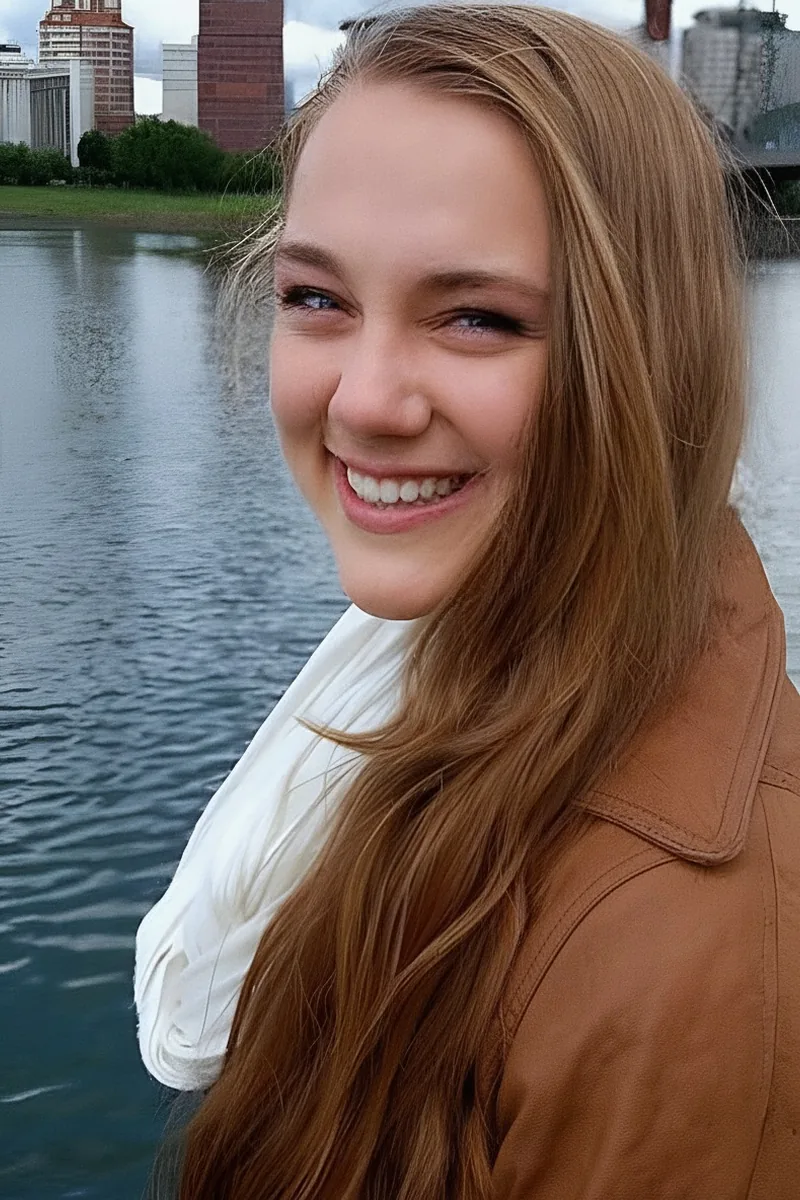
Sarah's English degree and SAT score of 1500 mean she's already wired for the kind of timed, source-based writing the AP Spanish exam throws at students in the persuasive essay — structuring an argument, synthesizing texts, and maintaining formal register under pressure. She teaches Spanish from level 1 through 4 and conversational Spanish, so she can spot whether a student's real bottleneck is subjunctive grammar or the rhetorical organization that separates a passing score from a strong one.
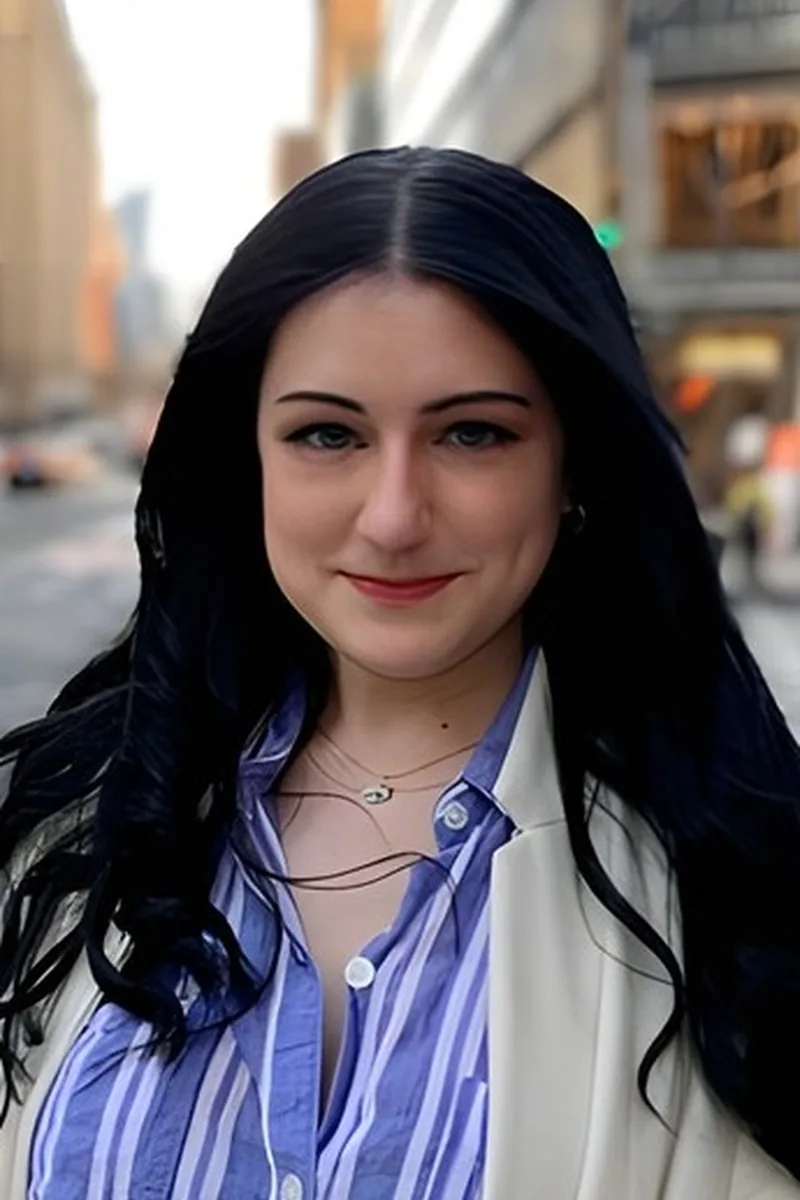
This isn't Katie's core subject — her degrees are in biomedical and biological engineering from Cornell, and her teaching load leans heavily toward STEM, history, and English. That said, her engineering training built the kind of systematic, pattern-based thinking that can help break down Spanish grammar structures and exam strategies for students who need a more analytical approach to language learning.
Native fluency changes everything in AP Spanish Language & Culture. Alex grew up speaking, reading, and writing Spanish at home, and his bilingual background means he can explain grammar from the inside — why the subjunctive feels natural in certain contexts, how register shifts between formal and informal speech, and what authentic source material actually sounds like. His English degree also sharpens the presentational writing and speaking skills the exam demands.
Rebecca's anthropology degree trained her to analyze cultural practices across communities — the exact skill the AP Spanish exam's cultural comparison free-response prompt tests. She teaches Spanish at every level from 1 through 4 plus conversational, so she can diagnose whether a student's weak spot is grammar mechanics like subjunctive triggers or the higher-order task of building a nuanced argument in formal register. Her 1550 SAT score reflects the kind of disciplined, timed-test thinking she brings to AP prep.
Rithi's strengths sit squarely in STEM — neuroscience, biotechnology, and a 1550 SAT — so she's upfront that AP Spanish isn't her primary domain. That said, her science background means she's comfortable with systematic thinking about complex rule sets, which she applies to helping break down subjunctive triggers and formal register conventions into learnable patterns rather than abstract grammar lists.
Alex's tutoring background spans a wide range of academic subjects, but AP Spanish Language & Culture is not one of his primary areas of expertise. Students preparing for this exam should look for a tutor with demonstrated fluency in Spanish and specific experience with the interpersonal and presentational communication tasks the exam requires.
Jennifer's journalism training at Northwestern — where she learned to write persuasively under tight deadlines in formal register — maps directly onto the AP Spanish exam's timed persuasive essay, which demands the same skill set in a second language. She teaches Spanish from level 1 through AP and conversational Spanish, and her Georgetown international politics background means she can coach students through the cultural comparison task with the kind of geopolitical nuance that turns a generic response into a compelling one.
While AP Spanish Language & Culture isn't Orlando's primary teaching area, his background in the arts and economics gives him a strong handle on the interpretive and presentational communication skills the exam demands — particularly the persuasive essay and cultural comparison tasks. He approaches language study with the same analytical rigor he brings to his core subjects, breaking down source materials and building argument structure.
Hi, my name is Jorge and I am from Lima Peru. Most of my academic experience is related to Biomedical sciences, in the fields of Molecular Biology, Genetics, Biochemistry, Cell Biology and development. During my PhD, I had a proactive role organizing scientific symposiums and retreats. This trained my presentation skills to share my research in important scientific meetings in the US: I won best poster award at the Gordon Research Conference (GRC) in 2022 and was an invited speaker at Cold Spring Harbor meeting in 2023, among others. Besides my research experience, I have a strong commitment to improve higher education in STEM. Since 2020, I co-direct the Research Experience for Peruvian Undergrads (REPU) program, that provides international scientific internships to Peruvian undergrads in top universities in the US and Europe. I have the chance to mentor undergards in STEM. Additionally, I am a native Spanish speaker, which allowed me to give Spanish lessons to some students in the USA. I want to use my best of my abilities to support students and build a career for myself in Education.
Growing up as a native Spanish speaker and then formally studying the language through a Hispanic Studies degree gives Mercedes something the AP exam's interpersonal speaking tasks reward — an instinct for when to shift between informal conversational register and the polished, formal tone the persuasive essay demands. She's a certified high school teacher who also holds a master's in literature, so she approaches the exam's source-synthesis writing tasks the way she'd teach a close reading: pulling evidence, structuring an argument, and controlling tone under timed pressure.
Earning a doctorate in Spanish & Portuguese required Casey to operate at full academic fluency — presenting research, debating theory, and writing at the highest register. She channels that depth into AP Language prep, drilling students on the interpersonal speaking prompts, persuasive essay structures, and audio-source synthesis that make up the exam's trickiest sections.
Hillel's geology research on Antarctic ice sheet dynamics — conducted partly through Spanish-language scientific literature — gives him a practical connection to the formal register and academic vocabulary the AP exam's persuasive essay demands. He also teaches conversational Spanish and Hebrew, so he's comfortable switching between languages and coaching students through the interpersonal speaking tasks where real-time fluency matters most. Rated 5.0 by students.
Testimonials
Because the right AP Spanish Language & Culture tutor makes all the difference.
Average Session Rating – Based on 3.4M Learner Ratings
Nearby AP Spanish Language & Culture Tutors
Other Charleston Tutors
Related Languages Tutors in Charleston
Frequently Asked Questions
The AP Spanish Language & Culture exam tests your ability to communicate in Spanish across three modes: interpersonal (conversations), interpretive (reading and listening), and presentational (speaking and writing). The exam includes multiple-choice sections on reading and listening comprehension, a free-response section with email writing and essay tasks, and a speaking portion with conversation and presentation components. Success requires not just grammar knowledge, but cultural understanding and the ability to express complex ideas in Spanish.
Varsity Tutors connects you with expert tutors who understand the AP Spanish Language & Culture curriculum and can tailor instruction to your specific needs. Whether you're struggling with verb conjugations, conversational fluency, or essay writing, tutors work with you one-on-one to identify weak areas, build confidence, and develop test-taking strategies. Your tutor can focus on whichever sections challenge you most—reading, listening, speaking, or writing—and help you practice with authentic exam-style materials.
Score improvement depends on your starting point, how consistently you study, and how long you work with a tutor. Students who start with foundational gaps often see the biggest gains by focusing on grammar, vocabulary, and exam strategies. Those already at intermediate levels typically improve by targeting specific sections—like the speaking portion or essay writing—where they lose points. Most students benefit from starting tutoring at least 3-4 months before the exam to build skills and test confidence systematically.
Many students struggle with the speaking portion because they're not used to thinking and responding quickly in Spanish without preparation time. The listening section also trips up students who haven't practiced with native-speed audio or different regional accents. Writing tasks require not just correct grammar but cultural awareness and ability to organize complex arguments—skills that take deliberate practice. Pacing is another challenge; students often run out of time on the free-response section because they haven't practiced under timed conditions.
Ideally, you should begin focused AP exam preparation 3-4 months before the May test date. This gives you time to review grammar, expand vocabulary, practice all exam sections multiple times, and build confidence with authentic materials. If you're starting later or have significant gaps in Spanish fundamentals, beginning even earlier helps. Consistent practice—ideally several times per week—is more important than cramming, so starting sooner allows for steady skill-building rather than rushed review.
Practice tests are essential because they help you understand the exam format, identify which sections drain your time, and reveal specific weak areas before test day. Taking full-length, timed practice exams every 2-3 weeks lets you track improvement and adjust your study strategy. Tutors can review your practice test results with you, pinpoint patterns in your mistakes, and help you develop targeted strategies for each section. This data-driven approach is much more effective than studying randomly without knowing where you actually lose points.
The speaking section intimidates many students because it feels unpredictable, but practice and familiarity build confidence. Working with a tutor who can simulate the speaking tasks—the conversation and presentation—helps you get comfortable with the format and develop go-to phrases for common topics. Recording yourself speaking and reviewing it reduces self-consciousness and helps you hear your own progress. By practicing the same types of questions repeatedly before exam day, the speaking portion becomes routine rather than scary.
Look for tutors with strong Spanish fluency (ideally native or near-native level), experience teaching AP Spanish or advanced Spanish courses, and familiarity with the current exam format and scoring rubrics. Tutors should understand both the language skills being tested and the cultural content the exam emphasizes. Experience working with students on test-taking strategies, pacing, and building confidence is also valuable. Varsity Tutors connects you with tutors who meet these standards and can focus on your specific goals.
Let’s find your perfect tutor
Answer a few quick questions. We’ll recommend the right plan and match you with a top 5% tutor.