Award-Winning Elementary School Reading Tutors
serving Charleston, SC
Elementary School Reading
Tutors in Charleston
Private 1-on-1 tutoring, weekly live classes for academic support, test prep & enrichment, practice tests and diagnostics, and more to elevate grades and test scores.
Based on 3.4M Learner Ratings
UniversitiesSchools & Universities
DeliveredHours Delivered
ProficiencyGrowth in Proficiency
Who needs tutoring?
No obligation. Takes ~1 minute.
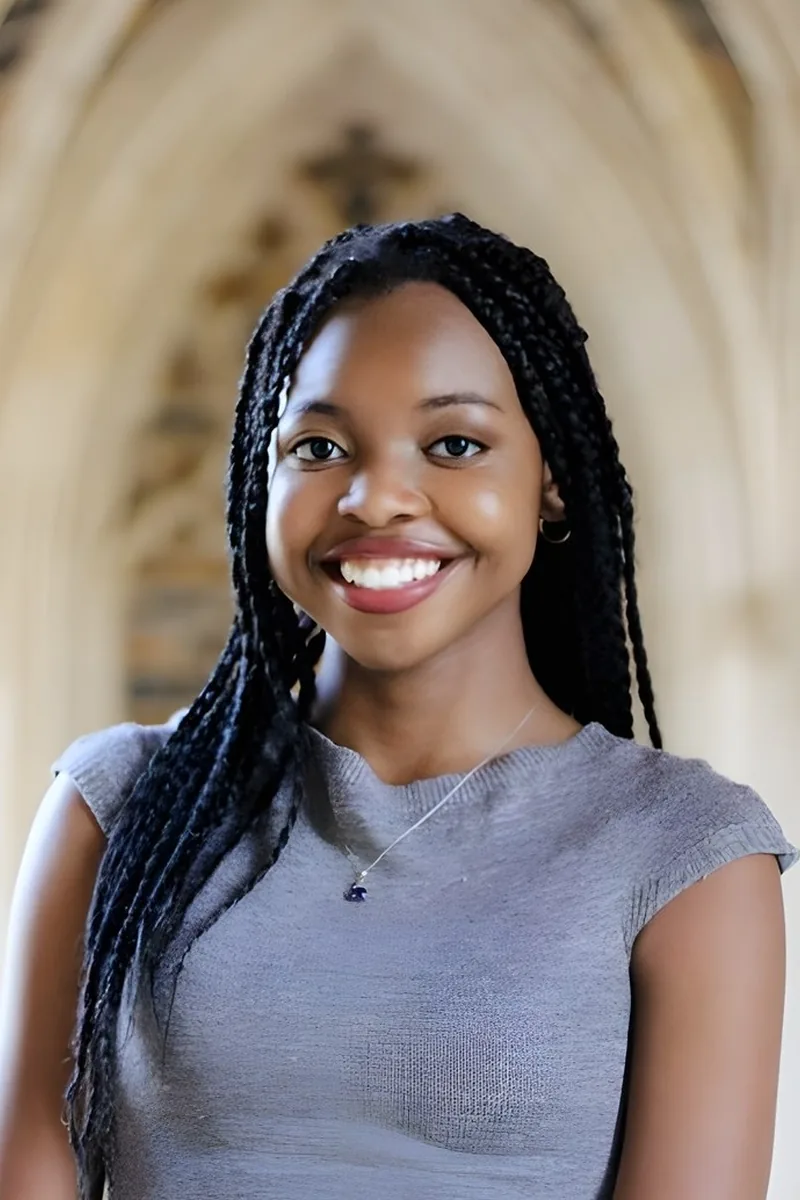
Early reading milestones like phonics, sight words, and reading fluency look different for every child, and Lenique tailors her approach to where each young reader actually is. She's worked with students as young as kindergarten and understands how to make decoding and comprehension practice feel like a game rather than a chore.
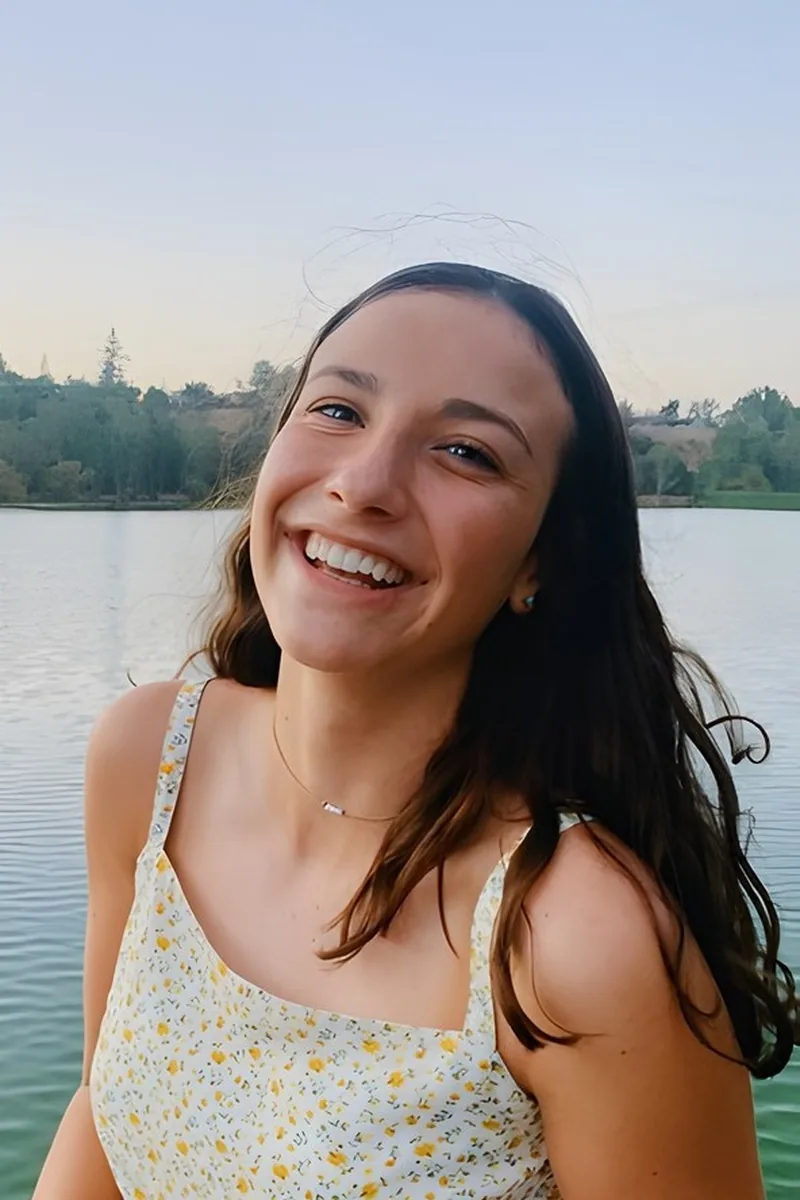
Early readers build confidence when they can decode unfamiliar words and actually understand what a paragraph is telling them — not just sound it out. Rachael breaks reading into manageable pieces, connecting phonics patterns to comprehension strategies like predicting, summarizing, and identifying a story's main idea. Her organized, low-pressure style keeps young learners engaged rather than frustrated.
I am currently a Senior at Florida Atlantic University, pursuing a Bachelor of Arts in English with honors. I have gained valuable experience teaching a diverse range of subjects. I have had the opportunity to teach writing, reading, critical thinking, and beginner's Spanish to students from grade 6 through undergraduate college. This experience has honed my communication and instructional skills, allowing me to engage with students of various age groups and learning styles. I am excited to continue applying my skills and interests as a tutor because I planning to pursue my PhD in literature after graduating with the goal to become a professor. I am committed to contributing meaningfully to the fields of literature, education, and language.
I am a graduate of Siena College in Loudonville, NY. I received my Bachelor of Science in Marketing and Management. I have two children that I have homeschooled for eight years. We have used many different curriculums and tried many different teaching styles. That is the beauty of homeschooling! We can change tactics and find what works at that time. I started a homeschool co-op, and I was the director and tutor for 6 years. I am now a tutor at a homeschool co-op in South Carolina. I was also a substitute teacher at a public school. I tutor many subjects, but I specialize in reading for young children and children struggling with reading. I believe in the above-at-below reading method. A child needs you to read to them above their reading level, with you at their reading level, and they should read independently below their reading level. This helps build confidence and works great, especially for young or struggling readers. I also teach history and science and have experience with classical education.
Phonics patterns, sight words, and reading fluency each require a different kind of practice, and Ingrid tailors her approach depending on where a young reader is gaining confidence. Her patience and structured teaching style — honed through leading hands-on workshops for undergraduates at Northwestern — translate well to working with elementary-age learners building early literacy skills.
Early reading confidence often comes down to one thing: whether a child feels safe stumbling through a tricky passage out loud. Solange pairs phonics and vocabulary work with stories that actually interest kids, turning decoding practice into something closer to a conversation than a drill. Her background as an avid reader and writer gives her a deep library of texts to pull from at every level.
Three years of elementary classroom teaching taught Arielle exactly where young readers stall — whether it's fluency, vocabulary, or comprehension of what they just read. She connects decoding skills to meaning-making so students aren't just pronouncing words but actually understanding stories and informational texts. Her Child Development training from Yale informs how she adapts strategies for each reader's developmental stage.
Early readers need someone patient enough to sit with a tricky word and turn it into a small victory. Agustin breaks phonics patterns and sight words into manageable chunks, building fluency through repetition that feels like a game rather than a chore. His experience across multiple languages gives him an intuitive sense for how young learners process sounds and letter combinations.
Early reading skills like phonics, fluency, and basic comprehension set the trajectory for everything that comes after in school. Sugi's cognitive science degree from Rice included extensive study of how the brain acquires language, giving her practical insight into why some students struggle with decoding or retention — and what specific techniques actually move them forward.
Young readers build confidence when someone sits with them through the tricky parts — decoding unfamiliar words, making predictions about what happens next, and connecting a story's events to their own experiences. Alice's background as a K-12 math center instructor taught her how to match explanations to a child's level, and she brings that same patience and adaptability to reading comprehension and fluency.
Object-based learning — examining a picture, artifact, or illustration before diving into text — is one of the most effective ways to build reading skills in younger students. Mimi developed this technique through years of museum education work and refined it during her master's program at Harvard. She applies it to phonics, vocabulary, and comprehension so that early readers connect words to meaning, not just sound.
Early reading clicks when a child connects phonics and vocabulary to stories they actually care about. Skyler's background spans multiple languages and literatures, giving her a sharp sense of how decoding, fluency, and comprehension build on each other. She makes reading practice feel less like a chore by matching books and passages to each student's interests.
Before a student can analyze a novel, they need to decode vocabulary in context, make predictions, and distinguish main ideas from supporting details. Erinrose's years teaching English across grade levels — from Philadelphia public schools to a Connecticut prep school — mean she knows how to match reading strategies to a child's current skill level and push just beyond it.
Learning to read at the elementary level involves juggling phonics, sight words, fluency, and comprehension all at once — and each child's mix of strengths looks different. Yan identifies which piece needs the most attention and builds targeted practice around it, whether that's decoding multisyllabic words or retelling a story's key events in order. Her four years teaching in elementary classrooms gave her a deep toolkit for making reading click.
Early reading skills — phonics, sight words, fluency, basic comprehension — build on each other in a specific sequence, and a student who's shaky on one step will struggle with the next. Meagen pairs her love of books with structured practice, choosing engaging texts at the right level and asking questions that build a young reader's ability to predict, summarize, and connect with what they're reading.
Early reading clicks when a child connects decoding skills to actual meaning — sounding out words matters, but so does understanding what a sentence is saying. Julia's mentoring work with elementary students gave her practice making that bridge, using context clues, picture cues, and guided questions to build both fluency and comprehension at the same time. She's patient and adaptive, adjusting her approach based on what each reader needs.
Testimonials
Because the right Elementary School Reading tutor makes all the difference.
Average Session Rating – Based on 3.4M Learner Ratings
Nearby Elementary School Reading Tutors
Other Charleston Tutors
Related English Tutors in Charleston
Frequently Asked Questions
Many elementary readers struggle with phonics foundations, fluency, and comprehension—especially when transitioning from learning to read to reading to learn. Students may also have difficulty with sight word recognition, understanding context clues, or staying engaged with longer texts. A personalized reading tutor can identify exactly where a student is struggling and build targeted strategies to address those specific gaps.
Varsity Tutors connects you with expert tutors who assess your child's current reading level, identify areas for improvement, and create a customized learning plan. Tutors use evidence-based strategies like guided reading, phonemic awareness practice, and comprehension questions to build confidence and skills. Sessions are tailored to your child's pace and learning style, with regular progress monitoring to ensure steady growth.
Expert tutors teach elementary readers strategies to actively engage with texts—like making predictions, asking questions while reading, and connecting stories to their own experiences. They help students identify main ideas, understand character motivations, and discuss themes in age-appropriate ways. With personalized instruction, students develop stronger comprehension skills and learn to think critically about what they read.
The first session is focused on getting to know your child and understanding their reading abilities, interests, and challenges. A tutor will likely do some informal assessment—asking your child to read aloud, answer comprehension questions, and discuss their favorite books—to establish a baseline. This information helps the tutor design a personalized plan that builds on your child's strengths and addresses their needs.
Yes. Reading fluency—the ability to read smoothly and with expression—develops through repeated, supported practice with texts at the right level. Tutors use techniques like repeated reading, echo reading, and choral reading to build speed and automaticity while keeping reading enjoyable. As fluency improves, students typically gain confidence and are more willing to tackle new and challenging books.
Varsity Tutors connects you with tutors who have strong backgrounds in elementary education, reading instruction, or related fields. Many have formal training in literacy development, phonics, and comprehension strategies. All tutors are carefully selected and vetted to ensure they can provide expert, personalized instruction tailored to each student's needs.
Reading together daily—even for 15-20 minutes—makes a huge difference. Let your child choose books they're interested in, ask them questions about the story, and celebrate their progress. Your tutor can recommend specific strategies and books matched to your child's level, plus suggest ways you can reinforce lessons between sessions. Consistent home support combined with personalized tutoring accelerates growth.
Tutoring rates vary based on factors like tutor expertise, session length, and frequency. Varsity Tutors works with families to find options that fit their budget and schedule. Contact us to discuss your child's needs and get a personalized quote—many families find that the targeted progress from personalized instruction is a worthwhile investment in their child's academic foundation.
Let’s find your perfect tutor
Answer a few quick questions. We’ll recommend the right plan and match you with a top 5% tutor.