Award-Winning AP Spanish Literature and Culture Tutors
serving Charleston, SC
AP Spanish Literature and Culture
Tutors in Charleston
Private 1-on-1 tutoring, weekly live classes for academic support, test prep & enrichment, practice tests and diagnostics, and more to elevate grades and test scores.
Based on 3.4M Learner Ratings
UniversitiesSchools & Universities
DeliveredHours Delivered
ProficiencyGrowth in Proficiency
Who needs tutoring?
No obligation. Takes ~1 minute.
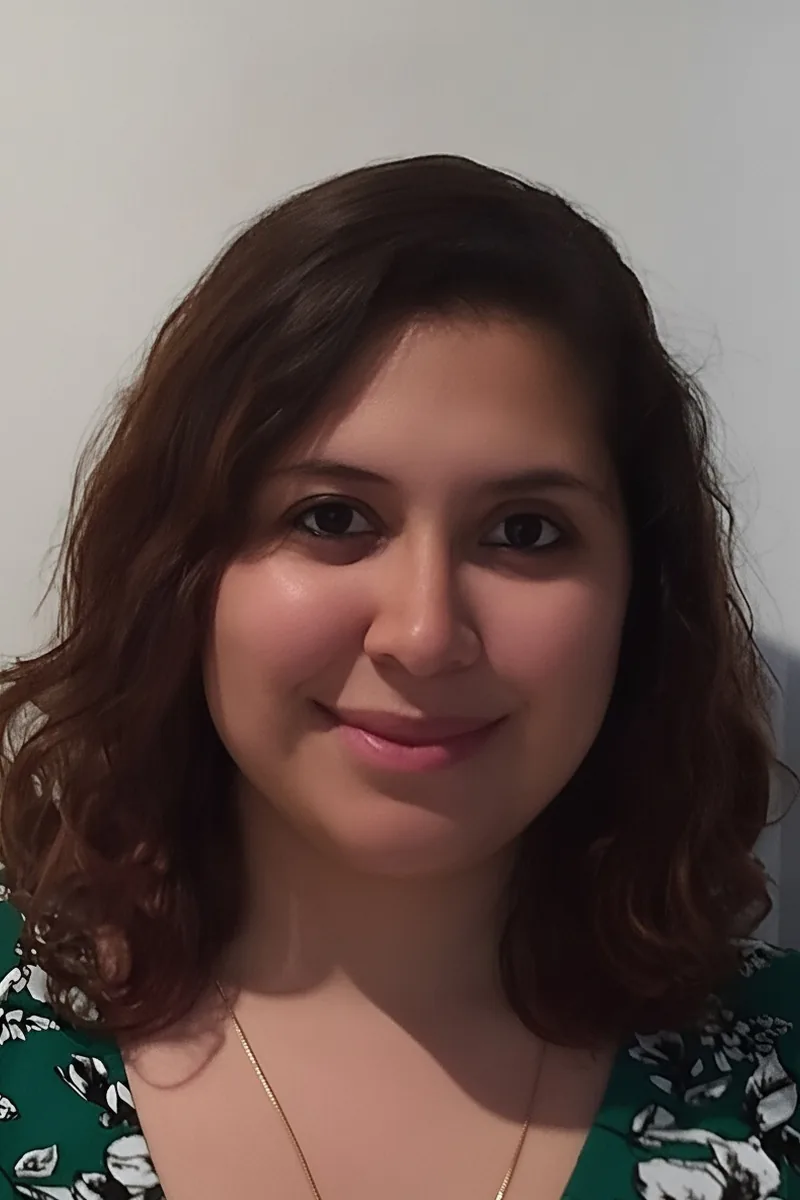
Adriana's biochemistry and history double major at Rice might seem unusual preparation for literary analysis, but dissecting historical arguments and scientific texts in two languages built exactly the kind of rigorous close-reading this exam rewards. Fluent in Spanish and holding a 5.0 tutoring rating, she walks students through the timed analytical essay process — constructing thesis-driven arguments about works on the AP reading list entirely in Spanish, with attention to both literary devices and the cultural contexts behind them.
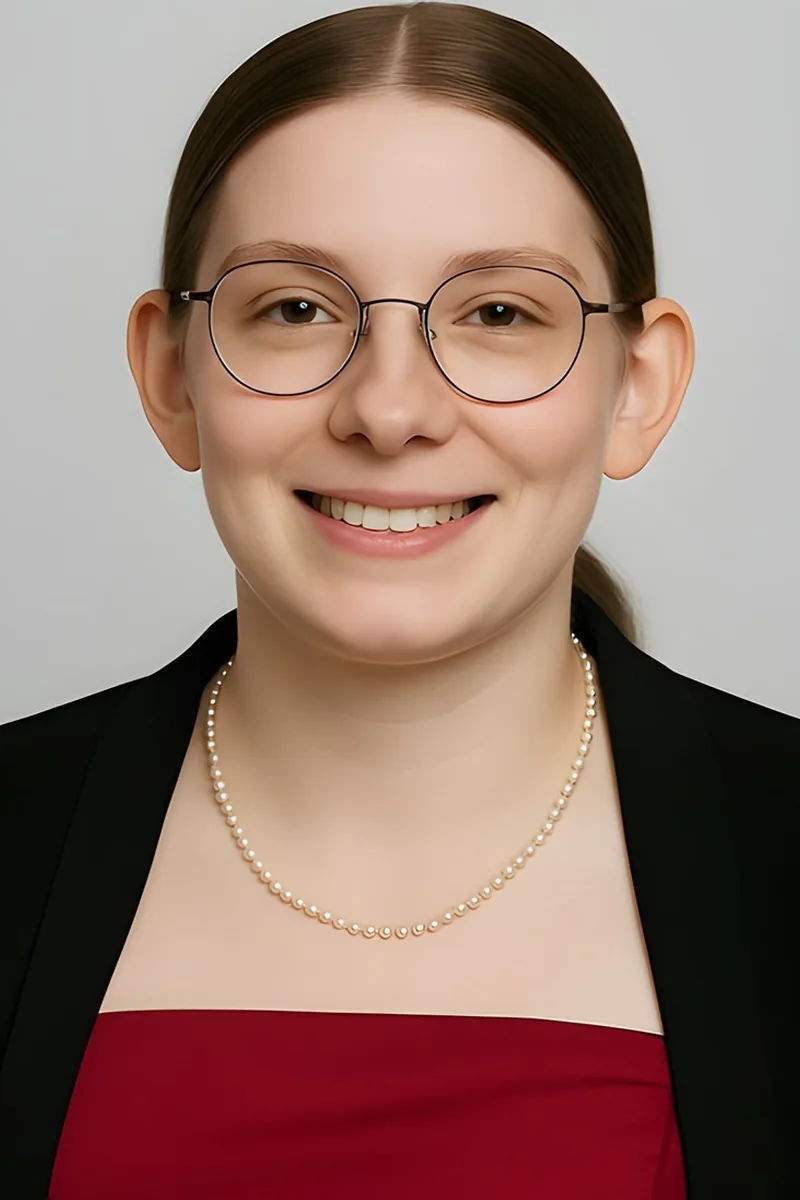
Honestly, AP Spanish Literature and Culture isn't Courtney's deepest specialty — her Spanish minor and SAT Spanish Subject Test tutoring give her solid language skills, but this exam's literary canon demands a level of cultural and analytical depth that goes beyond language proficiency alone. For students who need help with the foundational Spanish reading and writing fluency that supports literary analysis, or who want structured practice organizing timed essays, her 34 ACT and 5.0 rating reflect serious analytical chops she can apply to argument construction and textual evidence work.
This isn't Vivian's core subject — her strengths center on standardized test prep and English — but her 36 ACT and 4.9 rating speak to the analytical rigor she brings to any text-based exam. For students who already have solid Spanish fluency and need help with the structural side of timed literary essays (building a thesis, organizing evidence, writing under pressure), her test-taking instincts translate well to the AP free-response format.
Elliot's training is in neuroscience and cognitive science, not Spanish literature — so this is a peripheral subject for him. That said, his PhD-level analytical skills and experience teaching writing and essay construction mean he can coach students on the structural mechanics of timed literary essays: building a thesis, organizing textual evidence, and arguing a point clearly under pressure.
Studying political science sharpened Claire's ability to read texts as arguments — identifying how authors use structure, rhetoric, and cultural context to advance a point of view, which is exactly the analytical muscle the AP Spanish Literature free-response essays test. She tutors across four levels of both Spanish and French, so she's comfortable conducting literary discussion and essay practice in the target language. Rated 5.0 by students.
Before college, Heather's high school Spanish teacher trusted her enough to refer another student to her for one-on-one tutoring — the kind of endorsement that speaks to genuine command of the language beyond classroom basics. Her psychology training adds a useful angle for AP Literature essays where character motivation and identity themes drive the analysis, and she brings patient, structured coaching to students who get overwhelmed by timed writing in Spanish. Rated 5.0 by students.
Spanning Spanish 1 through AP-level coursework and the SAT Subject Test in Spanish with Listening, Alma has built her tutoring practice around the language from every angle — grammar, conversation, reading, and writing. For this exam specifically, her creative writing and essay editing experience shapes how she coaches timed literary analysis essays, teaching students to move from a raw reading of a passage to a focused, thesis-driven argument written entirely in Spanish.
Medical school and AP Spanish Literature don't obviously connect — but Arianna's behavioral neuroscience degree with a Spanish minor means she spent years reading and writing analytically in Spanish while also studying how people process language and narrative. That combination sharpens how she teaches students to construct timed literary essays, particularly when unpacking character psychology and identity themes in works across the AP reading list. Rated 5.0 by students.
Growing up schooled in Mexico means Alfonso didn't just learn Spanish — he absorbed the literary and cultural traditions that underpin the AP reading list, from colonial-era texts to modern Latin American prose. His years of formal Spanish-language education give him native-level reading and writing fluency that sharpens how he teaches students to construct analytical essays entirely in Spanish, grounding arguments in the cultural contexts he experienced firsthand.
Growing up as a native Spanish speaker and writer while simultaneously studying English literature and theater at Bowdoin gave Alex an unusual double fluency — literary analysis skills honed in two languages at once, which is precisely what this exam's timed essays in Spanish demand. His graduate work in biology might seem unrelated, but the evolutionary and bioanthropological lens he brings to questions of cultural identity and human experience adds unexpected depth when unpacking themes in reading list works from Quiroga to Allende. Rated 4.8 by students.
A cellular and molecular biology major might seem like an unlikely fit for this exam, but Isaac's 35 ACT and his coursework in AP Spanish give him the analytical reading skills and structured argumentation that the free-response essays demand — thesis construction, evidence selection, and writing under time pressure. For students who already have strong Spanish fluency and need someone to sharpen the mechanics of timed literary analysis, his science-trained precision translates surprisingly well.
Medical school sharpens one skill that translates surprisingly well to AP Spanish Literature: reading dense, complex material under pressure and extracting exactly what matters. Brianna's biology degree and Spanish tutoring experience give her the language foundation, while her test-taking discipline (1490 SAT, 32 ACT) carries over to coaching students on structuring timed analytical essays where clear argumentation counts more than literary flourish. This isn't her deepest subject, but for students who need help with the mechanics of building an evidence-based essay under exam conditions, her systematic approach fills a real gap.
Testimonials
Because the right AP Spanish Literature and Culture tutor makes all the difference.
Average Session Rating – Based on 3.4M Learner Ratings
Nearby AP Spanish Literature and Culture Tutors
Other Charleston Tutors
Related Languages Tutors in Charleston
Frequently Asked Questions
AP Spanish Literature and Culture focuses on reading, analyzing, and interpreting Spanish-language literary texts from Spain and Latin America across six thematic units: families and communities, personal and public identities, fairness and social justice, beauty and aesthetics, science and technology, and contemporary life. Students study novels, short stories, poetry, and drama while developing cultural understanding and advanced Spanish proficiency. The exam tests reading comprehension, essay writing, and oral communication skills through multiple-choice questions, free-response essays, and a spoken presentation.
Personalized 1-on-1 instruction allows tutors to focus on your specific challenges—whether that's analyzing poetic devices, understanding regional dialects, or organizing compelling essays within time constraints. Tutors can create targeted study plans around the six thematic units, provide feedback on your written responses, and help you develop strategies for tackling the multiple-choice section efficiently. For students in Charleston preparing for this demanding exam, working with an expert tutor accelerates your ability to recognize literary patterns and express complex ideas in Spanish.
Many students struggle with the breadth of required texts—understanding cultural context, historical references, and regional Spanish variations takes time and focused study. The free-response essay section is particularly challenging because it demands both strong analytical thinking and fluent, error-free Spanish writing under timed conditions. Additionally, the oral component requires students to discuss literary themes conversationally, which can be intimidating if you're not regularly speaking Spanish at an advanced level. A tutor can help you build confidence in each of these areas through targeted practice and constructive feedback.
Score improvement depends on your starting point and how consistently you engage with tutoring and independent study. Students who work with a tutor 1-2 times weekly and complete assigned practice typically see meaningful gains—often 1-2 points on the 1-5 AP scale—within 2-3 months of focused preparation. The biggest improvements come from identifying your specific weak areas (essay structure, vocabulary retention, cultural analysis) and systematically addressing them. Realistic expectations matter: reaching a 4 or 5 requires deep understanding of texts and polished writing skills, but tutors can help you maximize your score by test day.
The exam is divided into two sections: the multiple-choice and short-answer section (80 minutes) and the free-response essays and oral presentation (100 minutes). For multiple-choice, you should spend roughly 45-50 minutes reading passages and answering questions, leaving time to review. For essays, allocate 5-10 minutes per essay for planning and outlining before writing—this prevents rushed, disorganized responses. Expert tutors can help you practice under timed conditions, develop a pacing strategy that works for your reading speed, and teach you how to quickly identify key literary elements without getting bogged down in every detail.
Varsity Tutors connects you with tutors who have deep expertise in Spanish literature, cultural studies, and AP exam preparation. When you're matched with a tutor, you'll work with someone who understands the specific demands of this exam—including how to teach literary analysis in Spanish, guide essay development, and build your confidence for the oral component. You can discuss your timeline, learning style, and specific goals during your first session to ensure the tutoring relationship supports your path to exam day success.
The official College Board AP Spanish Literature and Culture exam description and released exam questions are essential starting points. You should also read the required literary texts thoroughly and use study guides that provide cultural context and literary analysis. Practice essays under timed conditions are crucial—aim to write at least 10-15 full essays before test day to develop fluency and accuracy. A tutor can recommend quality practice resources, review your practice essays for clarity and grammar, and help you identify patterns in the types of questions that challenge you most.
Test anxiety often stems from uncertainty about your preparation or unfamiliarity with the exam format. Working through full practice exams with a tutor, getting detailed feedback, and reviewing your mistakes systematically builds genuine confidence—not false reassurance. Tutors can also teach you stress-management strategies specific to timed writing, help you recognize when you're overthinking a question, and remind you of your strengths when self-doubt creeps in. By test day, having practiced extensively and received expert guidance, you'll feel more prepared and capable of handling the exam's demands.
Let’s find your perfect tutor
Answer a few quick questions. We’ll recommend the right plan and match you with a top 5% tutor.