Award-Winning Spanish Tutors
serving Oklahoma City, OK
Spanish
Tutors in Oklahoma City
Private 1-on-1 tutoring, weekly live classes for academic support, test prep & enrichment, practice tests and diagnostics, and more to elevate grades and test scores.
Based on 3.4M Learner Ratings
UniversitiesSchools & Universities
DeliveredHours Delivered
ProficiencyGrowth in Proficiency
Who needs tutoring?
No obligation. Takes ~1 minute.
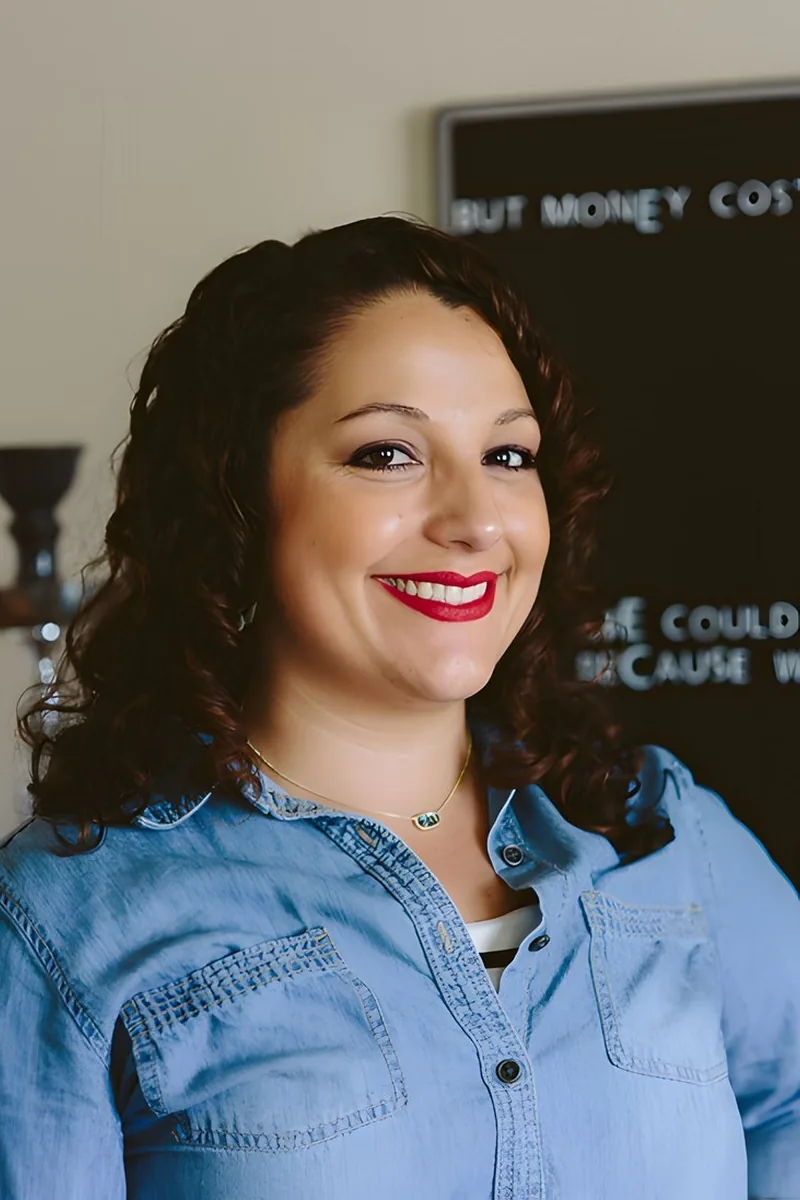
Learning Spanish grammar often clicks when someone explains the underlying logic — why ser and estar aren't interchangeable, or how the subjunctive mood signals doubt rather than fact. Marisa teaches across four levels of Spanish coursework and pairs that language knowledge with a writer's attention to how sentences actually work.
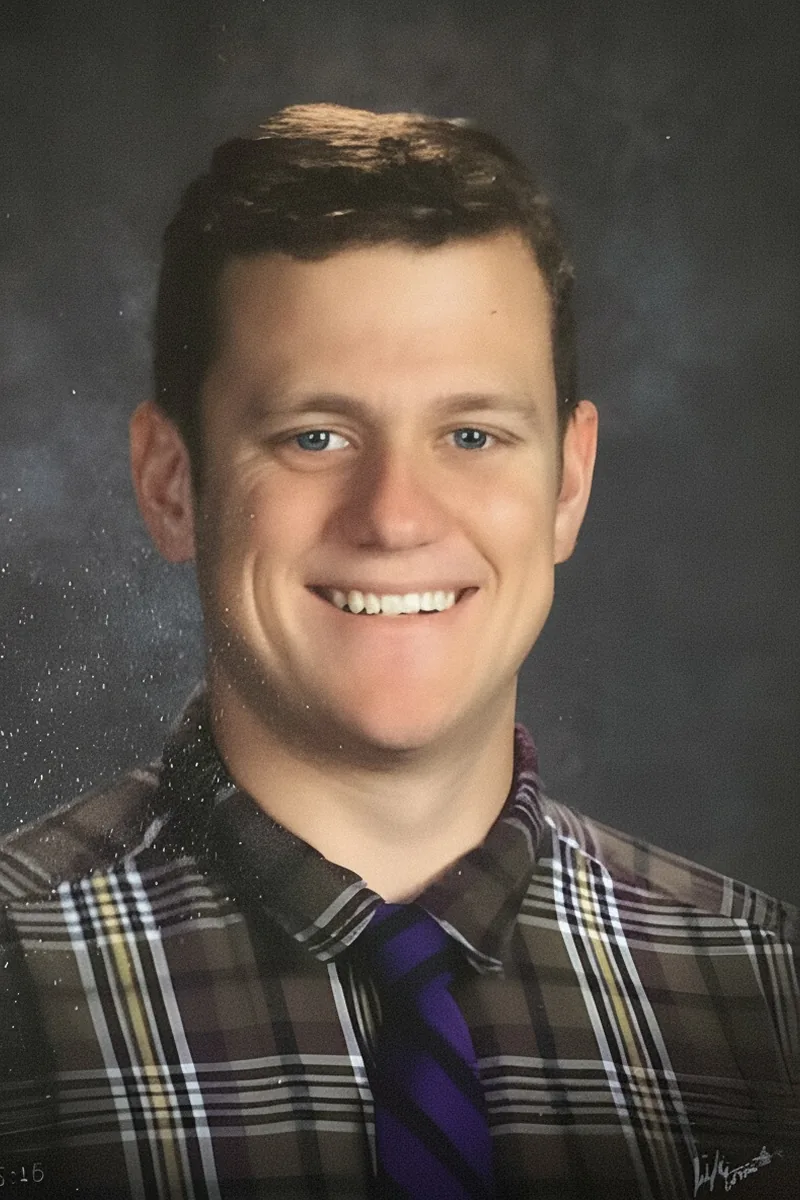
I am excited to be working with Varsity Tutors. I currently teach middle and high school social studies at Bishop Dunne Catholic School in Dallas. I teach 8th Grade US History, Spanish 3, AP Microeconomics, and Economics. I also have experience tutoring middle school Math while in college.
Being bilingual from childhood — Lina grew up speaking both English and Spanish — means she understands the subtle places where the two languages collide, from false cognates to the way ser and estar split a concept English handles with one verb. Her industrial engineering training at Oklahoma also gives her a structured, process-oriented way of teaching grammar that makes conjugation patterns and sentence-building feel systematic rather than overwhelming. Rated 4.8 by students.
Richard tackles Spanish by tying grammar and vocabulary to real-world usage — explaining why the subjunctive matters in everyday conversation, not just on a conjugation chart. His experience across multiple levels of Spanish coursework, including AP-level literary analysis, means he can adapt whether a student is wrestling with ser vs. estar or navigating complex clause structures.
Lily tackles Spanish grammar the way she'd approach an engineering problem — systematically. She walks students through verb conjugation patterns, pronoun placement, and sentence structure with clear rules and plenty of practice, making topics like preterite vs. imperfect feel less like guesswork and more like a logical system.
Having studied through Spanish 3 and beyond, Joseph knows firsthand where students tend to stumble — verb conjugation patterns, the subjunctive mood, and keeping ser and estar straight under pressure. He approaches grammar as a system with predictable logic rather than a pile of exceptions to memorize, which makes each new tense feel like an extension of what a student already knows.
I am a student at Columbia University studying History & American Studies! While in high school, I completed the International Baccalaureate program and took various Advanced Placement courses. At Columbia I have worked with various public defense organizations as an advocate, investigator, and research assistant. I also volunteer as a tutor on campus, in the New York community, and even on Rikers Island. I am passionate about helping students from all backgrounds develop their writing, reading, presentation, and test-taking skills that will translate to all aspects of their education!
Teaching elementary school in diverse classrooms gave Victoria daily practice communicating in Spanish with students and families, and she carries that real-world fluency into her tutoring. She covers verb conjugations, reading comprehension, and written composition across Spanish 1 through 4, adjusting complexity to wherever a student currently sits in the sequence.
Medical school at Baylor means Sugi regularly encounters Spanish-speaking patients and medical terminology rooted in Latin — a context that sharpens her ear for vocabulary patterns and grammatical structures in ways a standard classroom can't replicate. Her cognitive science background from Rice also gives her a research-backed understanding of how the brain acquires new languages, so she tailors practice around the memorization and retrieval techniques that actually stick. Rated 5.0 by students.
Lucas teaches Spanish with an emphasis on building conversational confidence alongside grammatical structure — verb conjugations, pronoun placement, and sentence formation in real-world contexts. His experience with ESL learners gives him a sharp sense of how language acquisition actually works, which he applies in reverse when English speakers are tackling Spanish.
Pre-law coursework at Vanderbilt means Kit spends most of his time building arguments, analyzing texts, and writing persuasively — skills that transfer surprisingly well to learning a second language, where reading comprehension and grammatical precision matter just as much. He tackles Spanish grammar and vocabulary with the same structured, detail-oriented approach he applies to political science, breaking down sentence construction and verb forms into clear, logical steps.
Studying Latin American history at Duke meant Jean spent years reading Spanish-language primary sources — colonial documents, political speeches, literary texts — and building fluency that goes well beyond classroom drills. She teaches grammar and vocabulary in context, connecting verb tenses and sentence structures to how Spanish is actually used in writing and conversation.
Tony earned his bachelor's degree in Spanish and continued using the language throughout his Latin American Studies master's program, so his command of the language spans academic writing, literary analysis, and everyday conversation. He tackles tricky grammar concepts like the subjunctive mood and ser-versus-estar distinctions by grounding them in real usage patterns rather than rote conjugation charts. Rated 5.0 by students.
Foundational vocabulary and verb conjugations matter, but Dylan pushes students to actually use Spanish before they feel fully ready — because that productive discomfort is where fluency grows. He's lived and traveled extensively in Spanish-speaking communities, which means he teaches not just textbook grammar but the idiomatic expressions and cultural context that make the language real.
Isaiah teaches Spanish with an emphasis on building real comprehension, not just conjugation drills. Whether a student is wrestling with the subjunctive mood or struggling to keep preterite and imperfect straight, he connects grammar rules to how Spanish is actually spoken and written. He covers Spanish 1 through 3 and scored high enough on the SAT Subject Test in Spanish with Listening to tutor it.
Earning a certificate of advanced language in Spanish at Yale means Maxwell doesn't just know the grammar rules — he uses the language daily in academic and social contexts. He breaks down tricky concepts like subjunctive mood triggers and ser vs. estar distinctions by connecting them to how native speakers actually think about meaning. Rated 5.0 by students.
Matt minored in Spanish during his undergraduate studies and has carried the language through multiple levels of coursework, from foundational grammar to advanced composition. He tackles tricky areas like subjunctive mood, ser versus estar distinctions, and preterite-imperfect contrasts by linking each rule to real usage patterns rather than rote conjugation charts. Rated 5.0 by students.
Tutoring at a bilingual orphanage in Peru gave Priscilla hands-on experience teaching in Spanish outside a classroom setting, where clear communication mattered more than perfect textbook answers. She channels that practical exposure into building students' confidence with vocabulary, reading comprehension, and everyday conversation skills.
Natalie minors in Spanish at Penn and has studied through advanced-level coursework, giving her a strong command of grammar, verb tenses, and conversational fluency. She tackles tricky concepts like the subjunctive mood and ser-versus-estar distinctions by connecting them to patterns students already recognize in English. Her approach keeps vocabulary and grammar practice grounded in real usage rather than rote conjugation charts.
Testimonials
Because the right Spanish tutor makes all the difference.
Average Session Rating – Based on 3.4M Learner Ratings
Nearby Spanish Tutors
Other Oklahoma City Tutors
Related Languages Tutors in Oklahoma City
Frequently Asked Questions
Your first session is an opportunity to get to know your tutor and establish goals. The tutor will assess your current level across reading, writing, speaking, and listening to understand where you stand—whether you're building foundational vocabulary, working through grammar concepts, or refining conversational fluency. From there, you'll develop a personalized plan that targets your specific needs and timeline.
In a classroom of 20+ students, you might speak Spanish for just a few minutes per class. With personalized tutoring, you get dedicated speaking practice every session—your tutor responds to you in real time, corrects pronunciation naturally, and creates conversations around topics you care about. This consistent, focused speaking practice is one of the most effective ways to build confidence and fluency that classroom instruction alone can't provide.
Verb conjugation and grammar rules can feel overwhelming when learned as isolated rules. Expert tutors break these concepts into manageable pieces, show you patterns, and then have you practice them in real sentences and conversations so the grammar sticks naturally. Rather than memorizing conjugation charts, you learn how verbs actually work in context—which helps you retain and apply them.
Vocabulary retention improves dramatically when words are learned in context and used repeatedly in conversation. Your tutor can introduce new words through topics you're interested in, have you use them immediately in sentences, and circle back to them in future sessions using spaced repetition—a proven learning technique. This approach is far more effective than flashcard drilling alone.
Yes—this is one of the biggest advantages of personalized instruction. Your tutor can listen to how you pronounce words, identify specific sounds that need work (like the Spanish 'r' or the difference between 'z' and 'c'), and give you immediate feedback and modeling. Over time, consistent practice with a tutor who speaks Spanish fluently helps you develop clearer pronunciation and more natural-sounding speech.
Many tutors weave cultural context into lessons because language and culture are inseparable. Understanding Spanish-speaking cultures—their history, traditions, media, and everyday life—makes the language more meaningful and helps you communicate authentically. Your tutor can tailor cultural content to your interests, whether that's literature, film, current events, or travel.
If you're in a Spanish class at one of Oklahoma City's 176 schools, your tutor can align sessions with what you're learning in class—reinforcing grammar concepts, preparing for tests, or diving deeper into reading and writing assignments. If you're learning Spanish outside of school, your tutor designs a curriculum around your goals, whether that's conversational fluency, test prep, or professional proficiency.
Conversational fluency depends on your starting point and how often you practice. Generally, consistent 1-on-1 tutoring combined with personal study can help you reach basic conversational ability within several months, though developing professional-level proficiency typically takes longer. Your tutor will set realistic milestones based on your current level and help you track progress along the way.
Let’s find your perfect tutor
Answer a few quick questions. We’ll recommend the right plan and match you with a top 5% tutor.