Award-Winning Physiology Tutors
serving Youngstown, OH
Physiology
Tutors in Youngstown
Private 1-on-1 tutoring, weekly live classes for academic support, test prep & enrichment, practice tests and diagnostics, and more to elevate grades and test scores.
Based on 3.4M Learner Ratings
UniversitiesSchools & Universities
DeliveredHours Delivered
ProficiencyGrowth in Proficiency
Who needs tutoring?
No obligation. Takes ~1 minute.
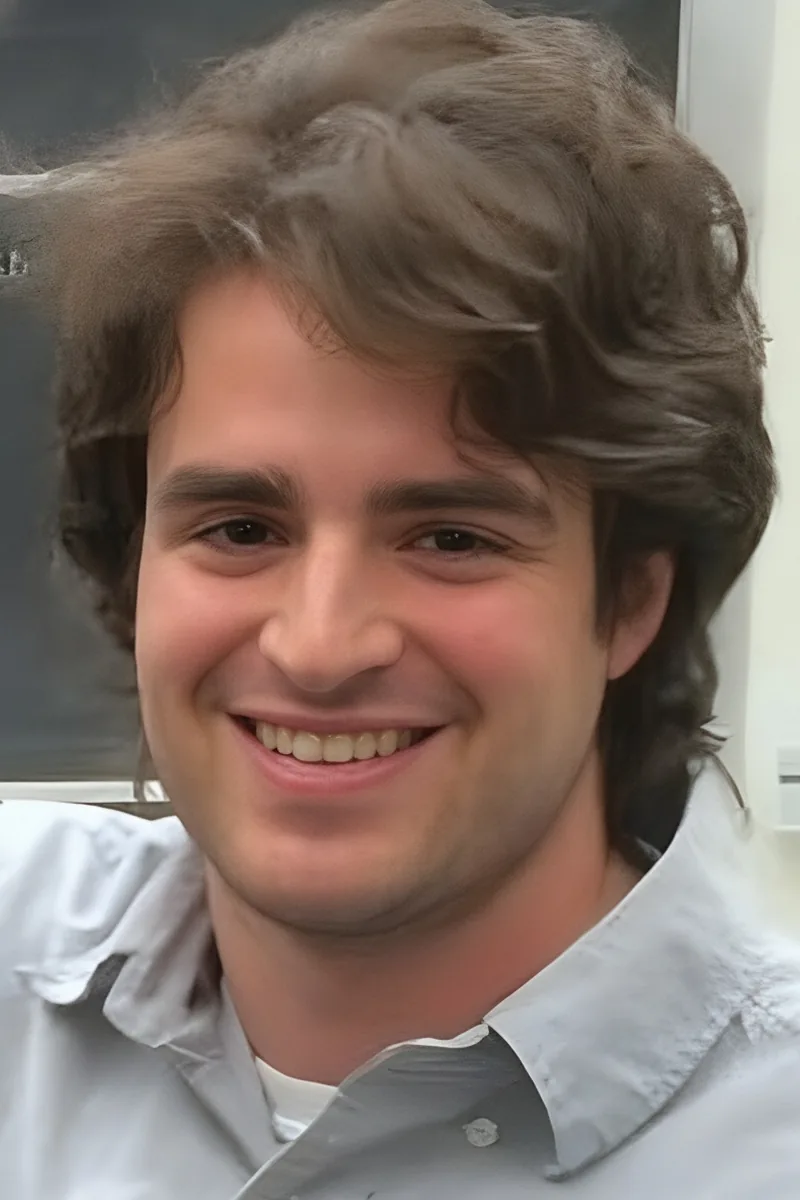
Nikolas earned his Exercise Science degree at Ohio State studying exactly how the body regulates itself — cardiac output, gas exchange, renal filtration, neuromuscular signaling. That background means he teaches physiology as interconnected systems, not isolated chapters, connecting topics like the Frank-Starling mechanism to broader homeostatic principles. He holds a 5.0 client rating.
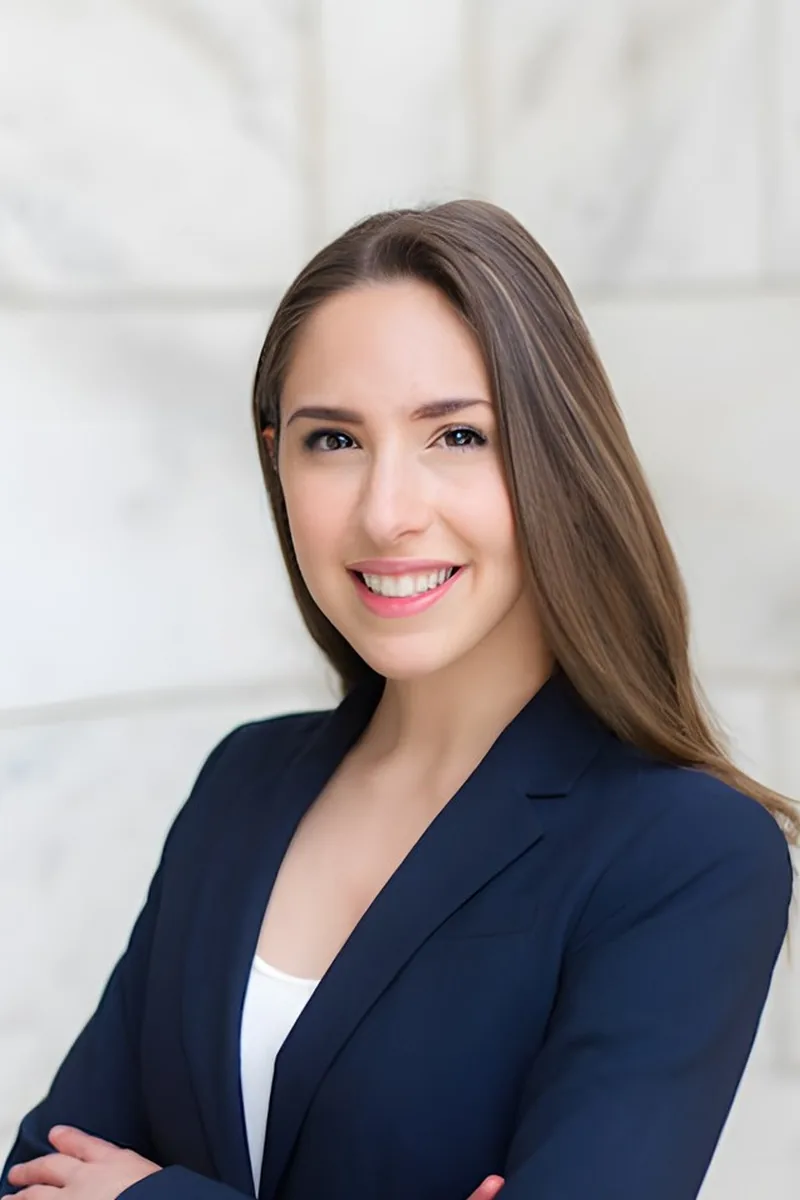
Understanding physiology means tracing cause and effect across organ systems — how a drop in blood pressure triggers the renin-angiotensin pathway, or why ventilation-perfusion mismatch leads to hypoxemia. Camille is a medical student heading into surgical training at NYU, so she unpacks these mechanisms with the clinical precision that makes complex feedback loops intuitive.
I am an upbeat and patient tutor. I like to make learning as fun as possible, and I'm constantly learning new things.
I'm in my final year of medical school and have an interest in specializing in Oncology. I did my undergraduate degree in Biology with a minor in Chemistry and a concentration in Pre-Professional Healthcare. I love to teach Biology, Chemistry, Anatomy, Biochemistry, Physiology, Microbiology, Pharmacology and Pathology. My teaching style relies heavily on the use of visual aids to help my students understand concepts in a 3D plane! In my free time I like to partake in boxing, play tennis, basketball and read mystery fiction novels. I hope that I can assist you in your future academic needs!
I am currently a P1 pharmacy student. I have had numerous opportunities to tutor students of various ages primarily in subjects that pertain to my program of study, especially chemistry. Throughout my years of study, I have come to the realization that only after meticulous examination of all the possible scenarios and exceptions of a particular phenomenon can we recognize patterns that may have facilitated our initial attempt to understand it in the first place. As a tutor, I hope to serve as a guide that aids students in discerning such patterns and integrating concepts to achieve a thorough and holistic understanding of the subject being studied. Besides tutoring, I enjoy playing the piano and cello, biking, and reading.
Dominic Theodore graduated from Ohio university with B.A. in psychology. He then went on to earn an M.S. in anatomy from Wright State University and was president of his graduate class. He served as a tutor and teaching assistant throughout undergrad and graduate school, which he continues currently in medical school. He also worked as an adjunct professor at Ohio University in his gap year, during which he taught anatomy, intro biology, and physiology. He is currently a medical student (MS4) at Wright State University, after which he plans on matching internal medicine and ultimately completing a cardiology fellowship. So far in medical school, he has tutored other med students, was nominated for Outstanding 2nd Year Student, and dedicated much of his free time to volunteering and research. He has also served as a member of his school's admissions committee.
I am currently in my second year of medical school. Because of my diverse academic background, I am able to tutor in a wide range of topics, from Economics and math to Russian and ACT prep.
I am a recent college graduate looking for opportunities to tutor and get involved with education before I attend medical school this fall. I have a bachelor's of science from the University of Akron and my academic areas of focus where I am best prepared to teach are animal and cell physiology, immunology, biochemistry, and preparing for the MCAT. I took the MCAT this past January and am hoping to share some of the techniques that worked for me while the test is still fresh in my mind. For the ACT I would feel comfortable teaching the reading and science sections since those are my strong points.
I am currently working towards my masters degree in education from Cleveland State University. Right now I'm working full time as a research associate at a biotech company in Cleveland, but I've been tutoring part time since my early college years. I've also spent a lot of one-on-one time with students while coaching high school sailing and instructing summer camps.
I am a recent graduate from The Ohio State University with a passion for sharing knowledge with those around me. During my time at Ohio State University I studied the science of Human Nutrition which included courses of Organic Chemistry, Biochemistry, Calculus, Microbiology, Molecular Genetics, Nutrition, and several others. I plan to attend graduate school for a nurse practitioner program beginning in January 2017. I have tutored a variety of a subjects and with all age groups. Most recently I worked with high school aged students in the subjects of science, math, and ACT/SAT test prep. My goal as a tutor is to make learning a fun and applicable experience for everyone! My favorite subjects to tutor are science subjects and ACT prep. Outside of tutoring I enjoy spending my time in nature, reading, and hanging out with friends. I look forward to meeting you!
I am very skilled at tutoring the mathematics and verbal section of the SAT, as well as the Physical and Chemical, CARS and Bio and Biochem sections of the MCAT. I also love teaching chemistry, biochemistry and biology at the highschool, AP or college level.
I am from a suburb of Columbus, OH where I graduated highschool with over a 4.0, played soccer and lacrosse, and was heavily involved in peer collaboration, both in school and out of school, for students with disabilities. I went on to attend the University of Michigan where I graduated Honors in Cellular and Molecular Biology and Applied Statistics. During which time, I lead informal tutor and study groups for my peers in difficult courses such as microbiology, organic chemistry, and biostatistics, to name a few. Since graduating, I have moved back to my hometown where I worked as Data Analyst for roughly 8 months before changing paths and shifting back to medicine where I work now as a Medical Assistant for a local dermatology practice. I plan to get my Master's in Physician Assistant Studies in the new few years.
As a tutor for 20+ years, I bring ample experience and knowledge. I specialize in standardized testing (MCAT, SAT, ACT, GRE, & more), medical school and pre-med courses, and undergraduate STEM subjects. A former medical school student and Master of Public Health, I opted for what truly brings me joy: tutoring, teaching, and guiding students to lifelong academic success.
I am currently working towards a doctorate in medicine from New Jersey Medical School. Throughout high school, college, and graduate school, I have tutored students ranging in age from elementary school to college freshmen in a variety of subjects particularly math and science. My favorite subject to tutor is math because it is very methodical and visual. Having a passion to help others, I am drawn to tutoring for the opportunity to share my knowledge with others. My family and friends have described me as being patient, compassionate, and personableall of the qualities that I believe I bring to my students. Outside of tutoring, I like Notre Dame football, dogs (especially my family's German Shepherd!), yoga, cooking, and reading.
Understanding physiology means tracing cause and effect across organ systems — how a drop in blood pH triggers respiratory compensation, or how ion channels generate an action potential. Amin's biophysics PhD and clinical research at MGH ground his teaching in the molecular mechanisms behind each physiological process, making it easier to reason through unfamiliar scenarios on exams.
Benjamin's pre-med coursework at Duke covered organ-system physiology in depth, from cardiac output and renal filtration to respiratory gas exchange. He unpacks each system by tracing the path a single molecule takes through the body, which turns dense content into a logical sequence rather than a wall of terminology.
Studying therapies for Alzheimer's and Parkinson's disease as a research scientist, Anthony encounters organ-system physiology daily — from neuronal signaling cascades to cardiovascular regulation. He teaches concepts like action potentials, renal filtration, and endocrine feedback loops by connecting textbook diagrams to what actually happens in a working lab.
Understanding physiology means tracing cause and effect through entire organ systems — how a nerve impulse triggers muscle contraction, or how the nephron maintains electrolyte balance. Ian's molecular biology training and medical research career put him right at the intersection of cellular mechanisms and whole-body function, so he can walk students from ion channels all the way up to systemic responses.
Studying how toxins disrupt normal body function means Joseph learned physiology by learning exactly how it breaks. His Cornell training in pharmacology and immunology gave him deep knowledge of organ-system integration — from renal clearance mechanisms to autonomic nervous system signaling. He walks through each system by tying structure to function and then to what happens when that function fails.
Understanding physiology means thinking in systems — how cardiac output depends on stroke volume and heart rate, how nephron function maintains electrolyte balance, how feedback loops regulate hormone release. Krishna's biology degree and pre-med training at Cornell mean she's deeply immersed in these mechanisms and can explain them at the cellular, organ, and whole-body level. Her original research experience through the American Museum of Natural History adds a scientific rigor to how she unpacks complex physiological concepts.
Clinical internships at a transplant institute and abroad in Tanzania gave Eric firsthand exposure to how organ systems function — and malfunction — in real patients. He teaches physiology concepts like cardiac output, renal filtration, and neuronal signaling by grounding them in the chemistry and physics that explain why the body works the way it does.
Studying physiology at Morehouse School of Medicine, Eugene lives inside the material he teaches — cardiac output equations, renal filtration mechanics, and the feedback loops that keep the body in homeostasis. He unpacks each organ system by linking structure to function, so students see the logic behind processes like action potentials or gas exchange rather than treating them as isolated facts.
Studying physiology means understanding how organ systems talk to each other — why a drop in blood pressure triggers the renin-angiotensin-aldosterone system, or how action potentials propagate along a myelinated axon. Daniel's PhD work in neuroscience at Rockefeller gives him deep, research-level fluency with these mechanisms, and his medical training at Weill Cornell ties every concept back to clinical relevance.
Completing premed coursework at NYU while earning a finance degree gave Hanna an unusual double fluency — she thinks about the body's regulatory systems with the same rigor she'd apply to financial models, tracing inputs, outputs, and feedback the way she'd track capital flows. That analytical habit pays off in physiology topics like hormonal feedback loops, cardiac cycle timing, and renal clearance, where students who can follow the logic outperform those who just memorize the steps. Her subsequent classroom teaching experience also means she's practiced at breaking a dense process into smaller, sequenced pieces that actually stick.
Magdi earned his Doctor of Medicine degree, which means he didn't just study physiology from a textbook — he applied it in clinical contexts where understanding renal filtration, cardiac cycles, and endocrine feedback loops actually mattered. He unpacks complex organ system interactions by connecting each mechanism to what a student can observe in their own body.
Testimonials
Because the right Physiology tutor makes all the difference.
Average Session Rating – Based on 3.4M Learner Ratings
Other Youngstown Tutors
Related Science Tutors in Youngstown
Frequently Asked Questions
Varsity Tutors matches Youngstown students with expert Physiology tutors for 1-on-1 instruction. We pair each student with a tutor based on their specific needs, learning style, and goals.
Whether you need homework help, exam prep, or want to get ahead, our Physiology tutors are ready to help.
Common challenges include gaps from earlier material, difficulty with specific concepts, and trouble applying learning to new problems. These issues can snowball quickly in Physiology.
A tutor identifies where you're stuck, fills in gaps, and provides targeted practice. The 1-on-1 format means you get help exactly where you need it.
Tutors work with your student's actual coursework—homework assignments, class notes, and upcoming tests. This keeps tutoring directly relevant to what's happening in the classroom.
When you share information about your student's school and curriculum, we can match you with a tutor who has relevant experience.
All tutors complete background checks, credential verification, and teaching evaluation. Many of our Physiology tutors hold advanced degrees or have years of teaching experience.
You can review tutor profiles to find someone with the right background for your student's level and needs.
Many students see improved grades within a few weeks, along with better understanding of Physiology concepts and more confidence tackling challenging material.
Tutors track progress and adjust their approach to ensure continued improvement.
Most students benefit from 1-2 sessions per week. More frequent sessions help if your student is significantly behind or has an important exam coming up.
Your tutor can recommend a schedule based on your student's specific situation and goals.
Tutoring is purchased in packages of hours, with rates varying by tutor experience. Varsity Tutors offers several options to fit different budgets and needs.
You can discuss pricing during your consultation to find what works best.
Your tutor will assess where your student is, discuss goals, and start working on priority areas. Most students bring current homework or upcoming test material to focus on.
By the end, you'll have a clear sense of how the tutor can help and a plan for moving forward.
Let’s find your perfect tutor
Answer a few quick questions. We’ll recommend the right plan and match you with a top 5% tutor.