Award-Winning Elementary School Reading Tutors
serving Youngstown, OH
Elementary School Reading
Tutors in Youngstown
Private 1-on-1 tutoring, weekly live classes for academic support, test prep & enrichment, practice tests and diagnostics, and more to elevate grades and test scores.
Based on 3.4M Learner Ratings
UniversitiesSchools & Universities
DeliveredHours Delivered
ProficiencyGrowth in Proficiency
Who needs tutoring?
No obligation. Takes ~1 minute.
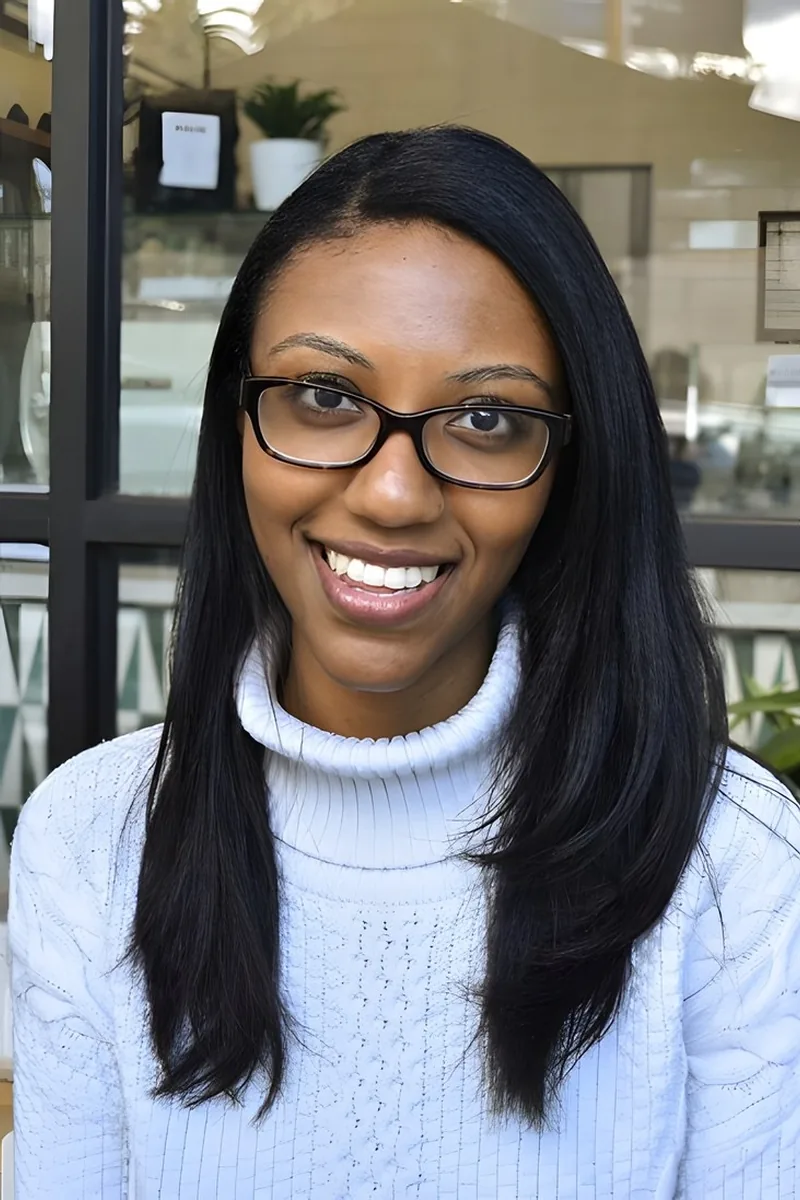
Three years of elementary classroom teaching taught Arielle exactly where young readers stall — whether it's fluency, vocabulary, or comprehension of what they just read. She connects decoding skills to meaning-making so students aren't just pronouncing words but actually understanding stories and informational texts. Her Child Development training from Yale informs how she adapts strategies for each reader's developmental stage.
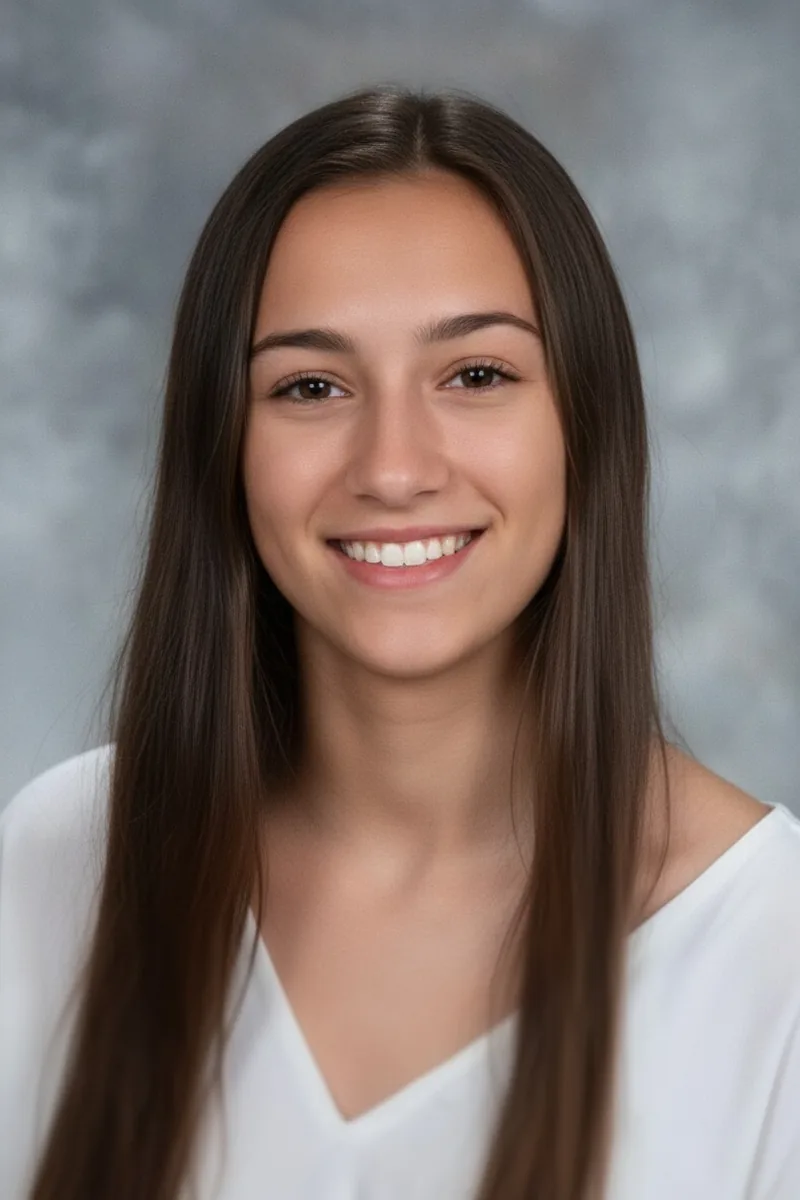
Early reading confidence comes from connecting sounds to meaning, not just sounding out words in isolation. Emma's education coursework at Cornell introduced her to developmental reading theory, and her experience creating age-appropriate curricula for young learners means she knows how to match a book's difficulty to where a child actually is. Her 5.0 rating speaks to how well she keeps younger students engaged and moving forward.
Before a student can analyze a story, they need to feel confident navigating one — tracking characters, understanding cause and effect, and predicting what comes next. Peter's English Education master's degree included coursework on literacy development, and he uses that background to pinpoint exactly where a young reader's comprehension breaks down and build targeted strategies around it.
Early reading clicks when a student learns to connect sounds, words, and meaning all at once. Cynthia spent years at Kumon Learning Center teaching elementary students phonics, fluency, and comprehension strategies, so she knows how to spot exactly where a young reader is getting stuck and adjust on the fly.
Early reading is about more than sounding out words — it's learning to predict what happens next, recognize story patterns, and connect a character's feelings to events in the plot. Curtis brings patience and genuine enthusiasm for storytelling to younger readers, making each session feel more like a conversation about a book than a lesson.
Phonics, fluency, and comprehension don't always develop at the same pace, and Michelle's classroom experience teaching 5th grade Reading taught her to spot exactly where a young reader is getting stuck. She uses leveled texts and targeted questioning to build both decoding skills and understanding. Her education background — including a Master's in Education — grounds her approach in how kids actually learn to read.
Early readers need someone who makes the mechanics of reading feel like discovery, not drill. Karen builds phonics, sight-word recognition, and basic comprehension skills into activities that keep younger students engaged — asking prediction questions, connecting stories to a child's own experience, and gradually increasing text complexity as confidence grows.
Early reading instruction is about more than phonics drills — it's connecting sounds to meaning so that decoding becomes actual comprehension. Patrick's training in special education means he can identify exactly where a young reader is getting stuck, whether it's blending sounds, sight word recognition, or making sense of what a sentence is saying.
Learning to read is partly decoding words and partly falling in love with stories — and the second part is what keeps kids practicing the first. Mackenzie pairs phonics and comprehension strategies with books that match a child's actual interests, whether that's animals, art, or adventure. Her background in writing and her own love of reading make her especially good at turning reluctant readers into engaged ones.
At the elementary level, reading is less about analysis and more about building the habits that make a kid want to pick up a book. Ella teaches phonics patterns, sight word recognition, and basic comprehension strategies like predicting and retelling, adjusting her methods depending on whether a child is just learning to decode or already reading but struggling with understanding. Her 5.0 rating suggests she connects well with younger learners too.
Building fluency at the elementary level is about more than sounding out words — it's learning to predict, visualize, and connect what's on the page to what a child already knows. Christopher brings patience and structure to phonics, sight words, and early comprehension strategies, drawing on experience tutoring younger students alongside his more typical high school workload.
Building early reading skills means more than sounding out words — it's about connecting phonics to fluency and fluency to genuine comprehension. Hyerin brings patience and structure to lessons on vocabulary development, sequencing, and making predictions from context clues. An avid reader herself, she makes stories feel like adventures rather than assignments.
Building reading confidence early matters more than rushing through levels, and Henry's four years of tutoring younger students have taught him how to make phonics, vocabulary, and comprehension feel like play rather than work. His own love of books comes through in sessions — kids pick up on that energy and start seeing reading as something they choose to do.
Early reading clicks when a child stops sounding out every word and starts recognizing patterns — blends, sight words, context clues. Melanie breaks down these building blocks individually, then connects them through read-aloud exercises and comprehension questions that keep young learners engaged rather than frustrated.
Phonics, sight words, and reading fluency are the building blocks, but Lauren also emphasizes comprehension from the start — asking young readers to predict what happens next, retell a story in their own words, or explain why a character made a choice. She keeps sessions encouraging and structured, which matters enormously for kids still developing confidence with books.
A science background might seem unrelated to early reading, but Nathan's Natural Sciences training made him an expert at pulling key information from dense material — a skill he scales down for younger readers tackling main idea, sequencing, and vocabulary-in-context questions. He makes reading feel like detective work, teaching kids to look for clues in the text before jumping to answers.
Getting a child to love reading early changes everything that comes after. Beth breaks down phonics, sight words, and early comprehension strategies in ways that keep young learners engaged — whether they're sounding out a tricky word or retelling what happened in a story. Her history degree made her a lifelong reader, and that energy comes through in every session.
An effective educator must be able to recognize each individual student's learning style and to adapt the lesson to accommodate that style. Also, each student has a different rate of learning. Thus, the lessons must be directed not only towards ensuring the student masters the material but also keeps the student engaged in and enthusiatic about the education process. Finally, the effective tutor must remember that the end goal of the learning process is not only to master a defined set of knowledge and skills, but also to learn "how to learn;" in this way the student will be better equipped to thrive in an ever changing environment.
I am a seasoned educator with over 14 years of teaching experience. I currently am a middle school principal but have taught grades 3-college. I am no stranger to Common Core and can help students master material with tried and true strategies!
Building reading fluency in elementary students means more than just sounding out words — it's comprehension, making predictions, and connecting stories to what a child already knows. Grace's Early Childhood Education coursework trained her in guided reading techniques and leveled text strategies that meet each reader at their current ability and push them forward.
Getting young readers to decode words is only half the challenge — the other half is making them want to pick up the next book. Brittany draws on her education master's work and years of hands-on experience with kids in camps and coaching settings to build phonics, fluency, and comprehension skills through texts that actually spark curiosity. She's especially good at turning reluctant readers into engaged ones by matching books to a child's interests.
Early reading is all about decoding and comprehension working together — sounding out words means nothing if the story doesn't make sense. Emeric uses read-aloud techniques, picture clues, and simple comprehension questions to build both skills at once. He keeps sessions patient and encouraging, meeting each child's pace without rushing past gaps.
Early reading instruction isn't just about phonics drills — it's about building the curiosity that turns a reluctant reader into an eager one. Alice connects stories to her students' own lives and interests, using that hook to teach skills like sequencing, main idea identification, and vocabulary in context. Her master's in Educational Studies shapes how she tailors each session to a child's specific reading level.
Early reading is where phonics, sight words, and comprehension all need to come together — and every child hits that point at a different pace. Megan's education degree and hands-on classroom teaching give her real experience with decoding strategies, fluency-building, and the kinds of guided questions that turn a struggling reader into a confident one. She holds a 5.0 rating from the families she's worked with.
Phonics drills matter, but so does the moment a child realizes a book can be genuinely fun. Kathryn balances foundational decoding skills — blending sounds, recognizing sight words — with read-aloud strategies that build comprehension and keep young readers curious about what happens next.
Young readers often need someone who can pinpoint exactly where comprehension breaks down — is it vocabulary, fluency, or making inferences? Chloe works with 3rd through 5th graders every day in her role as a Gifted Intervention Specialist, so she quickly identifies each child's specific sticking points and uses targeted exercises to move them forward.
Phonics, sight words, and fluency drills matter, but Claire also emphasizes the part of reading that keeps kids coming back to books: comprehension and curiosity. Her experience coordinating a mentorship program for young students through AmeriCorps gave her a knack for meeting different learning speeds without making anyone feel behind.
McKenna's Middle Childhood Education degree means she knows the specific reading milestones kids in grades K-5 need to hit — from decoding multisyllable words to making inferences about character motivation. She builds fluency and comprehension together, using leveled texts that keep young readers challenged without overwhelming them.
When a young reader stumbles, it's usually not laziness — it's a missing skill, whether that's decoding multisyllable words, making predictions, or retelling what just happened in a passage. Elisabeth pinpoints exactly where comprehension breaks down and builds targeted practice around that specific gap so progress feels real and immediate.
Early reading clicks when a child can connect sounds to meaning — decoding words, building vocabulary, and actually understanding what a sentence is telling them. Ariel breaks stories into manageable pieces, asking the kinds of questions that turn passive reading into active comprehension. Her background in sociology means she's naturally drawn to narratives about people and communities, which keeps young readers engaged.
Every child one at a time, one step at a time; can develop the skills to read, write, and grow with confidence in their literacy. I graduated from Manchester College with a Bachelor of Science degree in Biology. While obtaining my undergraduate education, I volunteered with the Family Tree Child Development Center, where I enjoyed reading to the children and working with the teachers. I also volunteered in the Mother Baby Unit, helping the nurses and new moms! Upon completing my Biology degree, I interned at a hospital in the Microbiology lab. My classroom experience includes elementary substitute teaching and being an Instructional Assistant. I've worked with children who are advanced or struggling in small groups to reach academic standards. Following IEPs, and working with teachers, staff and parents to help students achieve goals, have been the most motivating to me.
Early reading instruction is about building the habits that make everything else in school possible: decoding unfamiliar words, tracking a character's actions across pages, and retelling what happened in sequence. Margaret's experience volunteering in after-school programs with elementary students means she understands how to keep younger readers engaged and moving forward. She adapts her approach to each child's reading level and interests.
I am a graduate of the University of Pennsylvania with a Masters degree in Education and have been an Elementary and Middle School educator for over thirty years. I have worked with students in the inner city, suburbs, Appalachia, and Deep South. I love teaching and children, and have discovered my passion in tutoring students who are struggling in Reading and Math. I have taught children with learning disabilities to read, and coached students with dyscalculia in math and reading. I worked as a principal for the past eight years, so was working with students from Pre-K to 8th grade, coaching teachers, analyzing data, and tutoring individual students in math and reading. I have worked as a national park ranger in the past, so social studies and history are areas of strength. Students that I teach respond well to my teaching style and enjoy working with me. I believe that education is extremely important for children's futures and do everything that I can to help them be successful.
Through her nonprofit work educating families in Ecuador, Vanessa has seen firsthand how foundational early reading skills shape everything that comes after. She builds young readers' confidence by connecting phonics, vocabulary, and comprehension to stories that genuinely interest them — turning reading from a chore into something a child wants to do on their own.
Early reading clicks when a child connects decoding skills to actual meaning — sounding out words matters, but so does understanding what a sentence is really saying. Clare pairs phonics and sight-word practice with comprehension strategies like predicting, visualizing, and retelling, adjusting the balance depending on where each reader needs the most support.
Early reading skills like phonics, fluency, and basic comprehension set the trajectory for everything that comes after in school. Sugi's cognitive science degree from Rice included extensive study of how the brain acquires language, giving her practical insight into why some students struggle with decoding or retention — and what specific techniques actually move them forward.
For early readers, the difference between frustration and excitement often comes down to finding the right book at the right level. Maya builds phonics, sight-word recognition, and basic comprehension skills through stories that match each child's interests, keeping motivation high. Her experience with differently-abled learners means she adapts pacing and techniques to fit how each student actually processes language.
Early reading is all about building the habits that make harder texts possible later — things like identifying the main idea of a passage, making predictions, and understanding new vocabulary from context clues. Paul keeps sessions interactive and encouraging, so young readers stay engaged rather than frustrated when a text gets challenging.
Getting young readers excited about books is half the battle — the other half is building real skills like decoding unfamiliar words, making predictions, and retelling a story in their own words. Noel is an avid reader himself and brings that genuine enthusiasm to every session, turning reading practice into something kids actually look forward to.
Early reading skills like phonics and decoding are important, but so is the moment a child starts making predictions about a story or asking why a character did something. Paula builds both sides — the mechanical fluency and the comprehension habits — so young readers don't just sound out words but actually engage with what they're reading.
Testimonials
Because the right Elementary School Reading tutor makes all the difference.
Average Session Rating – Based on 3.4M Learner Ratings
Nearby Elementary School Reading Tutors
Other Youngstown Tutors
Related English Tutors in Youngstown
Frequently Asked Questions
Varsity Tutors matches Youngstown students with expert Elementary School Reading tutors for 1-on-1 instruction. We pair each student with a tutor based on their specific needs, learning style, and goals.
Whether you need homework help, exam prep, or want to get ahead, our Elementary School Reading tutors are ready to help.
Common challenges include gaps from earlier material, difficulty with specific concepts, and trouble applying learning to new problems. These issues can snowball quickly in Elementary School Reading.
A tutor identifies where you're stuck, fills in gaps, and provides targeted practice. The 1-on-1 format means you get help exactly where you need it.
Tutors work with your student's actual coursework—homework assignments, class notes, and upcoming tests. This keeps tutoring directly relevant to what's happening in the classroom.
When you share information about your student's school and curriculum, we can match you with a tutor who has relevant experience.
All tutors complete background checks, credential verification, and teaching evaluation. Many of our Elementary School Reading tutors hold advanced degrees or have years of teaching experience.
You can review tutor profiles to find someone with the right background for your student's level and needs.
Many students see improved grades within a few weeks, along with better understanding of Elementary School Reading concepts and more confidence tackling challenging material.
Tutors track progress and adjust their approach to ensure continued improvement.
Most students benefit from 1-2 sessions per week. More frequent sessions help if your student is significantly behind or has an important exam coming up.
Your tutor can recommend a schedule based on your student's specific situation and goals.
Tutoring is purchased in packages of hours, with rates varying by tutor experience. Varsity Tutors offers several options to fit different budgets and needs.
You can discuss pricing during your consultation to find what works best.
Your tutor will assess where your student is, discuss goals, and start working on priority areas. Most students bring current homework or upcoming test material to focus on.
By the end, you'll have a clear sense of how the tutor can help and a plan for moving forward.
Let’s find your perfect tutor
Answer a few quick questions. We’ll recommend the right plan and match you with a top 5% tutor.