Award-Winning Biochemistry Tutors
serving Youngstown, OH
Biochemistry
Tutors in Youngstown
Private 1-on-1 tutoring, weekly live classes for academic support, test prep & enrichment, practice tests and diagnostics, and more to elevate grades and test scores.
Based on 3.4M Learner Ratings
UniversitiesSchools & Universities
DeliveredHours Delivered
ProficiencyGrowth in Proficiency
Who needs tutoring?
No obligation. Takes ~1 minute.
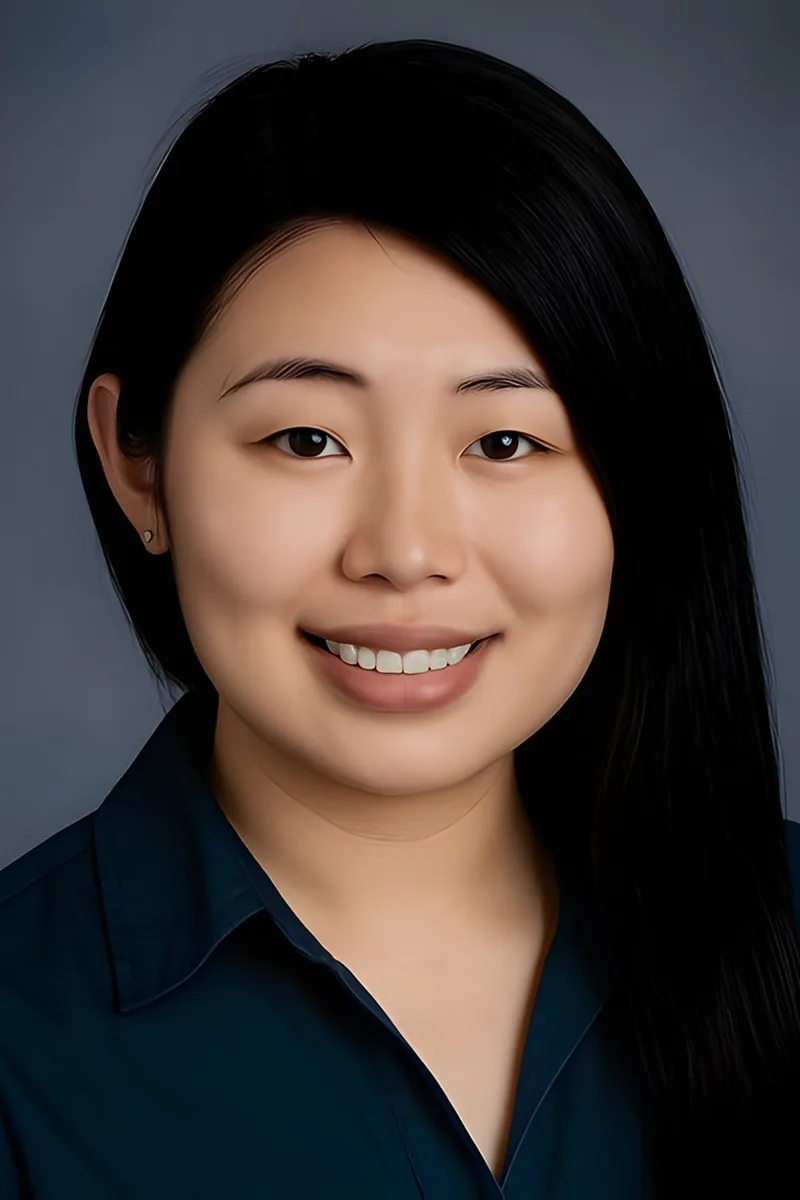
As a biology and economics graduate now working as a research associate before medical school, Sunny lives in the world of biochemistry daily — from enzyme kinetics and metabolic pathways to protein structure and nucleic acid chemistry. He unpacks dense topics like the citric acid cycle or amino acid properties by connecting molecular details to the bigger physiological picture, which is especially useful for students preparing for upper-level coursework or the MCAT.
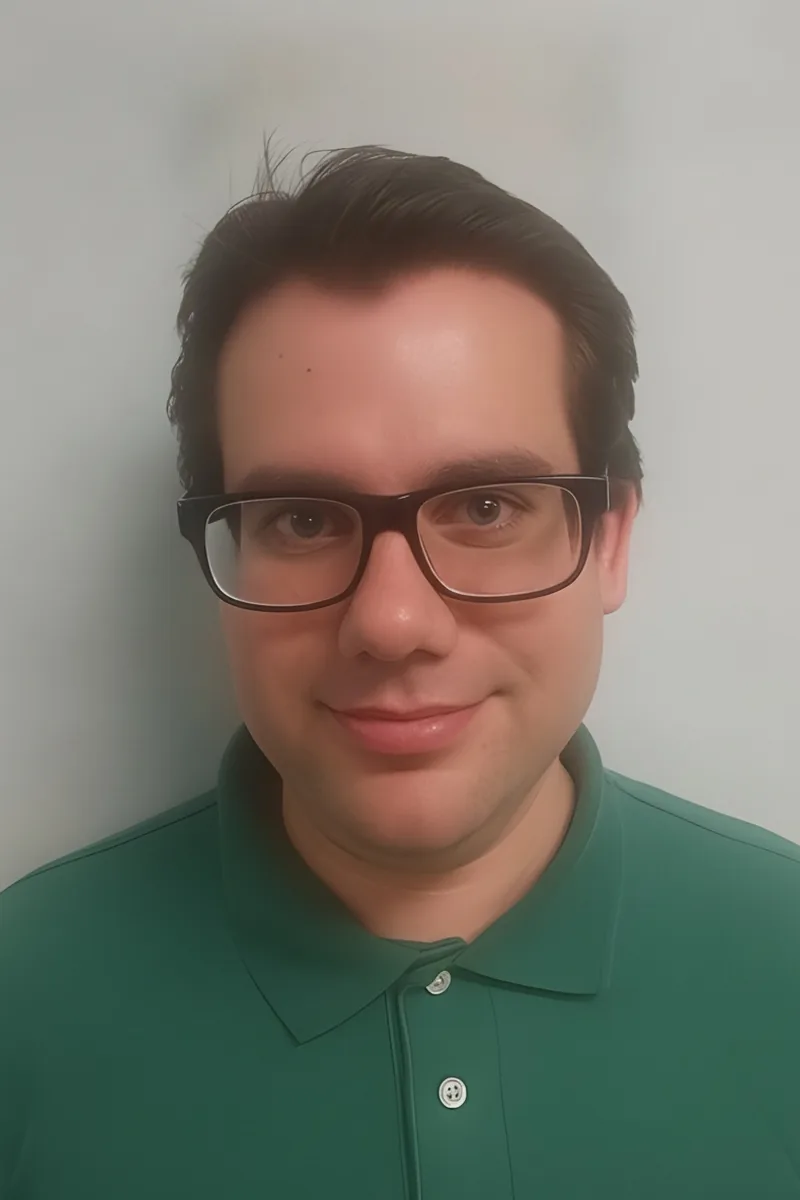
Enzyme kinetics, metabolic pathways, protein structure — biochemistry sits right at the intersection of Alexander's two degrees in biosystems engineering and chemical engineering. He teaches the quantitative side of biochemistry (Michaelis-Menten derivations, Gibbs free energy in biological reactions) with the same rigor he applies to engineering problems, which tends to demystify what students often find overwhelming.
Enzyme kinetics, amino acid chemistry, metabolic regulation — biochemistry demands that students think in multiple dimensions at once. Camille's medical school coursework at Case Western Reserve required mastering these topics at a clinical depth, and she's comfortable teaching everything from Michaelis-Menten plots to the integration of carbohydrate, lipid, and protein metabolism.
A year working at the NIH right after completing her biochemistry major at Swarthmore gives Susie a research-grounded perspective on topics like protein structure, signal transduction, and the regulatory logic governing metabolic networks. She tackles dense material by walking through the underlying organic chemistry step by step — so a pathway like fatty acid oxidation becomes a chain of recognizable reactions rather than a wall of arrows. Rated 5.0 by students.
Enzyme kinetics, metabolic pathways, protein structure — biochemistry sits at the intersection of chemistry and biology, and Emeric earned his bachelor's degree right at that intersection. He teaches the subject at the high school, AP, and college level, unpacking everything from Michaelis-Menten plots to amino acid side-chain chemistry with the depth that comes from genuine expertise.
I am a current senior at The Ohio State University, and I will receive my Bachelor of Science in Biomedical Engineering on the pre-med track this spring. After graduation, I will be attending medical school, hoping to become a surgical oncologist. As a college student, I've conducted high-level research across biophysics, fertility, and drug discovery, and I have tutored peers in MCAT physics, general chemistry, organic chemistry, biology, biochemistry, and more. I am very passionate about helping others succeed on the MCAT because I know that this test, while incredibly difficult, can be handled by anyone with the drive and dedication to take it on. I have a broad array of MCAT mnemonics, tips, and tricks that helped me succeed and which I hope to provide to others. Further, I love to tutor in the basic sciences outside of the MCAT, as well as calculus, linear algebra, and differential equations. I love to learn, and I hope to take any chance I have to help others learn! In my free time, I enjoy distance running, lifting, reading both nonfiction and fiction, and playing lacrosse.
Cassandra's biology degree gives her the cellular and molecular grounding to teach biochemistry from the chemistry up — she walks through topics like enzyme regulation and metabolic intermediates by connecting each reaction to the organic chemistry driving it. Seven years of tutoring math and science across middle school through college means she's seen where students lose the thread, especially when pathways like gluconeogenesis start layering on exceptions and reversals. Rated 4.9 by students.
Two years as an Organic Chemistry Laboratory TA at the college level gave Maha the kind of mechanistic fluency that makes biochemistry's toughest material — reaction cascades in metabolic pathways, enzyme active-site chemistry, the logic behind cofactor requirements — click into place rather than blur together. Now a graduate student at Johns Hopkins Bloomberg School of Public Health with a dual background in chemistry and biology, she connects the organic chemistry driving each biochemical transformation to its broader physiological relevance. Rated 5.0 by students.
Northwestern's neuroscience program required Amira to internalize biochemistry from the pre-med side — amino acid properties, metabolic pathway regulation, and the molecular signaling that bridges chemistry and biology. She breaks down dense topics like enzyme kinetics and oxidative metabolism by linking each mechanism back to the physiological system it serves, turning abstract reaction chains into something students can reason through rather than memorize.
Enzyme kinetics, metabolic pathways, amino acid structures — biochemistry asks students to hold an enormous amount of detail in their heads while still thinking mechanistically. Emily's pre-med coursework and global health studies at Cornell gave her a deep familiarity with how biological molecules behave at the chemical level, and she teaches students to see the logic connecting protein structure to function rather than treating each pathway as an isolated list.
Managing an immunology lab means Matthew doesn't just teach enzyme kinetics, protein structure, or metabolic pathways from a textbook — he uses them daily in his breast cancer research at Columbia. He walks through topics like signal transduction, amino acid chemistry, and lipid metabolism with the kind of specificity that turns confusing diagrams into logical sequences students can actually reason through.
Having served as an undergraduate teaching assistant for introductory biochemistry at Cornell, Josef knows exactly which concepts — cofactor roles, enzyme regulation, the interplay between metabolic pathways — trip students up for the first time. He teaches by showing how biochemistry synthesizes organic chemistry, cell biology, and thermodynamics into a single coherent story, so each pathway feels like a logical extension rather than a separate thing to memorize. Rated 5.0 by students.
David's neuroscience training at Yale meant wrestling with biochemistry from the nervous system's perspective — neurotransmitter synthesis, ion channel biophysics, and the metabolic demands that make the brain consume a disproportionate share of the body's glucose. Now pursuing a graduate degree in bioethics, he brings that mechanistic grounding to topics like amino acid chemistry and membrane transport, connecting each reaction to the biological system it supports. Holds a 5.0 rating.
Studying biochemistry at Penn as part of a pre-health track, Shayan lives in the world of enzyme kinetics, metabolic pathways, and protein structure daily. He breaks down dense topics like the citric acid cycle or amino acid chemistry using visual analogies and step-by-step logic that make the connections between reactions stick long after the session ends.
Four years of medical school gave Amanda a particular edge with the biochemistry that underpins clinical reasoning — she's internalized how disruptions in lipid metabolism or glycogen storage pathways manifest as actual disease states. Her biology degree and public health training add breadth, letting her teach topics like nucleotide biosynthesis or enzyme regulation by zooming out to the physiological stakes behind each reaction. Rated 4.7 by students.
Physical chemistry PhD work at UC Berkeley means Jacob spent years quantifying the thermodynamic and kinetic principles that govern every biochemical process — from enzyme catalysis rates to the free energy changes driving metabolic pathways forward. He teaches biochemistry by unpacking the physical chemistry underneath it, so concepts like Michaelis-Menten kinetics or the energetics of oxidative phosphorylation feel like derivable logic rather than formulas to memorize. Rated 4.9 by students.
Enzyme kinetics, metabolic pathways, protein folding — Connor digs into biochemistry with the depth his biomedical sciences master's from Loyola Chicago demanded. He connects molecular-level details to physiological outcomes, so a student learning about Michaelis-Menten kinetics also understands what it means when a drug is a competitive inhibitor in a clinical context.
Enzyme kinetics, metabolic pathways, protein structure — biochemistry demands that students hold molecular-level detail and big-picture biological function in their heads simultaneously. Yasheen earned dual degrees in biology and cellular/molecular biology from Yale and now works in a cancer biology lab, so she lives in this material daily. She's particularly sharp on topics like amino acid chemistry, Michaelis-Menten kinetics, and the regulation of glycolysis and the citric acid cycle.
Testimonials
Because the right Biochemistry tutor makes all the difference.
Average Session Rating – Based on 3.4M Learner Ratings
Practice Biochemistry
Free practice tests, flashcards, and AI tutoring for Biochemistry
Other Youngstown Tutors
Related Science Tutors in Youngstown
Frequently Asked Questions
Varsity Tutors matches Youngstown students with expert Biochemistry tutors for 1-on-1 instruction. We pair each student with a tutor based on their specific needs, learning style, and goals.
Whether you need homework help, exam prep, or want to get ahead, our Biochemistry tutors are ready to help.
Common challenges include gaps from earlier material, difficulty with specific concepts, and trouble applying learning to new problems. These issues can snowball quickly in Biochemistry.
A tutor identifies where you're stuck, fills in gaps, and provides targeted practice. The 1-on-1 format means you get help exactly where you need it.
Tutors work with your student's actual coursework—homework assignments, class notes, and upcoming tests. This keeps tutoring directly relevant to what's happening in the classroom.
When you share information about your student's school and curriculum, we can match you with a tutor who has relevant experience.
All tutors complete background checks, credential verification, and teaching evaluation. Many of our Biochemistry tutors hold advanced degrees or have years of teaching experience.
You can review tutor profiles to find someone with the right background for your student's level and needs.
Many students see improved grades within a few weeks, along with better understanding of Biochemistry concepts and more confidence tackling challenging material.
Tutors track progress and adjust their approach to ensure continued improvement.
Most students benefit from 1-2 sessions per week. More frequent sessions help if your student is significantly behind or has an important exam coming up.
Your tutor can recommend a schedule based on your student's specific situation and goals.
Tutoring is purchased in packages of hours, with rates varying by tutor experience. Varsity Tutors offers several options to fit different budgets and needs.
You can discuss pricing during your consultation to find what works best.
Your tutor will assess where your student is, discuss goals, and start working on priority areas. Most students bring current homework or upcoming test material to focus on.
By the end, you'll have a clear sense of how the tutor can help and a plan for moving forward.
Let’s find your perfect tutor
Answer a few quick questions. We’ll recommend the right plan and match you with a top 5% tutor.