Award-Winning Psychology Tutors
serving Cincinnati, OH
Psychology
Tutors in Cincinnati
Private 1-on-1 tutoring, weekly live classes for academic support, test prep & enrichment, practice tests and diagnostics, and more to elevate grades and test scores.
Based on 3.4M Learner Ratings
UniversitiesSchools & Universities
DeliveredHours Delivered
ProficiencyGrowth in Proficiency
Who needs tutoring?
No obligation. Takes ~1 minute.

Few tutors know psychology from both the textbook side and the lab bench. Josh earned his B.S. in Behavioral Neuroscience and went on to pursue a PhD in Neuroscience at Ohio State, so he can explain concepts like classical conditioning, cognitive development, or synaptic plasticity with the kind of mechanistic depth that makes them stick. Whether a student is tackling AP Psych or an introductory college course, he connects psychological theories to their biological underpinnings.
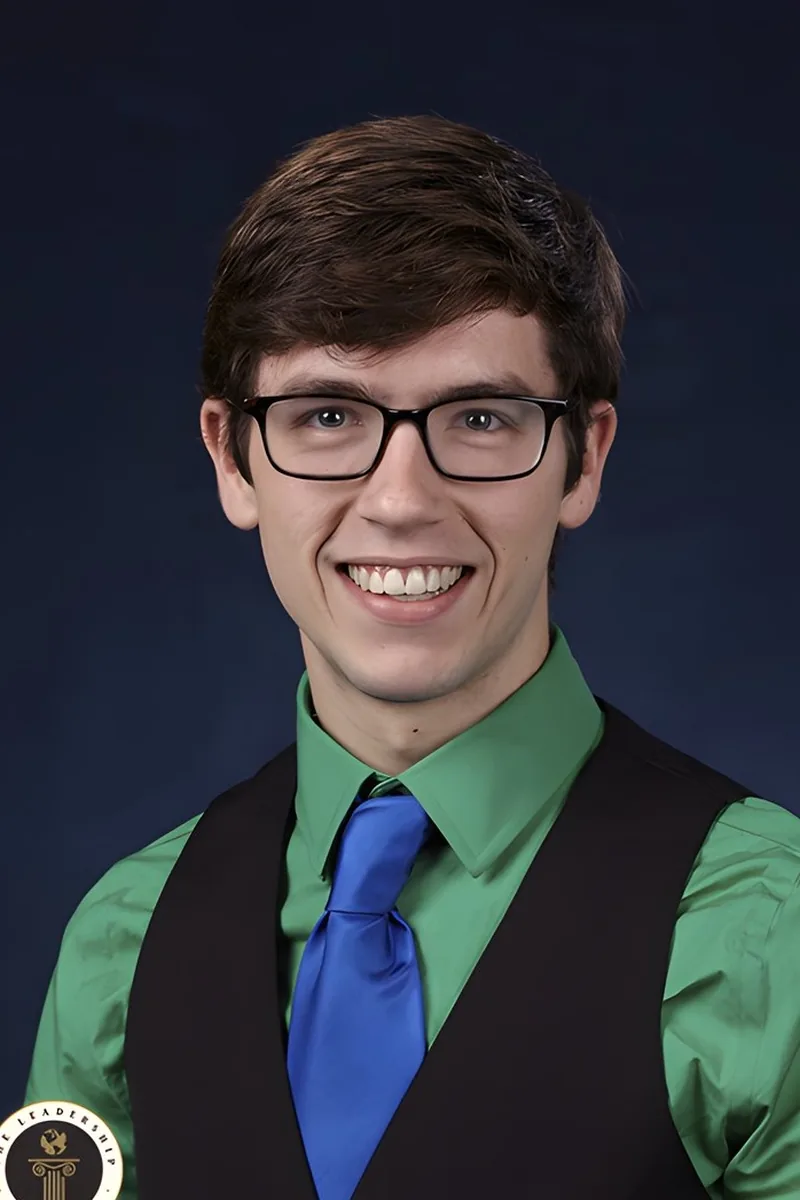
William earned his B.S. in Psychology with plans to pursue a PhD in Neuropsychology, so he's deeply familiar with the discipline from introductory concepts like classical conditioning through upper-level material on brain-behavior relationships. He unpacks research design, psychological disorders, and cognitive theory in ways that connect textbook definitions to real clinical and experimental contexts.
I am currently a P1 pharmacy student. I have had numerous opportunities to tutor students of various ages primarily in subjects that pertain to my program of study, especially chemistry. Throughout my years of study, I have come to the realization that only after meticulous examination of all the possible scenarios and exceptions of a particular phenomenon can we recognize patterns that may have facilitated our initial attempt to understand it in the first place. As a tutor, I hope to serve as a guide that aids students in discerning such patterns and integrating concepts to achieve a thorough and holistic understanding of the subject being studied. Besides tutoring, I enjoy playing the piano and cello, biking, and reading.
An English major at Penn with a minor in art history, Amy approaches psychology's reading-heavy coursework — interpreting research studies, parsing theoretical arguments, building structured essay responses — with the same close-reading instincts she applies to literature. She's particularly effective at teaching students how to break down the language of psychological studies and translate dense findings into clear, well-organized written analysis.
I am an upbeat and patient tutor. I like to make learning as fun as possible, and I'm constantly learning new things.
Amanda earned her B.A. in Psychology from Kent State, so she brings genuine depth to topics like developmental theory, research methods, and the biological bases of behavior. She approaches the subject as both a former psych major who loved the content and a trained educator who knows how to make dense concepts — classical conditioning, cognitive biases, abnormal psych classifications — actually stick.
Studying psychology alongside neuroscience and medical coursework gives Sanjul a layered understanding of how biological mechanisms map onto psychological concepts — from neurotransmitter pathways in mood disorders to the social determinants that shape behavior. He breaks down theories by connecting them to real clinical examples that make abstract frameworks concrete. Rated 5.0 by students.
A neuroscience degree is essentially half psychology — Catherine studied the biological underpinnings of behavior, cognition, and mental health at Ohio State before entering medical school. She unpacks concepts like classical conditioning, neural plasticity, and abnormal psych with real clinical context that makes textbook definitions click. Now a medical student, she brings current knowledge of brain-behavior relationships that goes well beyond an introductory psych course.
Because exercise science sits at the intersection of biology and behavioral science, Nikolas covered core psychology topics — learning theory, motivation, stress response, and neuropsychology — as part of his Ohio State coursework. He explains concepts like classical conditioning or the biopsychosocial model by tying them to real physiological processes, which makes the material stick for students preparing for AP Psych or introductory college courses.
Susie minored in psychology at Swarthmore, giving her grounding in everything from classical conditioning and cognitive development to research methodology and statistical design. She connects psychological concepts to their biological underpinnings — neurotransmitter pathways, brain structures, hormonal regulation — which makes the material stick for students preparing for AP exams or introductory college courses.
Preparing for medical school gave Nathan deep exposure to psychology's biological underpinnings — neurotransmitter pathways, the stress response, and how brain structure connects to behavior. He breaks down concepts like classical conditioning, cognitive development, and psychological disorders by tying them back to the biology that makes them click.
Studying psychology herself at the college level, Lauren knows firsthand which concepts trip students up — from classical vs. operant conditioning to the nuances of research methodology and experimental design. She unpacks dense textbook language into concrete examples, connecting theories like Piaget's developmental stages or the biopsychosocial model to real scenarios students can actually remember.
The trickiest part of introductory psychology isn't memorizing Pavlov's dogs — it's distinguishing between concepts that sound alike, like negative reinforcement versus punishment, or correlation versus causation. Anna breaks down these distinctions with real-world examples and teaches students to think like researchers evaluating experimental design. Her interdisciplinary background across anthropology and psychology gives her a wide frame for connecting theories to human behavior.
I am a seasoned educator with over 14 years of teaching experience. I currently am a middle school principal but have taught grades 3-college. I am no stranger to Common Core and can help students master material with tried and true strategies!
Anna is pursuing a psychology minor at Case Western Reserve alongside her biology degree, so she's actively immersed in topics like cognition, behavioral theory, and research methods. That dual science background lets her explain the biological underpinnings behind psychological concepts — connecting neurotransmitter pathways to mood disorders, or linking brain anatomy to memory formation — in a way that makes the material click.
I'm looking forward to helping your student find personal success in their academic lives!
I am currently in my second year of medical school. Because of my diverse academic background, I am able to tutor in a wide range of topics, from Economics and math to Russian and ACT prep.
I am studying Spanish in Mexico after two years teaching English in Guadeloupe, France to sharpen my foreign language skills and ESL teaching capabilities in preparation for multilingual and multicultural educational spaces. Upon my return to the United States, I will pursue my teaching license in secondary history. Thus, I am passionate about teaching History, English, and French. I also excel at teaching and academic writing. In addition to my experience guiding students in traditional classrooms, I have taught yoga for the past two years. This has involved planning classes for large groups in addition to providing personal assists to students throughout their practice. With my experience teaching others in both the traditional academic classroom and the nontraditional yoga classroom, I have learned there is no better way to assist others in their growth than meeting individuals exactly where they are. As a result, my teaching and tutoring styles are designed to capitalize upon what students already know so that they may build upon said knowledge and achieve more. Further, my teaching and tutoring are based on our humanity as people and thus there is plenty of conversation, inquiry, and room for mistakes. I believe education is an opportunity for creating possibilities, and as such I couldn't be more grateful to help others imagine their future possibilities.
Mati's doctoral research focused on learning disabilities and their intersection with student behavior and development, giving her a practical grounding in psychological concepts that goes well beyond a textbook overview. She unpacks topics like cognitive development, abnormal psychology, and research methods by connecting them to real clinical and educational scenarios students can actually picture.
Having studied both biological sciences and philosophy at the University of Chicago, Kristin approaches psychology from two angles most tutors can only cover one at a time — the neural and biological underpinnings of behavior, and the deeper questions about consciousness, free will, and moral reasoning that philosophy-heavy psych units explore. Her nursing training adds a clinical dimension to topics like stress response, psychopharmacology, and abnormal behavior that keeps the material grounded in how these concepts actually play out in real patients. Rated 5.0 by students.
Understanding psychology means learning to think like a researcher — distinguishing correlation from causation, evaluating study design, and applying theories to real behavior. Dylan's policy analysis training at Cornell built exactly these skills, particularly around interpreting data and questioning assumptions. He connects psychological concepts like operant conditioning or cognitive biases to everyday decision-making, which makes them stick.
Reporting for a trade magazine means Meghan spends her days interviewing people, reading their motivations, and figuring out why they make the decisions they do — skills that map directly onto psychology's core questions about behavior, cognition, and social influence. Her Northwestern journalism training emphasized research methodology and evidence evaluation, which translates well to unpacking psychological studies and writing the kind of analysis that psych courses grade on. Rated 5.0 by students.
Studying psychology at the PhD level means Tashina doesn't just know the textbook definitions of concepts like operant conditioning or cognitive dissonance — she understands the experiments behind them and why the findings matter. She teaches students to think like researchers, connecting theory to methodology so that even dense topics like neuropsychology or abnormal psych feel logical rather than overwhelming.
As a medical student, Caroline encounters psychology daily — from behavioral neuroscience and developmental milestones to the biopsychosocial model that underpins modern patient care. She connects textbook concepts like classical conditioning or cognitive dissonance to real clinical scenarios, making abstract theories easier to retain.
Earning a degree in Brain, Behavior, and Cognitive Science from the University of Michigan means Corey didn't just study psychology — he lived in the research that underpins it, from neural mechanisms of learning to behavioral decision-making models. He unpacks topics like memory encoding, classical conditioning, and cognitive biases by tying textbook concepts back to the experimental evidence that produced them.
Margaret holds a bachelor's degree in psychology and is currently pursuing a Master's in Medical Science at Boston University, which means she understands the subject from both the research and clinical sides. She digs into core concepts like classical conditioning, cognitive development theories, and experimental design methodology — the topics that anchor most introductory and AP psychology exams.
Kerry holds both a B.A. in Psychology from Cornell and a master's in Professional Psychology from William James College, so she teaches this subject from genuine depth rather than textbook familiarity. She digs into the concepts students find trickiest — research methodology, statistical reasoning, the differences between classical and operant conditioning — with real-world examples from her own clinical and coaching experience. That practitioner perspective makes abstract theories concrete.
Karishma earned her bachelor's degree with a focus in psychology, giving her direct familiarity with concepts like classical conditioning, cognitive development theories, and the biological bases of behavior. She breaks down dense research methods and statistical reasoning in ways that make experiment design and data interpretation click. Rated 5.0 by students.
Cognitive neuroscience is where psychology meets the brain, and Samantha studies exactly that at Penn. She unpacks everything from classical conditioning and memory models to abnormal psychology and research methods, connecting textbook concepts to the underlying neural mechanisms that make them click.
Ellie's autism research at the Yale School of Medicine gives her a hands-on understanding of cognitive and behavioral concepts that most psychology tutors only know from textbooks. She connects topics like neurodevelopment, research methodology, and psychological disorders to real lab work, making abstract theories concrete and easier to retain.
Testimonials
Because the right Psychology tutor makes all the difference.
Average Session Rating – Based on 3.4M Learner Ratings
Other Cincinnati Tutors
Related Social Sciences Tutors in Cincinnati
Frequently Asked Questions
Your first session is all about understanding your current level, learning goals, and what's challenging you most. A tutor will assess whether you're struggling with foundational concepts like research methods and statistics, or if you're working toward AP Psychology success or college-level coursework. This helps create a personalized plan tailored to your needs, whether you're in high school or preparing for higher education in the Cincinnati area.
Many students struggle with the statistics and research design components of psychology—concepts like standard deviation, statistical significance, and experimental design can feel abstract without hands-on practice. Others find it difficult to connect psychological theories to real-world applications, or they memorize concepts without truly understanding how they work. Personalized tutoring addresses these gaps by breaking down complex ideas, using concrete examples, and building confidence through targeted practice rather than relying on classroom pacing alone.
AP Psychology covers 14 units across history, research methods, sensation and perception, learning, cognition, and more—a lot of ground to cover thoroughly. Expert tutors can help you master high-yield concepts, practice free-response questions, and develop test-taking strategies specific to the AP exam format. With personalized instruction, you'll focus on your weak areas rather than spending time on topics you already know, which is especially valuable given Cincinnati's average 18.4:1 student-teacher ratio in classrooms.
Cincinnati's school districts follow state standards for psychology courses, whether you're taking high school electives, dual-enrollment college courses, or AP Psychology. Tutors are familiar with these frameworks and can align sessions with what you're learning in class—whether that's understanding neurobiology, developmental stages, social psychology, or abnormal psychology. This ensures tutoring reinforces your classroom learning and helps you succeed on district assessments and standardized tests.
In a classroom of 20+ students, teachers must move at an average pace, which means some concepts get rushed while others get more time than you need. Personalized tutoring lets you slow down on tricky topics like operant conditioning or statistical analysis, ask unlimited questions, and get immediate feedback on your understanding. You also get to choose how you learn—through diagrams, case studies, experiments, or discussion—rather than fitting into one teaching style.
Varsity Tutors connects you with tutors who have deep expertise in psychology—many hold degrees in psychology, education, or related fields, and many have taught or tutored psychology at the high school or college level. They understand both the content and the common misconceptions students have, so they can explain concepts clearly and help you build genuine understanding rather than just memorizing facts.
Many students see noticeable improvement in understanding and confidence within 3-4 sessions, especially if they're working on specific topics like research methods or a particular unit. For longer-term goals like AP exam preparation or building a strong foundation across all psychology units, a sustained tutoring plan over several weeks or months will give you the best results. The timeline depends on where you're starting and what you're aiming for, which is why your tutor will create a personalized roadmap in your first session.
Varsity Tutors offers personalized instruction that fits your schedule and budget—whether you need intensive help before an exam, ongoing support throughout the semester, or just a few sessions to tackle specific topics. You can adjust frequency and duration based on your needs, and tutoring can be adapted to work around your school schedule, extracurriculars, and other commitments in the Cincinnati area.
Let’s find your perfect tutor
Answer a few quick questions. We’ll recommend the right plan and match you with a top 5% tutor.