Award-Winning AP Psychology Tutors
serving Cincinnati, OH
AP Psychology
Tutors in Cincinnati
Private 1-on-1 tutoring, weekly live classes for academic support, test prep & enrichment, practice tests and diagnostics, and more to elevate grades and test scores.
Based on 3.4M Learner Ratings
UniversitiesSchools & Universities
DeliveredHours Delivered
ProficiencyGrowth in Proficiency
Who needs tutoring?
No obligation. Takes ~1 minute.

William studied psychology as his undergraduate major, so the AP Psych curriculum — from Piaget's stages to the nuances of the DSM — maps directly onto coursework he's already completed rather than material he's reverse-engineering from a prep book. His neuroscience background adds particular depth to the biological bases of behavior unit, where he breaks down neurotransmitter systems and brain region functions with the confidence of someone planning a PhD in neuropsychology. A 34 ACT also means he knows standardized testing strategy inside and out, which translates into sharper free-response technique.
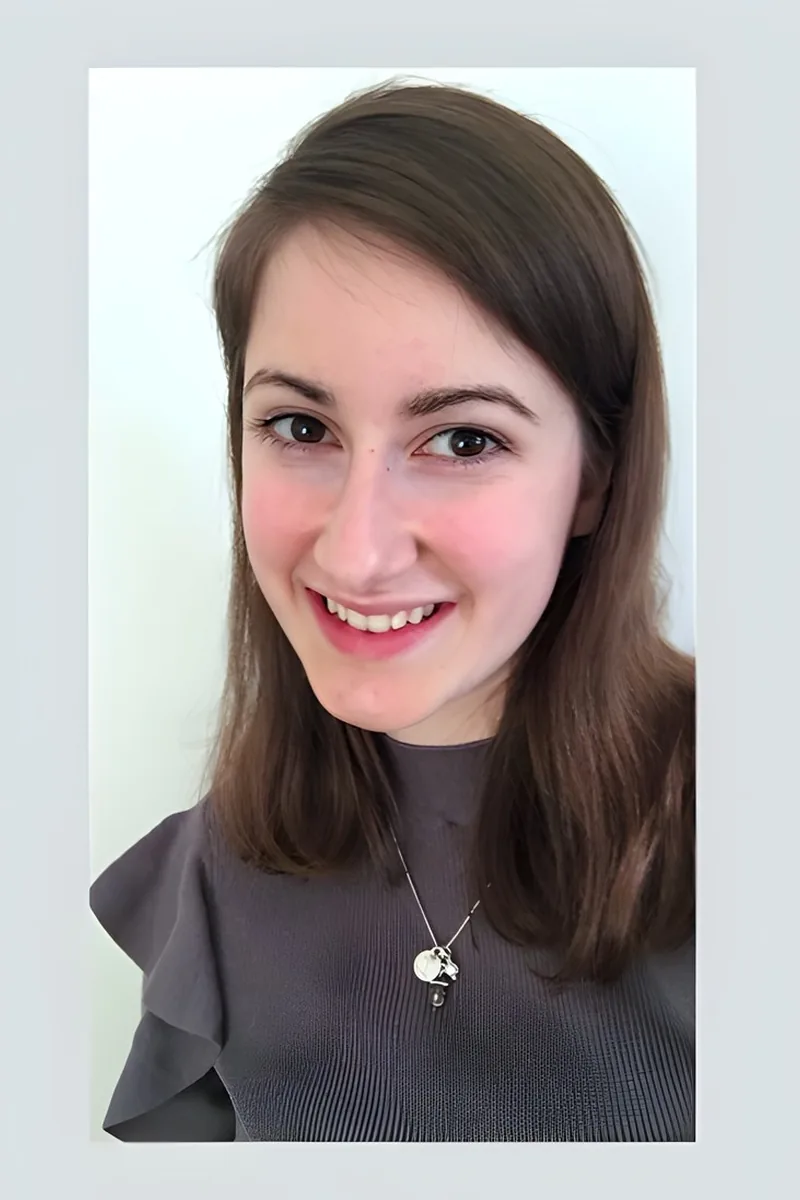
Pharmacy school forces you to learn the biological bases of behavior from the inside out — neurotransmitter pathways, drug mechanisms, receptor interactions — which gives Lillian unusual depth in the AP Psych unit most students find most abstract. She also draws on her chemistry and statistics background to demystify the research methods unit, where interpreting experimental design and data analysis trips up students who treat it as pure memorization. Rated 4.9 by students.
Hyerin's Bioethics master's puts her at the intersection of science and human decision-making — exactly where AP Psychology lives, especially in units like abnormal psychology and social psychology where questions about diagnosis, moral reasoning, and institutional behavior come up constantly on the exam. Her medical school training reinforces the biological bases of behavior unit, since she's actively studying the neural and physiological systems that most AP Psych students only see in diagrams. Rated 4.9 by students.
Architecture school at Columbia demands understanding how people perceive, navigate, and emotionally respond to spaces — which means Allison has spent years thinking about sensation-perception, cognition, and motivation in applied contexts that bring AP Psych concepts off the page. Her physics background also gives her a structural approach to the biological bases of behavior unit, where she breaks down neural signaling and brain anatomy with the precision of someone trained in systems thinking. Rated 5.0 by students.
Natalie's neurobiology major at Penn means she's studied the brain systems behind AP Psych's biological bases of behavior unit — neural signaling, neurotransmitter pathways, brain anatomy — in far more depth than the course requires, which lets her explain those concepts with real precision rather than surface-level definitions. That science backbone also sharpens how she approaches units like sensation-perception and memory, where understanding the underlying biology turns abstract terminology into something students can actually reason through on free-response questions.
Studying cognitive science on a pre-med track at Rice, Natalie digs into the overlap between brain structure and behavior every day — exactly the territory AP Psych tests hardest. She's especially sharp on the cognitive and biological units, breaking down topics like memory models, perception, and states of consciousness in ways that go beyond vocabulary flashcards and into the kind of conceptual reasoning the exam's scoring rubrics actually reward.
With degrees in both mathematics and psychology from UCLA, Professor Florence teaches AP Psychology the way the exam actually tests it — connecting research methodology and statistical reasoning to every major unit, from learning theory to abnormal psych. That dual background means topics like experimental design, correlation vs. causation, and interpreting data feel intuitive rather than bolted on, which is exactly where many students quietly lose points on both multiple-choice and free-response sections.
Having earned both a psychology degree and a Doctor of Medicine, Sydny has studied the AP Psych curriculum from two distinct angles — the theoretical frameworks in units like developmental and abnormal psychology, and the biological underpinnings of behavior that her medical training made tangible. She breaks down the interplay between neurotransmitters, brain structures, and clinical diagnoses with the specificity of someone who carried those concepts from a psych lecture hall into anatomy labs and clinical rotations.
Shant's psychobiology degree from UCLA means AP Psychology isn't a subject he studied adjacent to — it's the core of his training, from neural signaling and brain anatomy to research methodology and statistical analysis. He breaks down dense units like cognition, abnormal psychology, and sensation/perception by tying them to real biological mechanisms. Rated 5.0 by students, he knows exactly which free-response pitfalls cost points on exam day.
Liana's biological sciences coursework gives her a running start on the AP Psych units that trip up most students — biological bases of behavior, sensation-perception, and the neuroscience threading through topics like memory and motivation. She tackles the terminology-dense sections by tying psychological concepts back to the underlying biology, turning flashcard-style definitions into something students can actually reason through on free-response questions. Rated 4.9 by students.
Political science trains you to analyze how people form beliefs, respond to authority, and behave in groups — which overlaps directly with AP Psychology's social psychology and cognition units, where concepts like obedience, conformity, and groupthink show up on nearly every exam. Linnea pairs that analytical background with strong writing and editing skills, coaching students to construct the kind of precise, term-rich free-response answers that separate 4s from 5s.
Economics at Duke teaches you to model how people make decisions under uncertainty — which is essentially what AP Psychology's cognition, motivation, and social psychology units are about, just with different vocabulary. Devanshi leans on that behavioral economics overlap to make concepts like heuristics, cognitive biases, and group decision-making feel intuitive rather than like a wall of flashcards. Her 35 ACT also signals the kind of precise, fast reading that pays off on the exam's dense multiple-choice passages.
Linguistics at Yale trains you to analyze how language shapes thought, perception, and social interaction — concepts that map directly onto AP Psychology units like cognition, memory, and social psychology, where understanding how people process and communicate information is half the battle. William brings that analytical lens to the free-response section too, where his writing background and 5.0 rating reflect how well he coaches students to define terms with precision and build scenario-based answers that earn full credit.
A psychology major at the University of Chicago with a neuroscience specialization, Emerson lives and breathes the material that shows up on the AP Psychology exam — from Piaget's developmental stages to action potentials and neurotransmitter pathways. He connects textbook concepts to the actual research studies that College Board loves to test, making free-response questions far less intimidating. Rated 5.0 by students.
Kristen is a psychology major on the pre-med track at UIC, which means she's not just reviewing AP Psych material — she's actively studying it at the college level. She breaks down tricky units like biological bases of behavior and research methods by tying them to real experiments and clinical examples that make the content click on exam day.
Testimonials
Because the right AP Psychology tutor makes all the difference.
Average Session Rating – Based on 3.4M Learner Ratings
Practice AP Psychology
Free practice tests, flashcards, and AI tutoring for AP Psychology
Other Cincinnati Tutors
Related Social Sciences Tutors in Cincinnati
Frequently Asked Questions
AP Psychology covers eight major units: Scientific Foundations of Psychology, Research Methods and Statistics, Sensation and Perception, Learning, Cognition, Motivation and Emotion, Personality, and Clinical Psychology. The course emphasizes understanding psychological concepts, research methods, and real-world applications rather than memorization. For students in Cincinnati preparing for the exam, a strong tutor will help you connect these units and understand how different psychological principles relate to each other.
The AP Psychology exam consists of two sections: a 70-minute multiple-choice section with 100 questions and a 50-minute free-response section with two essay questions. The multiple-choice questions test your understanding of concepts, research findings, and terminology, while the free-response questions require you to apply psychological principles to real-world scenarios. Pacing is critical—you'll have about 42 seconds per multiple-choice question, so practice under timed conditions is essential for success.
Many students struggle with distinguishing between similar psychological theories and research studies, especially in units like Learning and Personality where concepts overlap significantly. The free-response section also challenges students who aren't used to applying abstract psychological concepts to novel situations. Additionally, understanding statistics and research methodology—topics that appear throughout the course—can feel abstract without strong foundational support. Personalized tutoring helps you build connections between concepts and develop strategies for tackling application-based questions.
Most students benefit from consistent preparation throughout the school year, with increased focus during the final 4-6 weeks before the May exam. A typical study schedule includes weekly review of classroom material, monthly practice tests starting in February, and intensive review of weak areas in April. For students in Cincinnati juggling multiple AP courses, a tutor can help you create an efficient study plan that maximizes your preparation time and identifies which concepts need the most attention.
AP Psychology scores range from 1-5, with roughly 20% of test-takers earning a 5 and about 55% scoring a 3 or higher. Your starting score depends on your baseline understanding, but targeted tutoring typically helps students improve by one full point by strengthening concept mastery and test-taking strategy. The biggest gains come from learning to recognize question patterns, managing time effectively on the multiple-choice section, and practicing how to structure strong free-response answers that earn full credit.
Practice tests are essential—they help you identify weak content areas, build test-taking stamina, and get comfortable with the exam format and pacing. You should aim to take at least 3-4 full-length practice tests under timed conditions, starting in late February or early March. After each practice test, review every question you missed to understand not just the correct answer, but why the other options were wrong. A tutor can help you analyze your practice test performance to pinpoint exactly which concepts or question types need more focus.
Test anxiety in AP Psychology often stems from feeling unprepared for the variety of question formats or worried about applying concepts you've memorized. Building confidence through repeated practice with timed tests, reviewing strong performance on practice questions, and developing a pre-exam routine all help reduce anxiety significantly. Tutors can also teach you specific strategies like flagging difficult questions to return to later, using process-of-elimination on multiple-choice questions, and outlining your free-response answers before writing to stay organized under pressure.
An effective AP Psychology tutor should have deep knowledge of the course content, familiarity with the AP exam format and scoring rubrics, and experience helping students improve their scores. Look for tutors who can explain complex psychological concepts clearly, help you distinguish between similar theories, and provide targeted feedback on practice essays. Varsity Tutors connects you with expert tutors for students in Cincinnati who understand the AP Psychology curriculum and can tailor their approach to your learning style and goals.
Let’s find your perfect tutor
Answer a few quick questions. We’ll recommend the right plan and match you with a top 5% tutor.