Award-Winning French Tutors
serving Cincinnati, OH
French
Tutors in Cincinnati
Private 1-on-1 tutoring, weekly live classes for academic support, test prep & enrichment, practice tests and diagnostics, and more to elevate grades and test scores.
Based on 3.4M Learner Ratings
UniversitiesSchools & Universities
DeliveredHours Delivered
ProficiencyGrowth in Proficiency
Who needs tutoring?
No obligation. Takes ~1 minute.
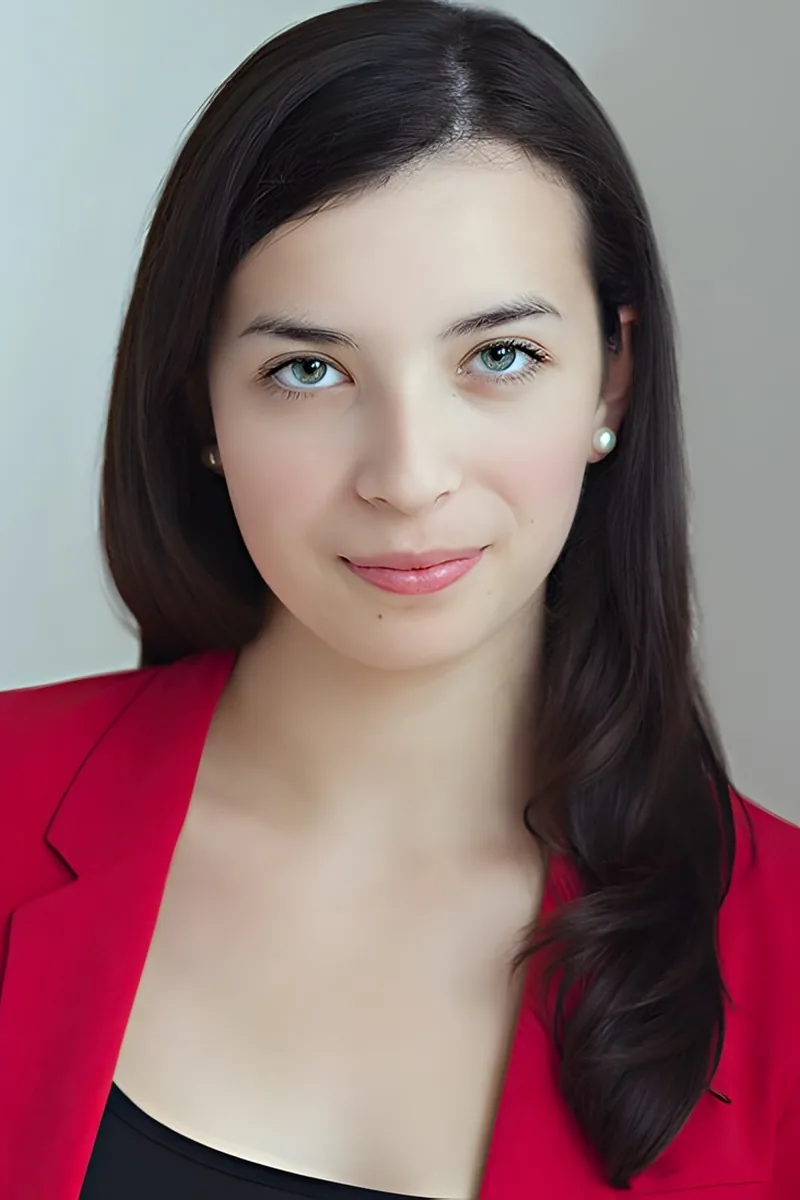
Four levels of French coursework give Elana a deep command of the language's trickiest grammar — subjunctive mood, pronoun placement, passé composé versus imparfait. She breaks down these concepts methodically and draws on French art, music, and literature to keep practice engaging. Rated 5.0 by students.

Lauren earned her bachelor's degree in French, which means she doesn't just teach grammar rules — she understands the language from the inside, including the irregular verb patterns, gendered agreement quirks, and subjunctive triggers that textbooks often gloss over. Whether a student is wrestling with passé composé versus imparfait or building reading comprehension, she can explain the why behind the rule.
Learning French means internalizing patterns — verb conjugation systems, gendered agreement, the logic behind subjunctive triggers — not just memorizing word lists. Emily earned a full French major at Yale alongside her science degree, so she teaches the structure underneath the language in a way that makes new grammar feel predictable rather than random.
Curtis has studied French through the advanced level, covering everything from passé composé versus imparfait to subjunctive mood and complex sentence construction. His background in English literature sharpens his attention to how language works structurally, which he applies to breaking down French grammar in ways that actually make the rules intuitive.
A year of graduate law study conducted entirely in French at the Sorbonne, plus experience as a professional French interpreter and translator, means Trace operates at near-native fluency. He teaches everything from foundational grammar and pronunciation to advanced composition and conversation, drawing on real-world contexts — legal documents, news articles, everyday dialogue — to make the language feel practical and alive.
Viola teaches French with an emphasis on building grammatical structure early — verb conjugations, gendered articles, and sentence construction — so students aren't guessing their way through readings and compositions later. Her approach breaks down each concept into clear patterns, making topics like passé composé versus imparfait feel logical rather than arbitrary.
Having studied French through advanced coursework, Anish teaches the language with attention to the grammatical scaffolding — verb conjugation patterns, pronoun placement, and the subjunctive triggers that trip up so many learners. He connects new vocabulary and structures to conversational contexts so the rules actually stick beyond the quiz.
Living in Guadeloupe for two years and teaching in French daily gave Megan a fluency that goes well beyond conjugation charts. She tackles everything from foundational grammar and pronunciation in French 1 to the more complex literary and conversational skills in French 4. Students get someone who can explain the logic behind tricky concepts like the subjunctive mood because she's used it in real life, not just read about it.
Having studied French through the advanced level, Jackie tackles everything from verb conjugation patterns and pronoun placement to reading comprehension in the target language. She connects grammar rules to practical usage so that concepts like the subjunctive mood or passé composé vs. imparfait distinction actually make sense instead of feeling like arbitrary rules to memorize.
Sarah's French isn't classroom-only; she actively reads, writes, and communicates in the language for her doctoral research on West African music. That practical fluency means she can teach grammar concepts like the subjunctive or object pronoun placement in context, connecting rules to how French actually sounds and functions in conversation and writing.
Living in France for two years turned French from a classroom subject into Joshua's second language, and he still converses regularly with native speakers to stay sharp. He teaches everything from foundational verb conjugations and gendered nouns to more advanced territory like the subjunctive and relative pronouns, adjusting based on what a student actually needs to unlock the next level.
Skyler's language-learning background extends beyond her Russian specialization — she has studied French formally and brings a linguist's eye to verb conjugation patterns, pronoun usage, and the grammatical structures that trip up English speakers. Her approach connects French grammar to the logic behind it, so rules like the subjunctive mood or passé composé vs. imparfait distinction actually make sense rather than feeling arbitrary.
Having tutored French to middle and high school students, Emily knows exactly where learners tend to stall — verb conjugation patterns, gendered nouns, and the leap from translating word-by-word to thinking in full French sentences. She builds reading and conversation skills alongside grammar so that rules stick in context rather than in isolation.
Learning French grammar — verb conjugations, gendered nouns, the subjunctive — often feels like an exercise in rote memorization until someone explains the logic underneath. Max teaches French by revealing those patterns, building from foundational structures in French 1 through the more complex reading and composition demands of French 2. His psychology background also gives him a sharp sense of how language acquisition actually works in the brain.
Eight months living and studying in France gave Kate the kind of fluency that textbooks alone can't provide — she knows how French actually sounds and flows in real conversation. She covers everything from passé composé vs. imparfait distinctions to advanced reading comprehension, and she's tutored both high school and adult learners.
From navigating gendered nouns to mastering the passé composé versus imparfait distinction, French is full of concepts that need more than rote memorization. Daniel studied French through the advanced level at Penn and uses that depth to explain not just what the rules are but why they exist. He connects reading, writing, and speaking practice so students build genuine comfort with the language.
Studying Italian and European Studies means Christopher lives inside Romance language territory daily — and since French and Italian share so much vocabulary, grammar structure, and Latin roots, he's constantly drawing connections between the two that make French click faster for learners. He covers fundamentals like verb conjugations and gendered nouns while pointing out the patterns that carry across both languages, turning what feels like memorization into recognition.
Noah teaches French grammar by connecting structure to logic — explaining why the subjunctive exists and when it triggers, rather than handing students a conjugation chart to memorize. His arts education and love of reading give him a cultural fluency that makes vocabulary and idiomatic expressions easier to retain.
Teaching Spanish, Italian, and French gives Katherine a Romance language toolkit — she can show students exactly how French conjugation patterns, gendered nouns, and sentence structures map onto (and diverge from) languages they may already know. Her English degree and graduate work in religious studies also mean she's comfortable guiding learners through French reading comprehension, from simple passages to more nuanced texts. Rated 5.0 by students.
Learning a second Romance language becomes much easier when someone can show you the patterns connecting it to one you already know. Geraldine, who is fluent in Spanish and studied French, draws on those shared Latin roots to demystify French grammar — explaining why subjunctive triggers or gendered nouns work the way they do. She emphasizes pronunciation and listening comprehension alongside written exercises.
Testimonials
Because the right French tutor makes all the difference.
Average Session Rating – Based on 3.4M Learner Ratings
Other Cincinnati Tutors
Related Languages Tutors in Cincinnati
Frequently Asked Questions
Speaking practice is one of the biggest challenges in traditional classroom settings, especially with student-teacher ratios like Cincinnati's average of 18.4:1. Personalized 1-on-1 instruction gives you consistent conversation practice with an expert tutor who can correct your pronunciation in real time, help you develop natural accent patterns, and build confidence speaking French. Regular speaking sessions also help you internalize grammar and vocabulary more effectively than written work alone.
French has complex verb conjugation rules with many irregular verbs, making it one of the most challenging aspects of learning the language. A tutor can break down conjugation patterns systematically, show you which verbs follow rules and which are exceptions, and give you targeted practice with verbs you actually use in conversation. This personalized approach helps you internalize patterns rather than just memorizing charts.
Vocabulary sticks best through spaced repetition and using words in context—something tutors can customize to your interests and learning pace. Rather than memorizing lists, expert tutors weave vocabulary into conversations, reading passages, and real-world scenarios you care about. This approach, combined with regular review sessions, helps you build active vocabulary you can actually use rather than passive recognition.
According to language learning research, reaching professional-level French proficiency typically requires around 600-750 hours of study. The timeline depends on your starting level, how often you practice, and the quality of instruction. Personalized tutoring accelerates progress by focusing on your specific weaknesses and providing intensive speaking practice, which is harder to get in group classes.
Not necessarily—grammar is just one piece of language learning. Understanding French culture, idioms, regional differences, and how native speakers actually communicate helps you use the language authentically. Expert tutors often weave cultural context into lessons, explaining why certain phrases are used, how French speakers think about concepts differently, and giving you insight into Francophone cultures beyond France itself.
Your first session is focused on assessment and building rapport. The tutor will gauge your current level across reading, writing, listening, and speaking; understand your goals (whether you're preparing for AP French, improving conversation skills, or starting from scratch); and discuss your learning style. From there, they'll create a personalized plan tailored to your needs and schedule regular sessions to track progress.
Yes—whether you're in a Cincinnati public school, private school, or homeschool program, tutors can align with your specific curriculum, help you prepare for tests and exams, and fill gaps in areas where you're struggling. Tutors are familiar with AP French, IB French, and standard high school and middle school French courses, and can provide targeted support on whatever your class is currently covering.
Immersion-style learning emphasizes using French naturally in conversation rather than translating from English or focusing heavily on grammar rules. Instead of "learn this conjugation, then use it," immersion tutors help you acquire language through meaningful interaction and context. This approach develops fluency faster because you're practicing the way native speakers actually learn—by using language to communicate real ideas, not just practicing isolated skills.
Let’s find your perfect tutor
Answer a few quick questions. We’ll recommend the right plan and match you with a top 5% tutor.