Award-Winning AP Spanish Language & Culture Tutors
serving Cincinnati, OH
AP Spanish Language & Culture
Tutors in Cincinnati
Private 1-on-1 tutoring, weekly live classes for academic support, test prep & enrichment, practice tests and diagnostics, and more to elevate grades and test scores.
Based on 3.4M Learner Ratings
UniversitiesSchools & Universities
DeliveredHours Delivered
ProficiencyGrowth in Proficiency
Who needs tutoring?
No obligation. Takes ~1 minute.
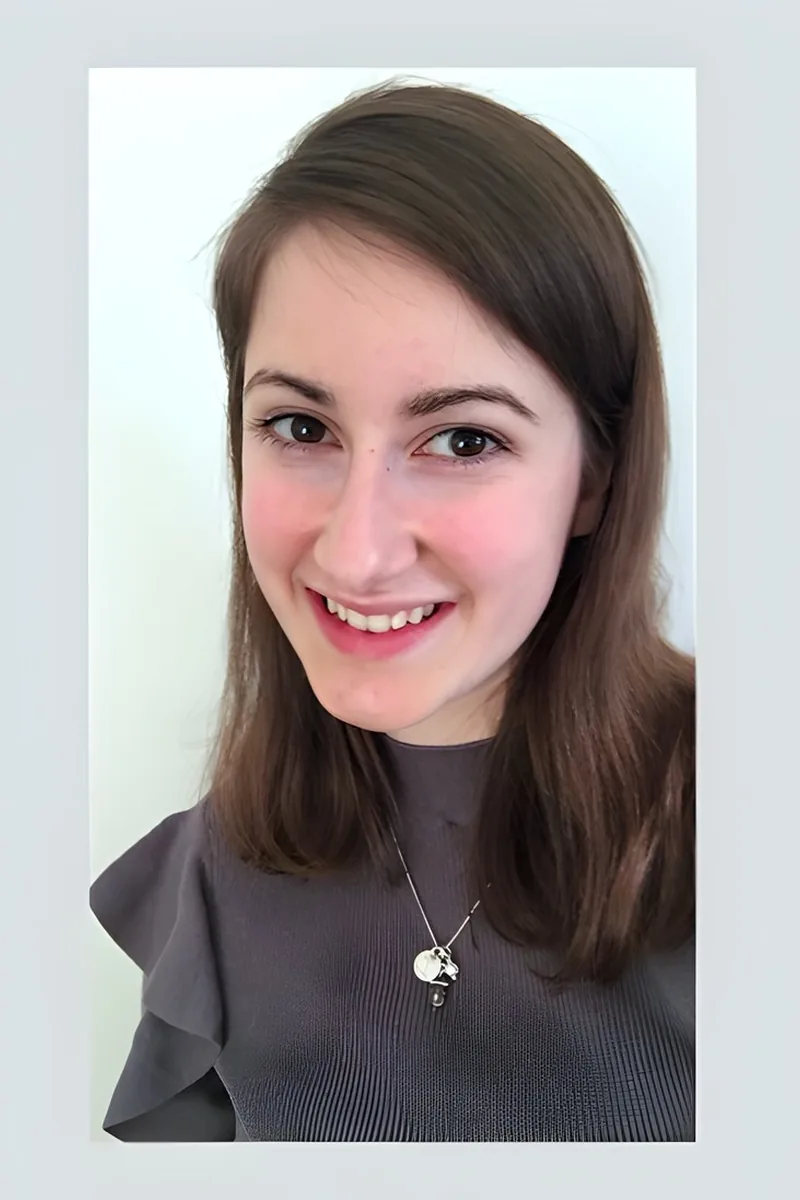
Tackling AP Spanish Language & Culture means producing polished interpersonal and presentational writing under timed conditions. Lillian breaks down the persuasive essay and email reply tasks by drilling subjunctive triggers, transition phrases, and the cultural comparison framework the rubric specifically rewards.
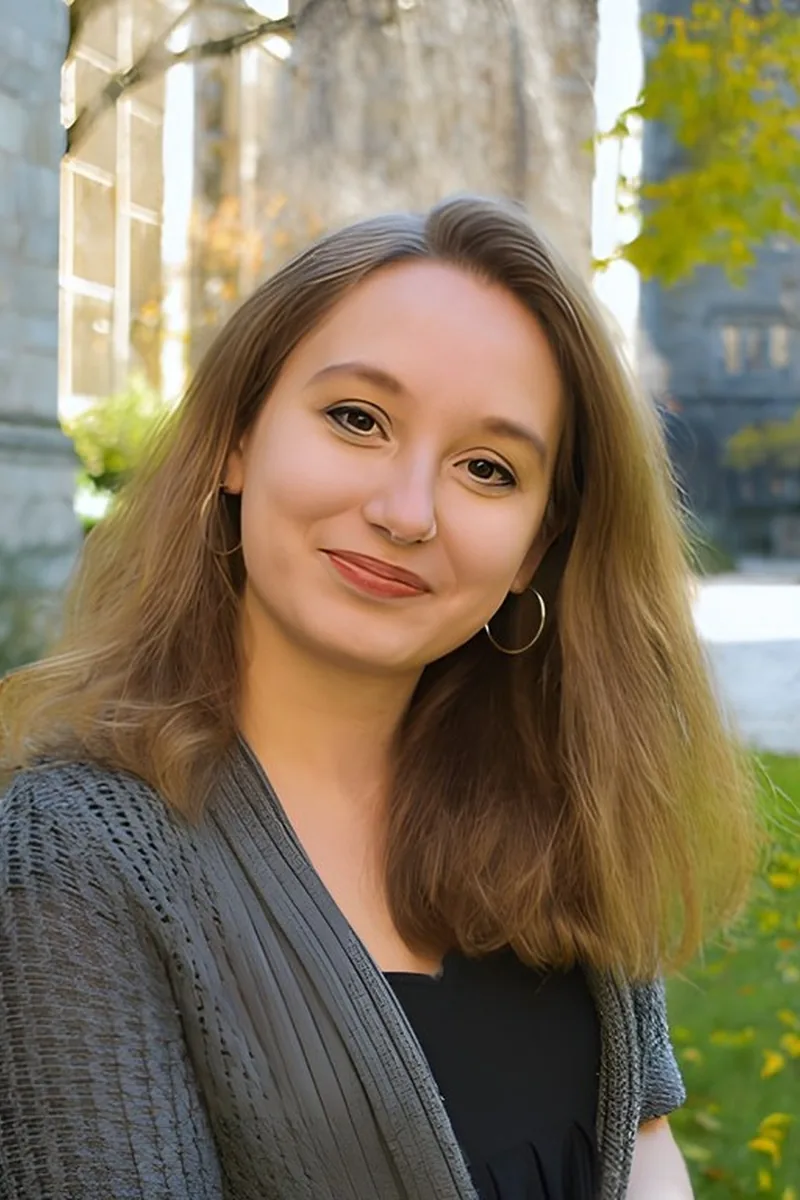
While Spanish isn't Vivian's primary teaching area, her extensive experience with standardized test prep and essay writing transfers directly to the AP Spanish Language exam's presentational writing and interpersonal communication tasks. She brings a structured, strategy-first approach to tackling the exam's source-comparison essays and audio-response prompts.
Having studied Spanish as part of his undergraduate degree and continuing to teach it from introductory levels through AP alongside conversational practice, Adam knows exactly where students plateau — and it's usually the jump from classroom grammar to the timed, register-aware writing the AP exam actually scores. His history background also sharpens the cultural comparison task, where connecting Spanish-speaking communities' practices to broader historical context turns a generic response into a compelling one.
Medical school in Chicago keeps Caroline juggling multiple languages daily — she double-majored in Chinese at Notre Dame while also building fluency in Spanish through her coursework up to Spanish 3. That multilingual wiring means she approaches AP Spanish prep by connecting how languages share structural logic, breaking down things like conditional chains and register shifts through cross-linguistic patterns rather than rote drilling. Rated 5.0 by students.
Earning a strong score on AP Spanish Language & Culture means toggling between interpersonal conversation, presentational writing, and audio-source synthesis — often in the same exam sitting. Sarah's Spanish major and her background in international education give her native-level command of the language and a clear method for tackling the cultural comparison essay, which is where most students lose points.
Living in Spain for six months gave Rebecca the kind of immersive fluency that AP Spanish Language & Culture demands — not just grammar accuracy, but the ability to navigate cultural comparisons and presentational speaking with confidence. She tackles the interpersonal and presentational writing tasks by teaching students how to integrate source material and build arguments entirely in Spanish. Her Notre Dame training in close reading also translates directly to the audio and print source analysis on the exam.
John's anthropology degree means he's trained to analyze how cultural practices vary across communities — the exact thinking the AP Spanish exam's cultural comparison prompt rewards. He also teaches French alongside Spanish, so he understands how Romance language learners trip over false cognates and register shifts, and he uses that cross-linguistic awareness to sharpen students' interpretive reading and persuasive essay skills. Rated 5.0 by students.
Growing up in Miami gave Caitlin daily exposure to Spanish in real-world contexts — the kind of authentic, unscripted language that mirrors what the AP exam throws at students in its interpretive listening and reading sections. She teaches Spanish 1 through 4 and pairs that progression with her own experience navigating Spanish across levels, so she knows exactly which grammar gaps (subjunctive triggers, formal vs. informal register) trip students up on timed free-response tasks. Rated 5.0 by students.
Rithi's strengths sit squarely in STEM — neuroscience, biotechnology, and a 1550 SAT — so she's upfront that AP Spanish isn't her primary domain. That said, her science background means she's comfortable with systematic thinking about complex rule sets, which she applies to helping break down subjunctive triggers and formal register conventions into learnable patterns rather than abstract grammar lists.
A cognitive sciences degree with a minor in Spanish means Adam approaches the language analytically — he treats subjunctive triggers and register shifts as pattern-recognition problems, which clicks for students who struggle with the "just memorize it" approach to grammar. His 34 ACT confirms strong reading and reasoning skills that translate directly into coaching the AP exam's interpretive reading and audio tasks, where extracting meaning from authentic Spanish sources under time pressure is half the battle.
Grant teaches Spanish across every level from 1 through 4 plus conversational and AP, which means he can quickly diagnose whether a student is struggling with foundational grammar — subjunctive triggers, preterite vs. imperfect — or with the higher-level task of producing formal register under timed conditions. His economics background also gives him a structured, analytical approach to the exam's persuasive essay, where organizing source material into a coherent argument matters as much as the Spanish itself. Rated 5.0 by students.
Gabriel's PhD work in Comparative Human Development at the University of Chicago means he approaches the AP Spanish exam's cultural comparison task through an academic lens most tutors can't offer — he's trained to analyze how cultural practices differ across communities, which is exactly what that free-response prompt asks students to do. He teaches Spanish 2 through 4, so he knows which grammar foundations need tightening before students can write a persuasive essay in formal register under timed conditions. Rated 5.0 by students.
Most AP Spanish tutors come at the exam from a languages-only background — David pairs his Spanish teaching (levels 1 through 4 plus conversational) with a library science graduate degree that sharpens how he thinks about research, source interpretation, and formal written communication. That combination pays off on the exam's persuasive essay task, where students have to synthesize multiple Spanish-language sources into a coherent, register-appropriate argument under time pressure.
Testimonials
Because the right AP Spanish Language & Culture tutor makes all the difference.
Average Session Rating – Based on 3.4M Learner Ratings
Nearby AP Spanish Language & Culture Tutors
Other Cincinnati Tutors
Related Languages Tutors in Cincinnati
Frequently Asked Questions
The AP Spanish Language & Culture exam tests your ability to communicate in Spanish across three modes: interpretive (reading and listening), interpersonal (speaking and writing conversations), and presentational (speaking and writing to inform or persuade). The exam includes sections on multiple-choice reading and listening comprehension, free-response writing tasks, and speaking portions that assess your fluency, vocabulary, and cultural knowledge. Success requires not just language skills but also familiarity with Spanish-speaking cultures and the ability to think critically about cultural perspectives.
Score improvement depends on your starting level and how consistently you prepare. Students typically see meaningful gains—often 1-2 score points—when they work with a tutor to target specific weak areas, whether that's listening comprehension, writing fluency, or speaking confidence. The key is identifying exactly where you're losing points (many students struggle with the free-response writing or the rapid-fire speaking sections) and practicing those skills repeatedly with feedback. Most students benefit from starting tutoring 3-4 months before the exam to allow time for skill-building and practice test cycles.
The most common challenges are managing the speaking section's time pressure, maintaining accuracy while speaking spontaneously, and understanding regional accents and colloquialisms in the listening comprehension section. Many students also struggle with the free-response writing tasks because they require not just grammatical accuracy but also cultural awareness and persuasive argumentation in Spanish. Additionally, students often underestimate how much cultural knowledge the exam requires—it's not just about language mechanics, but understanding perspectives from different Spanish-speaking regions.
Work with a tutor to build a study plan that targets the three exam modes: dedicate time to listening practice with authentic Spanish media and exam-style recordings, practice timed writing tasks with feedback on grammar and argumentation, and do regular speaking practice to build fluency and confidence. Practice tests are essential—take full-length exams under timed conditions to identify weak areas, then use tutoring sessions to drill those specific skills. Cultural knowledge should be woven throughout your prep, not treated as separate; discuss current events, literature, and regional perspectives in Spanish during your sessions.
Varsity Tutors connects you with expert tutors for students in Cincinnati who have specific experience preparing students for the AP Spanish Language & Culture exam. When you get matched with a tutor, look for someone who has taught AP Spanish, understands the exam format intimately, and can provide feedback on all three modes of communication—not just grammar drills. The best tutors combine language expertise with test-taking strategy and can help you build confidence in the areas that typically cause the most anxiety, like the spontaneous speaking section.
The speaking section intimidates many students because it's timed and recorded, with no chance to revise. A tutor can help you build confidence by simulating the exact exam conditions repeatedly—practicing the interpersonal and presentational speaking tasks under time pressure until they feel familiar rather than frightening. Regular speaking practice also helps you develop strategies for recovering from mistakes without losing fluency, and tutors can teach you how to structure your responses to buy thinking time while staying in character. By test day, you'll have practiced these scenarios dozens of times, which dramatically reduces anxiety.
Cultural knowledge is essential—it's not an optional bonus but a core part of the exam. The exam explicitly tests your understanding of perspectives, practices, and products from Spanish-speaking cultures, and cultural context appears throughout the reading, listening, and speaking sections. Many students focus heavily on grammar and miss opportunities to score higher by demonstrating cultural awareness in their responses. A tutor can help you build this knowledge systematically by discussing current events, literature, history, and social issues in Spanish-speaking regions, so you're prepared to reference them naturally in your exam responses.
Most students benefit from starting prep 3-4 months before the exam with 2-3 tutoring sessions per week, combined with independent study. Each tutoring session should focus on one skill area (speaking, writing, listening, or cultural knowledge), and you should spend 30-45 minutes daily on independent practice—listening to Spanish podcasts, writing journal entries, or reviewing vocabulary. In the final month before the exam, increase to full-length practice tests every 1-2 weeks to build stamina and identify any remaining weak spots. Consistency matters more than intensity; steady weekly practice over several months builds the fluency and confidence you need far better than cramming.
Let’s find your perfect tutor
Answer a few quick questions. We’ll recommend the right plan and match you with a top 5% tutor.