Award-Winning AP Spanish Literature and Culture Tutors
serving Cincinnati, OH
AP Spanish Literature and Culture
Tutors in Cincinnati
Private 1-on-1 tutoring, weekly live classes for academic support, test prep & enrichment, practice tests and diagnostics, and more to elevate grades and test scores.
Based on 3.4M Learner Ratings
UniversitiesSchools & Universities
DeliveredHours Delivered
ProficiencyGrowth in Proficiency
Who needs tutoring?
No obligation. Takes ~1 minute.
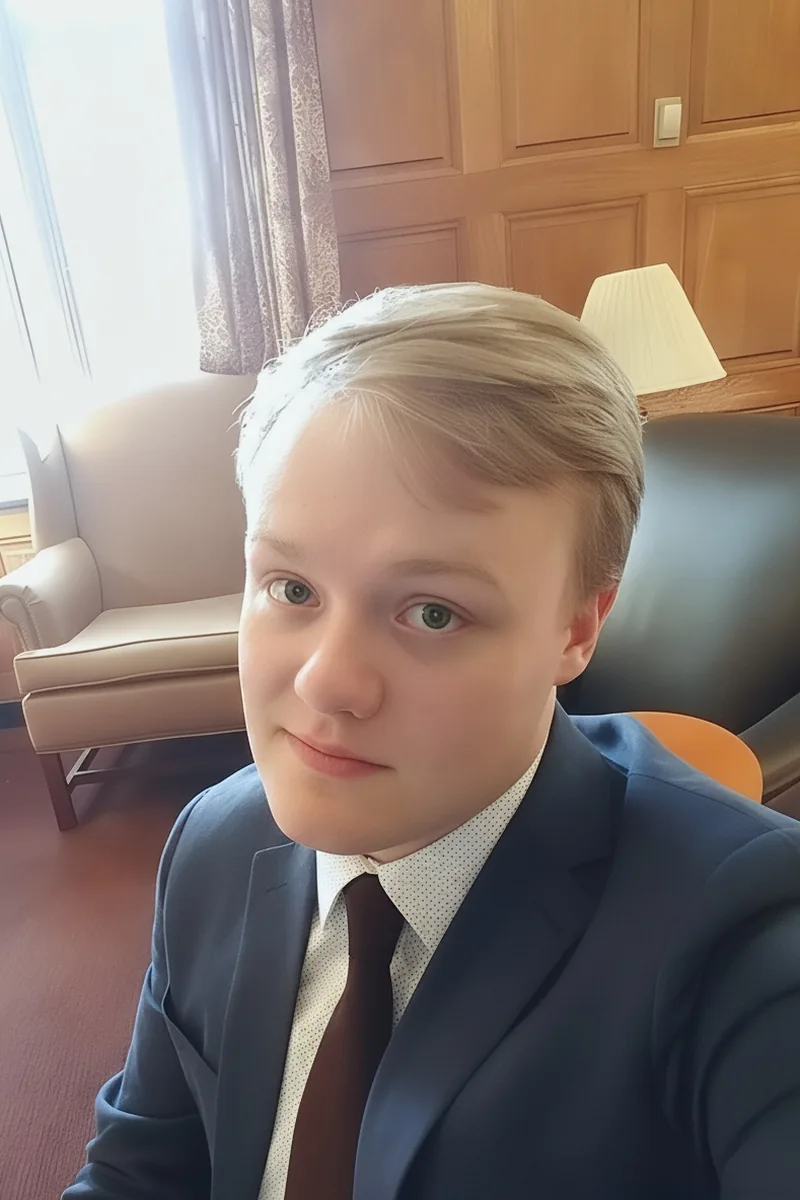
Few tutors can match Trace's combination of a summa cum laude specialization in Spanish from Ohio State and professional experience as a Spanish-language court interpreter. For AP Spanish Literature and Culture, he unpacks texts from Cervantes to García Márquez in their original language, teaching students to write literary analysis in Spanish with the sophistication the exam requires.

Elliot's training is in neuroscience and cognitive science, not Spanish literature — so this is a peripheral subject for him. That said, his PhD-level analytical skills and experience teaching writing and essay construction mean he can coach students on the structural mechanics of timed literary essays: building a thesis, organizing textual evidence, and arguing a point clearly under pressure.
Growing up as a native Spanish speaker and writer while simultaneously studying English literature and theater at Bowdoin gave Alex an unusual double fluency — literary analysis skills honed in two languages at once, which is precisely what this exam's timed essays in Spanish demand. His graduate work in biology might seem unrelated, but the evolutionary and bioanthropological lens he brings to questions of cultural identity and human experience adds unexpected depth when unpacking themes in reading list works from Quiroga to Allende. Rated 4.8 by students.
Medical school sharpens one skill that translates surprisingly well to AP Spanish Literature: reading dense, complex material under pressure and extracting exactly what matters. Brianna's biology degree and Spanish tutoring experience give her the language foundation, while her test-taking discipline (1490 SAT, 32 ACT) carries over to coaching students on structuring timed analytical essays where clear argumentation counts more than literary flourish. This isn't her deepest subject, but for students who need help with the mechanics of building an evidence-based essay under exam conditions, her systematic approach fills a real gap.
James's finance and marketing degrees aren't the obvious path to AP Spanish Literature — but his coursework through AP Spanish Literature and Culture plus Spanish 4 and his experience teaching across every level of the language mean he knows the reading list and can coach essay construction in Spanish. Where he adds unexpected value is in the argumentative structure side: building a persuasive, evidence-driven thesis under time pressure is something his business training reinforced from a different angle, and that discipline transfers directly to the AP free-response section.
Studying Latin American Studies at Columbia alongside her American Studies major, Grace reads and analyzes Spanish-language literature at the university level daily. She unpacks the thematic and stylistic demands of the AP exam — from close reading García Márquez's magical realism to writing persuasive literary analysis essays in Spanish — with the cultural context that the rubric rewards.
Richard's engineering background at the University of Tulsa might seem far from literary analysis, but his Spanish coursework through advanced levels and his instinct for systematic problem-solving give him a practical angle on the AP exam's timed essays — particularly breaking a prompt into a clear thesis, supporting claims, and organizing evidence under pressure. He's upfront that this isn't his deepest subject, so he's best suited for students who already read comfortably in Spanish and need help with the structural mechanics of constructing analytical arguments on exam day.
A cellular and molecular biology major might seem like an unlikely fit for this exam, but Isaac's 35 ACT and his coursework in AP Spanish give him the analytical reading skills and structured argumentation that the free-response essays demand — thesis construction, evidence selection, and writing under time pressure. For students who already have strong Spanish fluency and need someone to sharpen the mechanics of timed literary analysis, his science-trained precision translates surprisingly well.
Three years as a Peace Corps volunteer in the Dominican Republic and time teaching at a bilingual school in Costa Rica gave Courtney the kind of lived Spanish fluency that comes from daily immersion — not just classroom study. That real-world grounding in Caribbean and Latin American culture adds context when she walks students through reading list works where themes of colonialism, identity, and societal contact demand more than textbook definitions to unpack in a timed essay.
Double-majoring in English and Spanish at Butler — with a history minor and honors program work — meant Darby spent four years reading literature through both linguistic and cultural lenses simultaneously, a habit that translates directly to analyzing AP reading list texts where literary movements cross national and language boundaries. She teaches essay construction in Spanish with a creative writer's attention to how an author's formal choices (imagery, tone, narrative voice) carry argumentative weight in timed free-response writing. Rated 5.0 by students.
Before college, Heather's high school Spanish teacher trusted her enough to refer another student to her for one-on-one tutoring — the kind of endorsement that speaks to genuine command of the language beyond classroom basics. Her psychology training adds a useful angle for AP Literature essays where character motivation and identity themes drive the analysis, and she brings patient, structured coaching to students who get overwhelmed by timed writing in Spanish. Rated 5.0 by students.
Growing up as a native Spanish speaker and completing AP Spanish Literature coursework through the IB program, Solange reads and analyzes texts by authors like Cervantes and Borges in their original language without defaulting to English translation as a bridge. She teaches students to move between close reading of poetic form and constructing timed analytical essays — the exact skill set the exam's free-response section rewards. Rated 5.0 by students.
Honest assessment: AP Spanish Literature and Culture isn't Morgan's wheelhouse — her strengths are English literature, writing, and standardized test prep (she scored a 34 ACT and holds a 5.0 rating). That said, her English degree at Washington University in St. Louis means she lives inside literary analysis daily, and for students who already have strong Spanish fluency but struggle with essay structure — building a thesis, integrating textual evidence, constructing an argument under time pressure — those skills transfer directly to the AP free-response format.
Testimonials
Because the right AP Spanish Literature and Culture tutor makes all the difference.
Average Session Rating – Based on 3.4M Learner Ratings
Nearby AP Spanish Literature and Culture Tutors
Other Cincinnati Tutors
Related Languages Tutors in Cincinnati
Frequently Asked Questions
AP Spanish Literature and Culture focuses on reading and analyzing literary texts in Spanish across multiple genres—poetry, drama, short stories, and novels. The course emphasizes cultural contexts, themes of identity and social change, and the relationship between literature and society. Students develop skills in textual analysis, interpretation, and written expression, culminating in the AP exam which includes multiple-choice questions on reading comprehension and free-response essays analyzing literary passages.
Score improvement depends on your starting point and how consistently you engage with tutoring. Students who work with tutors on identifying weak areas—whether that's analyzing poetic devices, understanding cultural nuances, or improving essay structure—typically see meaningful gains. Many students improve by 1-2 score points (from a 3 to a 4 or 4 to a 5) when they focus on targeted practice with expert feedback on their specific challenges.
Students often struggle with understanding literary devices and cultural references in authentic Spanish texts, especially when vocabulary or regional expressions are unfamiliar. Time management during the exam is another common challenge—the free-response section requires students to write analytical essays under pressure. Additionally, many students find it difficult to move beyond surface-level reading to analyze deeper themes and author intent, which is essential for earning high scores on the exam.
Varsity Tutors connects you with expert tutors who can help you build strong textual analysis skills, expand your understanding of cultural contexts, and develop essay-writing strategies specific to the AP format. Tutors work with you on pacing strategies for the exam, help you identify patterns in question types you find challenging, and provide feedback on your practice essays to strengthen your written responses. Regular practice with expert guidance helps build confidence and familiarity with what the exam graders are looking for.
Your first session is focused on understanding your current level, identifying your strengths and areas for growth, and establishing a study plan tailored to your goals. Your tutor will likely review a sample of your work—such as practice essays or reading comprehension responses—to pinpoint specific challenges, whether that's analyzing certain literary devices, managing time on the exam, or improving your written expression in Spanish. From there, you'll work together to create a focused plan that addresses your priorities before test day.
Most students benefit from starting exam preparation 3-4 months before the AP exam in May, though this varies based on your current proficiency and comfort with literary analysis. A consistent study schedule—combining regular tutoring sessions with independent practice—works better than cramming. Working with a tutor helps you use your study time efficiently by focusing on your specific weak areas rather than reviewing material you've already mastered.
Practice tests are crucial for AP Spanish Literature and Culture because they help you understand the exam format, practice time management, and identify which literary concepts or question types challenge you most. Taking full-length practice tests under timed conditions reveals pacing issues and helps you build stamina for the actual exam. Your tutor can review your practice test results to pinpoint patterns in your mistakes and adjust your study plan accordingly.
Look for tutors with strong Spanish language proficiency and demonstrated expertise in literary analysis—ideally someone with experience teaching or tutoring AP Spanish Literature specifically. They should understand the AP exam format, scoring rubrics, and common student challenges. When you connect with Varsity Tutors, we match you with experienced tutors who have the subject knowledge and teaching skills to help you succeed on this challenging exam.
Let’s find your perfect tutor
Answer a few quick questions. We’ll recommend the right plan and match you with a top 5% tutor.