Award-Winning Psychology Tutors
serving Charlotte, NC
Award-Winning
Psychology
Tutors in Charlotte
Private 1-on-1 tutoring, weekly live classes for academic support, test prep & enrichment, practice tests and diagnostics, and more to elevate grades and test scores.
Based on 3.4M Learner Ratings
UniversitiesSchools & Universities
DeliveredHours Delivered
ProficiencyGrowth in Proficiency
Who needs tutoring?
No obligation. Takes ~1 minute.
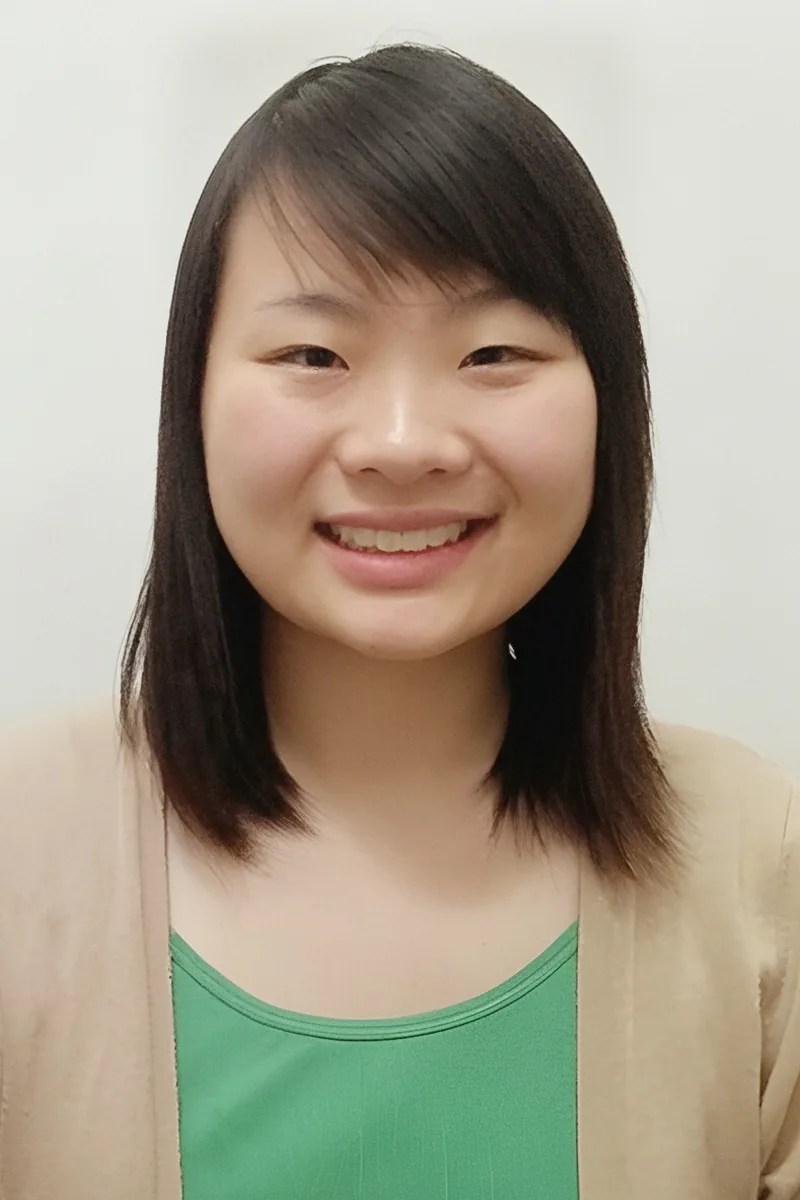
A UChicago psychology degree means Sherry didn't just survey the field — she dug into research methodology, statistical reasoning, and the theoretical debates behind concepts like classical conditioning, cognitive dissonance, and attachment theory. Now pursuing graduate work at Columbia, she brings both academic depth and practical teaching experience to topics ranging from abnormal psychology to social cognition.
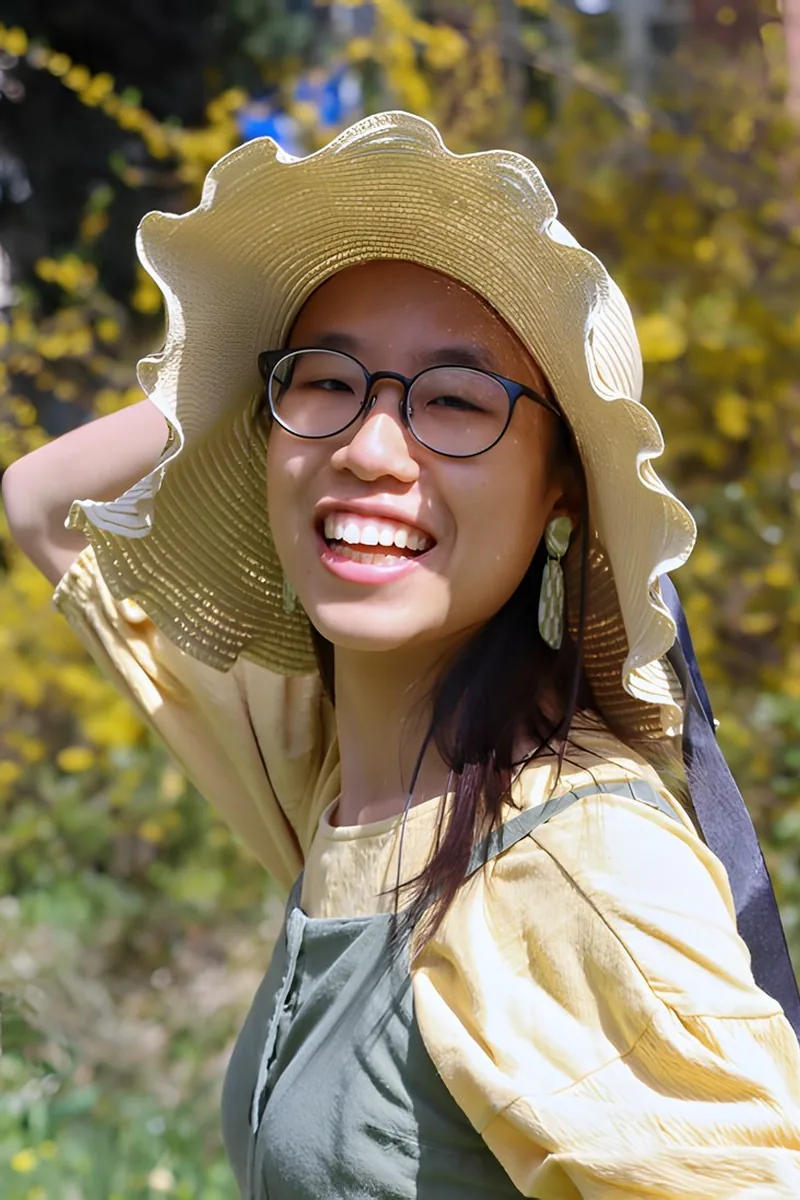
Growing up in Malaysia before studying at Penn and earning a master's in education from Harvard, Yu brings a cross-cultural perspective to psychology that makes topics like social cognition, conformity, and cultural influences on behavior feel immediate rather than theoretical. She draws on education policy training to unpack how psychological research actually gets applied — from motivation theory in classrooms to the design flaws in landmark studies students need to critique on exams.
Medical training at the doctoral level means Jessica spent years learning how psychological concepts like stress response, behavioral conditioning, and cognitive development actually manifest in patients — not just in textbook diagrams. She connects that clinical perspective to the research methods and theoretical frameworks that psychology courses test on, making topics like abnormal behavior and biological bases of behavior click faster. Rated 4.8 by students.
Ellie's autism research at the Yale School of Medicine gives her a hands-on understanding of cognitive and behavioral concepts that most psychology tutors only know from textbooks. She connects topics like neurodevelopment, research methodology, and psychological disorders to real lab work, making abstract theories concrete and easier to retain.
Holding a degree in psychology and now pursuing medicine, Sydny connects psychological concepts to their biological roots — explaining how the limbic system drives emotion, or why conditioning principles show up in clinical treatment. She digs into research methods, developmental stages, and abnormal psych with the depth of someone who has studied these topics across multiple disciplines.
Reporting for a trade magazine means Meghan spends her days interviewing people, reading their motivations, and figuring out why they make the decisions they do — skills that map directly onto psychology's core questions about behavior, cognition, and social influence. Her Northwestern journalism training emphasized research methodology and evidence evaluation, which translates well to unpacking psychological studies and writing the kind of analysis that psych courses grade on. Rated 5.0 by students.
Frances earned her bachelor's degree in psychology from Duke, which means she isn't just teaching vocabulary terms like "classical conditioning" or "cognitive dissonance" — she studied the research methods, statistical reasoning, and theoretical frameworks behind them. She connects textbook concepts to real experimental designs so students understand not just what psychologists found, but how they found it and why it matters.
Rachel's public health training at Johns Hopkins required deep engagement with psychological research methods, behavioral theory, and how social environments shape cognition and decision-making. She unpacks concepts like operant conditioning, cognitive biases, and research design by tying them to real scenarios — the kind of everyday connections that make psychology's vocabulary and frameworks easier to retain.
A Princeton English major might not scream psychology, but Jane's deep training in close reading and argument analysis translates directly to the discipline's research-heavy coursework — picking apart study designs, identifying flawed reasoning, and writing the kind of precise, evidence-backed responses that psych exams reward. Her 34 ACT and study-strategy background also mean she can teach students how to efficiently retain dense terminology like the DSM classifications or Piaget's stages without resorting to brute-force memorization. Rated 5.0 by students.
Holding a bachelor's degree in psychology, Niabari digs into the subject with real depth — whether that's distinguishing classical from operant conditioning, unpacking research methodology, or explaining the biological basis of memory. She connects textbook theories to recognizable, everyday examples that make concepts like cognitive dissonance or attachment styles genuinely stick.
Bidyut's biomedical engineering background at Johns Hopkins overlaps heavily with psychology's biological foundations — neurotransmitter pathways, brain anatomy, and the physiological basis of behavior. He unpacks concepts like classical conditioning, cognitive development stages, and research methodology by grounding them in the science behind how the brain actually works.
Having studied both biological sciences and philosophy at the University of Chicago, Kristin approaches psychology from two angles most tutors can only cover one at a time — the neural and biological underpinnings of behavior, and the deeper questions about consciousness, free will, and moral reasoning that philosophy-heavy psych units explore. Her nursing training adds a clinical dimension to topics like stress response, psychopharmacology, and abnormal behavior that keeps the material grounded in how these concepts actually play out in real patients. Rated 5.0 by students.
Testimonials
Because the right Psychology tutor makes all the difference.
Average Session Rating – Based on 3.4M Learner Ratings
Other Charlotte Tutors
Related Social Sciences Tutors in Charlotte
Frequently Asked Questions
Psychology students typically need to build strong understanding in core areas like research methods, biological bases of behavior, cognition, development, and social psychology. Many Charlotte students struggle with connecting abstract psychological theories to real-world applications, which is why personalized instruction helps clarify how concepts like classical conditioning or cognitive biases actually work in everyday life. A tutor can break down these foundational pillars at your pace, ensuring you develop genuine comprehension rather than just memorizing definitions.
Students often struggle with the breadth of material—psychology covers everything from neuroscience to social dynamics—making it hard to see connections between topics. Many also find research methods and statistics intimidating, especially when interpreting studies and understanding experimental design. Personalized tutoring addresses these challenges by helping you organize information into meaningful patterns, master statistical concepts through practice, and develop strategies for tackling complex multi-part exam questions.
The AP Psychology exam (scored 1-5) requires not just memorization but the ability to apply concepts to new scenarios and analyze research critically. Tutors can help you develop a study plan that covers all 9 units systematically, practice with released exam questions, and build skills in essay writing and multiple-choice strategy. With Charlotte's average student-teacher ratio of 16.8:1, personalized 1-on-1 instruction gives you the focused attention needed to move from understanding concepts to confidently applying them under test conditions.
In a classroom with 20+ students, your teacher can't slow down to clarify why you're confused about operant conditioning or speed up if you grasp concepts quickly. Personalized instruction lets a tutor diagnose exactly where your understanding breaks down, use examples relevant to your interests, and adjust pacing to match your learning speed. This targeted approach is especially valuable in Psychology, where connecting theory to practice and developing critical thinking skills requires individualized feedback.
Your first session focuses on understanding your current level, learning goals, and challenges. A tutor will likely review your recent work, discuss which topics feel confusing, and ask about your learning style to personalize their approach. You'll leave with a clear sense of how tutoring can help and a plan for your next sessions, whether you're preparing for an exam, working through difficult concepts, or aiming to improve your grade.
Research methods and statistics feel abstract because they're often taught separately from real studies, making it hard to see why they matter. Students also typically haven't had much practice designing experiments or interpreting data, so concepts like correlation, causation, and experimental control feel unfamiliar. Tutors can make this section click by walking you through actual studies, having you design your own mini-experiments, and using practice problems to build confidence with statistical thinking.
Improvement depends on where you're starting and your goals—some students move from C's to B's within a few weeks, while others focus on mastering specific units or improving exam performance. The key is that personalized instruction targets your specific gaps rather than reviewing material you already understand, which accelerates progress. Most students see meaningful improvement in their ability to apply concepts, answer analysis questions, and feel confident about the material within 4-6 weeks of consistent tutoring.
Look for tutors with strong backgrounds in Psychology—whether that's a college degree in the subject, teaching experience with Psychology courses, or demonstrated expertise in specific areas like AP Psychology or research methods. Beyond credentials, you want someone who can explain concepts clearly, adapt their teaching style to how you learn, and help you develop critical thinking skills rather than just memorizing facts. Varsity Tutors connects you with tutors who meet these standards and can work with your specific needs.
Let’s find your perfect tutor
Answer a few quick questions. We’ll recommend the right plan and match you with a top 5% tutor.