Award-Winning Japanese Tutors
serving Charlotte, NC
Japanese
Tutors in Charlotte
Private 1-on-1 tutoring, weekly live classes for academic support, test prep & enrichment, practice tests and diagnostics, and more to elevate grades and test scores.
Based on 3.4M Learner Ratings
UniversitiesSchools & Universities
DeliveredHours Delivered
ProficiencyGrowth in Proficiency
Who needs tutoring?
No obligation. Takes ~1 minute.
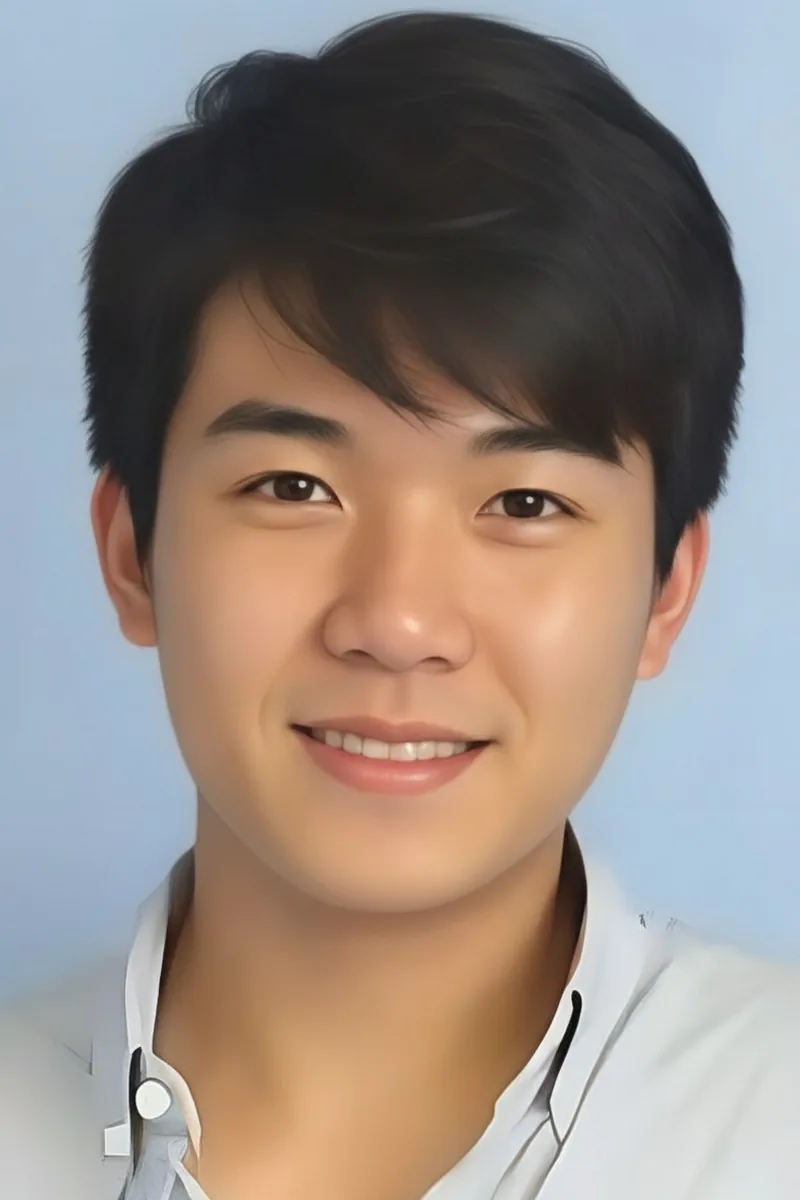
Sho teaches Japanese with attention to the details that trip up English speakers most — particle usage, verb conjugation groups, and the shift between casual and polite registers. Whether a student is learning hiragana for the first time or working through intermediate kanji and grammar patterns, he brings structured practice to a language that rewards consistency.
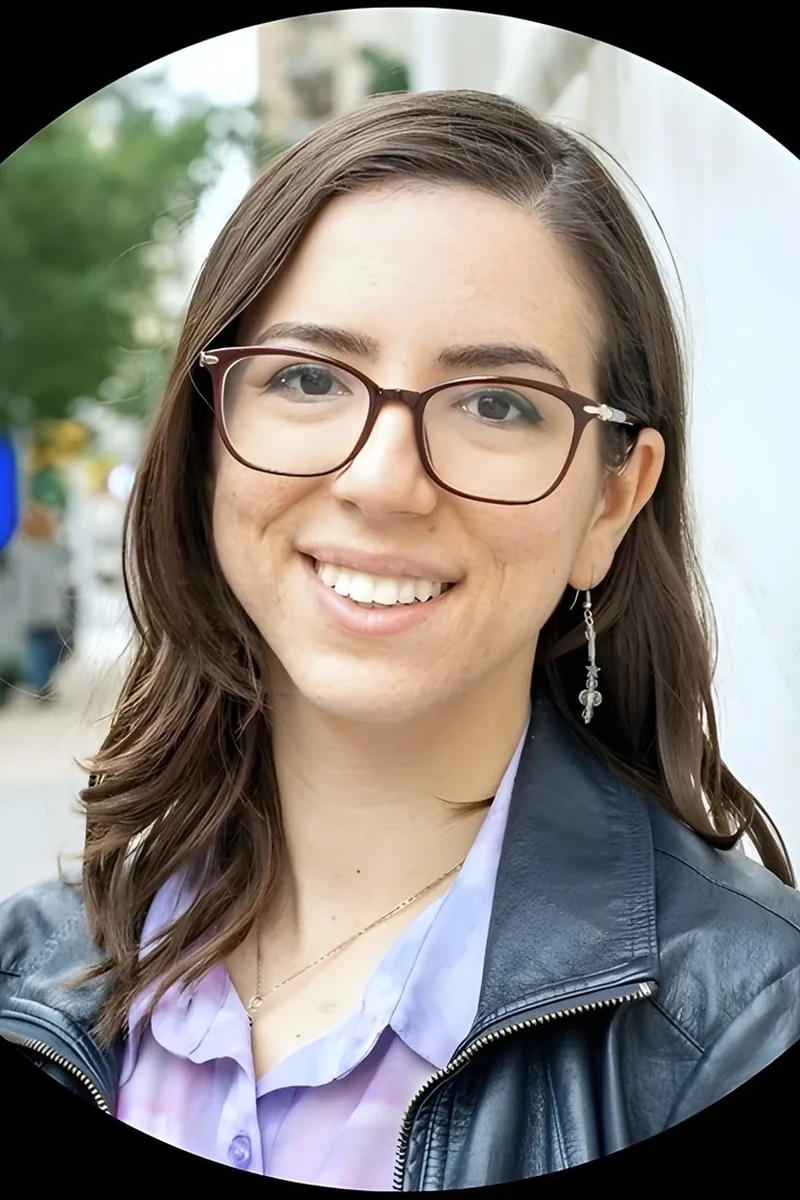
Learning Japanese means juggling three writing systems, a grammar structure that's the reverse of English, and cultural nuances that change how you speak depending on who you're talking to. Natasha taught Japanese at the high school level and lived in Japan teaching in elementary schools, giving her the kind of practical fluency that makes hiragana drills, particle usage, and conversational practice feel grounded in real life. She's 5.0-rated and works with beginners through advanced learners.
Few Japanese tutors can combine formal academic study with real teaching experience in Japan — Sophie has both. Her East Asian Studies work at Princeton included intensive Japanese language training, and she spent time teaching English in Japan, which gave her deep familiarity with how the two languages map onto (and diverge from) each other. She tackles everything from hiragana and katakana basics to particle usage and keigo politeness levels.
Learning Japanese means juggling three writing systems, unfamiliar sentence structures, and particles that don't map neatly onto English — Rex tackles each layer separately so students can build real reading and conversational ability. His communication design background also gives him a unique perspective on how visual layout and typography work in Japanese media, which keeps lessons engaging and culturally grounded.
I'm currently a freshman at Brown University. I will most likely triple major in Ancient Greek & Sanskrit, Latin, and Japanese. I have had lots of experience tutoring those around me, such as friends, peers, and class mates, and I have always enjoyed seeing their progress as students. My tutoring experiences include after-school assistance to those struggling in Ancient Greek at my former high school, to helping Juniors and Sophomores help ace the SAT. My specialty is language and history, with an emphasis on Japanese, English, Latin, US history and World History, but I am also more than happy to help out those struggling with Algebra and Geometry. As someone who was once an ESL student himself, I believe that a good education rests upon the ability to comprehend, interact, and apply ideas. Besides academic matters, I am also fond of running, calisthenics, and Enka music.
I am studying Chemical Biology in UC Berkeley. One of my passions is Organic Chemistry, which I used to loath but now enjoys after taking a year of it. Also, because I like helping others, I enjoys tutoring/teaching students who are struggling. During high school, I have tutored other high students after school on various subjects such as Math, Physics, Chemistry, and Latin. During college, I have held informal review sessions for General Chemistry and Organic Chemistry for my underclassmen. I tutored my roommate and one of my underclassmen in Organic Chemistry. Finally, with a Graduate Student TA, I co-taught a Organic Chemistry Lab class section , where I answer questions regarding lab material and demonstrate lab techniques. Currently, I am interested in tutoring Organic Chemistry, General Chemistry, Biochemistry, Physics, and Calculus
Emily minored in Japanese at Texas A&M and continues to engage with the language through media and self-study. She teaches hiragana, katakana, and foundational grammar patterns like particle usage with the same structured approach she applies to her other languages, making the writing systems feel systematic rather than overwhelming.
Briana minored in Japanese at Michigan State, giving her a grounded understanding of the language's grammar patterns, particle usage, and writing systems — hiragana, katakana, and introductory kanji. She approaches Japanese as someone who learned it systematically in an academic setting, which means she can explain the "why" behind structures that often confuse English speakers.
Growing up attending the Japanese Weekend School of New Jersey while enrolled in American public schools, Hidefusa developed native-level fluency in both languages and a deep understanding of where English speakers stumble with Japanese. He teaches everything from hiragana and katakana basics to kanji recognition, particle usage, and keigo (formal speech) — drawing on the bilingual instincts of someone who has lived in both linguistic worlds.
Learning Japanese means juggling three writing systems, honorific levels, and grammar that works nothing like English — and Karen tackles all of it from firsthand experience using the language abroad. Whether a student is memorizing their first hundred kanji or practicing particle usage in complex sentences, she builds each lesson around practical communication skills.
As a native Japanese speaker with over fifty years of fluency in reading, writing, and conversation, Hatsuki teaches the language the way it's actually used — from particle usage and keigo (honorific speech) to the nuances between hiragana, katakana, and kanji in everyday contexts. She currently lives in the U.S. with her family, giving her a natural understanding of where English speakers stumble with Japanese grammar and pronunciation.
Linguistics training gives Andrew a structural advantage when teaching Japanese — he understands how languages build meaning differently, which matters when explaining why particles replace prepositions or why verbs land at the end of every sentence. His background in Korean and German means he's personally navigated multiple grammar systems far removed from English, and he applies that comparative instinct to make Japanese word order and conjugation feel logical rather than arbitrary.
Testimonials
Because the right Japanese tutor makes all the difference.
Average Session Rating – Based on 3.4M Learner Ratings
Other Charlotte Tutors
Related Languages Tutors in Charlotte
Frequently Asked Questions
Your first session is an opportunity for a tutor to understand your current level, learning goals, and preferred pace. Whether you're starting from scratch or building on classroom learning, the tutor will assess your strengths in reading, writing, speaking, and listening, then create a personalized plan tailored to your needs. This initial conversation helps ensure you get matched with someone who's the right fit for your Japanese learning journey.
In a classroom setting, most students get limited time to actually speak Japanese aloud. With personalized 1-on-1 instruction, you have dedicated time for conversation practice every session, allowing a tutor to correct your pronunciation in real-time and help you build confidence speaking. This consistent, interactive practice is one of the most effective ways to develop natural fluency and reduce accent concerns.
Japanese grammar—especially verb conjugation, particles, and sentence structure—is often the biggest hurdle for learners. Expert tutors break down complex patterns into manageable pieces and show you how grammar rules work in real conversation, not just in textbook exercises. With targeted practice and immediate feedback, you'll move from memorizing rules to understanding how they naturally fit together in spoken and written Japanese.
Building vocabulary is a marathon, not a sprint—research on language learning shows spaced repetition and retrieval practice are the most effective methods. A tutor can help you develop a personalized system for learning kanji, hiragana, katakana, and everyday words, then reinforce them through conversation and contextual use rather than isolated flashcard drills. This approach moves vocabulary from short-term memory into active, usable knowledge.
Language and culture are deeply connected—understanding Japanese customs, etiquette, and cultural references makes both the language and your learning experience richer. Many tutors weave cultural context into lessons, helping you understand why certain phrases are used in specific situations and how context shapes meaning. This immersion-style approach helps you communicate not just grammatically correct Japanese, but culturally appropriate Japanese.
Absolutely. Charlotte has over 200 schools across 31 districts, and many offer Japanese language programs. Whether you're in a high school Japanese class or an advanced program, Varsity Tutors connects you with tutors who understand typical Japanese curriculum and can provide targeted support—whether that's preparing for tests, mastering specific units, or deepening your understanding of material covered in class.
Learning to read and write hiragana, katakana, and kanji requires consistent, guided practice. A tutor can help you build these skills systematically, starting with character recognition and progressing to reading sentences, short passages, and eventually longer texts. Writing practice goes beyond copying—tutors help you understand stroke order, character composition, and how to write naturally, preparing you for both academic and real-world communication.
The best Japanese tutors combine native or near-native fluency with teaching experience and an understanding of how English speakers learn Japanese. Look for tutors who can explain grammar clearly, have experience with your specific goals (conversational fluency, test prep, academic support), and can adapt their teaching style to your learning pace. Varsity Tutors connects you with experienced tutors who meet these standards and can provide personalized instruction tailored to your needs.
Let’s find your perfect tutor
Answer a few quick questions. We’ll recommend the right plan and match you with a top 5% tutor.