Award-Winning Psychology Tutors
serving Raleigh, NC
Psychology
Tutors in Raleigh
Private 1-on-1 tutoring, weekly live classes for academic support, test prep & enrichment, practice tests and diagnostics, and more to elevate grades and test scores.
Based on 3.4M Learner Ratings
UniversitiesSchools & Universities
DeliveredHours Delivered
ProficiencyGrowth in Proficiency
Who needs tutoring?
No obligation. Takes ~1 minute.
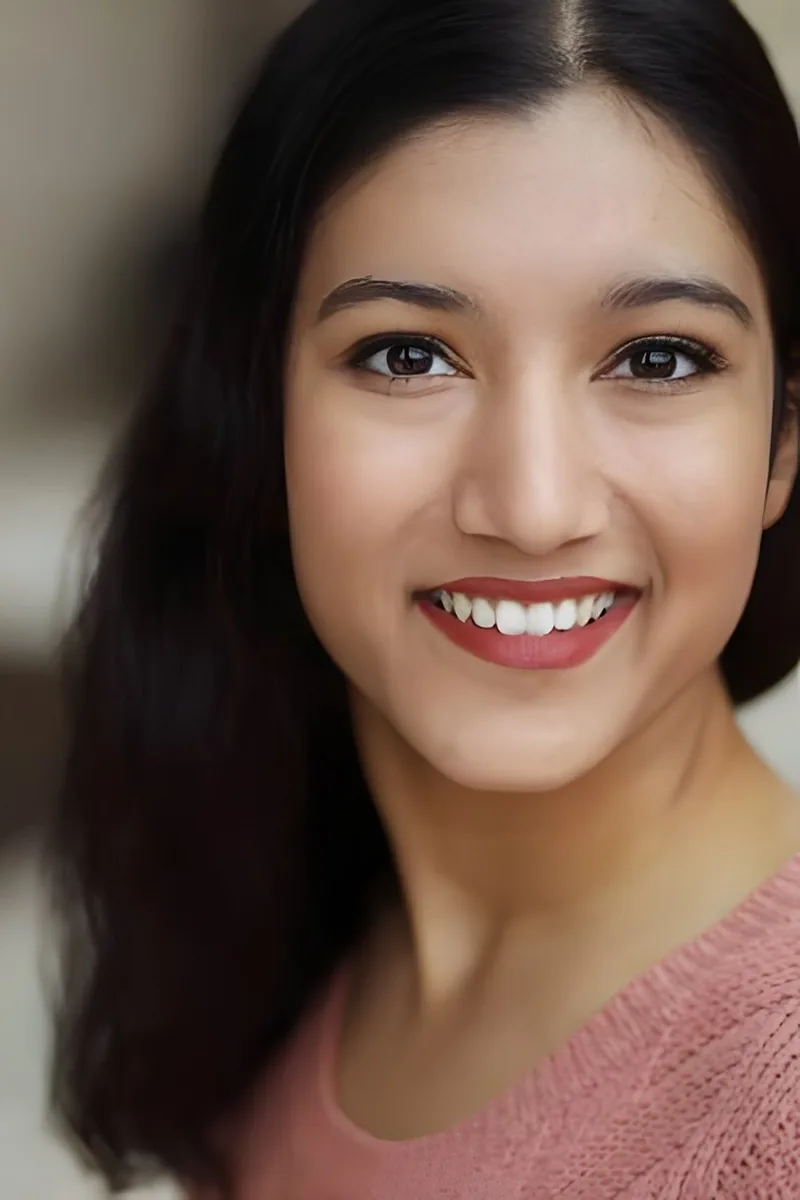
Pursuing a psychology minor alongside her arts degree at VCU, Alisha digs into the subject from both scientific and humanistic angles — from neurotransmitter pathways and classical conditioning to theories of personality and social influence. She breaks down dense research methods and APA-style concepts in ways that make introductory and AP-level psychology far more manageable.
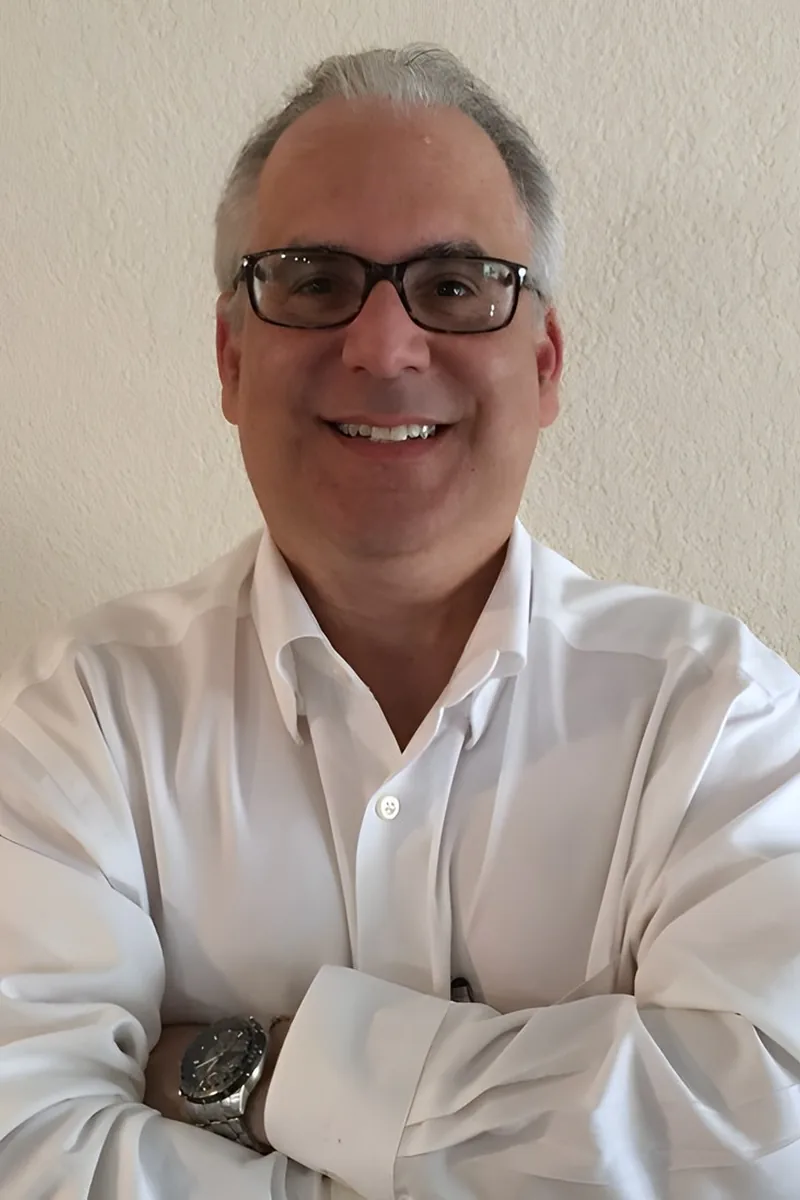
Having studied psychology at UCLA alongside her mathematics degree, Professor Florence brings unusual analytical rigor to topics like statistical design in research methods, cognitive biases, and behavioral conditioning paradigms. She unpacks dense material — from Piaget's developmental stages to the biological bases of behavior — by connecting theory to the experimental evidence behind it.
Rick is currently preparing for a PhD in Psychology, which means he's deep in the material right now — from research methods and statistical design to developmental and cognitive theory. That proximity to the content makes a real difference when unpacking concepts like operant conditioning, cognitive dissonance, or the nuances of DSM diagnostic criteria. He connects psychological principles to everyday behavior in ways that make them intuitive.
Reading dense psychology textbooks — parsing research methods, distinguishing between classical and operant conditioning, or unpacking cognitive theories — is partly a comprehension challenge. Brielle's English Education training gives her a practical toolkit for teaching students how to break down academic texts, take meaningful notes, and translate psychological concepts into their own words on exams and papers.
Few tutors can teach psychology with the depth that comes from earning both a bachelor's and a master's in the field. Joshua covers everything from foundational concepts like classical conditioning and cognitive development to advanced topics in perception, memory, and experimental design that his Purdue research explored firsthand. He unpacks the methodology behind landmark studies so students understand not just what psychologists found, but how and why the evidence holds up.
Frances earned her bachelor's degree in psychology from Duke, which means she isn't just teaching vocabulary terms like "classical conditioning" or "cognitive dissonance" — she studied the research methods, statistical reasoning, and theoretical frameworks behind them. She connects textbook concepts to real experimental designs so students understand not just what psychologists found, but how they found it and why it matters.
Holding a degree in psychology and now pursuing medicine, Sydny connects psychological concepts to their biological roots — explaining how the limbic system drives emotion, or why conditioning principles show up in clinical treatment. She digs into research methods, developmental stages, and abnormal psych with the depth of someone who has studied these topics across multiple disciplines.
Julie's neuroscience degree gives her a biological grounding that makes topics like memory formation, neural plasticity, and the mechanisms behind psychological disorders feel concrete rather than abstract. She connects the major theoretical frameworks — behavioral, cognitive, psychodynamic — to the underlying brain science, which tends to make the material stick. Rated 5.0 by students.
As a graduate student in School Psychology at Texas State, Alyssa is immersed in psychological research and practice every day — from cognitive development theories to behavioral assessment methods. She digs into the trickier AP and college-level topics like neurotransmitter pathways, experimental design, and the distinctions between major therapeutic approaches with the confidence of someone actively applying them. Rated 5.0 by students.
Lisa's background in history and philosophy — plus her AP Psychology teaching experience — means she approaches the discipline through its intellectual roots, connecting thinkers like William James and Freud to the broader cultural moments that shaped their theories. That historical lens is especially useful for units on personality theory, schools of thought, and the evolution of therapeutic approaches, where understanding *why* an idea emerged matters as much as memorizing what it says. Rated 4.9 by students.
Because Kristina's neuroscience PhD required deep coursework in behavioral and cognitive psychology, she tackles this subject from the biological side up — explaining how neurotransmitter systems shape learning, memory, and emotion. That grounding makes abstract psychological theories feel concrete, especially in units on sensation, perception, and abnormal behavior. Students preparing for introductory or upper-level psych exams get someone who can connect brain mechanisms to the concepts on the test.
Timothy double-majored in Psychology at Emory as a Faculty Scholar, so he's deeply familiar with the core material — from classical conditioning and cognitive biases to research methodology and statistical analysis. He connects psychological concepts to real-world behavior, which makes dense topics like neurotransmitter pathways or Piaget's developmental stages far easier to internalize and apply on exams.
Rayhan's premed track at Duke — with minors in both biology and chemistry alongside his history major — means he understands the biological bases of behavior from the science side and the cultural forces shaping human experience from the humanities side. That dual lens is especially useful for unpacking topics like the neuroscience of stress, nature-versus-nurture debates, and how historical context shapes psychological research. Rated 5.0 by students.
Isabella earned her bachelor's degree in psychology from the University of Texas, which means she isn't just tutoring from a textbook — she studied research methods, abnormal psych, cognitive theory, and developmental frameworks firsthand. She unpacks dense concepts like operant conditioning, statistical significance in experiments, and DSM diagnostic criteria in ways that stick. Students preparing for AP Psych or introductory college courses get someone who genuinely knows the discipline.
Julia's cellular and molecular biology training turns out to be especially useful when psychology courses dive into the biological bases of behavior — neurotransmitter pathways, brain anatomy, and the genetics of mental illness are places where her science background does the heavy lifting. She also brings strong study skills coaching to the table, teaching students how to organize dense psych terminology and research findings into frameworks they can actually retrieve during exams.
Nicole's biology background gives her a head start on the physiological side of psychology — neurotransmitter pathways, brain anatomy, and the biological basis of behavior click quickly when you already think in terms of living systems. She also brings structured study techniques to the terminology-heavy chapters on learning theory, memory, and developmental stages.
Bria earned her psychology degree from Yale, where she studied everything from behavioral conditioning paradigms to cognitive development theory in depth. She breaks down complex frameworks like Erikson's stages or the DSM's diagnostic criteria by connecting them to real-world examples students can actually remember. Rated 5.0 by students.
Lauren earned her bachelor's degree in psychology with a neuroscience minor, which means she can unpack everything from classical conditioning to neural anatomy with firsthand academic depth. She connects abstract theories — Piaget's stages, the Stanford prison experiment, synaptic transmission — to real-world examples that make them stick on exam day.
An English degree sharpens one skill that psychology courses quietly depend on: the ability to close-read dense material and build a coherent argument from it. Sara applies that training to parsing research studies, writing up case analyses, and breaking down theoretical frameworks like Piaget's stages or Bandura's social learning theory so students can articulate them clearly on essays and exams. Rated 4.9 by students.
I am so excited to get to work with you. I am a student at Duke University and love academia! My favorite parts about teaching are how much I get to learn, which I think is amazing, and getting to serve others through education.
I'm a dental hygiene resident at UNC Adams School of Dentistry and studying to be dental hygiene educator. My thesis and research is focused on environmentally sustainable dental practices. Part of my graduate student duties is to educate and tutor adult learners on subjects such oral pathology, microbiology, tooth anatomy, and clinical skills. I also have experience educating and tutoring learners from grades pre-k to 12 on subjects that range from writing/reading to math. Educating and learning is for everyone but sometimes it's about finding the method that works for you. Personal understanding of what learning methods work and willingness to explore is key to lifelong academic success and development.
I am an enthusiastic and detail-oriented English and test prep tutor with a strong academic background in communications.
I am a senior college student at the University of North Carolina at Chapel Hill, majoring in Philosophy with a minor in Politics, Philosophy, and Economics. I have experience working with elementary and middle school students, but am also prepared to tutor students at the high school level. I am proficient in writing, reading skills, composition, IB Extended Essay and Theory of Knowledge tutoring, as well as philosophy and psychology. My favorite area of tutoring is, naturally, philosophy, given the analytical and logically focused virtue of that domain, though writing and reading skills are inherently tied to its practice, and I therefore also favor working with students in these areas. My main goal with students is to endow them with the skills necessary to excel in their chosen fields without the fears of lack of preparation or unfamiliarity with the given subject. I typically begin with a diagnostic overview of the students capabilities, and once their abilities have been assessed, continued with a targeted approach to augment their deficiencies and highlight their individual skills. Beyond academia, I love studying and playing Chess, Tennis, and Skiing, schedule permitting!
I am so excited to help other students discover their love of learning and excel in their coursework.
Hi! I am a second-year student at the University of Pennsylvania School of Dental Medicine after earning my bachelor's degree in Biology from Duke University. In high school, I tutored peers in math and science, and in college, I taught STEM subjects to elementary students through an after-school program. I also have experience reviewing and editing college application essays for friends and family. I am most qualified to tutor Algebra, Geometry, Biology, General Chemistry, Psychology, English/Grammar, Writing, and standardized tests such as the SAT and DAT. My goal is to create a supportive learning environment where students feel comfortable asking questions, building confidence, and strengthening their understanding of challenging material. Outside of academics, I enjoy spending time with friends and family, running, reading, volunteering, and traveling. Education has had a tremendous impact on my life, and I look forward to helping students achieve their goals.
Having majored in psychology at Rice and continued into graduate research at UPenn, Jessi digs into the subject from both sides — the theoretical frameworks like cognitive-behavioral models and the nuts-and-bolts methodology of designing experiments and interpreting statistical results. She's especially effective at connecting abstract concepts like operant conditioning or schema theory to concrete, memorable examples.
Esther's PPE coursework at Penn covers the empirical and philosophical sides of human behavior, giving her a grounding in psychological concepts like cognitive biases, decision-making theory, and social influence. She connects these ideas to real-world examples — from advertising to courtroom behavior — so that textbook definitions actually stick.
History courses train you to analyze why people and societies behave the way they do — a skill that transfers directly to psychology's emphasis on motivation, obedience research, and social identity. Ava's history degree and education minor mean she approaches psych concepts like a teacher who's spent years making sense of human behavior through primary sources and competing narratives. She's particularly effective at helping students structure the kind of evidence-based written responses that psychology assessments demand.
Ellie's autism research at the Yale School of Medicine gives her a hands-on understanding of cognitive and behavioral concepts that most psychology tutors only know from textbooks. She connects topics like neurodevelopment, research methodology, and psychological disorders to real lab work, making abstract theories concrete and easier to retain.
Cognitive Studies at Vanderbilt sits at the intersection of psychology, neuroscience, and philosophy of mind — so Vy doesn't just know introductory psych concepts like operant conditioning or the stages of memory, she understands the deeper frameworks they come from. She unpacks research methods and experimental design in ways that make the empirical side of psychology click, not just the vocabulary. Her 5.0 rating speaks to how well that approach lands with students.
Most psychology students underestimate how much the subject rewards the same skills used in computer science — pattern recognition, logical reasoning, and systematic analysis of data. Parita applies that analytical mindset to topics like research methodology and statistical interpretation, making experiment design and hypothesis testing feel structured rather than overwhelming. She holds a 5.0 rating from students.
Studying the biological basis of behavior at Penn means Natalie lives at the intersection of brain science and psychology every day. She unpacks topics like classical conditioning, cognitive development, and abnormal psychology by tying them back to the neural mechanisms that make behavior happen. That dual perspective — biological and psychological — makes abstract theories feel concrete and testable.
Understanding the difference between classical and operant conditioning sounds simple until an exam asks you to design an experiment using one of them. Ian digs into psychology's core theories and research methods with a scientist's precision, drawing on his premed training to make the biological and cognitive sides of the subject click. He holds a 5.0 rating from students.
Karishma earned her bachelor's degree with a focus in psychology, giving her direct familiarity with concepts like classical conditioning, cognitive development theories, and the biological bases of behavior. She breaks down dense research methods and statistical reasoning in ways that make experiment design and data interpretation click. Rated 5.0 by students.
A UChicago psychology degree means Sherry didn't just survey the field — she dug into research methodology, statistical reasoning, and the theoretical debates behind concepts like classical conditioning, cognitive dissonance, and attachment theory. Now pursuing graduate work at Columbia, she brings both academic depth and practical teaching experience to topics ranging from abnormal psychology to social cognition.
Editing for multiple newspapers taught Molly how to read people's arguments critically and spot where reasoning breaks down — skills that transfer directly to evaluating psychological studies, interpreting research methods, and writing the kind of structured responses psych courses require. Her communication studies background also gives her a practical handle on topics like persuasion, attitude formation, and media influence, which are staples of social psychology units.
Between his neuroscience degrees and his current graduate work in bioethics, David has spent years studying the biological and social underpinnings of human behavior. He unpacks concepts like classical conditioning, cognitive development, and research methodology by connecting them to the brain science behind them — making the material click rather than just feel like vocabulary lists.
Testimonials
Because the right Psychology tutor makes all the difference.
Average Session Rating – Based on 3.4M Learner Ratings
Other Raleigh Tutors
Related Social Sciences Tutors in Raleigh
Frequently Asked Questions
Psychology courses in Raleigh schools typically follow the AP Psychology curriculum or introductory college-prep psychology standards, covering topics like research methods, biological bases of behavior, learning, memory, and mental health. Tutors work with students on the specific content and exam formats their school uses, whether that's AP exam preparation, unit tests, or foundational concept mastery. This ensures tutoring directly supports what students are learning in their classroom.
Many students struggle with balancing memorization of terminology and theories with understanding how psychological concepts apply to real-world behavior. Others find the research methods and statistics components challenging, or they have difficulty connecting concepts across different units like neurobiology and cognitive psychology. Personalized tutoring helps students build conceptual frameworks rather than memorizing in isolation, making connections between topics clearer and retention stronger.
In the first session, a tutor will assess your current understanding of Psychology concepts, identify specific areas where you're struggling, and learn about your learning style and goals—whether that's improving grades, preparing for the AP exam, or building confidence with difficult topics. From there, you'll develop a personalized plan that targets your needs and fits your schedule. This foundation ensures every session after is focused and productive.
Yes. AP Psychology exam preparation is one of the most common reasons students connect with tutors. Expert tutors help you master the 9 units of content, practice with released exam questions, develop test-taking strategies, and build confidence with the multiple-choice and free-response sections. With personalized instruction, you can focus on the topics where you're weakest rather than spending equal time on everything.
In a classroom with a 13.2:1 student-teacher ratio on average across Raleigh schools, instruction must move at a pace that works for the whole group. Personalized tutoring adapts to your specific learning speed, addresses your individual gaps, and uses examples and explanations that resonate with you. You get immediate feedback, can ask questions without hesitation, and spend time only on concepts you actually need help with—not reviewing material you've already mastered.
Expert tutors working with Varsity Tutors typically have strong backgrounds in psychology—whether through undergraduate or graduate study, teaching experience, or both. Many have taught AP Psychology or college-level courses and understand both the content deeply and the specific challenges students face. When you connect with a tutor, you can review their qualifications and experience to ensure they're a good fit for your goals.
Progress in Psychology shows up in concrete ways: improved quiz and test scores, stronger understanding of complex concepts like classical conditioning or cognitive biases, better performance on practice AP exam questions, and increased confidence participating in class discussions. Many students also notice they can explain psychological concepts in their own words and apply them to real situations—signs of genuine understanding, not just memorization. Your tutor will track these improvements and adjust the plan as you progress.
Varsity Tutors connects you with tutors who work around your schedule, whether you need help during the school week, weekends, or before an exam. This flexibility is especially valuable during busy times like AP exam season or when you're juggling multiple classes. You can adjust frequency and timing based on your needs—more sessions before a big test, fewer once you've mastered a unit.
Let’s find your perfect tutor
Answer a few quick questions. We’ll recommend the right plan and match you with a top 5% tutor.