Award-Winning Elementary School Reading Tutors
serving Charlotte, NC
Elementary School Reading
Tutors in Charlotte
Private 1-on-1 tutoring, weekly live classes for academic support, test prep & enrichment, practice tests and diagnostics, and more to elevate grades and test scores.
Based on 3.4M Learner Ratings
UniversitiesSchools & Universities
DeliveredHours Delivered
ProficiencyGrowth in Proficiency
Who needs tutoring?
No obligation. Takes ~1 minute.
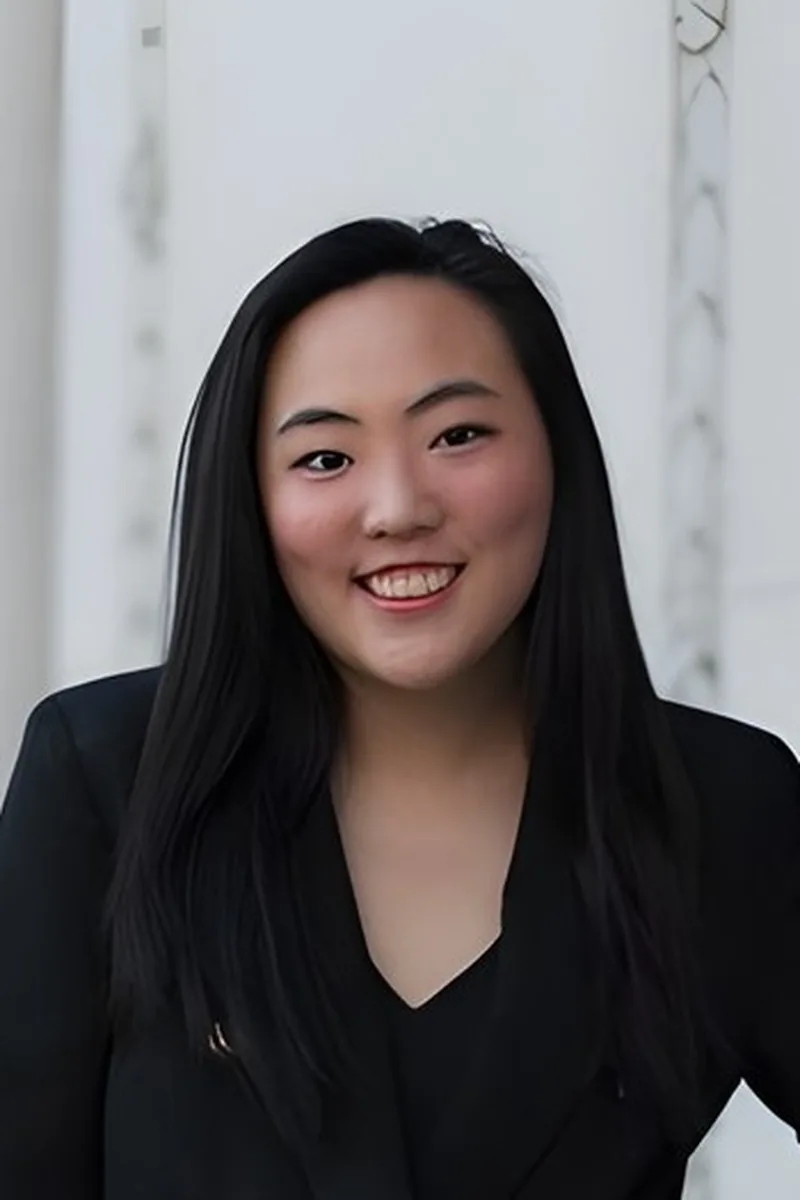
Early reading is where confidence either takes root or stalls out, and Rebecca has spent significant time teaching reading to elementary-age students through education equity volunteer programs. She makes phonics, sight words, and basic comprehension feel like a game rather than a chore, adjusting her approach based on each child's pace. That hands-on experience with young learners from diverse backgrounds gives her a practical toolkit most tutors don't have.

Hello! I'm Kyle Gee, a passionate tutor with a Bachelor's degree in Urban Studies and Business Economics from Brown University. With experience in tutoring and coaching, I thrive on helping students achieve their academic goals, particularly in subjects like Spanish, basic math, and drawing. My teaching philosophy centers on patience and guidance; I believe in empowering students to discover answers independently, using analogies to enhance understanding and retention. I find great joy in witnessing their progress and confidence grow. In my free time, I enjoy drawing, which fuels my enthusiasm for teaching art. I am dedicated to creating a supportive and engaging learning environment that fosters curiosity and success.
Because formal schooling wasn't always accessible to him growing up in East Africa, Caleb taught himself to read with whatever materials he could find — and that experience gives him a deep understanding of what early readers actually need. He zeroes in on phonics, sight words, and fluency-building techniques, adjusting his approach based on each student's comfort level with the page.
Early reading is where habits form — how a child approaches an unfamiliar word, whether they pause to picture what's happening in a story, how they connect one sentence to the next. Renee brings patience and structured practice to phonics, vocabulary building, and comprehension questions, treating each session like a conversation about a book rather than a drill.
Getting a child to love reading early changes everything that comes after. Katherine zeroes in on the specific skill each young reader needs — whether that's decoding unfamiliar words, making predictions, or retelling a story in their own words — and picks texts that actually spark curiosity. Her background in English and literature means she always has the right book recommendation ready.
Early reading is about more than decoding words — it's about comprehension, making connections, and actually enjoying a book. Jennifer draws on her education training from Boston College to teach skills like identifying main ideas, making inferences from illustrations and context clues, and building vocabulary through the stories students are already reading.
Building reading confidence early means connecting kids with strategies they can actually use — sounding out unfamiliar words, making predictions before turning the page, and retelling what just happened in their own words. Alisha's experience working with children in both classroom and one-on-one settings makes her patient and creative at keeping young readers engaged.
Early reading is about more than sounding out words — it's about connecting letters to sounds, sounds to meaning, and meaning to the stories kids already love. Anastasia uses phonics patterns and sight-word practice alongside actual storytelling to keep young readers engaged and progressing. She holds a 5.0 rating from families she's worked with.
Early reading clicks when a child connects sounds to letters and letters to meaning, and Faven has been building those connections since her years volunteering in elementary classrooms before Duke. She works on phonics, sight words, and fluency practice tailored to each student's current reading level, making the jump from sounding out words to reading full sentences feel natural.
Phonics, sight words, and fluency drills only go so far — elementary readers also need to practice asking questions about what they read and making predictions about what comes next. Wai makes these comprehension habits concrete and fun, connecting stories to a child's own experiences so that reading feels purposeful from the start.
Before a kid can love reading, they need to feel confident doing it — decoding unfamiliar words, tracking characters, and retelling what happened in their own words. Sophia's extensive experience with elementary-age learners means she knows how to break reading into manageable pieces and celebrate small wins along the way.
Phonics instruction only clicks when a tutor can pinpoint exactly where a child's decoding breaks down — whether it's blending consonant clusters, recognizing vowel teams, or applying rules to unfamiliar words. Sonja's Master's in Special Education trained her in systematic, evidence-based reading interventions, and she brings that diagnostic precision to every early reader she teaches.
Phonics rules, sight words, fluency drills — elementary reading has a lot of moving parts, and every young reader stalls at a different one. Arial identifies exactly where a child is getting stuck, whether it's blending sounds, building vocabulary, or understanding what a paragraph actually says. Her experience adapting to different learning styles, shaped in part by supporting siblings with ADHD, makes her especially resourceful with readers who need a less conventional approach.
I got my undergraduate degree in political science in Nanjing University in China and psychology in Georgia Institute of Technology, master's degree in International Affairs in Georgia Institute of Technology. I have been tutoring K12 students math and language arts and GRE test preparation for 7 years. My favorite subject is the GRE test prep and Mandarin Chinese. My tutoring is based on student capabilities and tailored to their age differences. I like to read and listen to audio books, I love young children of different ages. Cooking and baking is my another hobby. Sometimes I enjoy to cook together with my children, or play video games like Minecraft with them. I love music of a large variety of genres, playing piano to relax myself. My class is usually filled with fun games with children and occasionally even their siblings join us to practice speaking Chinese, English or Russian.
Reading clicks for young learners when they can connect a story to something they already care about — animals, space, the ocean. Paige, an astrophysics grad now studying ocean engineering, brings that same curiosity to elementary reading sessions, building comprehension and vocabulary through texts that spark real interest. Rated 5.0 by students.
Phonics, sight words, and reading fluency each require a different approach depending on where a child is in their reading journey. Catrina pairs patience with structured practice, using techniques like guided oral reading and vocabulary-building exercises to turn hesitant readers into confident ones. Her experience teaching younger students shows in how she keeps sessions encouraging without losing focus.
Early reading clicks when a student connects phonics skills to actual meaning on the page. Rayhan tackles foundational elements like sight words, decoding strategies, and reading fluency, then layers in comprehension questions that get young readers thinking about characters and story structure from the start.
Early readers need someone who makes the process feel like discovery, not drilling. Amanda breaks reading into manageable pieces — phonics patterns, sight word recognition, and simple comprehension questions that build confidence one book at a time. Her patience (reflected in a 5.0 rating) makes her a natural fit for younger learners still finding their footing with text.
Before a child can love reading, they need to feel successful at it. Ritu zeroes in on phonics patterns, sight word fluency, and reading stamina — the building blocks that let early readers tackle new books independently. She's an avid reader herself and brings genuine enthusiasm for stories into every session.
Rachel has worked with early readers from the very beginning — letter sounds, sight words, and building the confidence to tackle a full page of text. Her secondary education training at Meredith College gives her a toolbox of strategies for phonics, fluency, and comprehension that she tailors to each child's reading level.
Reading at the elementary level is really about building the habits that make everything else in school possible — decoding unfamiliar words, making predictions, and pulling meaning from a story. Corey's experience tutoring young learners, including ESL students he worked with in Spanish, taught him how to meet a wide range of reading levels and keep kids engaged with texts that actually interest them.
Early reading is about more than decoding words; it's about understanding what a sentence actually means and connecting it to the bigger story. Kailee uses read-aloud techniques and guided questioning to strengthen phonics, vocabulary, and comprehension simultaneously, so young readers develop real fluency rather than just speed.
Learning to read fluently means more than sounding out words — it means building the decoding, sight-word recognition, and comprehension habits that carry a child through every subject they'll encounter. Brielle's Bachelor of Education in English gives her a structured approach to phonics, guided reading, and vocabulary development tailored to each young reader's level. Rated 5.0 by families she's worked with.
Building reading confidence early changes everything about how a child approaches school. Kelsea teaches phonics patterns, sight word recognition, and basic comprehension strategies like predicting what happens next or identifying a story's main idea. Her background in policy analysis — a field built on close reading — gives her a sharp eye for breaking down how texts work, even at the most foundational level.
An avid reader herself, Maha teaches early readers to decode unfamiliar words through phonics patterns while building the comprehension skills that make reading feel rewarding. She connects stories to students' own experiences — asking questions about characters' feelings and motivations — so that reading becomes a conversation, not a chore.
Early reading is all about building the connections between sounds, letters, and meaning — phonics, sight words, and eventually the ability to follow a story from beginning to end. Izaac brings a genuine enthusiasm for storytelling that makes reading sessions feel like adventures rather than drills. He's particularly attentive to each student's pace, adjusting his approach so that decoding skills and comprehension grow together.
Learning to read is really about learning to think — connecting sounds to letters, letters to words, and words to meaning. Christine breaks phonics and comprehension down into small, confidence-building steps so young readers start recognizing patterns on their own. She makes decoding feel like puzzle-solving rather than a chore.
Phonics and fluency are the building blocks, but Lane also puts real emphasis on comprehension from the start — asking young readers to retell stories, make predictions, and connect what they read to their own experiences. His patient, encouraging approach makes early reading feel like an adventure rather than a task.
Decoding words is only half the battle; the other half is understanding what a passage actually means. Lauren uses her psychology background to identify how each young reader processes information, then tailors strategies around phonics, context clues, or comprehension questions depending on where the student gets stuck.
Early reading skills like phonics, sight words, and fluency need consistent, patient repetition — and Brianna's extensive experience with young learners, including special needs children, makes her especially effective at keeping that repetition fun. She uses individualized techniques to build decoding and comprehension together so students aren't just sounding out words but understanding what they read.
Hello students and families, I am a passionate reading tutor with over three years of tutoring and classroom experience. I specialize in elementary and middle school reading. Each student is unique, so I tailor lessons to fit individual needs and learning styles. I believe in creating a supportive environment where students can build confidence and develop a genuine love for reading. Together, we will explore exercises that improve reading skills and eventually help your grades. I am trained by The North Carolina Education Corps and Guilford County School System as well as holding a bachelors degree from the University of Wisonsin - Madison. I am a calligrapher who also specializes in tutoring printing and cursive handwriting. I look forward to meeting you and getting started on a rewarding journey.
Earned a Ph.D. in K12 Education, a Master's in Curriculum and Instruction, and a Bachelor's in Elementary Education. National Board Certified with over 20 years of experience teaching students from PreK through 12th grade, as well as adult learners. Experienced in both virtual and in-person instruction, with a passion for creating meaningful and engaging learning experiences. Tutors a wide range of subjects including Art, Art History, Fine Arts, Science and Social Studies (PreK9), Journalism (grades 912), Praxis II Art preparation, and college-level Education courses. Particularly enjoys tutoring creative subjects like art and journalism, where students can express themselves, explore new ideas, and connect learning to the real world. Known for a calm, encouraging, and student-centered approach. Sessions are always personalized to meet each student's unique goals, learning style, and pace. Believes in building confidence, curiosity, and independence through supportive and engaging instruction.
Early reading is all about building the habits that make harder texts possible later — things like identifying the main idea of a passage, making predictions, and understanding new vocabulary from context clues. Paul keeps sessions interactive and encouraging, so young readers stay engaged rather than frustrated when a text gets challenging.
Phonics, sight words, and fluency are the building blocks, but Michelle also emphasizes comprehension from the very beginning — asking young readers to predict, retell, and connect stories to their own experiences. Her dual background in journalism and Africana Studies means she draws on a wide range of culturally diverse texts to keep kids engaged and curious.
Amanda's psychology background gives her real insight into how young readers develop skills like phonics, fluency, and comprehension at different stages. She tailors reading sessions to each child's level, whether that means sounding out new vocabulary or discussing what a character's choices reveal about the story. Her patience and enthusiasm for books make early reading feel like an adventure rather than a chore.
Phonics patterns, sight words, and reading fluency each require a different kind of practice, and Tiffany tailors her approach depending on where a young reader is struggling. She uses context clues and guided questioning to build comprehension alongside decoding skills. Her organized, patient teaching style is a natural fit for elementary learners who need consistency.
Teaching a young reader to decode words is only half the job — the other half is making reading feel rewarding. Kevin pairs phonics and fluency practice with age-appropriate stories that spark curiosity, so students build speed and comprehension at the same time. His experience creating a summer tutoring program for younger students gave him a practical toolkit for keeping elementary readers motivated.
Early reading clicks when a child connects decoding skills to actual meaning — sounding out words matters, but so does understanding what a sentence is really saying. Clare pairs phonics and sight-word practice with comprehension strategies like predicting, visualizing, and retelling, adjusting the balance depending on where each reader needs the most support.
Learning to read confidently means more than sounding out words — it's building the comprehension skills to retell a story, identify a main idea, and make predictions about what comes next. Natalie spent years tutoring young readers in West Philadelphia, where she developed a patient, encouraging approach to phonics, fluency, and vocabulary that keeps kids engaged rather than frustrated.
Before a student can analyze a novel, they need to decode vocabulary in context, make predictions, and distinguish main ideas from supporting details. Erinrose's years teaching English across grade levels — from Philadelphia public schools to a Connecticut prep school — mean she knows how to match reading strategies to a child's current skill level and push just beyond it.
Testimonials
Because the right Elementary School Reading tutor makes all the difference.
Average Session Rating – Based on 3.4M Learner Ratings
Nearby Elementary School Reading Tutors
Other Charlotte Tutors
Related English Tutors in Charlotte
Frequently Asked Questions
Elementary readers often struggle with phonics foundations, fluency, and comprehension—especially when transitioning from learning to read to reading to learn. In Charlotte's diverse school districts, students may also face challenges with vocabulary development and connecting what they read to prior knowledge. Personalized tutoring can identify exactly where a student is struggling and build targeted strategies to strengthen these foundational skills.
Grade-level reading benchmarks typically progress from decoding and fluency in early elementary to comprehension and inference in upper elementary grades. Most Charlotte schools use assessments like running records, DIBELS, or Fountas & Pinnell levels to track progress. If you're unsure where your child stands, Varsity Tutors can connect you with a tutor who can assess current reading level and create a plan to build confidence and skills.
Personalized reading tutoring typically starts with an assessment to understand your child's strengths and areas for growth—whether that's phonics, sight words, fluency, or comprehension strategies. From there, tutors use evidence-based techniques like guided reading, repeated reading practice, and think-aloud strategies tailored to your child's learning style. Sessions focus on building confidence and making reading enjoyable, not just drilling skills.
The first session is about getting to know your child and understanding their reading level, interests, and any specific challenges. Tutors will likely do some informal assessment—like listening to your child read aloud or discussing a story—to pinpoint where to focus. This helps create a personalized plan that meets your child where they are and builds from there.
Strong comprehension requires active reading strategies like predicting, visualizing, asking questions, and making connections to prior knowledge. Tutors teach students to use these strategies consistently, often through guided practice with books at the right level. With personalized feedback and scaffolding, students learn to understand not just the words on the page, but the meaning and ideas behind them.
Absolutely. Many elementary students struggle with reading confidence or haven't found books that match their interests yet. Tutors can help by choosing engaging texts, building skills in low-pressure sessions, and celebrating progress along the way. When students experience success and feel heard, their attitude toward reading often shifts dramatically—and that confidence carries into the classroom.
Frequency depends on your child's needs and goals—some students benefit from weekly sessions to build momentum, while others do well with bi-weekly check-ins once they've developed stronger strategies. Most students see meaningful progress within 4-8 weeks of consistent tutoring. Varsity Tutors can help you find a tutor who can discuss the right frequency and duration for your child's situation.
Varsity Tutors connects you with expert tutors who specialize in elementary reading instruction and understand Charlotte schools' curricula. You can share your child's specific needs—whether it's phonics support, fluency building, or comprehension strategies—and get matched with a tutor who's the right fit. The process is straightforward, and you can start personalized instruction quickly.
Let’s find your perfect tutor
Answer a few quick questions. We’ll recommend the right plan and match you with a top 5% tutor.