Award-Winning History Tutors
serving Henderson, NV
History
Tutors in Henderson
Private 1-on-1 tutoring, weekly live classes for academic support, test prep & enrichment, practice tests and diagnostics, and more to elevate grades and test scores.
Based on 3.4M Learner Ratings
UniversitiesSchools & Universities
DeliveredHours Delivered
ProficiencyGrowth in Proficiency
Who needs tutoring?
No obligation. Takes ~1 minute.
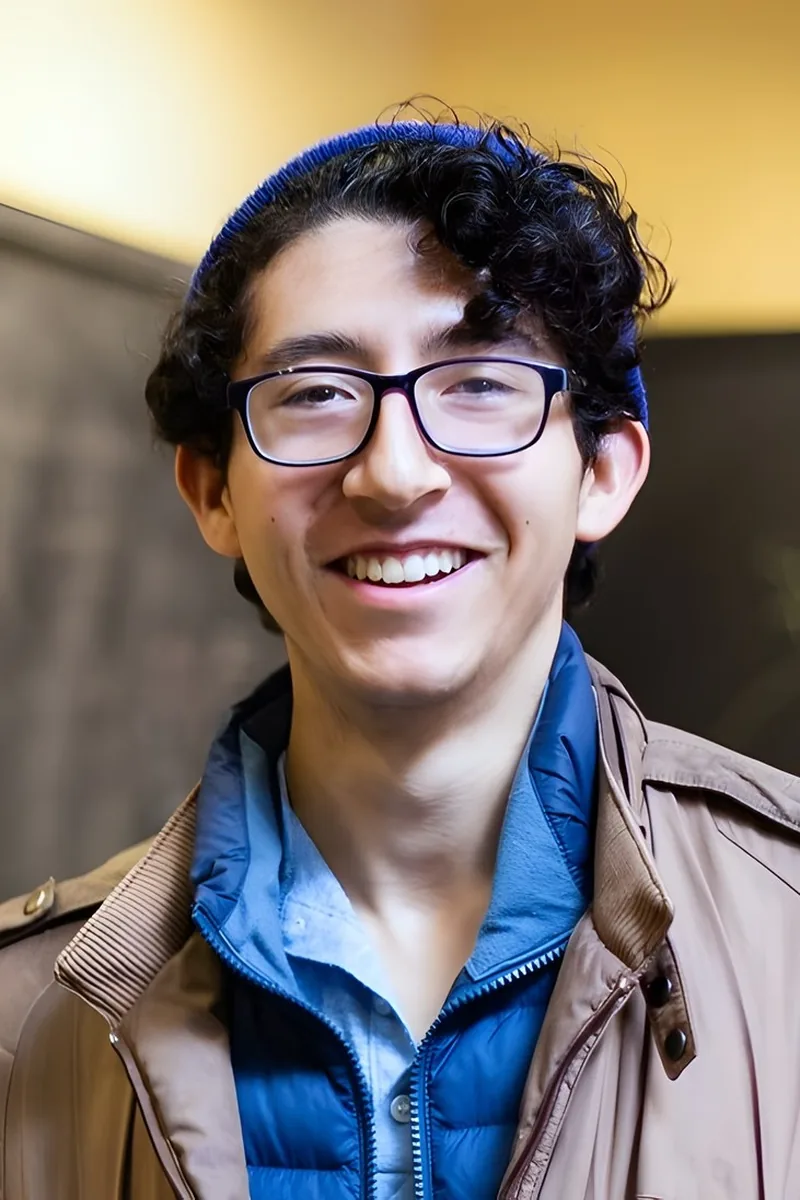
Treating history as a discipline of competing arguments rather than a list of dates, Tim teaches students to evaluate sources, identify bias, and construct evidence-driven claims. His philosophy background at MIT means he's especially sharp at showing how to analyze causation — why events happened, not just what happened.
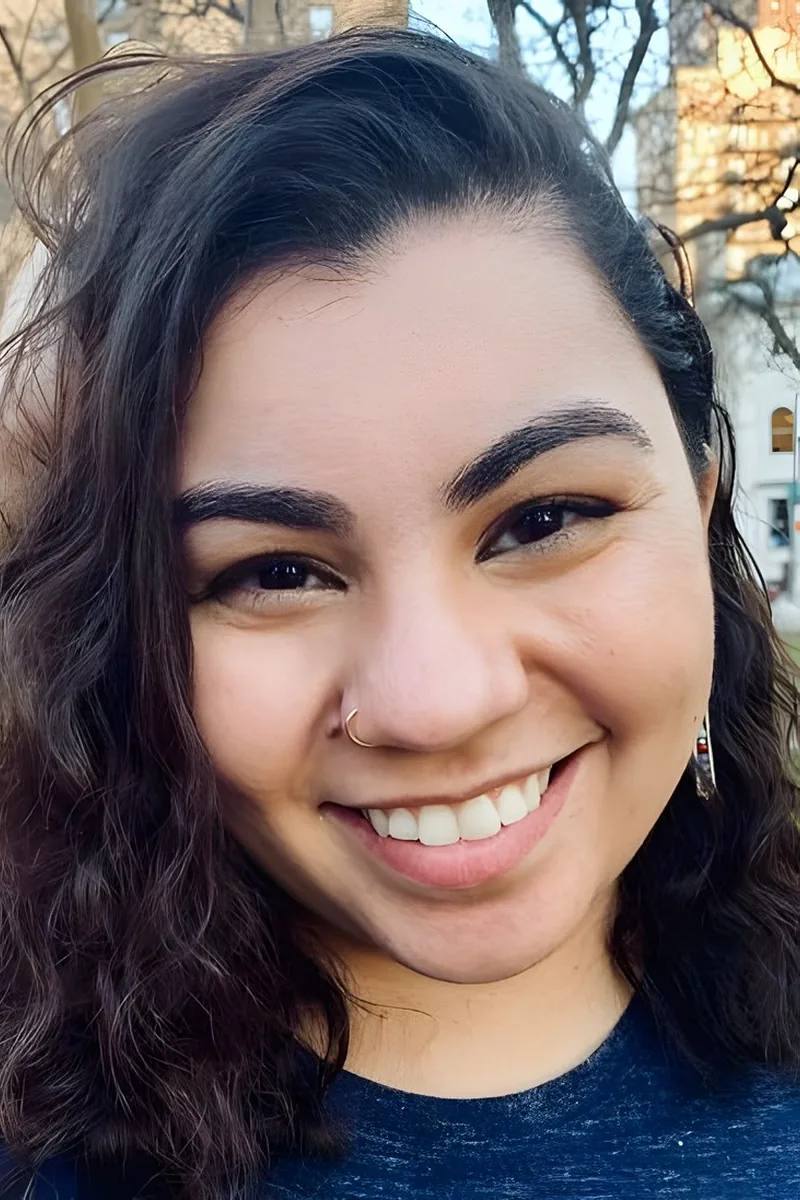
A Penn-trained political science and history double major, Yasmeen brings the kind of deep subject knowledge that lets her teach American history as an interconnected story of governance, power, and policy rather than a march of disconnected dates. She's especially sharp on AP U.S. Government and the constitutional debates, elections, and legislative battles that most history courses build their essay prompts around. Rated 5.0 by students.
I am passionate about helping students because I've been a student my whole life! Even though I'm a professor now, I love to learn. And now that I have experience, I love to help others along the learning journey. I have degrees in English and education from Rice University, UT Austin, Texas State, and Texas A&M. I also studied abroad in England at the University of East Anglia and have traveled to many countries. I tutor English and Spanish (my family is from Mexico City). My favorite thing to tutor is writing, and I have taught writing from the Kindergarten-graduate school (Ph.D.) level (what I currently do). I am here to share tools and tips to help you succeed in your learning journey.
I'm trying to work on personal projects. I really enjoy snowboarding, and have been doing that since the third grade. I also enjoy playing sports and video games.
Economics training at Ohio State's Honors College means Brian reads history through the lens of trade policy, labor movements, and economic systems — the forces that actually drove events like the Industrial Revolution or the Great Depression. He teaches students to build arguments from primary sources and connect cause-and-effect chains across eras, not just memorize dates.
Teaching math full-time means Justin spends every day breaking complicated processes into step-by-step logical sequences — a habit that translates directly to history when students need to trace how one event triggered the next across a unit on, say, the causes of World War I. His Secondary Math Education training also emphasized lesson planning around different learning styles, so he adapts quickly when a student needs a different angle on essay structure or source analysis. He's strongest helping students who already know the material but struggle to organize it into a clear, cause-and-effect argument on paper.
This isn't Adriana's core discipline, but her analytical training sharpens the skills history courses actually test: constructing evidence-based arguments, evaluating sources for bias, and organizing essay responses under time pressure. She's particularly effective at teaching students how to outline a DBQ or thematic essay so the argument stays coherent from start to finish.
Tony's master's in Latin American Studies means he understands history as interconnected systems — economics, culture, politics — rather than isolated dates and names. He teaches students to read primary sources critically and construct cause-and-effect arguments, skills that transfer whether the unit covers the French Revolution or the Cold War.
Most people who are good at math never had to struggle with it — Daniel did, which means he learned how to break things down step by step instead of relying on intuition. That habit of methodical reasoning carries over to history, where he teaches students to unpack why events unfolded the way they did by building arguments piece by piece from evidence. His applied mathematics background and broad reading interests give him a structured but curious approach to essay writing and source analysis.
Dylan treats history less as a set of dates to memorize and more as a chain of cause-and-effect arguments to understand. He teaches students to analyze primary sources and connect events across periods — skills that pay off whether they're writing a DBQ or preparing for a final exam.
Memorizing dates and names only gets a student so far in history; the real challenge is explaining why events unfolded the way they did. Cassandra teaches students to build causal chains — connecting, say, economic pressures to political decisions to social consequences — so that essays and exam responses read as arguments rather than timelines.
While history isn't Shawn's primary discipline, his graduate-level research training translates directly to the skills history demands: evaluating sources, constructing evidence-based arguments, and distinguishing correlation from causation. He treats historical questions the way a scientist treats data — by teaching students to weigh competing interpretations rather than memorize a single narrative.
International relations and political economy don't exist in a vacuum — Martina's graduate work required deep engagement with modern European history, colonialism, and the political movements that shaped today's global order. She teaches students to analyze primary sources and build evidence-based arguments rather than simply memorizing dates and names.
Iliana approaches history as an exercise in building arguments from evidence, not memorizing dates. Her Dartmouth coursework in political philosophy and Western colonial systems gave her deep practice analyzing how power structures shape events across time periods. She teaches students to read primary sources critically and construct the kind of cause-and-effect reasoning that transforms a decent essay into a compelling one.
While history isn't Gabriela's primary discipline, her sociology degree gave her extensive practice analyzing how economic forces, migration patterns, and institutional structures shape historical events. She approaches history content by teaching students to build arguments from evidence rather than memorize dates — a skill that carries across essay exams and research assignments.
Studying history effectively means treating it less like a list of dates and more like a web of cause and effect — why did this policy lead to that outcome, and who benefited? Emily's economics training gives her a sharp lens for analyzing the political and economic forces behind major historical events. Her 5.0 rating speaks to how well that analytical approach resonates with students.
Serena treats history less like a list of dates and more like a series of "why" questions — why did people move west, why did certain laws change, why does it matter now. Her approach encourages students to look at cause and effect rather than just memorize facts. Studying engineering at UNLV taught her to think in systems, which translates surprisingly well to understanding how historical events connect.
While history isn't Zelalem's primary discipline, his analytical training brings a useful lens to the subject — he teaches students to treat historical events as chains of cause and effect that can be mapped and argued, not just memorized. That structured approach is especially effective for document-based questions and essays where building a clear, evidence-supported claim matters most.
Having scored a 1570 on the SAT and tutored SAT World History, Michael treats history as an exercise in argument-building — teaching students to read primary sources critically and connect causes to consequences rather than memorizing dates. He's particularly effective at showing how to structure a document-based question response that earns full marks.
International Relations at Tufts is essentially history with a policy lens — Michelle spent four years analyzing how wars, treaties, economic shifts, and ideological movements shaped the modern world. That background means she teaches history as interconnected cause-and-effect chains rather than isolated dates and names. She's especially strong on modern world history, Cold War dynamics, and the political context behind major turning points.
I'm a 2016 graduate of Pepperdine University with my Bachelor of Arts in Chemistry. Currently I'm preparing to apply to optometry school; I hope to be accepted for the 2018-19 academic year. During my time in college, I was involved as a teaching assistant for General Chemistry I and II laboratory, as a tutor for General Chemistry I, as a member of the Regents Scholar Student Board, and as a "small group" leader through multiple organizations. I am a member of the sorority Pi Beta Phi and held the positions of Historian, Senior Transition Leader, and member of the Leadership and Nominating Committee during my undergraduate years. As far as tutoring goes, I offer my services to students of all ages and in numerous subjects. I particularly enjoy tutoring the STEM subjects. I also thoroughly enjoy working with female STEM students, which allows me to serve as a role model and to offer additional encouragement for my female students to not lose interest in STEM subjects. A large part of my tutoring style focuses on logical thinking for how to tackle new and difficult problems using previous knoledge and educated hypotheses; I have found that my students find both success and a boost in confidence using my methodology. Aside from my academic interests, I love cooking and baking, my cat, photography, and National Parks.
Biomedical engineering at USC means Deepal spends most of his time in STEM, but his approach to problem-solving — finding multiple paths to the same answer and picking the one that makes the most sense — carries over to history when students need to construct arguments from conflicting sources or competing interpretations. He's especially useful for students who think analytically but struggle to translate that into the kind of thesis-driven writing that history courses reward.
Preparing for law school with a focus on labor and employment law means Sam already thinks about history through the lens of workers' rights, union movements, and the legal battles that reshaped American economic life. That angle gives students a concrete way to tackle essay prompts about industrialization, the New Deal, or civil rights — connecting events to the legal and labor forces behind them. Rated 5.0 by students.
Megan's Government and Politics minor at St. John's University means she doesn't just teach historical events — she connects them to the political structures and legal frameworks that shaped them. Whether it's tracing the causes of the Civil War or unpacking Cold War foreign policy, she teaches students to build arguments from evidence rather than simply recalling dates.
Pursuing a history degree with an eye toward law school, Lauryn digs into American and world history the way a future lawyer would — building cases from evidence, weighing competing interpretations, and asking what the sources actually prove. Her particular depth in American and Chinese history means she can walk students through everything from Reconstruction-era policy debates to dynastic power shifts, always connecting past events to the larger patterns that show up on essays and exams. Rated 5.0 by students.
Writing code and writing history essays share a surprising core skill: taking a tangled mess of information and organizing it into a clear, logical structure. Million's computer science training built that instinct for systematic thinking, which he brings to teaching students how to construct thesis-driven arguments and trace cause-and-effect chains through complex historical events. He's especially effective at helping students outline and structure DBQ responses before they start writing.
Elizabeth's engineering training built a habit of tracing how systems connect — a skill that transfers surprisingly well to history, where understanding how political, economic, and technological forces interact matters more than memorizing timelines. She's particularly useful for students who need to organize essay responses clearly, since engineering demands the same kind of structured, evidence-first reasoning that strong historical writing requires.
An anthropology degree is essentially a history degree with a wider lens — Phonemany studied how cultures, economies, and political structures evolved across time and geography. She teaches students to move beyond memorizing dates and instead analyze cause-and-effect relationships, evaluate primary sources, and construct document-based arguments. That analytical framework makes both essay exams and research papers significantly easier to tackle.
Treating history as argument rather than memorization changes how students engage with the material. Karen teaches students to identify cause-and-effect relationships, evaluate source credibility, and construct evidence-based claims — skills that transfer directly to essay exams and research papers. Her business background adds an unusual lens, particularly when covering economic forces behind major historical shifts.
Too many students treat history as a list of dates to memorize when the real skill is understanding cause and effect — why the Treaty of Versailles led to instability, or how economic policy shaped the Great Depression. Orestes draws on his deep economics and microeconomics knowledge to unpack the financial and political forces behind major historical events, making the material stick through explanation rather than repetition.
Katherine's broad subject range — from competition math to literature to college essays — reflects someone who genuinely likes learning across disciplines, and that curiosity carries into how she approaches history. She teaches students to pull apart historical events the way she'd break down a physics problem: isolate the key variables, trace how they interact, and explain the outcome in clear, structured writing.
Studying history through an anthropological lens changes everything — instead of memorizing dates and treaties, students learn to ask why people in a given era thought and acted the way they did. Justin's anthropology degree and politics minor give him deep familiarity with how social structures, cultural beliefs, and power dynamics drive historical events. He's especially strong on U.S. history, where his American literature expertise adds rich context.
Learning history well means learning to think in causes and consequences — not just what happened, but why it mattered and what it set in motion. Andrea approaches each topic by anchoring it to a central question, whether that's the collapse of Rome or the origins of the Cold War, so students walk away with a framework instead of a list of facts. Her UCLA background in the sciences also means she brings a methodical, evidence-first mindset to historical analysis.
Growing up in a Biotechnology program and studying biology at UNLV means Samuel spent years learning how to read technical evidence and build arguments from data — skills that map directly onto document-based questions and historical essay prompts. His Spanish proficiency, including national exam awards, also gives him a genuine window into Latin American and colonial history that most science-track tutors can't offer. Rated 5.0 by students.
Teaching ESL and English literature side by side means Sanda constantly translates between cultural contexts — explaining not just what a text says, but what world produced it. That skill carries directly into history, where she walks students through how to read primary documents with attention to the cultural and political circumstances behind the language. Her background in Romanian and French adds firsthand perspective when covering European history topics.
Sociology and criminology intersect constantly with history — Kendra's coursework at Fordham means she's already deep into analyzing social movements, policy shifts, and the structural forces behind major historical events. She teaches students to build arguments from primary sources and connect cause-and-effect across eras, turning history from a memorization exercise into something that actually makes sense.
Forensic science is essentially applied history — Kyle's coursework trains him to reconstruct what happened, evaluate physical and testimonial evidence, and build a coherent narrative that holds up under scrutiny. That investigative mindset translates directly to document analysis and essay writing in history, where students need to weigh sources, identify bias, and argue a thesis from incomplete evidence. Rated 4.6 by students.
Alexis approaches history as an argument, not a story — every event has competing interpretations, and learning to evaluate them is the real skill. Her International Relations background at Tulane trained her to analyze primary sources, weigh causation versus correlation, and build evidence-driven claims. Whether the topic is ancient empires or modern revolutions, she teaches students to think like historians.
Studying culture and politics at Sciences Po during a semester in Paris gave Chris firsthand experience analyzing historical events through multiple national perspectives. He teaches history as argument — showing students how to evaluate primary sources, identify bias, and build claims that go beyond reciting dates and names.
As a biology major and math minor in the UNLV Honors College, Henry is trained to read evidence carefully and build arguments from data — habits that translate directly to analyzing primary sources and constructing thesis-driven history essays. He's particularly effective at teaching students how to move from a pile of documents to a clear causal argument on DBQs and free-response questions. Rated 5.0 by students.
Testimonials
Because the right History tutor makes all the difference.
Average Session Rating – Based on 3.4M Learner Ratings
Other Henderson Tutors
Related Social Studies Tutors in Henderson
Frequently Asked Questions
Varsity Tutors matches Henderson students with expert History tutors for 1-on-1 instruction. We pair each student with a tutor based on their specific needs, learning style, and goals.
Whether you need homework help, exam prep, or want to get ahead, our History tutors are ready to help.
Common challenges include gaps from earlier material, difficulty with specific concepts, and trouble applying learning to new problems. These issues can snowball quickly in History.
A tutor identifies where you're stuck, fills in gaps, and provides targeted practice. The 1-on-1 format means you get help exactly where you need it.
Tutors work with your student's actual coursework—homework assignments, class notes, and upcoming tests. This keeps tutoring directly relevant to what's happening in the classroom.
When you share information about your student's school and curriculum, we can match you with a tutor who has relevant experience.
All tutors complete background checks, credential verification, and teaching evaluation. Many of our History tutors hold advanced degrees or have years of teaching experience.
You can review tutor profiles to find someone with the right background for your student's level and needs.
Many students see improved grades within a few weeks, along with better understanding of History concepts and more confidence tackling challenging material.
Tutors track progress and adjust their approach to ensure continued improvement.
Most students benefit from 1-2 sessions per week. More frequent sessions help if your student is significantly behind or has an important exam coming up.
Your tutor can recommend a schedule based on your student's specific situation and goals.
Tutoring is purchased in packages of hours, with rates varying by tutor experience. Varsity Tutors offers several options to fit different budgets and needs.
You can discuss pricing during your consultation to find what works best.
Your tutor will assess where your student is, discuss goals, and start working on priority areas. Most students bring current homework or upcoming test material to focus on.
By the end, you'll have a clear sense of how the tutor can help and a plan for moving forward.
Let’s find your perfect tutor
Answer a few quick questions. We’ll recommend the right plan and match you with a top 5% tutor.