Award-Winning High School Chemistry Tutors
serving Henderson, NV
High School Chemistry
Tutors in Henderson
Private 1-on-1 tutoring, weekly live classes for academic support, test prep & enrichment, practice tests and diagnostics, and more to elevate grades and test scores.
Based on 3.4M Learner Ratings
UniversitiesSchools & Universities
DeliveredHours Delivered
ProficiencyGrowth in Proficiency
Who needs tutoring?
No obligation. Takes ~1 minute.
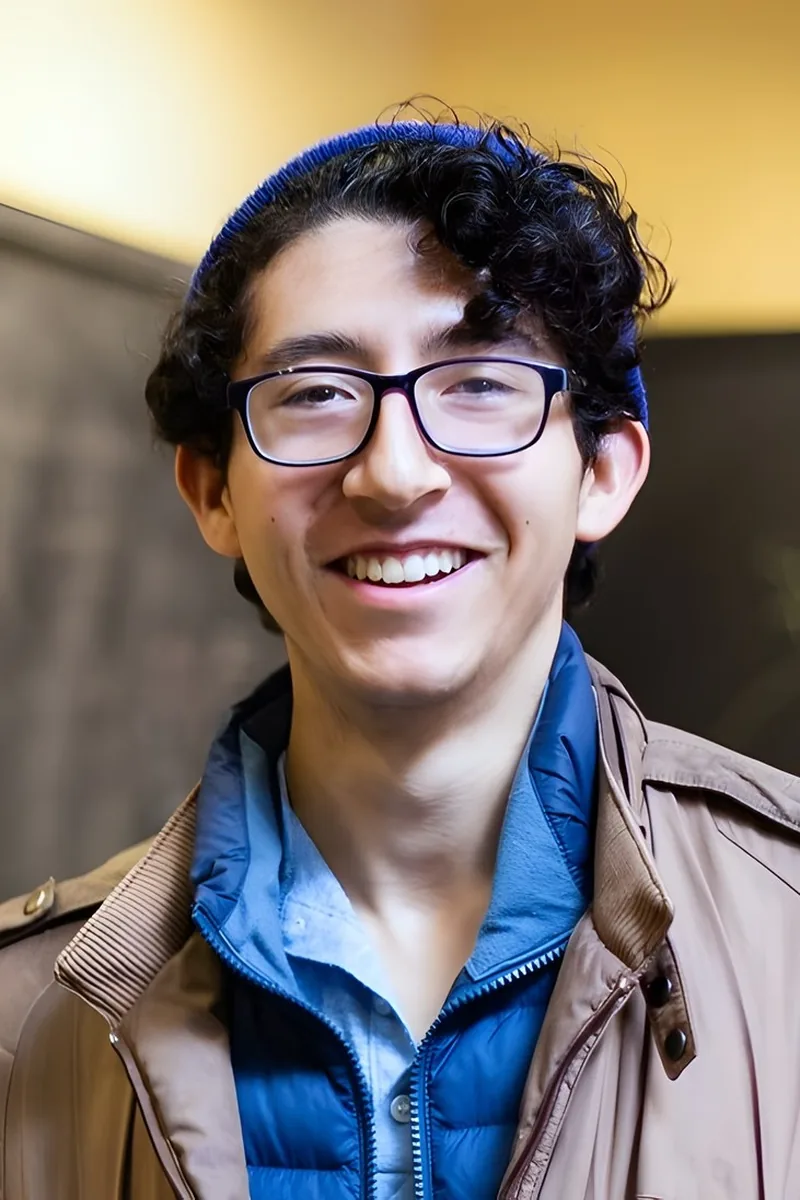
Balancing equations, mole conversions, and electron configurations all follow patterns that become obvious once someone lays them out clearly. Tim's experience teaching chemistry at a STEM camp means he's practiced at breaking these topics down for students encountering them for the first time. His quantitative training at MIT keeps him sharp on the math-heavy units — gas laws, enthalpy, and solution chemistry — where many high schoolers hit a wall.
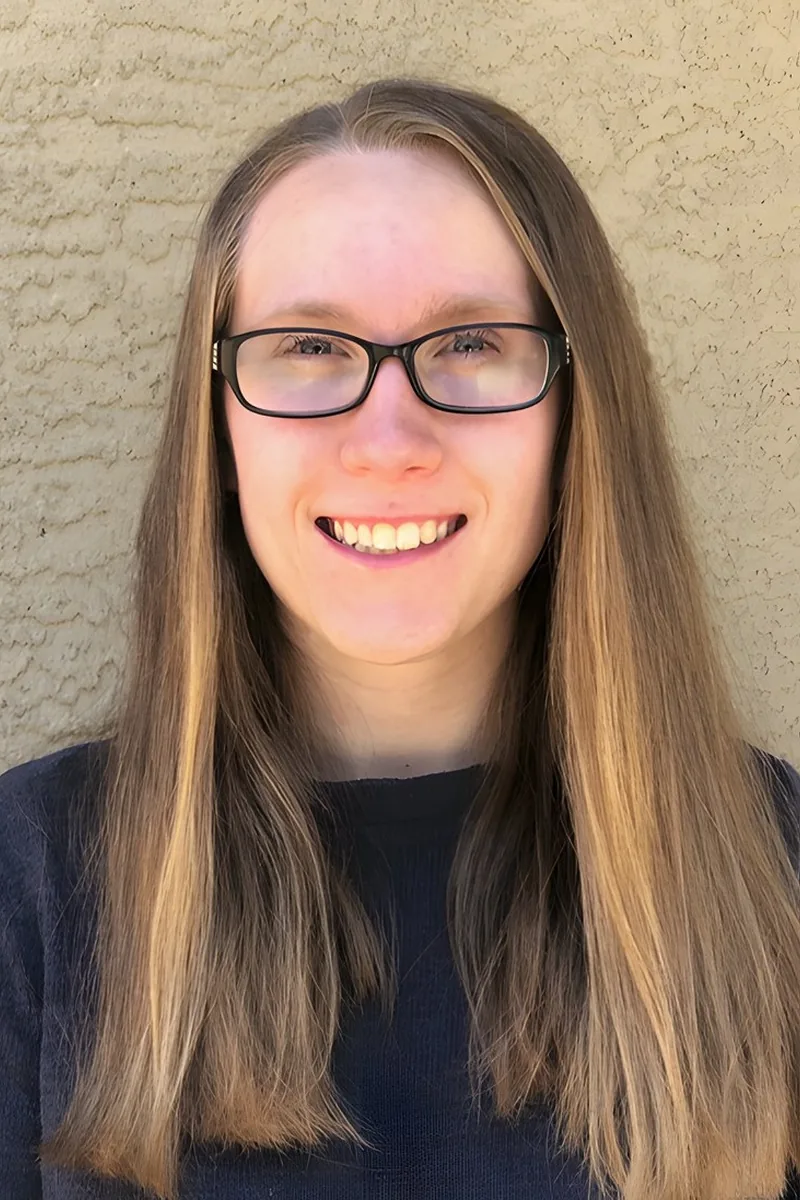
Stoichiometry, equilibrium, and electron configurations trip up most high school chemistry students because they require thinking in ratios and invisible particles rather than tangible objects. Cassandra's biology degree means she learned chemistry from the molecular level up, and she breaks down mole conversions and reaction balancing into repeatable, logical steps. Rated 4.9 by students.
Balancing equations, predicting products, working through mole conversions — high school chemistry is where students either build real chemical intuition or fall into a cycle of memorizing and forgetting. Shawn earned his Master's in Chemistry and uses that depth to explain the *why* behind each concept, from electron configurations driving periodic trends to intermolecular forces determining boiling points. He's rated 4.9 and prioritizes steady skill-building over last-minute test prep.
When dimensional analysis and sig figs feel like busywork and molarity problems seem impossible, high school chemistry can become overwhelming fast. Michael zeroes in on the quantitative side — teaching students to set up conversion factors, balance equations systematically, and interpret what an equilibrium constant actually tells them about a reaction. His experience tutoring students with different learning needs through a nonprofit also means he's patient and adaptable when a concept isn't clicking the first time around.
I'm a 2016 graduate of Pepperdine University with my Bachelor of Arts in Chemistry. Currently I'm preparing to apply to optometry school; I hope to be accepted for the 2018-19 academic year. During my time in college, I was involved as a teaching assistant for General Chemistry I and II laboratory, as a tutor for General Chemistry I, as a member of the Regents Scholar Student Board, and as a "small group" leader through multiple organizations. I am a member of the sorority Pi Beta Phi and held the positions of Historian, Senior Transition Leader, and member of the Leadership and Nominating Committee during my undergraduate years. As far as tutoring goes, I offer my services to students of all ages and in numerous subjects. I particularly enjoy tutoring the STEM subjects. I also thoroughly enjoy working with female STEM students, which allows me to serve as a role model and to offer additional encouragement for my female students to not lose interest in STEM subjects. A large part of my tutoring style focuses on logical thinking for how to tackle new and difficult problems using previous knoledge and educated hypotheses; I have found that my students find both success and a boost in confidence using my methodology. Aside from my academic interests, I love cooking and baking, my cat, photography, and National Parks.
Biotechnology training in high school followed by a biology major at UNLV means Samuel has been doing real chemistry — balancing redox reactions, calculating molarity, working through stoichiometry — as part of his science coursework for years, not just reviewing it from a textbook. He digs into the quantitative side of chemistry by connecting the math back to what's actually happening at the molecular level, which makes topics like gas laws and solution chemistry click rather than feel like arbitrary formulas. Holds a 5.0 rating.
Stoichiometry and gas laws tend to click faster when a student can see how the math connects to something tangible — and Andrea's physiology degree from UCLA means she spent years tracing chemical reactions through living systems, from cellular respiration to metabolic pathways. That background gives her a knack for grounding mole calculations and reaction balancing in concrete biological examples rather than leaving them as abstract number-crunching. Rated 4.9 by students.
Balancing equations and stoichiometry are usually where chemistry starts feeling like a foreign language — Aaron tackles those topics by tying them back to the math skills students already have. His engineering training included significant chemistry coursework, so he can explain concepts like mole ratios, limiting reagents, and periodic trends with concrete, quantitative examples.
Nathaniel's doctorate in Biomedical Engineering from Cornell means he didn't just take chemistry — he built on it for years, using concepts like reaction kinetics, thermodynamics, and molecular interactions as everyday tools in his research. That depth shows when he teaches topics like stoichiometry or chemical equilibrium, because he can trace the logic back to what's actually happening at the molecular level rather than treating each chapter as its own isolated set of rules.
Three science bachelor's degrees — including one specifically in chemistry — mean Sung has spent serious time with everything from electron orbitals to thermochemistry, not just at the introductory level but across multiple disciplinary angles. He digs into the "why" behind concepts like periodic trends and reaction energetics so students can reason through unfamiliar problems on exams instead of relying on memorized shortcuts. Rated 5.0 by students.
Balancing equations and stoichiometry trip up most high school chemistry students because the logic feels invisible at first. Garrett teaches the mole concept by tying it to tangible quantities — grams on a scale, liters of gas — so the math stops feeling arbitrary. His background in biology and physical chemistry also lets him show students where these reactions actually matter in living systems.
Balancing equations and stoichiometry are mechanical once you see the logic, but topics like equilibrium, thermodynamics, and acid-base chemistry require real conceptual understanding. Annie tackles these through her engineering lens, connecting abstract chemical principles to tangible applications — like how reaction kinetics govern drug delivery systems she studies in her biomedical program at Cornell.
Stoichiometry tends to be the first place high school chemistry students feel genuinely lost — and it's a topic Elijah has tackled from every angle through his biochemistry coursework, where mole relationships and reaction yields weren't just problem sets but the backbone of lab work. He teaches students to read a balanced equation like a recipe, tracking atoms and mass so the math feels logical instead of arbitrary. Rated 5.0 by students.
Premed neuroscience coursework at Rice put Aditi through rigorous chemistry sequences where concepts like equilibrium, stoichiometry, and thermodynamics weren't electives — they were prerequisites for everything that followed. She zeroes in on the periodic table as a predictive tool, teaching students to use trends in electronegativity and atomic radius to reason through bonding and reactivity questions rather than memorize isolated facts. Rated 4.8 by students.
Stoichiometry, equilibrium, and acid-base reactions make more sense when a student can see where they lead. Bidyut ties high school chemistry concepts to biomedical applications he's encountered at Johns Hopkins, turning mole calculations and reaction balancing into something more tangible than textbook exercises.
Chemistry can feel like learning a new language — balancing equations, interpreting the mole concept, predicting reaction types — and Asta treats it that way, breaking each topic into its own vocabulary and logic. Her experience tutoring internationally in Hong Kong gave her practice explaining scientific concepts to students from varied academic backgrounds. Rated 5.0 by students.
Balancing equations, mole conversions, and periodic trends are the building blocks of high school chemistry, and Camille tackles each one by teaching the underlying logic rather than handing students a formula sheet. Her pre-med background at Duke means she's fluent in the problem-solving style these courses demand. Rated 5.0 by students.
Balancing equations and predicting reaction products can feel like learning a foreign language, but Eric breaks inorganic chemistry concepts down into logical steps that build on each other. His science training across biology and ecology gives him a knack for connecting chemical principles — like bonding and stoichiometry — to real-world processes students can actually picture.
Working daily with CRISPR-Cas9 and other biochemical tools in a Yale research lab, Matthew sees chemistry in action — the thermodynamics of enzyme reactions, the pH sensitivity of buffer systems, the molecular interactions that make or break an experiment. That hands-on context sharpens how he teaches high school topics like equilibrium, gas laws, and nomenclature, because he can point to exactly where each concept shows up beyond the textbook.
Balancing equations, stoichiometry, and periodic trends all demand a kind of precise, quantitative reasoning that Allan developed through his biological sciences coursework, where chemistry and biology constantly overlap. He walks students through each problem type step by step, emphasizing the logic behind mole ratios and reaction predictions so the math never feels arbitrary.
Running a middle school science department in Philadelphia meant John taught chemistry fundamentals daily — building up from atomic structure and the periodic table to chemical reactions and basic stoichiometry — and his role as curriculum chair forced him to think carefully about the sequence in which those ideas need to land. That classroom experience shows when he explains topics like balancing equations or classifying reaction types, because he's already mapped out where students typically get lost. Rated 5.0 by students.
Testimonials
Because the right High School Chemistry tutor makes all the difference.
Average Session Rating – Based on 3.4M Learner Ratings
Other Henderson Tutors
Related Science Tutors in Henderson
Frequently Asked Questions
Varsity Tutors matches Henderson students with expert High School Chemistry tutors for 1-on-1 instruction. We pair each student with a tutor based on their specific needs, learning style, and goals.
Whether you need homework help, exam prep, or want to get ahead, our High School Chemistry tutors are ready to help.
Common challenges include gaps from earlier material, difficulty with specific concepts, and trouble applying learning to new problems. These issues can snowball quickly in High School Chemistry.
A tutor identifies where you're stuck, fills in gaps, and provides targeted practice. The 1-on-1 format means you get help exactly where you need it.
Tutors work with your student's actual coursework—homework assignments, class notes, and upcoming tests. This keeps tutoring directly relevant to what's happening in the classroom.
When you share information about your student's school and curriculum, we can match you with a tutor who has relevant experience.
All tutors complete background checks, credential verification, and teaching evaluation. Many of our High School Chemistry tutors hold advanced degrees or have years of teaching experience.
You can review tutor profiles to find someone with the right background for your student's level and needs.
Many students see improved grades within a few weeks, along with better understanding of High School Chemistry concepts and more confidence tackling challenging material.
Tutors track progress and adjust their approach to ensure continued improvement.
Most students benefit from 1-2 sessions per week. More frequent sessions help if your student is significantly behind or has an important exam coming up.
Your tutor can recommend a schedule based on your student's specific situation and goals.
Tutoring is purchased in packages of hours, with rates varying by tutor experience. Varsity Tutors offers several options to fit different budgets and needs.
You can discuss pricing during your consultation to find what works best.
Your tutor will assess where your student is, discuss goals, and start working on priority areas. Most students bring current homework or upcoming test material to focus on.
By the end, you'll have a clear sense of how the tutor can help and a plan for moving forward.
Let’s find your perfect tutor
Answer a few quick questions. We’ll recommend the right plan and match you with a top 5% tutor.