Award-Winning Python Tutors
serving Detroit, MI
Python
Tutors in Detroit
Private 1-on-1 tutoring, weekly live classes for academic support, test prep & enrichment, practice tests and diagnostics, and more to elevate grades and test scores.
Based on 3.4M Learner Ratings
UniversitiesSchools & Universities
DeliveredHours Delivered
ProficiencyGrowth in Proficiency
Who needs tutoring?
No obligation. Takes ~1 minute.
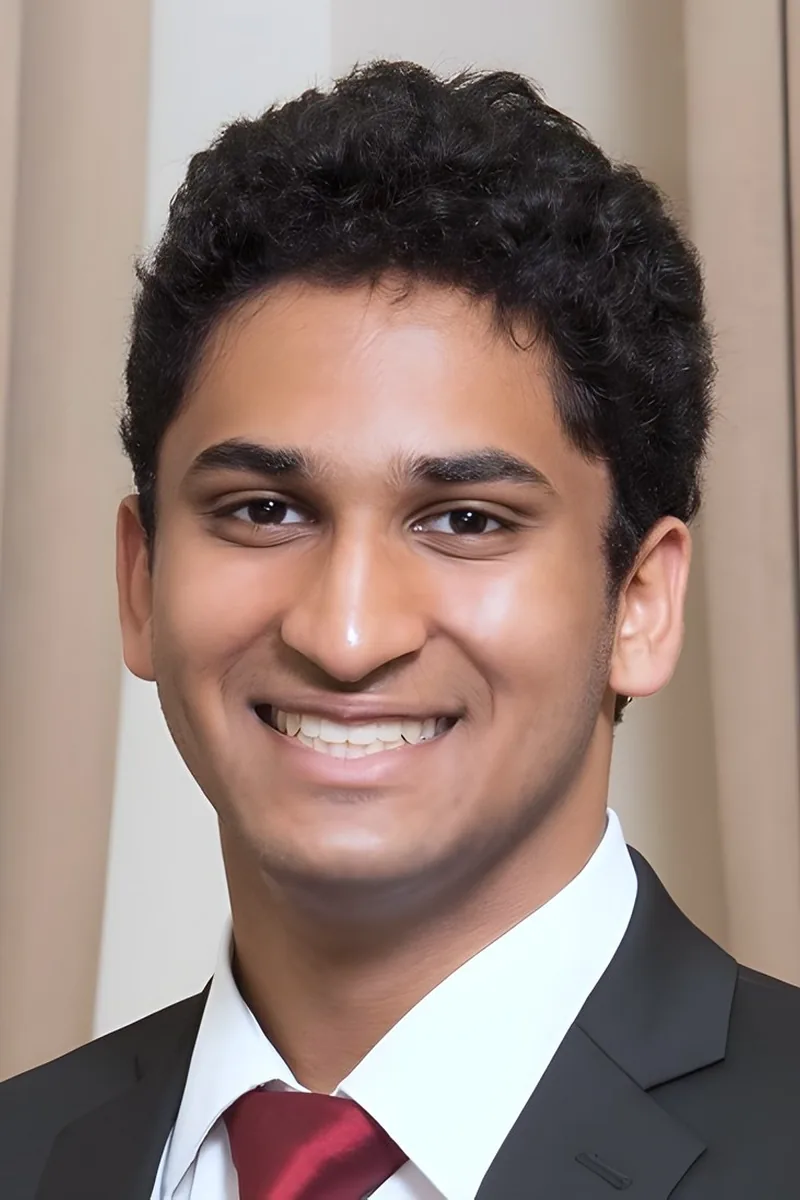
Pratik's subject list is heavy on science and math — AP Chemistry, AP Biology, college physics — which means he picked up Python the way most STEM students do: writing scripts to process data, automate calculations, and solve problems that would take forever by hand. That practical entry point lets him teach core concepts like loops, conditionals, and functions through tasks students can immediately see the purpose of, rather than abstract exercises disconnected from anything real.
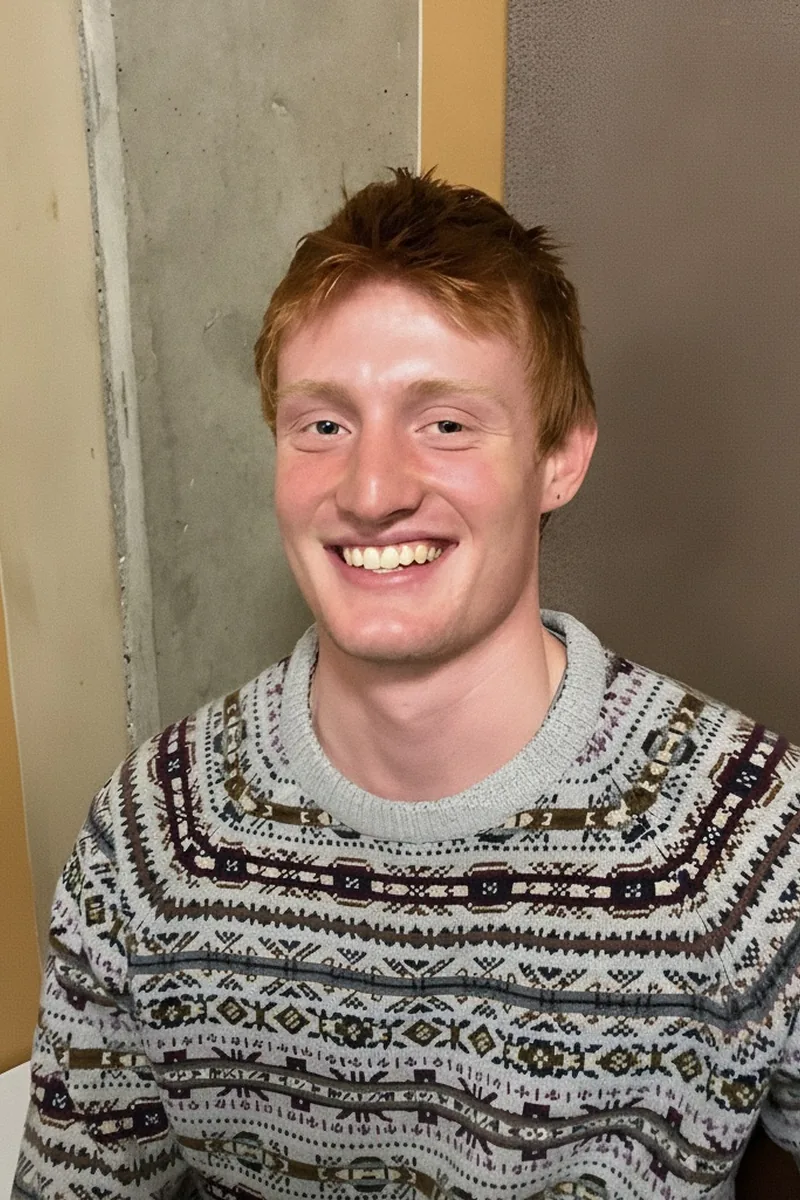
Between his computer science coursework at Carleton and his biochemistry minor, Henry writes Python for everything from data analysis scripts to algorithm problem sets. He teaches the language through hands-on projects — list comprehensions, file I/O, libraries like NumPy — so students see results immediately rather than staring at abstract syntax rules.
I am a junior Computer Science major in the College of Engineering at Cornell University. I have experience tutoring in the National Honor Society in high school, as well as on numerous occasions with acquaintances of mine who were struggling and needed a hand. I tutor high school computer science especially in java and python, as well as algebra (1 & 2) and calculus 1. I love tutoring the math subjects especially, because I feel very comfortable with the subjects and enjoy abstracting them in different ways to help any individual. I believe that success in education is key to building a great life for oneself, and that any person can succeed with the proper work ethic and support network. Even more, I love to see when people I have helped are successful, regardless of area of life. In my spare time, I love to follow college football and basketball and talk about games.
Python's gentle syntax makes it a great first language, but students still struggle when projects jump from simple scripts to working with libraries, file I/O, or object-oriented structure. William uses Python in his professional engineering work and walks through real coding tasks — debugging, refactoring, writing clean functions — so students build habits that carry into any future language.
Python's readable syntax makes it a great first language, but that simplicity can mask real confusion about lists versus tuples, scope rules, or how recursion actually executes under the hood. Nishika programs in Python as part of her CS work at Michigan and teaches it by having students build small projects — a calculator, a text game, a data parser — rather than drilling isolated exercises. Each project introduces new concepts in a context where students can immediately see them working.
I'm working towards a B.S. in Physics at Michigan State University with a minor in Computational Mathematics, Science, and Engineering. I've made the Chancellor's List every semester and am a member of my university's Honors College. I've worked with students as young as 11 and as old as 25 for the past couple of years, both online and in-person. Since I'm still a student myself, I can relate to clients and teach in a way that creates a comfortable and safe space. I tutor a broad range of subjects and would love to help you!
Whether it's writing a first script or wrestling with list comprehensions and object-oriented patterns, Michael breaks Python down into logical steps that mirror how professional developers actually think. His background as a working software engineer means he can show students not just correct syntax but clean, readable code that follows real industry conventions.
Between hackathons, robotics challenges, and neuroscience research at Brown, June has used Python for everything from scripting quick data analyses to building full project prototypes. She teaches the language the way she learned it — by solving real problems — so students pick up not just syntax but habits like writing readable functions, using libraries effectively, and debugging without panic.
Prakash picked up Python as a practical tool during his electrical engineering work — automating calculations, processing data sets, and scripting simulations. That industry context means he teaches loops, functions, and libraries like NumPy not as abstract exercises but as tools for solving real problems, which tends to make syntax and logic click faster for students.
Python's readability makes it a great first language, but students still get tripped up by list comprehensions, function scope, and debugging logic errors they can't see. Samantha uses her analytical training from Princeton's psychology and math curriculum to teach students how to trace through code systematically rather than guessing at fixes.
Python's readability makes it easy to start but deceptively tricky to use well — list comprehensions, generator expressions, and class design all require thinking beyond basic scripts. Matthew teaches Python through the lens of someone who uses it alongside heavier languages like C++ and Java, which gives students a clearer sense of when to reach for Pythonic shortcuts versus writing more explicit code.
Working in a neuroscience research lab at Duke meant Lauren had to learn Python for real tasks — cleaning datasets, running statistical analyses, and visualizing experimental results. She teaches Python through that practical lens, covering loops, functions, and libraries like NumPy by connecting each concept to something a script actually needs to do.
I'm trying to work on personal projects. I really enjoy snowboarding, and have been doing that since the third grade. I also enjoy playing sports and video games.
As experienced and passionated educator with a Bachelor's degree in Computer Science from Rice University, I am passionate about empowering students to achieve their academic goals. With over 3 years of tutoring experience in subjects such as AP Computer Science A, Machine Learning, and SAT Math, I adapt to different learning styles and create a supportive learning environment. My teaching philosophy centers on personalized instruction, where I connect with each student to understand their unique learning styles and challenges. I take pride in guiding students through the complexities of computer science and college application essays, equipping them with the skills they need for future success. Outside of tutoring, I enjoy exploring new technologies and engaging in coding projects to improve my teaching approach.
Learning Python is less about memorizing syntax and more about thinking through problems step by step — how to structure a loop, when to use a dictionary versus a list, why your function returns None instead of a value. Harry uses Python in his economics and math coursework for data analysis and modeling, so he teaches it with practical applications rather than abstract exercises. He walks through debugging methodically, turning error messages into learning moments.
Python's readability makes it a great first language, but students still stumble on list comprehensions, dictionary manipulation, and debugging runtime errors they've never seen before. Ethan uses Python across his Vanderbilt engineering coursework and walks through each concept with real scripts — not just slides — so the logic becomes second nature.
Python's readability makes it a great first language, but students still get stuck on concepts like list comprehensions, class inheritance, and debugging recursive functions. Noah uses Python daily in his cybersecurity graduate work and writes clean, well-documented code — a habit he passes along from the start. He teaches by building: small scripts first, then layering in complexity so each new concept has a working example behind it.
Python's readability makes it a great first language, but students still stumble on list comprehensions, dictionary manipulation, and debugging recursive functions. Andrew teaches Python the way he learned it during his CS degree — by writing real programs, not just reading slides. He's equally comfortable introducing beginners to variables and helping intermediate coders tackle object-oriented design.
Testimonials
Because the right Python tutor makes all the difference.
Average Session Rating – Based on 3.4M Learner Ratings
Other Detroit Tutors
Related Technology and Coding Tutors in Detroit
Frequently Asked Questions
Your first session is all about understanding your goals and current skill level. A tutor will ask about what you're working on—whether that's learning fundamentals, preparing for AP Computer Science, or building a specific project—and assess where you're starting from. This helps create a personalized plan that matches your pace and learning style, so you're not wasting time on concepts you already know.
Debugging is one of the most valuable skills a tutor can teach you. Instead of just fixing errors for you, tutors help you develop a systematic approach to finding and solving problems—reading error messages carefully, using print statements strategically, and testing small sections of code. This builds your problem-solving confidence so you can tackle new bugs independently.
Syntax is the rules of the language (like how to write a loop or function), while logic is the thinking process behind solving a problem algorithmically. Many students struggle because they focus only on syntax without understanding the logic. A tutor helps you see both—how to write correct code AND how to think through problems step-by-step, which is what actually makes you a stronger programmer.
Absolutely. Project-based learning is one of the best ways to solidify Python skills because you're building real applications instead of just solving isolated exercises. Tutors can guide you through projects like games, data analysis tools, or web applications, provide code reviews, and help you understand design decisions. This approach keeps learning practical and motivating.
That depends on your interests and goals. If you're curious about analyzing data and statistics, data science might appeal to you. If you want to build interactive websites or applications, web development could be the fit. A tutor can help you explore what each path involves, recommend beginner projects, and guide you toward the direction that excites you most.
Data structures are the foundation of efficient programming—they determine how you organize and access information in your code. Understanding when to use a list versus a dictionary, or how to work with nested structures, is crucial for writing clean, fast code. Tutors break down these concepts with real examples so they click, rather than feeling abstract.
One-on-one tutoring is especially helpful when you're falling behind because a tutor can slow down, focus on the specific concepts tripping you up, and fill gaps in understanding. With the 20.7:1 student-teacher ratio in Detroit schools, getting personalized attention outside class can make a real difference in catching up and building confidence before moving to the next unit.
Varsity Tutors connects you with tutors who have real expertise in Python and experience teaching at your level—whether you're just starting out or diving into advanced topics like object-oriented programming. You can discuss your specific goals upfront, and a tutor will be matched based on their experience, teaching style, and availability for students in Detroit.
Let’s find your perfect tutor
Answer a few quick questions. We’ll recommend the right plan and match you with a top 5% tutor.