Award-Winning AP Computer Science Principles Tutors
serving Detroit, MI
AP Computer Science Principles
Tutors in Detroit
Private 1-on-1 tutoring, weekly live classes for academic support, test prep & enrichment, practice tests and diagnostics, and more to elevate grades and test scores.
Based on 3.4M Learner Ratings
UniversitiesSchools & Universities
DeliveredHours Delivered
ProficiencyGrowth in Proficiency
Who needs tutoring?
No obligation. Takes ~1 minute.
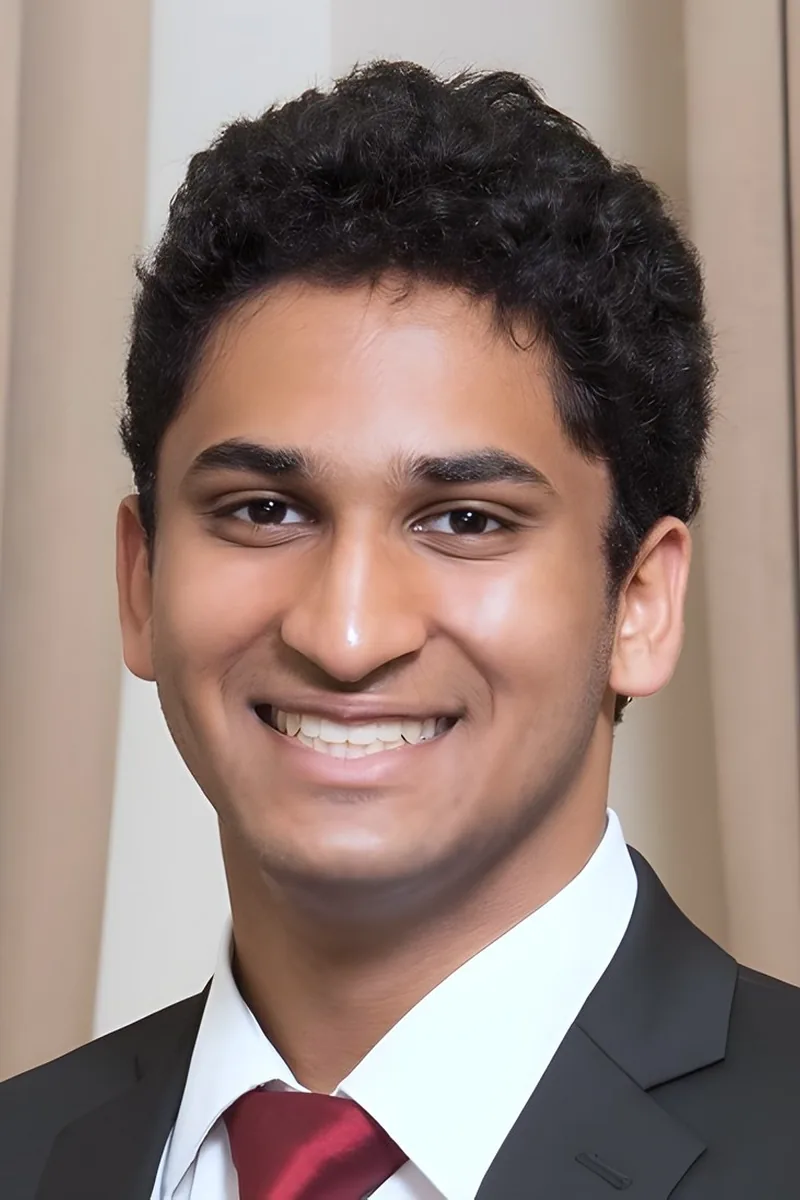
Pratik doesn't come from a traditional CS background, but his premed training at Cornell — where he regularly works with data sets, statistical models, and logical reasoning — maps directly onto the computational thinking AP CSP tests. He's especially effective at breaking down the data analysis and algorithm units, translating abstract pseudocode into the kind of step-by-step problem solving he uses in biology and chemistry every day.
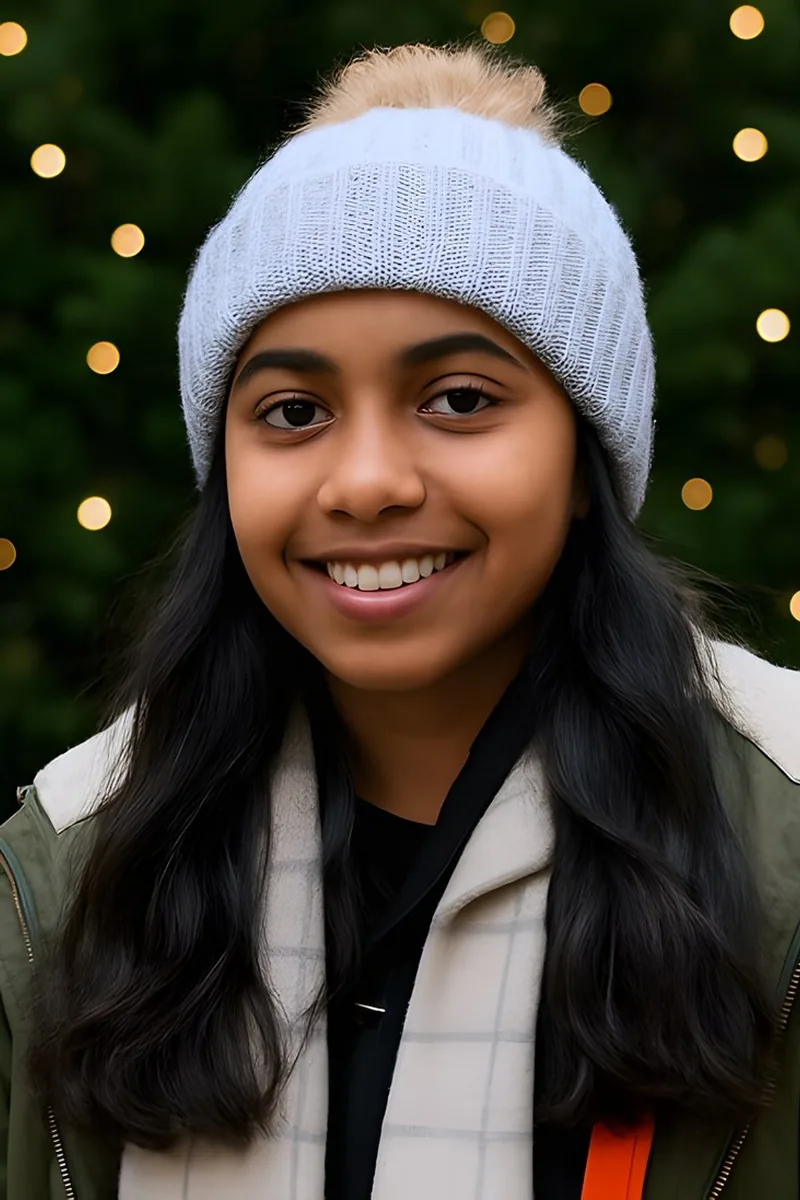
Nikitha earned her CS degree from Michigan writing actual code — which gives her a practical lens on AP CSP's more conceptual terrain, where students often stumble because the material feels too broad to pin down. She zeroes in on the impact-of-computing and cybersecurity threads that many tutors gloss over, tying them back to real design decisions she encountered in her own coursework. Rated 5.0 by students.
I'm working towards a B.S. in Physics at Michigan State University with a minor in Computational Mathematics, Science, and Engineering. I've made the Chancellor's List every semester and am a member of my university's Honors College. I've worked with students as young as 11 and as old as 25 for the past couple of years, both online and in-person. Since I'm still a student myself, I can relate to clients and teach in a way that creates a comfortable and safe space. I tutor a broad range of subjects and would love to help you!
Ronit studies computer science at Yale and knows AP CSP's curriculum from the student side — which Big Ideas actually trip people up on the multiple-choice and where the Create Task rubric quietly punishes vague written responses. He digs into the explanatory writing piece that most students underestimate, teaching how to describe an algorithm's purpose and trace through pseudocode with the precision the exam expects. Rated 5.0 by students.
Lance studied both theoretical mathematics and computer science as an undergraduate before entering medical school, which means he's written real code in Java, C, and SQL — not just traced pseudocode on a worksheet. That practical depth lets him teach AP CSP's algorithmic thinking and abstraction concepts through actual programming logic, giving students a clearer mental model when they hit the Create Task or encounter unfamiliar algorithm-tracing questions on the exam.
Benjamin's finance and economics training at Notre Dame meant constant work with data modeling, algorithmic thinking, and spreadsheet automation — skills that map directly onto AP CSP's units on data analysis, abstraction, and the impact of computing. He approaches the Create Task like a business case: define the problem, plan the logic in pseudocode, build it, then write it up so a non-technical audience gets it. Rated 5.0 by students.
Matthew codes in Java, C++, Python, and JavaScript — so when AP CSP asks students to reason about algorithms or explain how a program works in pseudocode, he can ground those abstractions in actual programming logic most students haven't seen yet. His Harvard math and CS coursework also means he's sharp on the data analysis and binary representation questions that trip up students who only studied the vocabulary. Rated 4.9 by students.
Biomedical engineering at Cornell means Annie writes Python and MATLAB to process real research data — skills that map directly onto AP CSP's emphasis on programming, data analysis, and algorithmic thinking. She teaches the Create Task as a scaled-down version of the same design process she uses in lab: define the problem, plan the logic, build iteratively, then explain your choices clearly. Rated 4.9 by students.
Cindy doesn't come from a traditional CS background, but her 36 ACT and analytical training as a Harvard English student give her a sharp edge on AP CSP's most underestimated challenge: the written responses. The Create Task and exam both reward students who can explain computational ideas — abstraction, algorithms, data patterns — in clear, precise language, and that's exactly the skill set she brings to every session.
Irene's PhD in Mathematics and Computer Science means she understands the computational thinking that underpins AP CSP — not just the vocabulary, but the discrete math and logic behind how algorithms work and why abstraction matters. She unpacks pseudocode problems by connecting them to the mathematical structures students rarely see in a survey course, which makes exam questions feel less like guesswork.
Teaching discrete math at Penn means Keenan spends his weeks translating abstract computational thinking into language undergraduates actually absorb — a skill that maps directly onto AP CSP's pseudocode reasoning and algorithm analysis questions. His philosophy degree also gives him an unusual edge on the exam's societal-impact questions, where students need to construct clear written arguments about data privacy, bias in algorithms, and computing ethics. Rated 5.0 by students.
Most AP CSP students get tripped up not by the technical content but by the exam's pseudocode — reading and tracing algorithms written in a language nobody actually codes in. Maxwell's math and physics training means he thinks naturally in abstractions and logical structures, so he can teach students to parse those pseudocode questions the way he'd parse a proof: step by step, tracking what changes and why. Rated 5.0 by students.
Industry experience at Microsoft and the National Institutes of Health gave Snipta a front-row seat to how computing decisions — from data privacy to algorithmic bias — play out in the real world, which is exactly the kind of reasoning AP CSP's exam and Create Task reward. Her computer science degree covers the technical side, but it's the cognitive science training that sharpens how she teaches the course's trickiest skill: explaining computational ideas in plain, precise language.
Victoria's CS coursework at Washington University in St. Louis means she can ground AP CSP's abstract Big Ideas — like how abstraction layers simplify complex systems or why algorithms have different efficiencies — in actual programming experience across Java, Python, and C++. That real coding fluency is especially useful when students need to move from pseudocode on the exam to functional code in the Create Task. Rated 5.0 by students.
Studying both neuroscience and computer science at Duke means Ankit lives at the intersection AP CSP actually tests — how computing shapes real-world systems, from brain imaging pipelines to cybersecurity ethics. He digs into the algorithmic thinking and data representation questions that trip students up on the multiple-choice section, and coaches the Create Task from initial planning through the written response. Rated 4.8 by students.
Testimonials
Because the right AP Computer Science Principles tutor makes all the difference.
Average Session Rating – Based on 3.4M Learner Ratings
Other Detroit Tutors
Related Technology and Coding Tutors in Detroit
Frequently Asked Questions
AP Computer Science Principles covers five big ideas: creative development, data, algorithms, programming, and computing innovations. The course emphasizes computational thinking and real-world applications rather than heavy programming syntax. For students in Detroit preparing for the exam, you'll work with pseudocode, explore how the internet functions, examine cybersecurity concepts, and complete the required Create Performance Task—a project where you design, implement, and document an application of your choice.
Score improvement depends on your starting point and consistency with tutoring. Students who work with tutors on understanding core concepts, practicing the exam format, and refining their Performance Task typically see meaningful gains—often 1-2 score levels over a semester. The key is identifying weak areas early (whether that's algorithm design, data representation, or the written response sections) and building targeted practice around those topics.
The Create Performance Task requires you to design and code an application, then write about your development process and how it demonstrates computational thinking. This accounts for a significant portion of your AP score. Tutors can help you brainstorm project ideas that are appropriately scoped, debug code, and craft clear written explanations of your design choices and algorithms—areas where many students struggle.
Many students find the transition from block-based coding (like Scratch) to text-based pseudocode challenging, and others struggle with understanding algorithms and data representation concepts. The exam's mix of multiple-choice questions and written responses also trips up students who are stronger in one format than the other. Additionally, the Performance Task requires both technical skills and strong written communication—balancing both can feel overwhelming without guidance.
The AP exam consists of a multiple-choice section (70 questions, 120 minutes) and the Create Performance Task (submitted before exam day). The multiple-choice covers all five big ideas and tests your understanding of concepts, pseudocode interpretation, and real-world computing scenarios. Tutors can help you develop strategies for pacing through the multiple-choice section and understanding question formats so you don't lose points to careless mistakes.
Ideally, consistent preparation throughout the school year is most effective, but focused tutoring in the 8-12 weeks before the exam can still make a real difference. If you're starting late, prioritize understanding core algorithmic concepts and getting feedback on your Performance Task draft early. Students in Detroit's 54 school districts follow different calendars, so work with a tutor to create a study plan that fits your school's timeline and the May exam date.
Test anxiety often stems from uncertainty about what to expect. Taking full-length practice exams under timed conditions helps normalize the format and builds confidence. Tutors can also help you develop a pre-exam routine, teach you to skip difficult questions strategically and return to them, and remind you that the exam is designed to challenge—you don't need a perfect score to earn a 5. Building mastery of core concepts through targeted practice is the most effective anxiety reducer.
Varsity Tutors connects you with expert tutors for students in Detroit who have deep knowledge of the AP Computer Science Principles curriculum, exam format, and the Performance Task requirements. When you get matched with a tutor, you can discuss your current skill level, specific weak areas (like algorithm design or written responses), and your timeline before the exam so they can tailor instruction to your needs.
Let’s find your perfect tutor
Answer a few quick questions. We’ll recommend the right plan and match you with a top 5% tutor.