Award-Winning AP Computer Science A Tutors
serving Detroit, MI
AP Computer Science A
Tutors in Detroit
Private 1-on-1 tutoring, weekly live classes for academic support, test prep & enrichment, practice tests and diagnostics, and more to elevate grades and test scores.
Based on 3.4M Learner Ratings
UniversitiesSchools & Universities
DeliveredHours Delivered
ProficiencyGrowth in Proficiency
Who needs tutoring?
No obligation. Takes ~1 minute.
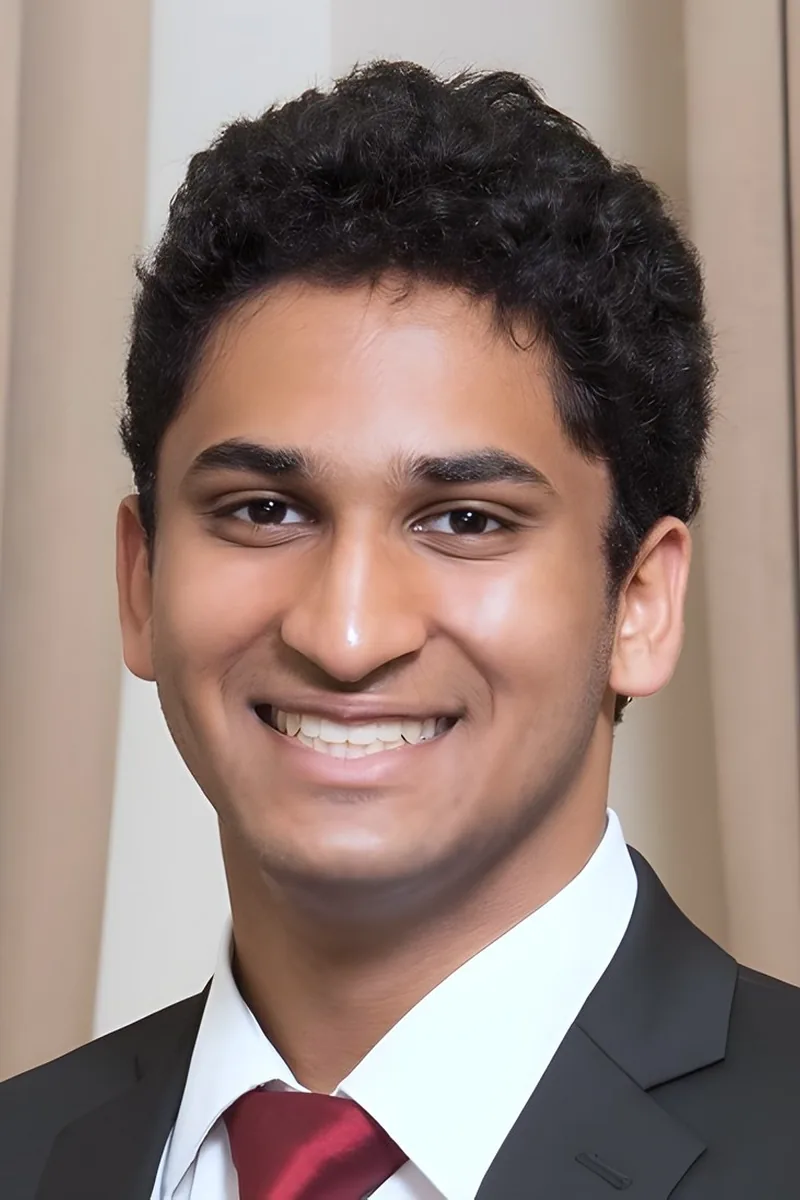
Cornell's pre-med track doesn't typically include Java, and AP Computer Science A isn't Pratik's core teaching area — his strengths sit squarely in chemistry, biology, and standardized test prep. That said, the disciplined, logical problem-solving he brings to organic chemistry mechanisms and ACT Science (he scored a 35 composite) translates well to walking through basic programming logic and structured thinking when a student needs support.
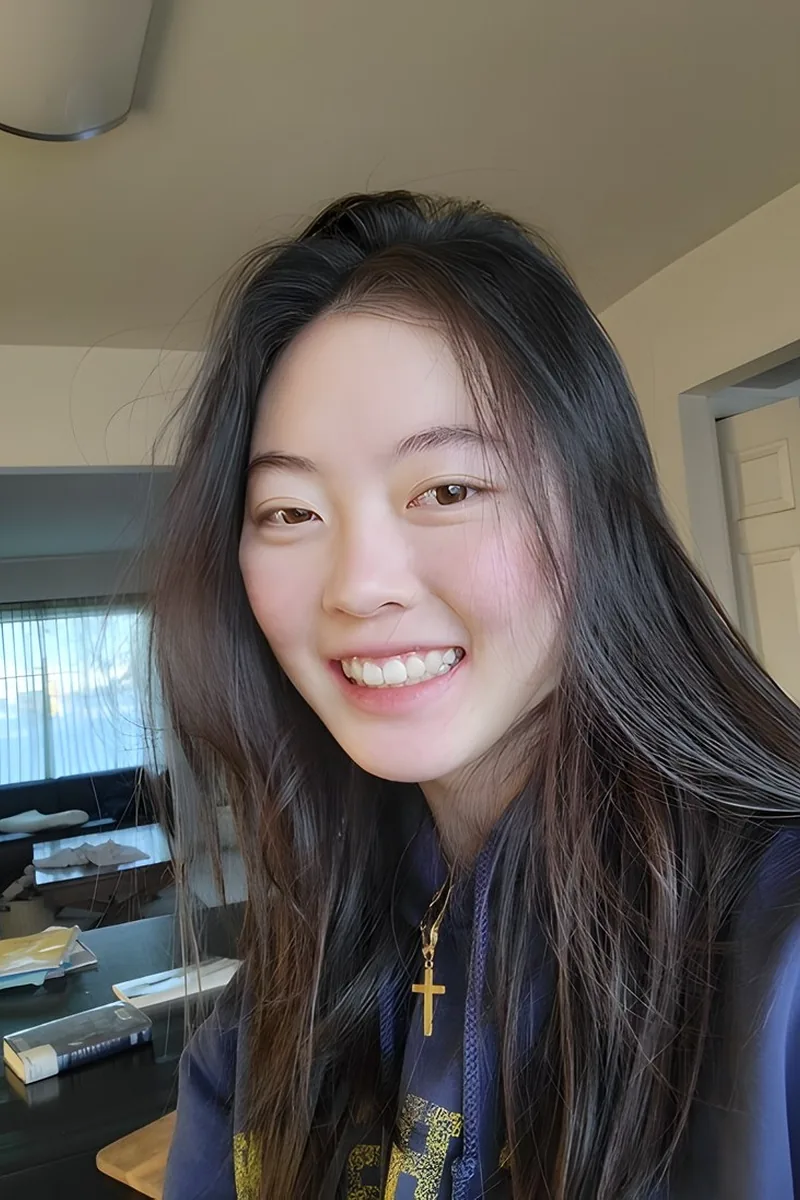
I am a undergraduate freshman of the University of Michigan, studying business at the Ross School of Business. Working together with students and having a good time while seeing steady improvements has proven to provide me great joy. I believe that communication and relationship building is crucial for students to open up about their struggles and also for me to identify problems they don't realize they can improve on, so this is a key aspect of all of my lessons. During my free time, I enjoy playing sports or snacking on desserts while binge-watching Friends!
Having double-majored in computer science and English, Milan brings an unusual combination to AP CSA — he can write clean Java and then explain exactly what it's doing in language that doesn't sound like a textbook. That communication skill matters most on free-response questions, where students need to reason through array manipulation or recursive logic on paper before writing a single line of code.
The AP Computer Science A exam tests Java fluency under pressure: recursion, array manipulation, object-oriented design, and the ability to trace code without a compiler. Mohamed's engineering coursework at Penn keeps him immersed in programming, and he breaks down each concept by writing small, testable programs that make abstract ideas concrete. He holds a 5.0 rating from students.
Penn State's CS program put Nicholas through Java from day one — building projects with inheritance, polymorphism, and data structures in the same language the AP CSA exam tests. That means he can spot exactly where students get tripped up on free-response questions, whether it's a misplaced recursive base case or a confused ArrayList traversal, and walk through the fix in real time. Holds a 5.0 rating.
Pursuing a CS degree at UNC Chapel Hill means Jack isn't just studying Java in theory — he's building with it in coursework and projects where understanding how objects, arrays, and control structures interact is non-negotiable. He brings that hands-on coding fluency to AP CSA's trickiest areas, like debugging multi-method programs and writing clean solutions under the time pressure of free-response questions. Rated 4.7 by students.
Double-majoring in physics and computer science at Stony Brook means Kiran writes Java and C++ not just for coursework but for computational physics problems — simulations, data analysis, algorithm design — where sloppy code means wrong answers, not just compiler errors. That habit of precision carries directly into AP CSA, where he teaches students to think carefully about how objects interact and why a method behaves differently than expected before rewriting a single line.
Years of professional software development give Utsav a working programmer's perspective on Java — he's written, debugged, and shipped real code, so AP CSA topics like object design, array manipulation, and recursive logic aren't academic exercises but daily tools. His Stanford math background also means he can unpack the formal reasoning behind why an algorithm works, which is exactly what the free-response section rewards.
The AP Computer Science A exam lives and dies on Java fundamentals: arrays, ArrayLists, loops, recursion, and object-oriented design with inheritance and polymorphism. David's daily immersion in computer science at UCLA — plus a software engineering internship at Adobe — means he can pinpoint exactly where a student's logic breaks down in a free-response problem and rebuild understanding from that point.
Working as a software engineer while finishing a CS degree at Pitt means Timothy writes Java in both professional and academic contexts — he knows the gap between how textbooks present object-oriented concepts and how they actually play out in production code. He uses that dual perspective to teach AP CSA topics like class design and array manipulation in ways that prepare students for the exam and for real programming beyond it. Rated 4.8 by students.
Studying computer science at MIT while scoring a perfect 1600 SAT, Brice brings the kind of rigorous, first-principles thinking to AP CSA that turns vague intuitions about Java into precise understanding — particularly when students hit the wall of writing multi-class programs with interacting objects. He's spent years tutoring peers through exactly those sticking points, teaching students to architect their code on paper before writing a single line.
Currently studying computer science at Duke, Susie codes in Java daily — which means AP CSA topics like array manipulation, loop construction, and object-oriented design aren't exam abstractions but tools she actually uses in her coursework. She teaches the reasoning behind each concept first, so students can trace through free-response problems with confidence instead of guessing at syntax.
Grading assignments and running labs for Rice University's Fundamentals of Computer Engineering course means Omar sees exactly where students' code logic falls apart — missing base cases, confused reference types, sloppy loop boundaries. He brings that same diagnostic eye to AP CSA, teaching students to think through Java's object-oriented structure the way an engineer debugs a circuit: systematically, one connection at a time. Rated 5.0 by students.
Currently studying Computer Science and Data Science at NYU's Courant Institute, Diego writes code in C++, Python, and Java as part of his daily coursework — so AP CSA's object-oriented concepts like arrays, loops, and class structure are things he's actively using, not distantly remembering. His 34 ACT speaks to the kind of careful, detail-oriented thinking that pays off when students need to trace through recursive methods or debug free-response code on exam day.
Testimonials
Because the right AP Computer Science A tutor makes all the difference.
Average Session Rating – Based on 3.4M Learner Ratings
Practice AP Computer Science A
Free practice tests, flashcards, and AI tutoring for AP Computer Science A
Other Detroit Tutors
Related Technology and Coding Tutors in Detroit
Frequently Asked Questions
AP Computer Science A focuses on object-oriented programming using Java, covering fundamental concepts like variables, control structures, arrays, classes, and inheritance. The course also includes algorithm design, recursion, and sorting/searching methods. Understanding these core topics is essential for success on the exam, which tests both conceptual knowledge and practical coding ability.
Score improvement depends on your starting point and consistency with practice. Students who work with tutors typically see gains of 1-2 score points (on the 1-5 scale) when they combine personalized instruction with regular practice problems and full-length practice exams. The key is identifying your specific weak areas—whether that's understanding class design, tracing code, or managing time during the free-response section—and targeting those gaps systematically.
Many students struggle with object-oriented programming concepts, particularly inheritance and polymorphism, as well as tracing complex code logic. Time management on the exam is another frequent issue—students often spend too long on the multiple-choice section and rush through the free-response questions. Additionally, translating algorithm descriptions into working code and understanding how to design efficient solutions can be challenging without targeted practice.
Effective strategies include: reading free-response questions carefully before writing code, working through the multiple-choice section at a steady pace (roughly 1.5 minutes per question), and practicing code tracing to catch errors quickly. It's also helpful to sketch out your approach before coding and to review your logic for edge cases. Tutors can help you develop a personalized pacing plan and practice these strategies on full-length exams under timed conditions.
A solid schedule typically dedicates 3-4 months to content review, starting with foundational topics like variables and control structures before moving to more complex concepts like inheritance and recursion. Incorporate regular practice problems (2-3 times per week) and take a full-length practice exam every 2-3 weeks to track progress and identify weak areas. In the final month, shift focus to timed practice and reviewing mistakes from previous exams.
Varsity Tutors connects you with expert tutors who specialize in AP Computer Science A for students in Detroit. You can specify your goals—whether you're aiming for a 3, 4, or 5—and get matched with a tutor who has experience preparing students for this specific exam. Tutors work with you on your schedule and can focus on your particular challenges, whether that's coding syntax, algorithm design, or exam pacing.
Your first session typically involves an assessment of your current knowledge and comfort level with Java, data structures, and algorithm design. The tutor will ask about your target score, timeline, and specific areas of concern—whether that's object-oriented concepts, free-response coding, or test anxiety. From there, you'll develop a personalized study plan focused on filling gaps and building confidence before exam day.
The AP Computer Science A exam is 3 hours long and consists of two sections: 40 multiple-choice questions (1 hour 30 minutes) and 4 free-response questions (1 hour 30 minutes). Many students benefit from practicing time management—spending roughly 2 minutes per multiple-choice question and 20-25 minutes per free-response question. A tutor can help you develop a pacing strategy that works for your strengths and weaknesses.
Let’s find your perfect tutor
Answer a few quick questions. We’ll recommend the right plan and match you with a top 5% tutor.