Award-Winning Python Tutors
serving Flint, MI
Python
Tutors in Flint
Private 1-on-1 tutoring, weekly live classes for academic support, test prep & enrichment, practice tests and diagnostics, and more to elevate grades and test scores.
Based on 3.4M Learner Ratings
UniversitiesSchools & Universities
DeliveredHours Delivered
ProficiencyGrowth in Proficiency
Who needs tutoring?
No obligation. Takes ~1 minute.
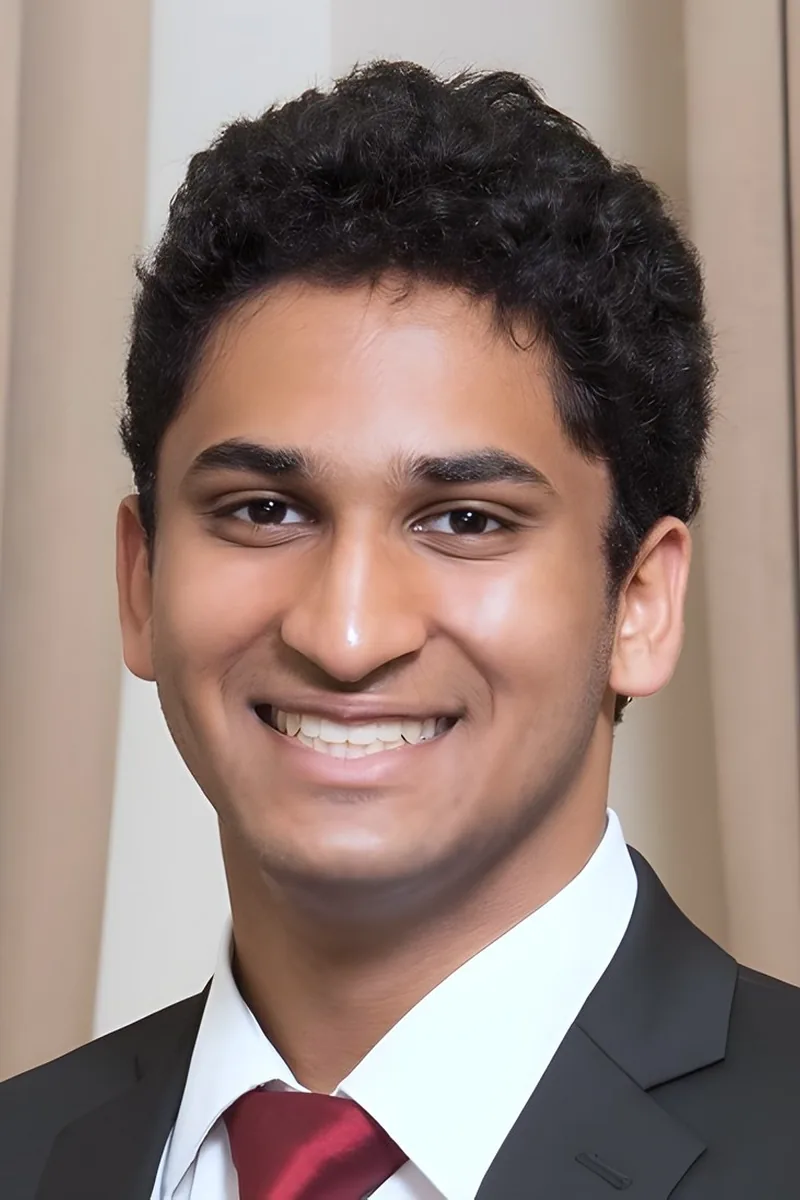
Pratik's subject list is heavy on science and math — AP Chemistry, AP Biology, college physics — which means he picked up Python the way most STEM students do: writing scripts to process data, automate calculations, and solve problems that would take forever by hand. That practical entry point lets him teach core concepts like loops, conditionals, and functions through tasks students can immediately see the purpose of, rather than abstract exercises disconnected from anything real.
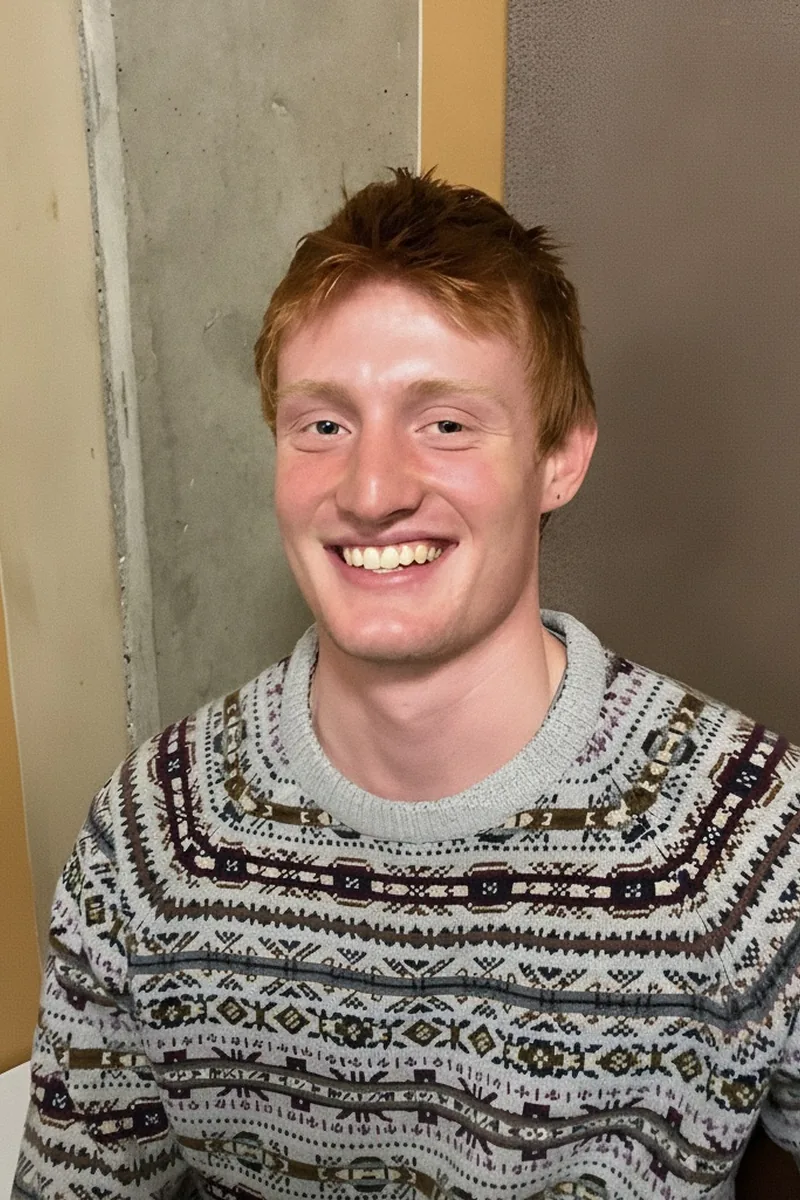
Between his computer science coursework at Carleton and his biochemistry minor, Henry writes Python for everything from data analysis scripts to algorithm problem sets. He teaches the language through hands-on projects — list comprehensions, file I/O, libraries like NumPy — so students see results immediately rather than staring at abstract syntax rules.
I am a junior Computer Science major in the College of Engineering at Cornell University. I have experience tutoring in the National Honor Society in high school, as well as on numerous occasions with acquaintances of mine who were struggling and needed a hand. I tutor high school computer science especially in java and python, as well as algebra (1 & 2) and calculus 1. I love tutoring the math subjects especially, because I feel very comfortable with the subjects and enjoy abstracting them in different ways to help any individual. I believe that success in education is key to building a great life for oneself, and that any person can succeed with the proper work ethic and support network. Even more, I love to see when people I have helped are successful, regardless of area of life. In my spare time, I love to follow college football and basketball and talk about games.
Python's gentle syntax makes it a great first language, but students still struggle when projects jump from simple scripts to working with libraries, file I/O, or object-oriented structure. William uses Python in his professional engineering work and walks through real coding tasks — debugging, refactoring, writing clean functions — so students build habits that carry into any future language.
Python's readable syntax makes it a great first language, but that simplicity can mask real confusion about lists versus tuples, scope rules, or how recursion actually executes under the hood. Nishika programs in Python as part of her CS work at Michigan and teaches it by having students build small projects — a calculator, a text game, a data parser — rather than drilling isolated exercises. Each project introduces new concepts in a context where students can immediately see them working.
I'm working towards a B.S. in Physics at Michigan State University with a minor in Computational Mathematics, Science, and Engineering. I've made the Chancellor's List every semester and am a member of my university's Honors College. I've worked with students as young as 11 and as old as 25 for the past couple of years, both online and in-person. Since I'm still a student myself, I can relate to clients and teach in a way that creates a comfortable and safe space. I tutor a broad range of subjects and would love to help you!
Physics research at Carnegie Mellon means Madeline writes Python daily — from NumPy arrays for data analysis to matplotlib visualizations and automating lab simulations. She teaches scripting the way she learned it: by building real projects that make loops, functions, and debugging feel purposeful rather than abstract.
Studying Computer Science at Carleton College means Meagen writes Python regularly — not just toy scripts, but projects involving data structures, algorithms, and object-oriented design. She explains concepts like loops, conditionals, and functions by connecting the logic to what the code actually does step by step, which makes debugging feel less mysterious.
Annie uses Python daily in her biomedical engineering work at Cornell, from writing scripts to analyze immunotherapy research data to building computational models in MATLAB and Python side by side. She teaches core concepts like loops, functions, data structures, and libraries such as NumPy by connecting them to real problems — not just abstract exercises.
Whether it's scripting a data pipeline or implementing a sorting algorithm from scratch, Florence teaches Python with the pragmatism of someone who's used it across academic and industry settings — including software development at IBM. She walks through core concepts like list comprehensions, dictionary manipulation, and file I/O with clear explanations rooted in her Duke CS coursework and TA experience.
From list comprehensions to object-oriented class design, Brian teaches Python with an emphasis on writing clean, efficient code — not just code that runs. His Caltech CS background included heavy use of Python for data analysis and algorithm implementation, which means he can adapt sessions to whatever a student needs: introductory scripting, NumPy workflows, or preparing for technical interviews.
Python's readability makes it a great first language, but students still hit walls around list comprehensions, recursion, and object-oriented design. Nicholas uses Python daily in his applied mathematics and engineering work at Johns Hopkins, so he teaches it as a practical tool — writing scripts that solve real problems rather than abstract exercises. He's especially effective at bridging the gap between introductory syntax and the algorithmic thinking needed for more advanced projects.
Python's readability makes it a great first language, but students still stumble on list comprehensions, dictionary manipulation, and debugging runtime errors they've never seen before. Ethan uses Python across his Vanderbilt engineering coursework and walks through each concept with real scripts — not just slides — so the logic becomes second nature.
Python's readability makes it a great first language, but students still struggle when they hit list comprehensions, class design, or debugging recursive functions. Victoria teaches Python through hands-on coding — writing real scripts, reading error messages carefully, and learning to think in terms of data flow. Her background spans multiple programming languages, so she can explain Python's quirks by contrasting them with how other languages handle the same problems.
Python's readability makes it the go-to first language, but that simplicity hides real depth — list comprehensions, generators, decorators, and object-oriented design all trip up students who learned syntax without learning structure. Brandon uses Python daily in his AI and machine learning research at RIT and breaks down these intermediate concepts by building small, working projects rather than abstract exercises.
Learning Python at MIT's engineering program means Cori picked it up the way most students will use it — writing scripts to process data, automate calculations, and solve real problems. She breaks down core concepts like loops, functions, and data structures by connecting each one to a tangible task rather than abstract theory.
Python's readability makes it a great first language, but students still get stuck on concepts like list comprehensions, class inheritance, and debugging recursive functions. Noah uses Python daily in his cybersecurity graduate work and writes clean, well-documented code — a habit he passes along from the start. He teaches by building: small scripts first, then layering in complexity so each new concept has a working example behind it.
Tashina picked up Python as a research tool during her PhD in Psychological and Brain Sciences — writing scripts for data cleaning, statistical analysis with pandas and NumPy, and automating repetitive lab tasks. That practical origin means she teaches coding the way she learned it: by building something useful, not just running through syntax exercises.
Testimonials
Because the right Python tutor makes all the difference.
Average Session Rating – Based on 3.4M Learner Ratings
Other Flint Tutors
Related Technology and Coding Tutors in Flint
Frequently Asked Questions
Varsity Tutors matches Flint students with expert Python tutors for 1-on-1 instruction. We pair each student with a tutor based on their specific needs, learning style, and goals.
Whether you need homework help, exam prep, or want to get ahead, our Python tutors are ready to help.
Common challenges include gaps from earlier material, difficulty with specific concepts, and trouble applying learning to new problems. These issues can snowball quickly in Python.
A tutor identifies where you're stuck, fills in gaps, and provides targeted practice. The 1-on-1 format means you get help exactly where you need it.
Tutors work with your student's actual coursework—homework assignments, class notes, and upcoming tests. This keeps tutoring directly relevant to what's happening in the classroom.
When you share information about your student's school and curriculum, we can match you with a tutor who has relevant experience.
All tutors complete background checks, credential verification, and teaching evaluation. Many of our Python tutors hold advanced degrees or have years of teaching experience.
You can review tutor profiles to find someone with the right background for your student's level and needs.
Many students see improved grades within a few weeks, along with better understanding of Python concepts and more confidence tackling challenging material.
Tutors track progress and adjust their approach to ensure continued improvement.
Most students benefit from 1-2 sessions per week. More frequent sessions help if your student is significantly behind or has an important exam coming up.
Your tutor can recommend a schedule based on your student's specific situation and goals.
Tutoring is purchased in packages of hours, with rates varying by tutor experience. Varsity Tutors offers several options to fit different budgets and needs.
You can discuss pricing during your consultation to find what works best.
Your tutor will assess where your student is, discuss goals, and start working on priority areas. Most students bring current homework or upcoming test material to focus on.
By the end, you'll have a clear sense of how the tutor can help and a plan for moving forward.
Let’s find your perfect tutor
Answer a few quick questions. We’ll recommend the right plan and match you with a top 5% tutor.