Award-Winning Japanese Tutors
serving Detroit, MI
Japanese
Tutors in Detroit
Private 1-on-1 tutoring, weekly live classes for academic support, test prep & enrichment, practice tests and diagnostics, and more to elevate grades and test scores.
Based on 3.4M Learner Ratings
UniversitiesSchools & Universities
DeliveredHours Delivered
ProficiencyGrowth in Proficiency
Who needs tutoring?
No obligation. Takes ~1 minute.
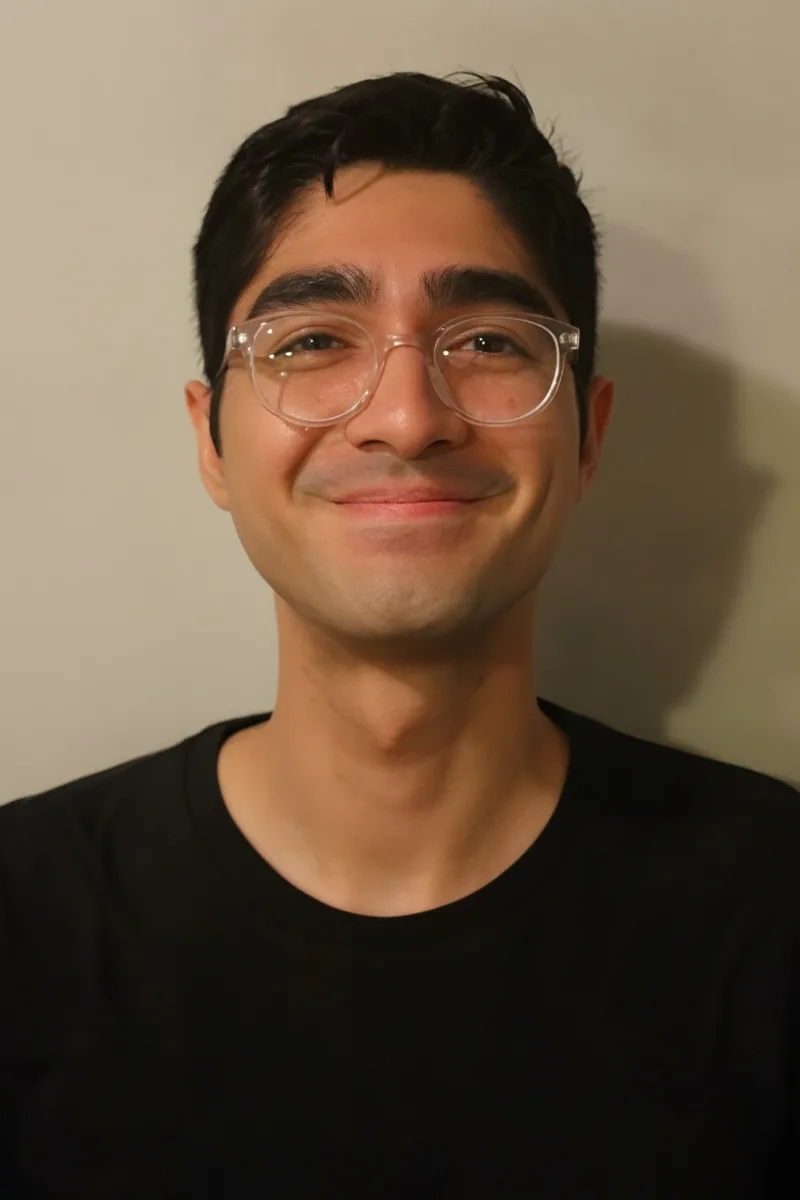
I am an experienced tutor and teacher from Okinawa, Japan who recently graduated from Brown University and now lives in Brooklyn.

Cori is pursuing a Japanese minor at MIT, which means she's actively working through the grammar structures, kanji readings, and particle usage that trip up most learners. That proximity to the learning process gives her a practical sense of what sticks and what needs extra repetition.
Brian prepared for and took the SAT Subject Test in Japanese with Listening, which means he's worked through the grammar structures, kanji recognition, and listening comprehension challenges that define intermediate Japanese study. He approaches language learning with the same systematic thinking he applied to economics and CS at Caltech — breaking down sentence patterns and verb conjugations into logical rules rather than pure memorization.
Most students stall in Japanese once they move past hiragana and katakana into kanji recognition and grammatical particles like は versus が. Wahala minors in Japanese at Indiana University Bloomington and treats the language as a system to decode — connecting sentence structure, verb conjugation patterns, and cultural context so that reading and conversation reinforce each other.
As a native Japanese speaker with over fifty years of fluency in reading, writing, and conversation, Hatsuki teaches the language the way it's actually used — from particle usage and keigo (honorific speech) to the nuances between hiragana, katakana, and kanji in everyday contexts. She currently lives in the U.S. with her family, giving her a natural understanding of where English speakers stumble with Japanese grammar and pronunciation.
Linguistics training gives Andrew a structural advantage when teaching Japanese — he understands how languages build meaning differently, which matters when explaining why particles replace prepositions or why verbs land at the end of every sentence. His background in Korean and German means he's personally navigated multiple grammar systems far removed from English, and he applies that comparative instinct to make Japanese word order and conjugation feel logical rather than arbitrary.
Hi! It's Wataru. I am originally from Japan and have been living in New York since 2000. I had a career as an industrial newspaper pressman/editor in Tokyo so that I know newspaper level strict grammar and manner of business speech. I watch anime and I can talk about Japanese subculture with you if you like. I have been teaching Japanese language in person and online. I have taught from beginners to JLPT N3 certificate prep students. I've taught American, Canadian, English, Indian, German, Australian, Mexican, and so on. Teaching is one of my way to feel the joy of supporting people. I'll help you master the language and dive into Japanese culture and subculture. Once you start to think in Japanese, you will notice that your way of communication changes. English is good for business, law, and science while Japanese is more about sharing feelings. The waiters in Japan may be reluctant to serve your table, but my students prepare well to make them feel at ease and they have fantastic travel in Japan.
Emily minored in Japanese at Texas A&M and continues to engage with the language through media and self-study. She teaches hiragana, katakana, and foundational grammar patterns like particle usage with the same structured approach she applies to her other languages, making the writing systems feel systematic rather than overwhelming.
Holding a degree in Japanese Studies, Andrew brings deep familiarity with not just hiragana, katakana, and kanji but also the cultural context that shapes how the language actually works — keigo politeness levels, sentence-ending particles, and the logic behind counter words. He connects grammar patterns to real conversation so students internalize structures instead of just drilling flashcards.
A drama degree might not scream Japanese fluency, but John's literary work — he's a section editor for the Los Angeles Review of Books and literary manager for two theater companies — means he's deeply attuned to how language shapes meaning, tone, and register. That sensitivity to nuance transfers directly to navigating Japanese's layered politeness levels and context-dependent sentence endings. Rated 5.0 by students.
I am currently finishing my thesis. For the past two years I was an adjunct instructor at The City College of New York, teaching statistics and introductory neuroscience, where I learned the importance of communicating complicated concepts clearly at an individualized level. All of my classes performed above average, and I discovered how satisfying it is to help people understand difficult ideas. I've found that by creating a good rapport with my students I am able to more effectively impart difficult concepts to them while causing them less stress. My passion is people, which first led me to study psychology, leading to my work in statistics, and later into teaching.
Briana minored in Japanese at Michigan State, giving her a grounded understanding of the language's grammar patterns, particle usage, and writing systems — hiragana, katakana, and introductory kanji. She approaches Japanese as someone who learned it systematically in an academic setting, which means she can explain the "why" behind structures that often confuse English speakers.
Testimonials
Because the right Japanese tutor makes all the difference.
Average Session Rating – Based on 3.4M Learner Ratings
Other Detroit Tutors
Related Languages Tutors in Detroit
Frequently Asked Questions
One of the biggest advantages of personalized 1-on-1 Japanese tutoring is consistent speaking practice in a low-pressure environment. In a traditional classroom setting with a 20:1 student-teacher ratio, students often get limited opportunity to speak. A tutor provides dedicated conversation time every session, helping you develop natural fluency and accent through real dialogue. Varsity Tutors connects Detroit students with tutors who can focus entirely on your speaking goals, whether that's building conversational confidence or refining pronunciation.
Japanese verbs change based on tense, formality level, and whether they're positive or negative—which creates many possible forms for a single verb. Rather than memorizing conjugation charts, expert tutors teach you to recognize patterns and understand the logic behind each form. They also help you learn how conjugations appear in natural speech versus textbook examples. With personalized instruction, you can focus on the conjugations that come up in real conversations and contexts you care about, making the system feel less overwhelming and more intuitive.
Kanji mastery requires consistent exposure and strategic practice. A tutor can help you develop a personalized study plan that introduces kanji in meaningful contexts—reading actual sentences and passages rather than memorizing characters in isolation. Tutors often recommend spacing out your kanji learning, mixing in review of characters you've already learned with new ones, and connecting kanji to the vocabulary and grammar you're actively studying. This targeted approach helps you retain characters longer and understand how they combine to create meaning, which is much more effective than cramming.
Language and culture are deeply connected. Understanding Japanese social customs, honorifics, and cultural references helps you grasp why certain expressions exist and when to use them appropriately. For example, the formal versus casual speech levels (keigo) reflect deep cultural values about respect and relationships. Tutors often weave cultural context into lessons—explaining why certain greetings matter, how media and literature reflect language use, or how seasonal expressions work in Japanese society. This immersion-style approach helps you move beyond translation and toward authentic understanding of how native speakers actually communicate.
According to the Foreign Service Institute, achieving professional-level fluency in Japanese typically requires around 2,200 hours of study—significantly more than many European languages. However, your timeline depends on your goals. Conversational ability for travel or basic daily interaction can develop much faster with consistent practice. A personalized tutor can help you set realistic milestones, track progress, and adjust your study approach to move toward your specific fluency goal, whether that's casual conversation, business communication, or deep cultural engagement.
Written Japanese uses kanji, hiragana, and katakana, which provide visual cues that help with comprehension. Listening strips away those visual supports, and native speakers use colloquial speech, contractions, and rapid delivery that differ from textbook Japanese. Additionally, pitch accent and intonation patterns in Japanese carry meaning in ways that can be hard to catch as a learner. Tutors help by exposing you to authentic audio—TV shows, podcasts, movies—and teaching you to recognize common patterns and sounds. Regular listening practice combined with speaking helps train your ear to process Japanese naturally.
Varsity Tutors connects Detroit students with expert Japanese tutors who offer personalized instruction tailored to your level and goals. Whether you're just starting out, preparing for an exam, or working toward conversational fluency, you can get matched with a tutor who fits your schedule and learning style. Tutors work with students across Detroit's 54 school districts and beyond, providing the focused 1-on-1 attention that larger classroom settings can't offer.
Let’s find your perfect tutor
Answer a few quick questions. We’ll recommend the right plan and match you with a top 5% tutor.