Award-Winning Computer Science Tutors
serving Detroit, MI
Computer Science
Tutors in Detroit
Private 1-on-1 tutoring, weekly live classes for academic support, test prep & enrichment, practice tests and diagnostics, and more to elevate grades and test scores.
Based on 3.4M Learner Ratings
UniversitiesSchools & Universities
DeliveredHours Delivered
ProficiencyGrowth in Proficiency
Who needs tutoring?
No obligation. Takes ~1 minute.
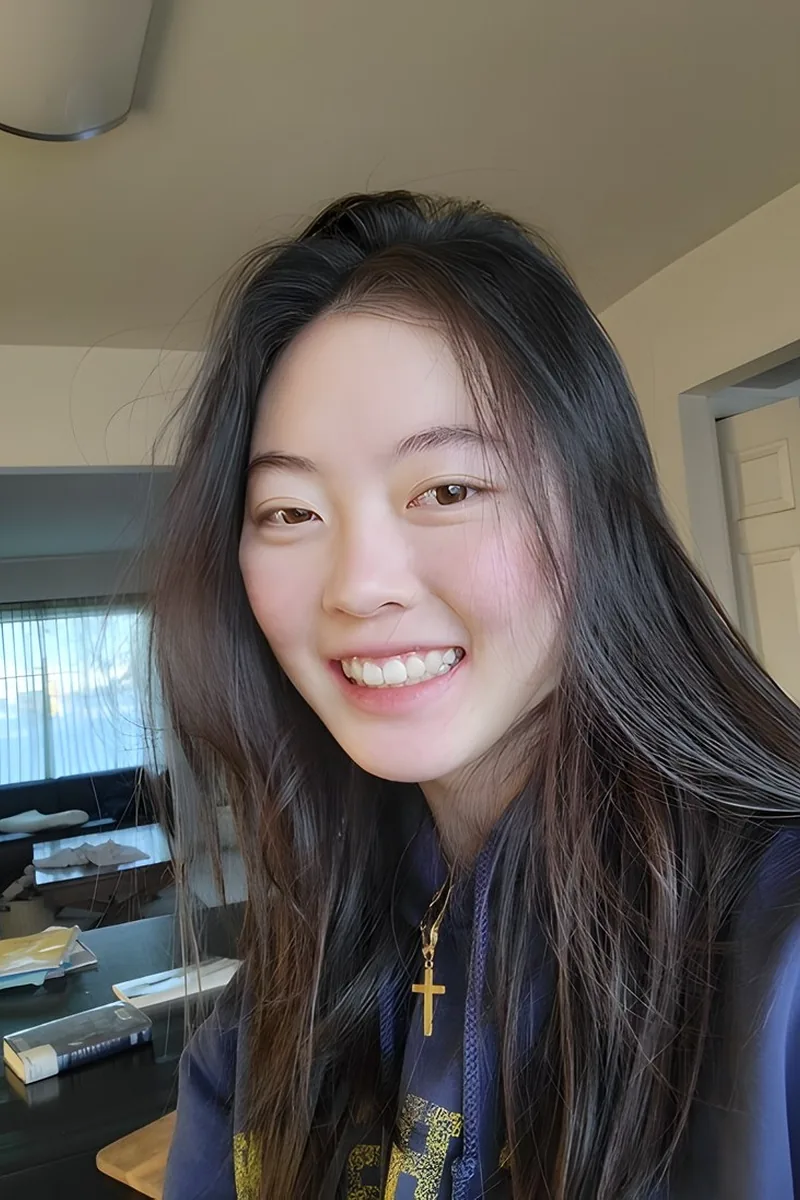
I am a undergraduate freshman of the University of Michigan, studying business at the Ross School of Business. Working together with students and having a good time while seeing steady improvements has proven to provide me great joy. I believe that communication and relationship building is crucial for students to open up about their struggles and also for me to identify problems they don't realize they can improve on, so this is a key aspect of all of my lessons. During my free time, I enjoy playing sports or snacking on desserts while binge-watching Friends!
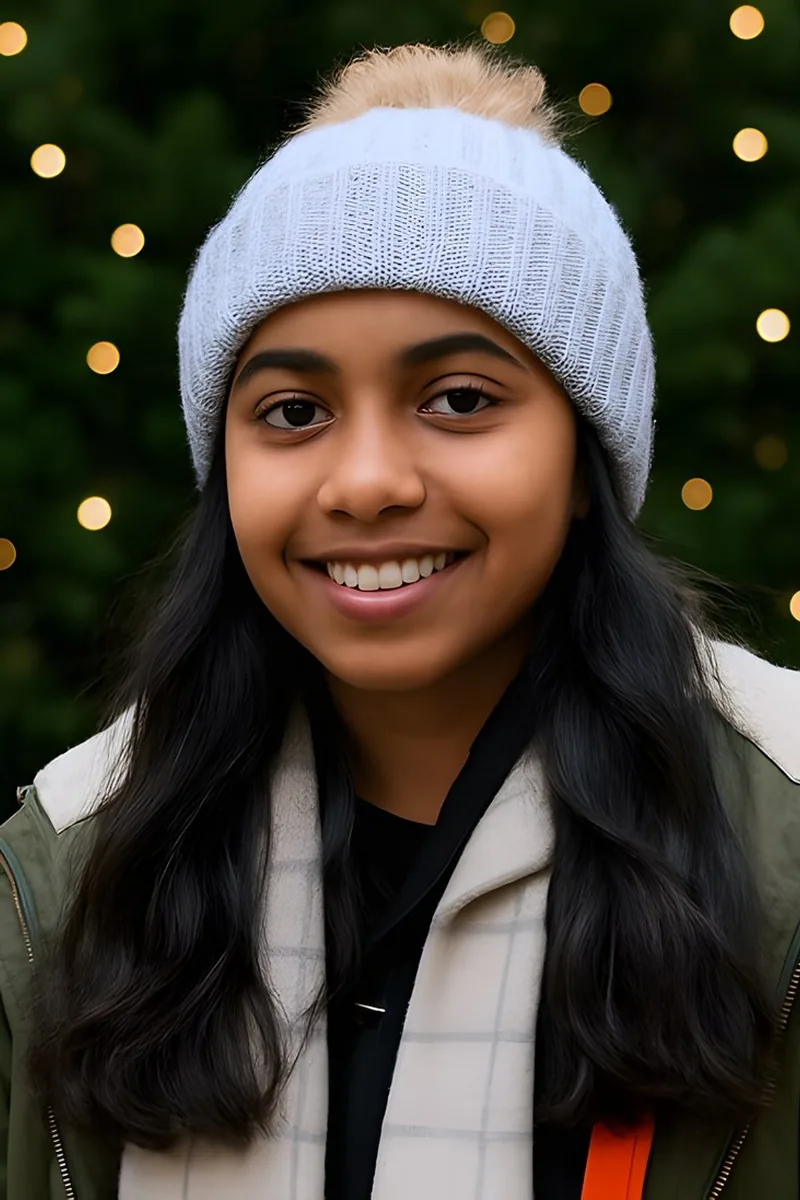
Earning a CS degree from the University of Michigan means Nikitha has worked through everything from data structures and algorithms to systems programming and software design. She teaches concepts through discussion rather than lecture, pushing students to reason through problems like debugging a recursive function or choosing the right data structure for a given task.
I am a junior Computer Science major in the College of Engineering at Cornell University. I have experience tutoring in the National Honor Society in high school, as well as on numerous occasions with acquaintances of mine who were struggling and needed a hand. I tutor high school computer science especially in java and python, as well as algebra (1 & 2) and calculus 1. I love tutoring the math subjects especially, because I feel very comfortable with the subjects and enjoy abstracting them in different ways to help any individual. I believe that success in education is key to building a great life for oneself, and that any person can succeed with the proper work ethic and support network. Even more, I love to see when people I have helped are successful, regardless of area of life. In my spare time, I love to follow college football and basketball and talk about games.
From writing your first loop to understanding recursion and sorting algorithms, computer science rewards a specific kind of thinking — breaking big problems into smaller, solvable pieces. Nishika earned her CS degree at Michigan and has taught programming in Java, C++, Python, and Scratch to students at very different levels. She adapts her explanations to whether someone needs visual metaphors or wants to dive straight into code.
From data structures and sorting algorithms to Big-O analysis, computer science asks students to think about efficiency in a way no other subject does. William's engineering training built exactly that habit: decomposing a complex system, identifying bottlenecks, and optimizing step by step. He connects CS theory to tangible applications so concepts like recursion and linked lists feel intuitive rather than arbitrary.
From sorting algorithms to recursion to Big-O analysis, computer science is really about learning to think in layers of abstraction. Miral's financial math training at Michigan gave her deep comfort with algorithmic logic, and she applies that to teaching students how to design solutions before writing a single line of code.
I'm working towards a B.S. in Physics at Michigan State University with a minor in Computational Mathematics, Science, and Engineering. I've made the Chancellor's List every semester and am a member of my university's Honors College. I've worked with students as young as 11 and as old as 25 for the past couple of years, both online and in-person. Since I'm still a student myself, I can relate to clients and teach in a way that creates a comfortable and safe space. I tutor a broad range of subjects and would love to help you!
Krishanu earned his B.S. in Computer Science and teaches across the full stack — from data structures and algorithms to object-oriented design and recursion. He breaks down abstract concepts like Big-O analysis and memory management into concrete, traceable steps that make debugging and optimization feel intuitive.
I'm a premedical student at Cornell University with extensive experience tutoring students, especially in chemistry at the high school and undergraduate level, writing at the high school and undergraduate level, and SAT/ACT prep.
Studying computer science at MIT, Brice digs into everything from data structures and algorithms to systems-level thinking with students at any stage. He's tutored over 30 students in the past year alone, tackling topics like recursion, object-oriented design, and algorithmic complexity. Rated 4.9 by students.
From sorting algorithms and Big-O analysis to data structures like linked lists and binary trees, Rhamy covers the foundational CS concepts that show up in coursework and technical interviews alike. His computer engineering degree at Vanderbilt, paired with experience in multiple languages, lets him explain abstract ideas through concrete code. Rated 5.0 by students.
Building AI systems and low-level software at Stanford — in both Python and C++ — Kevin knows where the theoretical meets the practical in computer science. His biocomputation specialization means he can explain not just how to implement an algorithm, but why certain computational approaches work better for different problem domains. Rated 5.0 by students.
Between his AP Computer Science 5 and his engineering coursework at Vanderbilt, William has written code across contexts — from introductory Java to computational modeling in his chemical engineering classes. He breaks down abstract concepts like recursion, data structures, and algorithm efficiency by walking through concrete examples line by line. Students who can follow the logic but freeze when writing code from a blank screen tend to gain traction quickly with his approach.
Sakibul's graduate work at Rice sits at the intersection of computer science and applied mathematics, which means he tackles programming concepts — loops, recursion, data structures — with the analytical rigor of a mathematician. He breaks down abstract ideas like algorithmic complexity into concrete, step-by-step reasoning that clicks for students encountering CS for the first time.
Florence doesn't just study computer science at Duke — she teaches it, having served as a TA for Intro to Databases and Computer Network Architecture while also interning in software development at IBM. That combination of academic depth and industry experience means she can explain everything from relational algebra to TCP/IP networking with concrete, real-world context. Rated 5.0 by students.
Most CS tutors come from pure software backgrounds — Clive's path runs through economics at Brown, where he picked up Java, Python, JavaScript, SQL, and HTML as tools for data analysis and building real projects rather than just completing problem sets. That applied angle makes him especially effective at teaching programming fundamentals and web technologies to students who learn better when code solves a tangible problem.
Julia is a computational science major at Stanford who writes code daily and understands the gap between knowing syntax and thinking like a programmer. She digs into core concepts like recursion, data structures, and algorithm design by walking through problems step by step until the logic becomes intuitive. Students learning Python, Java, or tackling their first real debugging challenge get someone who can explain the *why* behind every line.
Alston is pursuing a Computer Science degree at the University of Virginia, which means he's actively working through data structures, algorithms, and object-oriented design — not recalling them from years ago. He breaks down concepts like recursion and sorting algorithms by walking through the logic step by step, letting students trace the code themselves until the pattern clicks.
Studying computer science at Cornell's College of Engineering, Ravnoor digs into topics like data structures, algorithms, and object-oriented design on a daily basis. He breaks complex problems — recursion, linked lists, sorting efficiency — into smaller, concrete steps so students build genuine understanding they can apply to new challenges independently.
As an engineering student at Brown, Kashish works with programming languages and computational thinking daily — from writing algorithms to debugging code and understanding data structures like arrays, linked lists, and trees. She breaks down abstract CS concepts by connecting them to concrete problems, making topics like recursion or object-oriented design click for students encountering them for the first time. Her analytical precision and 5.0 rating make her a strong fit for introductory through intermediate computer science.
From data structures and algorithm analysis to the fundamentals of how operating systems and networks function, Nicholas covers computer science with the depth his Penn State CS degree provided. He's especially strong at explaining recursion, sorting algorithms, and Big-O notation — the concepts that separate students who can code from students who truly understand computation. Rated 5.0 by students.
Testimonials
Because the right Computer Science tutor makes all the difference.
Average Session Rating – Based on 3.4M Learner Ratings
Other Detroit Tutors
Related Technology and Coding Tutors in Detroit
Frequently Asked Questions
Your first session is all about understanding where you're at and what you want to achieve. A tutor will assess your current programming knowledge, discuss whether you're focusing on web development, data structures, game development, or another area, and identify specific challenges like debugging or algorithmic thinking. From there, they'll create a personalized plan that matches your goals and learning style.
Debugging is one of the most valuable skills a tutor can help you develop. Rather than just fixing errors, expert tutors teach you how to read error messages, trace through your code logically, and use debugging tools effectively. This hands-on approach means you'll learn to solve problems independently, not just get quick fixes.
Syntax is the grammar of a programming language—the rules for writing correct code. Logic is the problem-solving approach behind the code. Many students struggle because they focus too much on syntax and not enough on algorithmic thinking. A tutor helps you build strong logical foundations first, so syntax becomes much easier to learn and remember.
Data structures and algorithms are abstract concepts that benefit greatly from personalized explanation and practice. Tutors break down complex ideas like arrays, linked lists, sorting, and searching into digestible pieces, then have you practice implementing them. This combination of explanation, code review, and hands-on practice is how students build real mastery.
Absolutely. Project-based learning is one of the most effective ways to develop Computer Science skills. Tutors can guide you through building real applications—whether that's a website, a game, a data analysis tool, or something else—while teaching you best practices, code organization, and how to approach problems systematically. You'll learn by doing, not just by theory.
Varsity Tutors connects you with tutors who work across all major programming languages—Python, Java, C++, JavaScript, and more. The best choice depends on your goals: Python is great for beginners and data science, Java for software engineering, JavaScript for web development. Your tutor can recommend the right language for your path and help you master it.
Yes. AP Computer Science A and AP Computer Science Principles have specific curricula and exam formats that benefit from expert guidance. Tutors can help you master the required concepts, practice free-response questions, review past exams, and develop the problem-solving strategies that lead to strong scores. Many students see significant improvement with consistent 1-on-1 support.
Varsity Tutors matches you with expert tutors who have real Computer Science experience and teaching ability. You can specify your goals—whether it's learning a specific language, preparing for AP exams, or building projects—and get connected with someone who's a great fit. The process is straightforward, and you can start personalized instruction quickly.
Let’s find your perfect tutor
Answer a few quick questions. We’ll recommend the right plan and match you with a top 5% tutor.