Award-Winning Science Tutors
serving Des Moines, IA
Science
Tutors in Des Moines
Private 1-on-1 tutoring, weekly live classes for academic support, test prep & enrichment, practice tests and diagnostics, and more to elevate grades and test scores.
Based on 3.4M Learner Ratings
UniversitiesSchools & Universities
DeliveredHours Delivered
ProficiencyGrowth in Proficiency
Who needs tutoring?
No obligation. Takes ~1 minute.
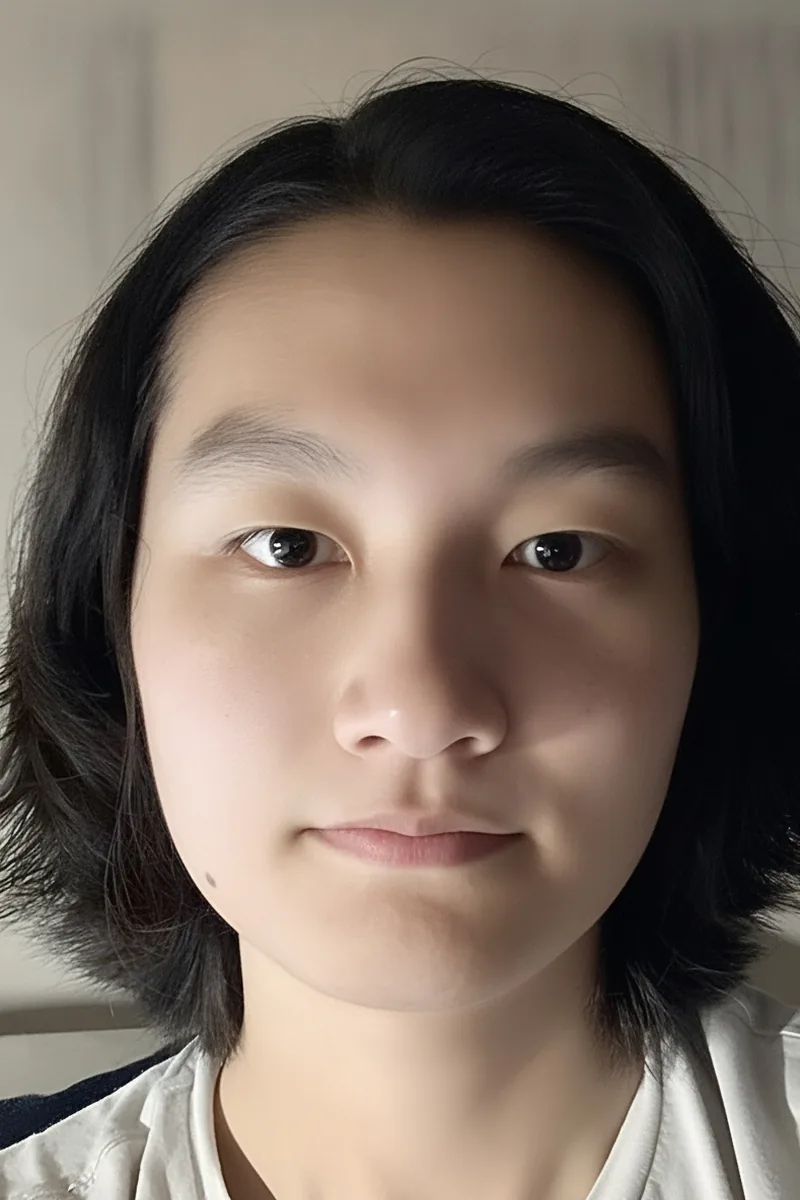
A computer science degree builds the same systematic thinking science demands — isolating variables, testing predictions, and debugging when results don't match expectations — and Joshua applies that problem-solving instinct to topics like energy, matter, and experimental design. His 1560 SAT confirms he can handle the reading-heavy, data-interpretation side of science that often trips students up more than the content itself.
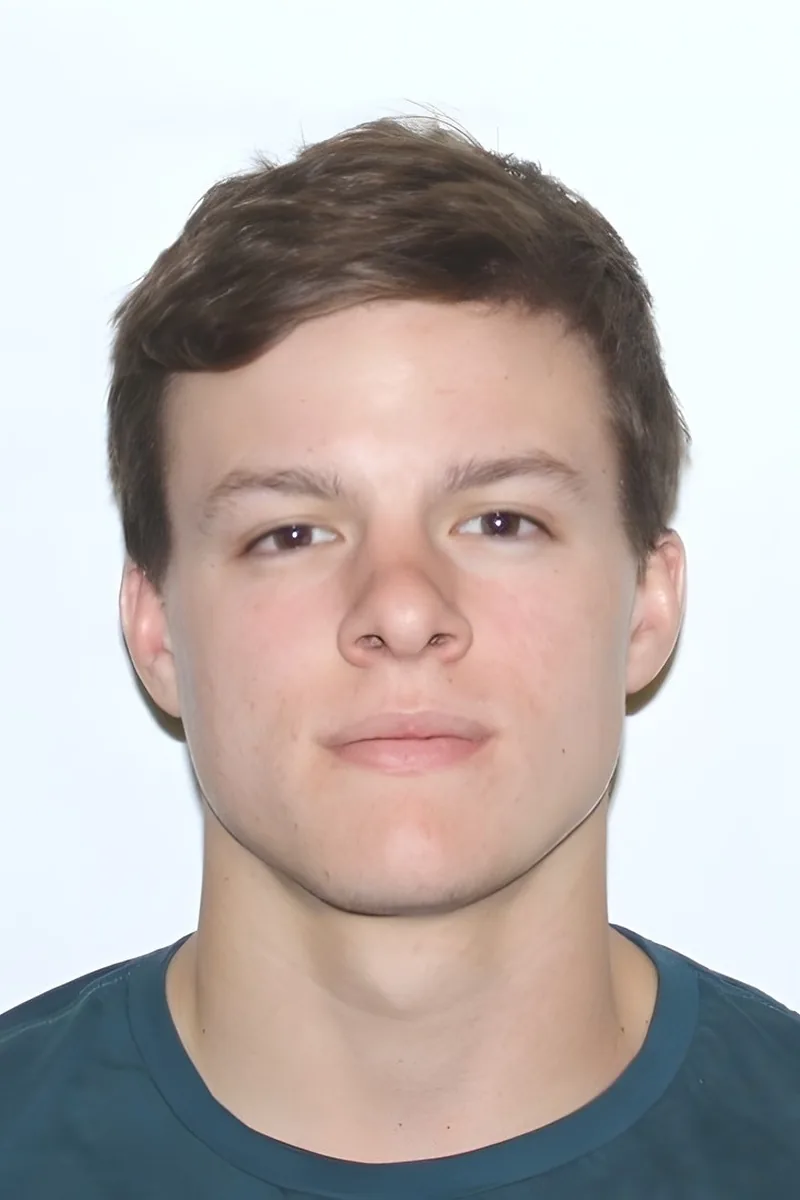
An economics degree from the University of Chicago means Elliot spent four years immersed in statistical modeling, hypothesis testing, and data interpretation — skills that translate naturally when students need to design experiments, read graphs, or explain what their results actually mean. He's especially comfortable with the quantitative side of science, from unit conversions to calculating rates of change, since his coursework in econometrics and calculus built those muscles daily. Rated 4.9 by students.
Mary's broad teaching range across math, reading, and writing means she can spot exactly which underlying skill is tripping a student up in science — whether it's the math behind a formula, the vocabulary in a textbook passage, or the logic needed to connect an observation to a conclusion. She walks students through each piece separately before putting it all back together, which keeps the subject from feeling like an overwhelming wall of facts.
Jennifer's ELA training at NYU's accelerated MAT program might seem distant from science, but teaching students to read dense nonfiction closely — pulling claims from evidence, evaluating an author's reasoning, spotting unsupported conclusions — is exactly what science coursework demands when students face lab reports, textbook passages, and data-heavy questions. She's especially useful for students who understand the concepts but struggle to articulate their thinking in written explanations or short-answer responses.
A neurobiology-focused biology degree from Northwestern means Nina didn't just take introductory science — she studied cellular mechanisms, genetics, and brain physiology in depth. She connects textbook concepts like mitosis or enzyme kinetics to real research contexts, which tends to make the material click faster than rote memorization. Rated 5.0 by students.
An MIT math degree and a PhD track in operations research at Georgia Tech mean Isabella has spent years inside labs and classrooms where the scientific method isn't a textbook concept — it's a daily practice of modeling real systems, testing assumptions, and interpreting results. She's especially strong on the quantitative backbone of science: reading data tables, understanding units, and translating observations into precise claims. Rated 5.0 by students.
Pre-health coursework at the University of Pennsylvania means Shayan has lived the full gauntlet — biology, biochemistry, physiology, pharmacology, and anatomy — and knows how to connect those disciplines into a coherent picture. He teaches science by grounding every concept in a concrete example, whether that's explaining cellular respiration through energy metabolism or walking through organ systems one function at a time.
Holding a master's in cellular and molecular biology, Akarsh brings deep content knowledge across biology, chemistry, and physics — the three pillars most science courses draw from. He unpacks concepts like cellular respiration, stoichiometry, or Newton's laws by connecting them to observable, real-world phenomena that make the underlying logic click.
A PhD in Computational Mathematics from the University of Chicago means Justin doesn't just know science — he understands the quantitative reasoning that ties physics, chemistry, and earth science together. He breaks down concepts like energy conservation, wave behavior, and data analysis by connecting them to real-world phenomena, from climate modeling to how lenses form images. Rated 5.0 by students.
Mimi's Masters in Education from Harvard focused on inquiry-based and object-based learning — an approach that turns science into something students can observe, question, and test rather than just read about in a textbook. Her integrated arts background means she often teaches concepts like ecosystems or states of matter through hands-on exploration and visual models, which tends to stick with students who struggle to learn from lectures alone. She's especially strong with younger and middle school learners building their first real science habits.
A biochemistry degree from Rice and a current M.D. program at Baylor mean Michelle lives at the intersection of biology and chemistry every day. She unpacks concepts like cellular respiration, acid-base equilibria, and molecular genetics by tying them to how the body actually works — turning dense textbook material into something students can visualize and retain.
Doctoral work in clinical psychology at Duke means Shelley designs and analyzes research studies regularly — controlling variables, interpreting statistical output, and defending conclusions in front of faculty who pick apart every methodological choice. That daily practice with the scientific method gives her a practical fluency she brings to teaching concepts like experimental design, data analysis, and hypothesis testing. Her 5.0 rating suggests she makes that rigor accessible rather than intimidating.
Earning a medical doctorate means Jessica didn't just study science — she lived it across biology, chemistry, physics, and anatomy for years. She teaches scientific concepts by linking them to real processes in the body or the natural world, making abstract ideas like energy transfer or cellular respiration tangible and easier to retain.
Andrew holds a BS in Physics and a PhD in Biomedical Engineering, which means he's spent over a decade thinking scientifically — designing experiments, interpreting data, and connecting abstract principles to measurable outcomes. He unpacks concepts in mechanics, electricity, and biology-adjacent topics like biomechanics with the kind of depth that comes from genuine research experience. Students get explanations rooted in understanding, not just memorized definitions.
Biomedical engineering trained Sam to move fluidly between biology, chemistry, and physics — the same integration students need when tackling science coursework. He unpacks concepts like cellular respiration or circuit analysis by tying them back to the underlying math, which turns abstract diagrams into something students can actually reason through.
Testimonials
Because the right Science tutor makes all the difference.
Average Session Rating – Based on 3.4M Learner Ratings
Practice Science
Free practice tests, flashcards, and AI tutoring for Science
Nearby Science Tutors
Other Des Moines Tutors
Related Science Tutors in Des Moines
Frequently Asked Questions
Science requires both conceptual understanding and hands-on problem-solving skills that can be challenging to develop in a traditional classroom setting. With personalized 1-on-1 instruction, tutors can focus on your student's specific gaps—whether that's understanding atomic structure, mastering the scientific method, or building confidence with lab reports—and adjust the pace to match their learning style. This targeted approach often leads to improved grades and deeper comprehension of core concepts.
Yes, Varsity Tutors connects you with expert tutors who are familiar with Iowa's science standards and the specific curricula used across Des Moines schools. Whether your student attends a school in the Des Moines Public Schools district or another local district, tutors can align their instruction with your student's classroom content and help reinforce what they're learning in class.
Many students struggle with abstract concepts like energy transfer, chemical reactions, and genetics because these ideas require visualization and deeper reasoning beyond memorization. Others find difficulty with the mathematical components of science—calculating density, working with scientific notation, or interpreting graphs. Personalized tutoring addresses these specific pain points by breaking complex ideas into manageable steps and using real-world examples to make concepts stick.
During the first session, a tutor will assess your student's current understanding of science concepts, identify areas of strength and challenge, and learn about their learning style and goals. This foundation helps the tutor create a personalized plan for future sessions, whether the focus is on preparing for a test, improving homework completion, or building foundational skills in a specific unit.
Tutors work with students across all science levels—from elementary life science and physical science, to middle school earth science and general science, to high school biology, chemistry, physics, and AP science courses. They can also help with specialized topics like anatomy, environmental science, marine biology, and astronomy depending on your student's needs and interests.
In a classroom with a 14.7:1 student-teacher ratio, teachers must move at a pace that serves the average student, which can leave some students behind or unchallenged. Personalized tutoring allows a tutor to slow down for deeper understanding, spend extra time on difficult concepts, or accelerate through material your student has already mastered. Tutors can also use teaching methods tailored to your student's learning style—whether that's visual demonstrations, hands-on experiments, or verbal explanations.
Absolutely. Many students need support understanding lab procedures, analyzing experimental data, and writing clear lab reports that communicate their findings. Tutors can help your student develop these practical skills, interpret results correctly, and present their work professionally—all critical components of success in science courses.
Tutors use targeted test preparation strategies like practice problems, concept review, and retrieval practice to help students retain information and build confidence before exams. They can identify which topics your student finds most challenging, focus study time efficiently, and teach test-taking strategies specific to science—like how to approach multiple-choice questions or manage time on timed exams.
Let’s find your perfect tutor
Answer a few quick questions. We’ll recommend the right plan and match you with a top 5% tutor.