Award-Winning Japanese Tutors
serving Des Moines, IA
Japanese
Tutors in Des Moines
Private 1-on-1 tutoring, weekly live classes for academic support, test prep & enrichment, practice tests and diagnostics, and more to elevate grades and test scores.
Based on 3.4M Learner Ratings
UniversitiesSchools & Universities
DeliveredHours Delivered
ProficiencyGrowth in Proficiency
Who needs tutoring?
No obligation. Takes ~1 minute.
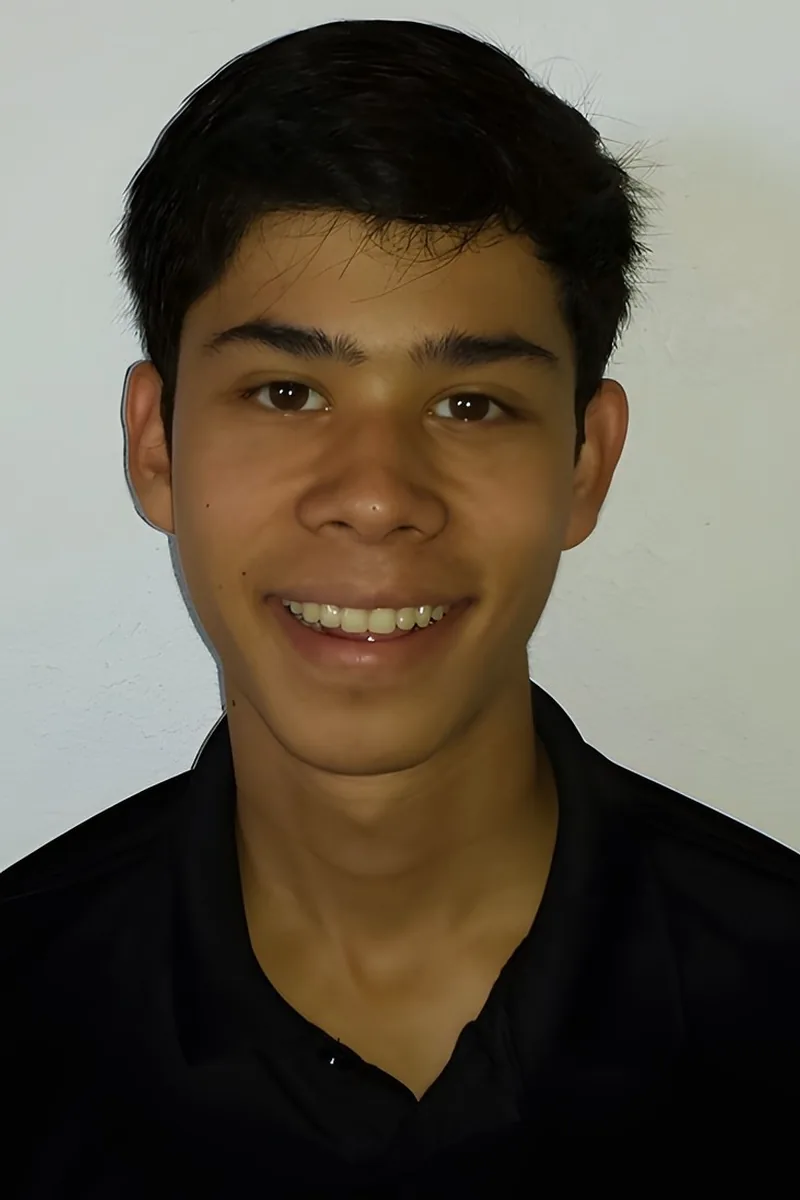
Having prepared for and taken the SAT Subject Test in Japanese with Listening, Dylan brings practical fluency in grammar structures like particle usage, verb conjugation groups, and honorific registers. He tackles reading comprehension by teaching students to decode kanji compounds in context rather than relying purely on rote memorization. Rated 5.0 by students.
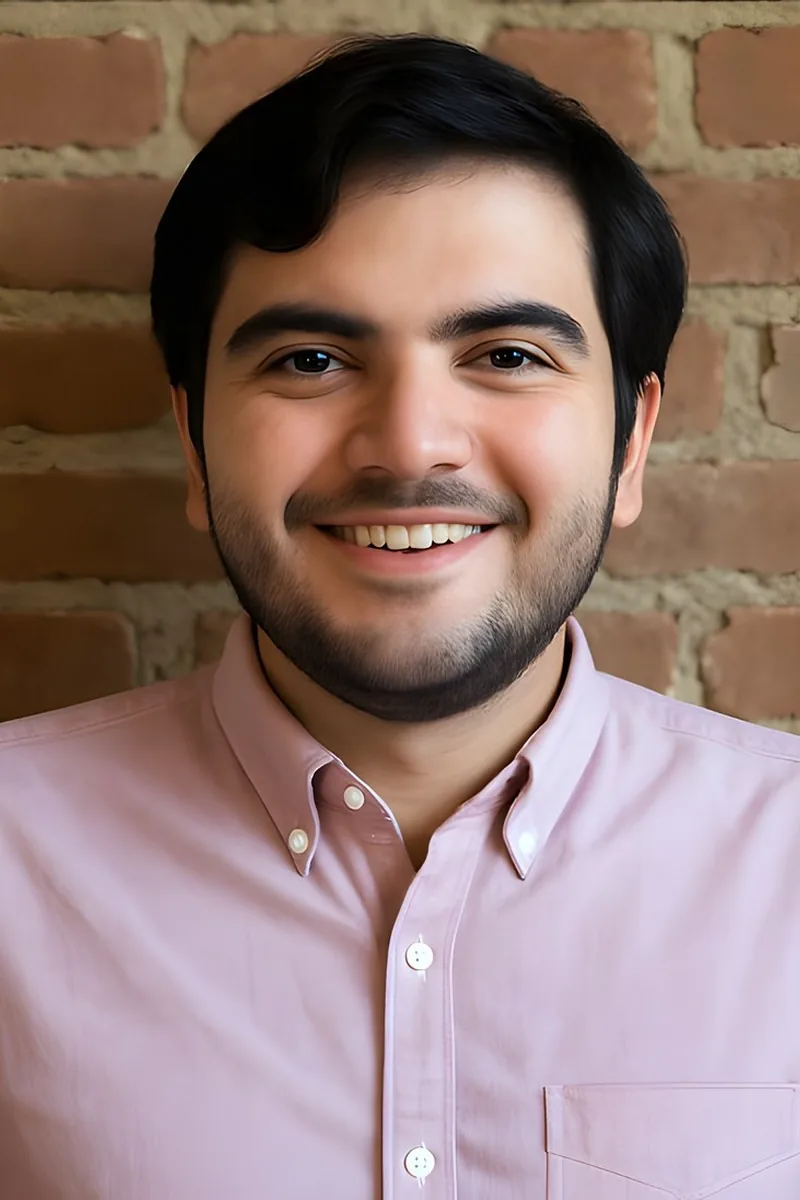
I am currently finishing my thesis. For the past two years I was an adjunct instructor at The City College of New York, teaching statistics and introductory neuroscience, where I learned the importance of communicating complicated concepts clearly at an individualized level. All of my classes performed above average, and I discovered how satisfying it is to help people understand difficult ideas. I've found that by creating a good rapport with my students I am able to more effectively impart difficult concepts to them while causing them less stress. My passion is people, which first led me to study psychology, leading to my work in statistics, and later into teaching.
Few Japanese tutors can combine formal academic study with real teaching experience in Japan — Sophie has both. Her East Asian Studies work at Princeton included intensive Japanese language training, and she spent time teaching English in Japan, which gave her deep familiarity with how the two languages map onto (and diverge from) each other. She tackles everything from hiragana and katakana basics to particle usage and keigo politeness levels.
Holding a degree in Japanese Studies, Andrew brings deep familiarity with not just hiragana, katakana, and kanji but also the cultural context that shapes how the language actually works — keigo politeness levels, sentence-ending particles, and the logic behind counter words. He connects grammar patterns to real conversation so students internalize structures instead of just drilling flashcards.
I am motivated in addressing the disparities in educational equity here in the Twin Cities, particularly for students of color and students of differing socio-economic backgrounds. I work to build strong relationships with students to determine the strengths and knowledge they bring to the table.
I am a current student at the University of Vermont. I am completing two Bachelors in Linguistics and Japanese, and am a researcher for both departments. From high school to the present day I have tutored people my age and younger, and I have experience working with refugee/ELL students; I have collected 2 years of experience. Though I can tutor several subjects, I am most passionate for Japanese, and feel it is my true calling. In my experience helping those who want to learn a foreign language like Japanese, I have found that scaffolding, or building off of, your interests in film, food, literature and culture has a profound and positive effect on your learning. I love education and learning for the sake of learning, and I will soon graduate and plan to teach English in Japan; sharing language and culture is my way of helping others and the world.
Though her degrees are in biology and science education, Sarah lists Japanese among her interests and brings a teacher's instinct for breaking complex systems into learnable parts — useful when students are wrestling with hiragana stroke order or the logic behind particle placement. Her 5.0 rating and four years of classroom teaching mean she knows how to pace a lesson and adjust when something isn't landing.
A PhD in linguistics means Lewis doesn't just know languages — he understands how they work structurally, which is exactly what you need when Japanese throws you grammar that has zero English parallels. He applies that analytical framework to breaking down sentence-final particles, SOV word order, and the logic behind verb conjugation so the patterns become predictable rather than random. His experience teaching ESL/ELL also means he's practiced at bridging the gap between how English and non-European languages organize meaning.
Learning Japanese means juggling three writing systems, unfamiliar sentence structures, and particles that don't map neatly onto English — Rex tackles each layer separately so students can build real reading and conversational ability. His communication design background also gives him a unique perspective on how visual layout and typography work in Japanese media, which keeps lessons engaging and culturally grounded.
Most students stall in Japanese once they move past hiragana and katakana into kanji recognition and grammatical particles like は versus が. Wahala minors in Japanese at Indiana University Bloomington and treats the language as a system to decode — connecting sentence structure, verb conjugation patterns, and cultural context so that reading and conversation reinforce each other.
As a dedicated language tutor with several years of experience, I bring both expertise and enthusiasm to every lesson. I specialize in Chinese, Japanese, and basic Arabic, and I have had the privilege of guiding students of diverse ages and backgrounds through their language-learning journeys.
Having completed an Asian Languages minor at UCLA, Abrahim brings formal training in Japanese grammar, kanji acquisition, and reading comprehension to his tutoring. He approaches the language methodically — building from particle usage and verb conjugation patterns up to reading authentic texts — which works especially well for students who want structure rather than immersion-only learning.
Testimonials
Because the right Japanese tutor makes all the difference.
Average Session Rating – Based on 3.4M Learner Ratings
Nearby Japanese Tutors
Other Des Moines Tutors
Related Languages Tutors in Des Moines
Frequently Asked Questions
Your first session is all about understanding your goals and current level. A tutor will assess your reading, writing, speaking, and listening skills, discuss what you want to achieve (whether that's passing an AP exam, conversational fluency, or preparing for a trip to Japan), and create a personalized learning plan. This helps ensure every session after that is focused on what matters most to you.
In a classroom setting, students often get limited speaking time. With personalized tutoring, you get dedicated conversation practice every session with immediate feedback on pronunciation and natural phrasing. Tutors can help you develop an authentic accent, correct mistakes in real-time, and build confidence speaking Japanese in ways that classroom instruction typically can't provide.
Japanese grammar—especially verb conjugation, particles, and sentence structure—can feel overwhelming at first. Expert tutors break down complex patterns into digestible concepts and show you how grammar works in real conversations, not just in textbooks. They also help you move beyond memorizing rules to understanding how Japanese speakers actually use the language naturally.
Rather than cramming lists, effective vocabulary learning uses spaced repetition and context—seeing words used in real sentences and conversations. Tutors help you learn vocabulary tied to your interests and goals, and they reinforce retention through practice across all four skills: reading, writing, speaking, and listening. This approach leads to vocabulary that actually sticks.
Yes. Language and culture are deeply connected, and understanding Japanese customs, etiquette, and context makes language learning more meaningful and practical. Many tutors weave cultural insights into lessons—whether that's explaining why certain phrases are used in specific situations or helping you understand communication styles. This immersion-style approach helps you use Japanese appropriately in real-world contexts.
Reaching conversational fluency typically requires around 600-750 hours of study according to language learning research. With consistent personalized tutoring combined with your own practice, most students can reach basic conversational ability within several months, though achieving professional-level fluency takes longer. Your tutor can set realistic milestones based on how frequently you study and your starting level.
Look for tutors who have native or near-native fluency, teaching experience, and ideally background in Japanese language education or cultural expertise. The best tutors can explain grammar clearly, provide authentic conversation practice, and adapt their teaching to your learning style. Varsity Tutors connects you with expert tutors in Des Moines who meet these standards and can work with your specific goals.
Absolutely. AP Japanese requires proficiency across all four skills plus cultural knowledge, and personalized tutoring is ideal for this. Tutors can help you master the specific vocabulary and grammar tested, practice the exam's speaking and writing sections, and develop strategies for the listening comprehension portion. With focused preparation, tutoring significantly improves AP exam performance.
Let’s find your perfect tutor
Answer a few quick questions. We’ll recommend the right plan and match you with a top 5% tutor.