Award-Winning Microbiology Tutors
serving Des Moines, IA
Microbiology
Tutors in Des Moines
Private 1-on-1 tutoring, weekly live classes for academic support, test prep & enrichment, practice tests and diagnostics, and more to elevate grades and test scores.
Based on 3.4M Learner Ratings
UniversitiesSchools & Universities
DeliveredHours Delivered
ProficiencyGrowth in Proficiency
Who needs tutoring?
No obligation. Takes ~1 minute.
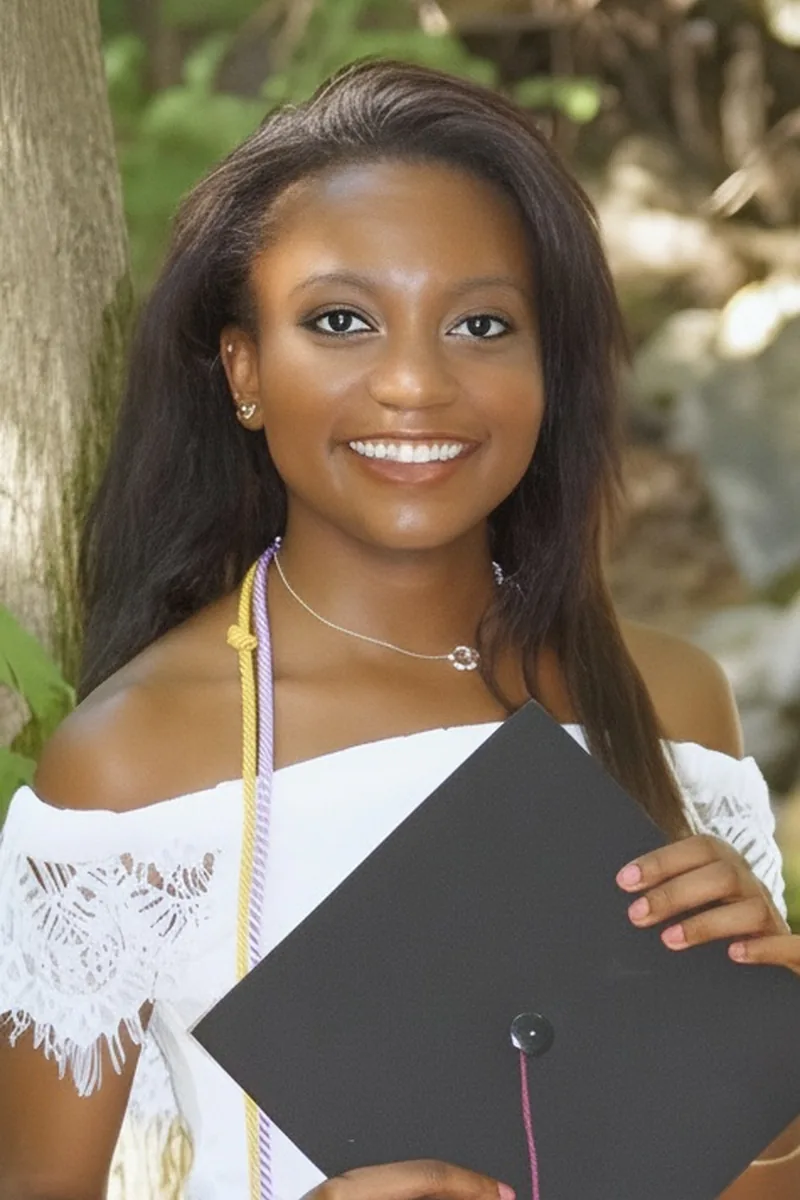
Her global health minor at Cornell meant Emily spent real time studying how pathogens spread, how immune responses work, and why microbial ecology matters beyond the lab. She digs into topics like bacterial cell structure, viral replication cycles, and antimicrobial resistance with the kind of context that makes memorization-heavy material more intuitive.
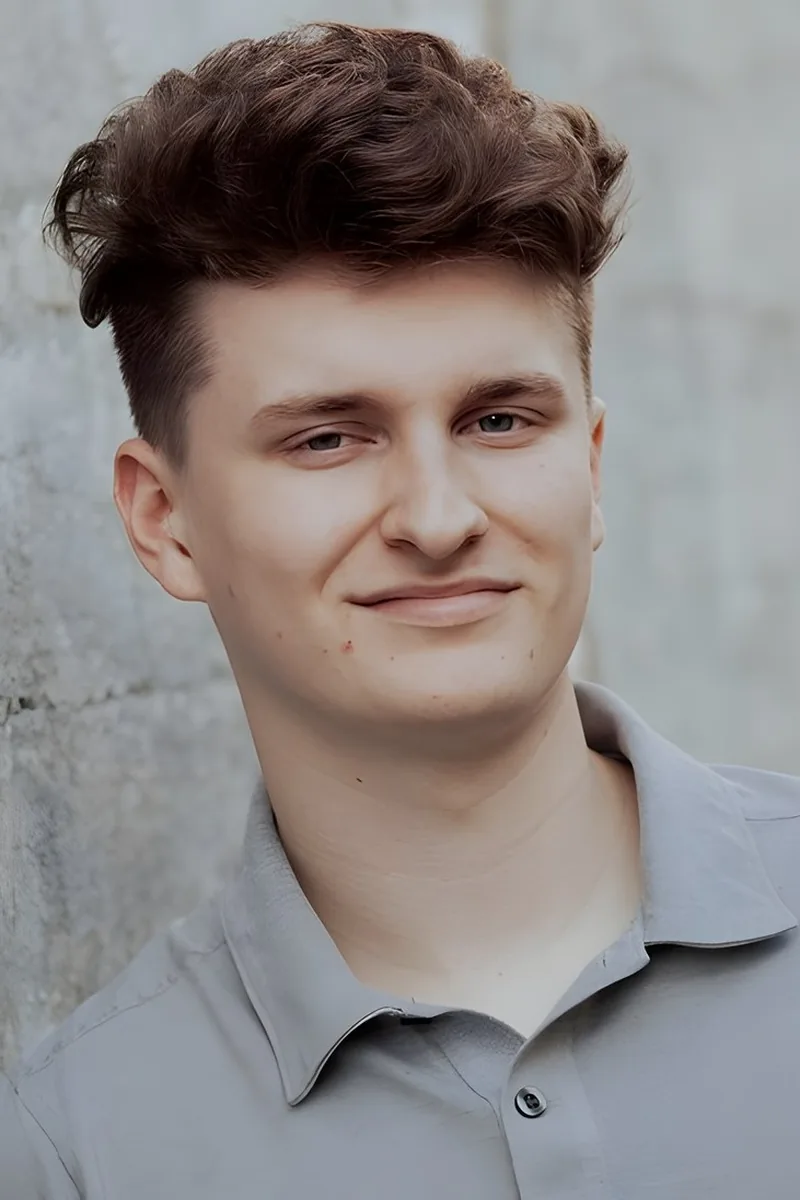
Neuroscience at Brown doesn't let you skip the micro — Owen's coursework in biology and chemistry built a working understanding of how microorganisms operate at the cellular level, from membrane transport to metabolic regulation. He brings that mechanistic thinking to topics like bacterial growth curves and immune evasion, breaking down each process into the molecular steps that actually explain it.
Bacterial morphology, Gram staining techniques, viral replication cycles — microbiology throws a lot of vocabulary at students before asking them to think critically about pathogenesis and immune response. Ade's biology degree gives him the foundation to break down these interconnected systems and show how individual microorganisms actually behave in clinical and environmental contexts.
Studying both Biology and Political Science at the college level, Andrea is immersed in microbiology coursework — from bacterial cell structure and metabolic pathways to viral replication cycles. She unpacks dense material by tying molecular-level processes to bigger-picture concepts like immune response and antibiotic resistance, which makes the details easier to retain.
Before pursuing her graduate degree, Kelsey taught microbiology at a community college, designing her own review materials and walking students through bacterial metabolism, microbial genetics, and lab techniques like Gram staining and culture analysis. That classroom experience means she knows which concepts trip students up — and how to explain them differently the second time around. Rated 4.9 by students.
Medical school gave Amanda a front-row seat to microbiology that matters — bacterial pathogenesis, viral replication cycles, immune evasion strategies, and antimicrobial resistance. She teaches microbiology by organizing organisms around the mechanisms that make them dangerous or clinically important, which turns a subject that can feel like pure memorization into a set of logical patterns. Students preparing for exams or applying to health professions get a tutor who knows exactly how this material shows up later.
From bacterial gene regulation to viral replication strategies, microbiology demands comfort with both molecular detail and big-picture ecology. Zachary's graduate work in molecular biology gave him hands-on familiarity with the techniques and concepts — Gram staining, quorum sensing, antibiotic resistance mechanisms — that form the backbone of most microbiology courses.
As a second-year medical student with an undergraduate degree in Molecular, Cell, & Developmental Biology from UCLA, Vinay brings clinical context to microbiology topics like bacterial pathogenesis, viral replication cycles, and antimicrobial resistance mechanisms. He connects each organism's structure to its behavior — explaining *why* gram-negative bacteria respond differently to antibiotics, not just *that* they do. His pharmacology knowledge adds an extra layer for students studying micro in a pre-health context.
Keeping bacterial classification, virulence factors, and immune evasion strategies straight requires a system, not just flashcards. As a medical student at the Medical College of Wisconsin, Abrahim deals with microbiology in a clinical context daily — he teaches students to organize pathogens by mechanism of action and host response, which makes exam recall far more reliable.
As a biology major at Boston College, Andrew's coursework in cell biology and lab science gave him hands-on experience with the microbial world — bacterial structure, growth dynamics, and the metabolic differences that determine how organisms thrive in different environments. His parallel study of chemistry strengthens how he explains topics like cell membrane function and nutrient uptake at the molecular level, turning dense material into something students can actually reason through. Rated 5.0 by students.
Between bacterial genetics, metabolic pathways, and immune evasion strategies, microbiology covers an enormous range of material in a single semester. Emily's current research position at UTHealth keeps her immersed in lab techniques and microbial concepts daily, so she explains topics like Gram staining, virulence factors, and antibiotic resistance with the fluency of someone who actually uses this knowledge at the bench.
Daniel earned his bachelor's degree in microbiology before completing dental school, giving him deep familiarity with bacterial morphology, metabolic pathways, and host-pathogen interactions. He approaches topics like gram staining protocols and viral replication cycles with the kind of specificity that turns a dense subject into something students can reason through rather than just memorize.
Testimonials
Because the right Microbiology tutor makes all the difference.
Average Session Rating – Based on 3.4M Learner Ratings
Nearby Microbiology Tutors
Other Des Moines Tutors
Related Science Tutors in Des Moines
Frequently Asked Questions
High school microbiology usually includes cell structure and function, bacterial classification, viral replication, immune system responses, and microbial growth and control methods. Many courses also cover fermentation, antibiotic resistance, and real-world applications like food safety and disease transmission. A tutor can help you connect these concepts to current events and career applications, making the material more relevant and memorable.
Microbiology challenges students because much of the content involves structures and processes far too small to observe directly. Expert tutors use diagrams, 3D models, animations, and hands-on analogies to make invisible concepts tangible—breaking down how bacterial flagella work or how viruses hijack cells into understandable steps. Regular practice sketching these structures and explaining them aloud reinforces spatial understanding and helps the concepts stick.
Tutoring bridges the gap between classroom theory and lab practice by helping you understand the 'why' behind experimental procedures before you perform them. A tutor can walk you through proper aseptic technique, help you interpret culture results, troubleshoot unexpected outcomes, and connect your observations back to core concepts like bacterial growth curves or antibiotic efficacy. This deeper understanding leads to more meaningful experiments and better lab reports.
While microbiology does involve learning terminology, the real skill is understanding how microorganisms function, interact with hosts, and respond to environmental changes. Tutors focus on building conceptual frameworks—like how antibiotic resistance develops or why certain bacteria thrive in specific conditions—rather than rote memorization. When you understand the underlying principles, facts become easier to recall and apply to new situations.
Students often struggle with visualizing cellular processes at the microscopic scale, connecting abstract concepts like osmosis or enzyme function to real microbial behavior, and balancing the breadth of material—from molecular biology to ecology to disease. Many also find it challenging to apply the scientific method when interpreting lab results or explaining why an experiment didn't work as expected. Personalized tutoring addresses these specific gaps and builds confidence in scientific reasoning.
Varsity Tutors connects you with expert tutors who have strong backgrounds in microbiology and experience teaching high school or college-level students. When you reach out, you'll be matched with a tutor whose expertise and teaching style fit your needs—whether you need help preparing for an AP exam, improving lab skills, or mastering specific units. The matching process ensures you work with someone who understands both the subject matter and your learning goals.
Your first session is typically a chance to discuss your current challenges, review your course material, and identify specific topics where you need the most support—whether that's understanding cell structure, grasping immune responses, or improving lab technique. The tutor will ask questions to understand your learning style and goals, then create a personalized plan to help you succeed. You'll leave with clarity on next steps and a sense of how tutoring can help.
Yes—expert tutors teach you how to think like a scientist, not just memorize facts. They help you design experiments, form hypotheses, interpret data critically, and explain unexpected results using microbiology principles. By working through real scenarios and asking guiding questions, tutors develop your ability to apply the scientific method independently, a skill that transfers to other science courses and beyond.
Let’s find your perfect tutor
Answer a few quick questions. We’ll recommend the right plan and match you with a top 5% tutor.