Award-Winning Middle School Math Tutors
serving Des Moines, IA
Middle School Math
Tutors in Des Moines
Private 1-on-1 tutoring, weekly live classes for academic support, test prep & enrichment, practice tests and diagnostics, and more to elevate grades and test scores.
Based on 3.4M Learner Ratings
UniversitiesSchools & Universities
DeliveredHours Delivered
ProficiencyGrowth in Proficiency
Who needs tutoring?
No obligation. Takes ~1 minute.
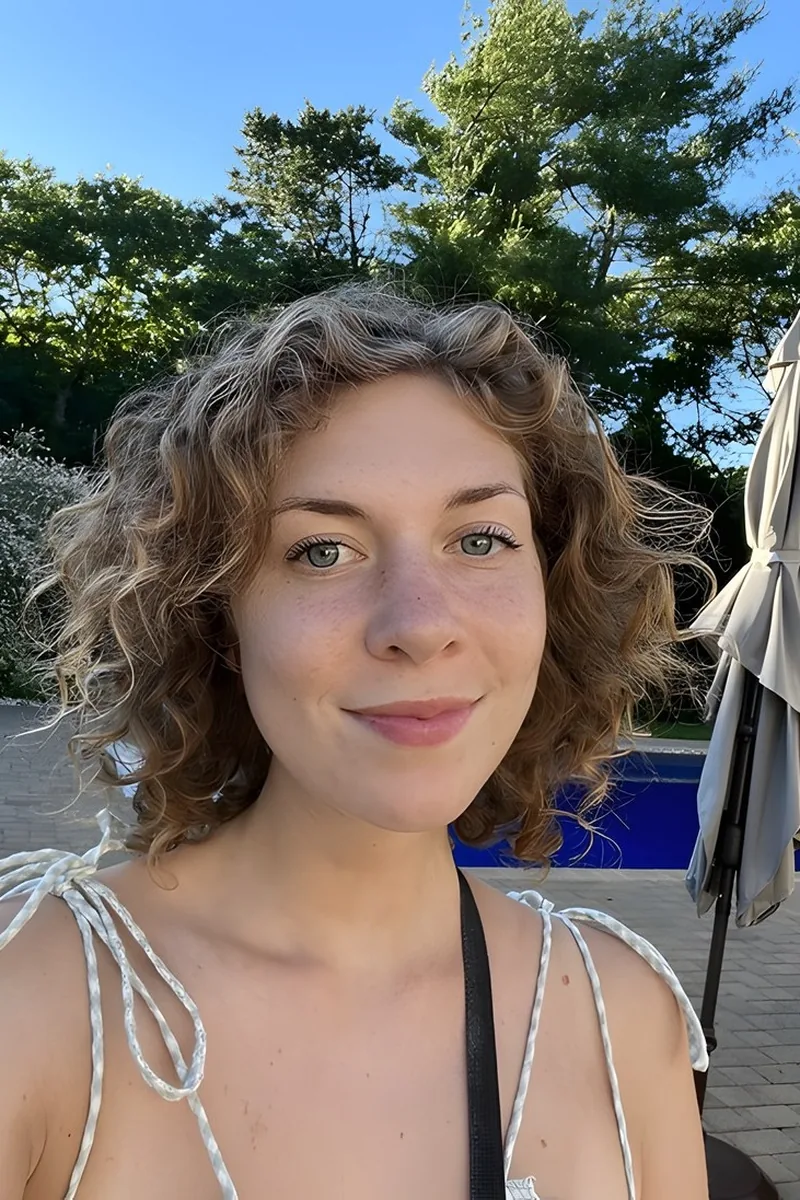
Fractions, ratios, and pre-algebra concepts click faster when a student understands the reasoning behind each step — not just the procedure. Zosia's chemistry background at Yale means she thinks in terms of logical problem-solving, and she brings that same structured clarity to middle school math topics like proportional reasoning and integer operations.
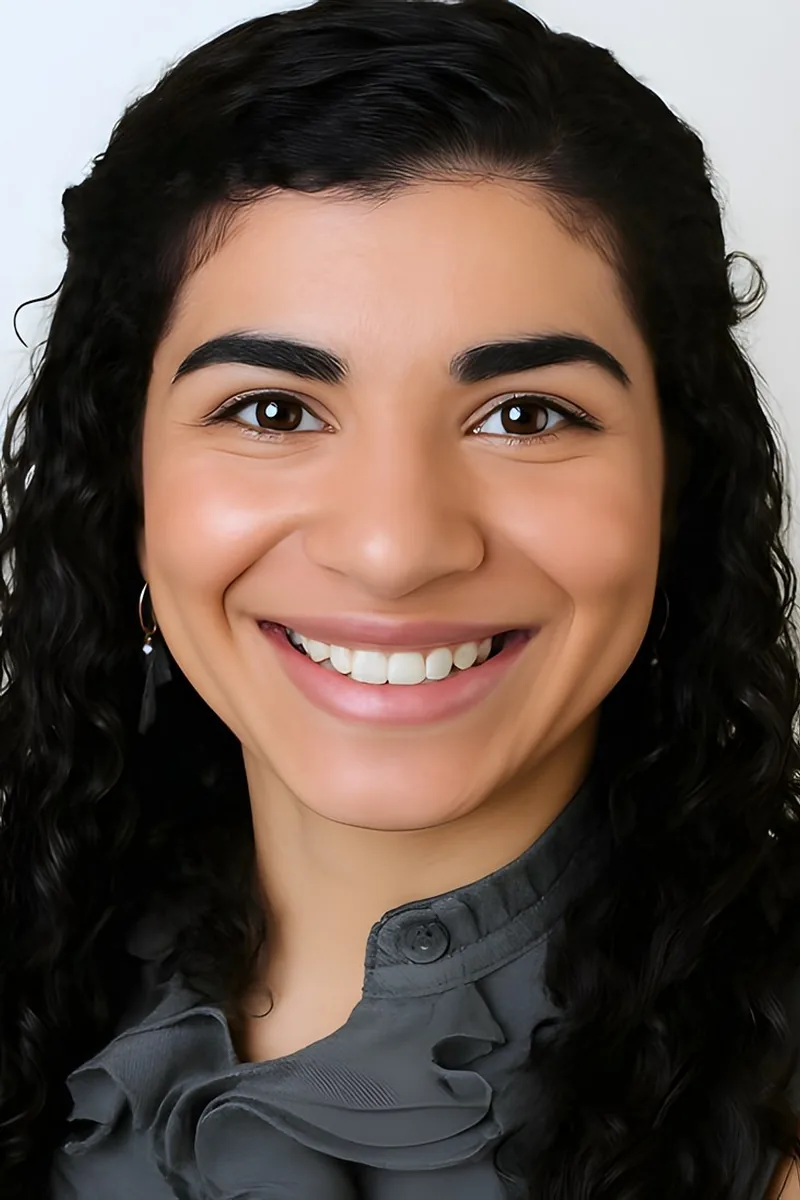
Getting past the Jeopardy! Online Test takes quick mental math and pattern recognition — two skills Paula now brings to teaching middle schoolers topics like ratios, integer operations, and basic geometry. Her psychology background also gives her a read on how students process new information, so she adjusts her explanations based on what's actually clicking rather than just repeating the same steps louder. Rated 4.8 by students.
Teaching math to middle schoolers at gifted summer programs taught Isabella that this age group thrives when they understand the "why" behind a procedure, not just the steps. She digs into topics like ratios, proportional reasoning, and introductory linear relationships with the depth you'd expect from someone who earned a math degree at MIT. Her 5.0 rating speaks to how well that approach lands with younger students.
From ratios and proportions to coordinate graphing, middle school math covers a huge range of skills in a short time. Sydney breaks each topic into manageable steps, connecting new material back to arithmetic students already know so nothing feels like it came out of nowhere. She's currently at the University of Chicago and calls math her absolute favorite subject to tutor.
The jump from elementary math to middle school math is bigger than most people realize: suddenly students are dealing with fractions, ratios, proportions, and negative numbers all in the same problem set. Brian tutored underclassmen in math throughout his time at Stuyvesant and knows how to break these topics into manageable steps that build real number sense rather than rote procedures.
Ratios, proportions, and early equation-solving can feel abstract to middle schoolers who've only ever worked with straightforward arithmetic. Marisa bridges that gap by connecting each new concept to something concrete — turning word problems into stories and fractions into visual models that actually click.
Until about age 16, Viktor thought math was a boring exercise in memorizing formulas — which means he understands exactly how a middle schooler feels staring down fractions, ratios, or integer operations. What changed his mind was a teacher who showed him why the rules work, and that's the approach he brings to every session. He unpacks each concept so students carry understanding forward instead of forgetting everything after the test.
The jump from elementary math to middle school math introduces fractions, decimals, ratios, and negative numbers all at once, and it's easy for gaps to snowball. Maggie has spent years working with middle schoolers on exactly this transition, pinpointing where a concept broke down and rebuilding fluency from that point forward. Her 5.0 rating speaks to how well that approach lands with students and families.
Fractions, ratios, and proportional reasoning click faster when students see how they connect to real-world problems — something Mica's Stanford background in Science, Technology, and Society makes second nature. She breaks down pre-algebra concepts like integer operations and basic equation solving into clear, repeatable steps that build genuine confidence.
Sixth and seventh graders often don't realize that the ratios, proportions, and basic geometry they're learning now are the scaffolding for every math class that follows. Margaret makes those connections explicit — showing a student why cross-multiplication works, for instance, instead of just drilling the procedure. Her psychology background informs how she adapts explanations to match the way each student actually processes new ideas.
Every concept in middle school math — ratios, proportional reasoning, negative numbers, basic geometry — becomes a building block for high school. Tracy pinpoints exactly which block is wobbly before stacking more on top, whether that means revisiting fraction operations or pushing ahead into linear equations. She's been tutoring students at this level since she was in middle school herself, so she understands where confusion typically hides.
Getting a PhD in Education at Harvard means Reid studies how learning actually works — and he brings that lens to the specific moment middle schoolers start struggling with the jump from straightforward arithmetic into algebraic thinking, variables, and multi-step problem solving. His sociology background also gives him a knack for turning word problems into stories that make sense, since he's trained to see patterns in how people and systems behave. With a 32 ACT and years teaching across math and humanities, he's comfortable switching between number sense and the verbal reasoning that word-heavy math problems demand.
Testimonials
Because the right Middle School Math tutor makes all the difference.
Average Session Rating – Based on 3.4M Learner Ratings
Nearby Middle School Math Tutors
Other Des Moines Tutors
Related Math Tutors in Des Moines
Frequently Asked Questions
Middle school math programs across Des Moines schools may use different textbooks and approaches—some emphasize procedural fluency first, while others blend conceptual understanding from the start. Tutors work with students using whatever curriculum their school uses, helping them understand both the "how" and the "why" behind each concept. This personalized approach ensures students aren't just following steps, but truly grasping the mathematical thinking their teachers expect.
The jump from elementary to middle school math is significant—students move from concrete, procedural math to more abstract, conceptual thinking. They're expected to explain their reasoning, not just get the right answer. Tutors help bridge this transition by teaching problem-solving strategies, encouraging students to show their work, and building the confidence to tackle unfamiliar problem types. This foundation makes algebra and higher math much more manageable.
Word problems require students to translate language into mathematical operations—a skill that doesn't come naturally to everyone. Many students focus only on finding numbers and plugging them in, missing the underlying logic. Tutors teach students to break down word problems step-by-step: identifying what's being asked, determining which operations apply, and checking if their answer makes sense in context. With practice, students see patterns and build the confidence to tackle any word problem.
Multi-step equations often frustrate students because they require holding multiple operations in mind and understanding why certain steps "work." Tutors break this down by showing how equations are balanced scales—whatever you do to one side, you must do to the other. By connecting abstract algebraic rules to concrete visual models, students understand the logic rather than just memorizing steps. This deeper understanding makes it easier to solve increasingly complex equations.
Math anxiety is real, especially during the middle school years when concepts become more abstract and mistakes feel more significant. Tutors create a low-pressure environment where asking questions and making mistakes are part of learning, not failures. By celebrating progress, breaking problems into manageable pieces, and showing how patterns and connections make math logical rather than mysterious, tutors help students rebuild confidence and develop a growth mindset about their abilities.
The first session focuses on understanding where the student is—not just academically, but also their learning style, confidence level, and specific challenges. A tutor might review recent homework or tests, ask about concepts that feel confusing, and identify patterns in mistakes. This diagnostic conversation helps the tutor create a personalized plan that addresses the student's unique needs, whether that's catching up on foundational skills, preparing for a test, or building deeper conceptual understanding.
Graphing and proofs feel abstract because they require visualizing relationships and justifying reasoning in unfamiliar ways. Tutors use multiple representations—graphs, diagrams, concrete examples—to make these concepts tangible. For graphing, they help students see the connection between equations and visual patterns. For proofs, they teach students how to structure logical arguments step-by-step, starting with what they know and building toward what they need to prove. This scaffolded approach transforms intimidating topics into learnable skills.
Results vary based on each student's starting point and goals, but personalized tutoring typically leads to improved test scores, stronger homework completion, and—most importantly—increased confidence and understanding. Students often report that concepts that felt impossible suddenly "click" when explained in a way that matches their learning style. Many also develop better problem-solving habits and the ability to tackle unfamiliar problems independently, skills that serve them well in high school math and beyond.
Let’s find your perfect tutor
Answer a few quick questions. We’ll recommend the right plan and match you with a top 5% tutor.