Award-Winning AP Spanish Language & Culture Tutors
serving New Haven, CT
AP Spanish Language & Culture
Tutors in New Haven
Private 1-on-1 tutoring, weekly live classes for academic support, test prep & enrichment, practice tests and diagnostics, and more to elevate grades and test scores.
Based on 3.4M Learner Ratings
UniversitiesSchools & Universities
DeliveredHours Delivered
ProficiencyGrowth in Proficiency
Who needs tutoring?
No obligation. Takes ~1 minute.
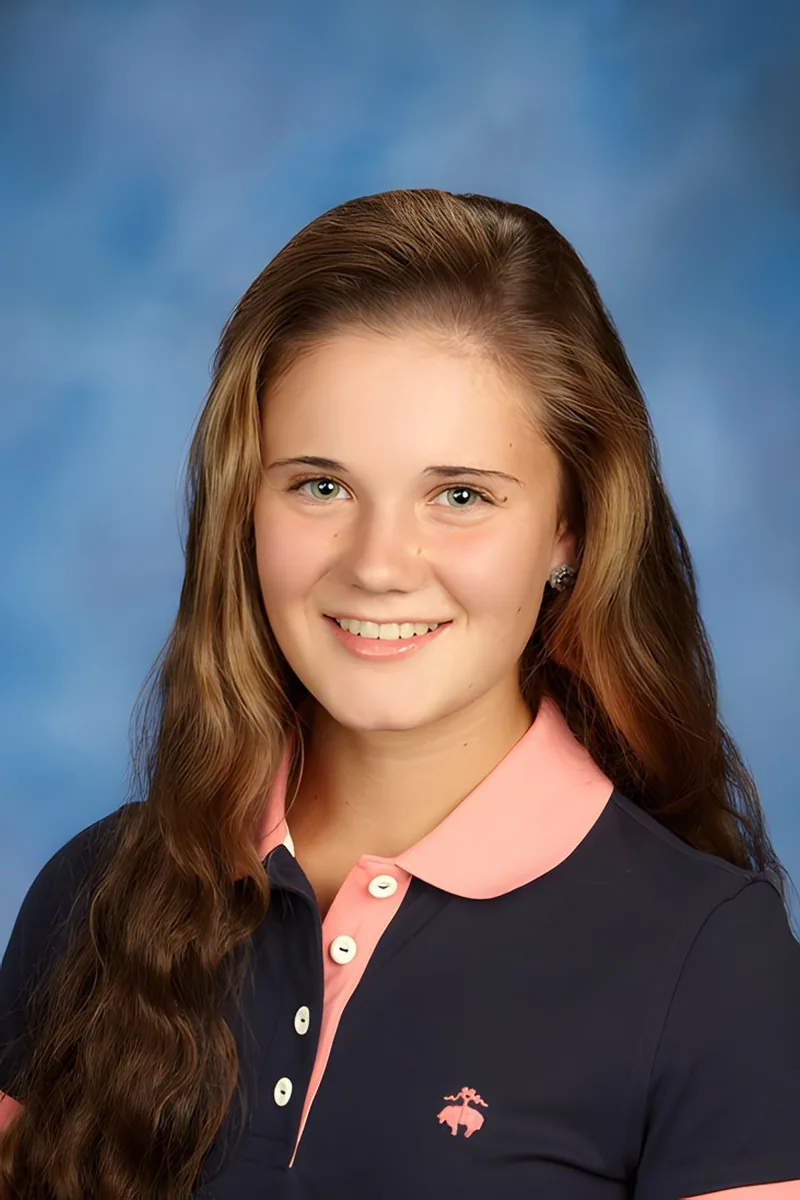
Between engineering coursework at Cornell and watching Russian news to stay sharp in her third language, Daria keeps her Spanish active by treating it as another system to master — grammar patterns, listening comprehension, and cultural context all get the same analytical rigor. She teaches both Spanish 1 and Spanish 2 alongside AP prep, so she knows exactly which foundational gaps trip students up on the exam's interpretive and presentational tasks. Rated 5.0 by students.
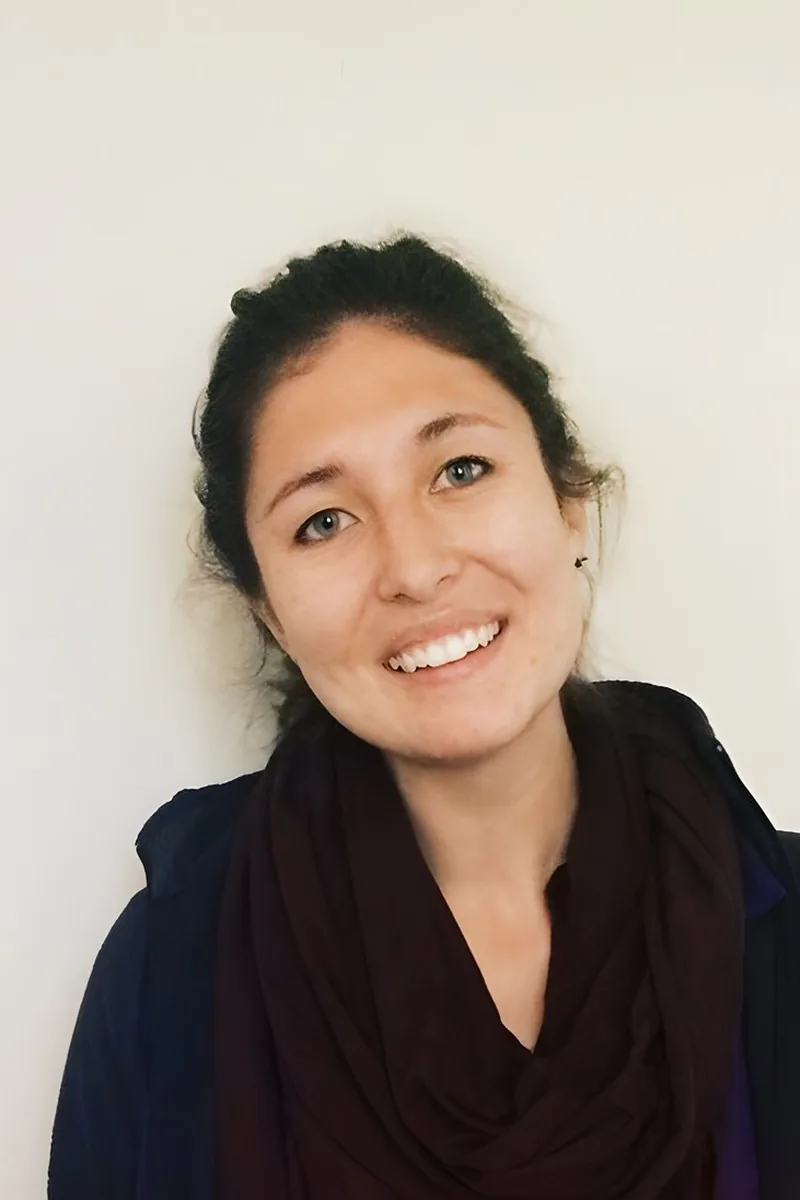
Scoring well on AP Spanish Language & Culture means toggling fluently between interpersonal conversation, presentational writing, and audio-source synthesis — three very different skill sets tested in one exam. Reta has taken the exam, completed years of university-level Spanish, and spent time living abroad in Spanish-speaking countries, so her command of register, idiomatic expression, and cultural context is practical, not just academic. She drills the comparison essay and simulated conversation formats until students feel genuinely comfortable producing Spanish under pressure.
Speaking five languages — Gujarati, Hindi, Spanish, Arabic, and French — gives Sahar an intuitive grasp of how Spanish grammar and idiomatic expression actually work in conversation, not just on paper. She digs into the interpersonal and presentational communication modes the AP exam tests, from crafting persuasive essays with proper subjunctive usage to navigating audio sources on cultural topics. Rated 5.0 by students.
Milan's double major in Computer Science and English might seem unrelated to Spanish, but teaching across six Spanish levels — from Spanish 1 through AP — means he knows exactly which grammar gaps trip students up on timed free-response tasks. His English background sharpens how he coaches the persuasive essay's argument structure, while his conversational Spanish teaching keeps the interpersonal speaking prep grounded in real communication rather than rehearsed scripts.
Nicole's linguistics degree means she understands how languages work as systems — the morphology, syntax, and pragmatics underneath Spanish that most tutors teach purely by repetition. She applies that structural knowledge to the AP exam's trickiest moments, like shifting between informal and formal register mid-task or decoding rapid authentic audio in the interpretive listening section. Her Italian heritage and fluency in multiple Romance languages sharpen her ear for the cognate traps and dialectal variations the exam loves to test.
Gabriel's PhD work in Comparative Human Development at the University of Chicago means he approaches the AP Spanish exam's cultural comparison task through an academic lens most tutors can't offer — he's trained to analyze how cultural practices differ across communities, which is exactly what that free-response prompt asks students to do. He teaches Spanish 2 through 4, so he knows which grammar foundations need tightening before students can write a persuasive essay in formal register under timed conditions. Rated 5.0 by students.
John's anthropology degree means he's trained to analyze how cultural practices vary across communities — the exact thinking the AP Spanish exam's cultural comparison prompt rewards. He also teaches French alongside Spanish, so he understands how Romance language learners trip over false cognates and register shifts, and he uses that cross-linguistic awareness to sharpen students' interpretive reading and persuasive essay skills. Rated 5.0 by students.
Growing up speaking French, Haitian Creole, and English before learning Spanish and Italian academically, Muriel understands from the inside how multilingual thinkers process a new language's grammar, idioms, and register shifts — the exact skills the AP exam's persuasive essay and interpersonal speaking tasks test under pressure. Her BA in Spanish and Italian Literature means she reads and writes in formal academic Spanish, not just conversational Spanish, which is the register gap that trips up most AP students on exam day.
Medical school in Chicago keeps Caroline juggling multiple languages daily — she double-majored in Chinese at Notre Dame while also building fluency in Spanish through her coursework up to Spanish 3. That multilingual wiring means she approaches AP Spanish prep by connecting how languages share structural logic, breaking down things like conditional chains and register shifts through cross-linguistic patterns rather than rote drilling. Rated 5.0 by students.
Grant teaches Spanish across every level from 1 through 4 plus conversational and AP, which means he can quickly diagnose whether a student is struggling with foundational grammar — subjunctive triggers, preterite vs. imperfect — or with the higher-level task of producing formal register under timed conditions. His economics background also gives him a structured, analytical approach to the exam's persuasive essay, where organizing source material into a coherent argument matters as much as the Spanish itself. Rated 5.0 by students.
Amy's PhD in Spanish Linguistics means she doesn't just know the language — she's studied how it works at the structural level, from phonological patterns to syntactic variation across dialects. That depth shows up most in the exam's interpretive listening section, where recognizing regional pronunciation shifts and parsing rapid connected speech separates students who truly comprehend from those guessing at context. She also teaches every Spanish level from 1 through AP, so she can quickly identify which grammatical gaps need closing before a student tackles timed writing in formal register.
Most AP Spanish tutors come at the exam from a languages-only background — David pairs his Spanish teaching (levels 1 through 4 plus conversational) with a library science graduate degree that sharpens how he thinks about research, source interpretation, and formal written communication. That combination pays off on the exam's persuasive essay task, where students have to synthesize multiple Spanish-language sources into a coherent, register-appropriate argument under time pressure.
This isn't Marvin's core subject — his University of Chicago economics degree and current elementary teaching work sit outside the language space. That said, he's listed for AP Spanish Language & Culture alongside broader test prep and study skills, so he can support students on the structural side: organizing persuasive essay outlines, building timed-response strategies, and strengthening the analytical habits the cultural comparison task rewards.
Between teaching Spanish 1 through 4, conversational Spanish, and both SAT Spanish Subject Tests, Linda has logged serious hours across every level of the language — which means she can quickly spot whether an AP student's weak point is a shaky subjunctive foundation or an inability to shift into formal written register under timed conditions. Her graduate work in education at USC's Rossier School sharpens how she structures exam prep, particularly for the persuasive essay task where students need to synthesize Spanish-language sources into a cohesive argument fast.
Testimonials
Because the right AP Spanish Language & Culture tutor makes all the difference.
Average Session Rating – Based on 3.4M Learner Ratings
Nearby AP Spanish Language & Culture Tutors
Other New Haven Tutors
Related Languages Tutors in New Haven
Frequently Asked Questions
The AP Spanish Language & Culture exam tests proficiency in listening, reading, writing, and speaking across real-world contexts. The exam is scored on a scale of 1-5, with the multiple-choice section (listening and reading comprehension) making up 50% of your score and the free-response section (writing and speaking tasks) making up the other 50%. Success requires strong communication skills and cultural understanding, not just grammar memorization.
Score improvement depends on your starting point and how consistently you work with a tutor. Students who work on targeted weak areas—whether that's conversational fluency, essay writing, or listening comprehension—typically see measurable gains within 8-12 weeks. The most significant improvements come from practicing authentic exam questions, receiving feedback on your speaking and writing, and developing test-taking strategies specific to each section.
Many students struggle with the speaking section, which requires spontaneous responses and clear pronunciation under time pressure. The listening section is also challenging because it uses authentic Spanish audio at natural speed. Additionally, the free-response writing tasks require cultural knowledge and ability to write persuasively in Spanish—skills that go beyond traditional classroom instruction. Personalized tutoring can target these specific areas with practice and feedback.
Most students benefit from starting tutoring 3-4 months before the exam in May, though this depends on your current proficiency level and score goals. If you're aiming for a 4 or 5, consistent weekly sessions allow time to practice all four skills, take multiple practice tests, and refine weak areas. Even shorter-term intensive tutoring (6-8 weeks) can help if you're already strong in the language and need to focus on exam strategy and timing.
The speaking section requires you to respond to prompts in real-time, which is why personalized practice with a tutor is so valuable. Tutors can conduct mock conversations, give you immediate feedback on pronunciation and grammar, and help you develop strategies for organizing your thoughts quickly. Regular speaking practice—even 20-30 minutes per session—builds confidence and fluency, reducing anxiety during the actual exam.
Practice tests are essential because they familiarize you with the exam format, help you identify weak areas, and build stamina for the full exam. Taking full-length practice tests under timed conditions reveals whether pacing is an issue and shows you exactly which question types or skills need more work. A tutor can review your practice test results with you, pinpoint patterns in your mistakes, and create a targeted study plan based on what you find.
Varsity Tutors connects you with expert tutors who specialize in AP Spanish Language & Culture and understand the specific demands of the exam. When you get matched with a tutor, you can discuss your current level, score goals, and schedule to create a personalized prep plan. Tutors can work with you on all four skills—listening, reading, writing, and speaking—with flexibility to focus on your biggest challenges.
The AP Spanish Language & Culture exam emphasizes that language and culture are inseparable—you need to understand Spanish-speaking cultures to communicate effectively and answer exam questions accurately. The exam includes cultural references in listening and reading passages, and the free-response tasks often ask you to discuss cultural practices or perspectives. A tutor can help you build cultural knowledge through authentic materials, news articles, and discussions that deepen both your language skills and cultural understanding.
Let’s find your perfect tutor
Answer a few quick questions. We’ll recommend the right plan and match you with a top 5% tutor.