Award-Winning AP Spanish Language & Culture Tutors
serving Bridgeport, CT
AP Spanish Language & Culture
Tutors in Bridgeport
Private 1-on-1 tutoring, weekly live classes for academic support, test prep & enrichment, practice tests and diagnostics, and more to elevate grades and test scores.
Based on 3.4M Learner Ratings
UniversitiesSchools & Universities
DeliveredHours Delivered
ProficiencyGrowth in Proficiency
Who needs tutoring?
No obligation. Takes ~1 minute.
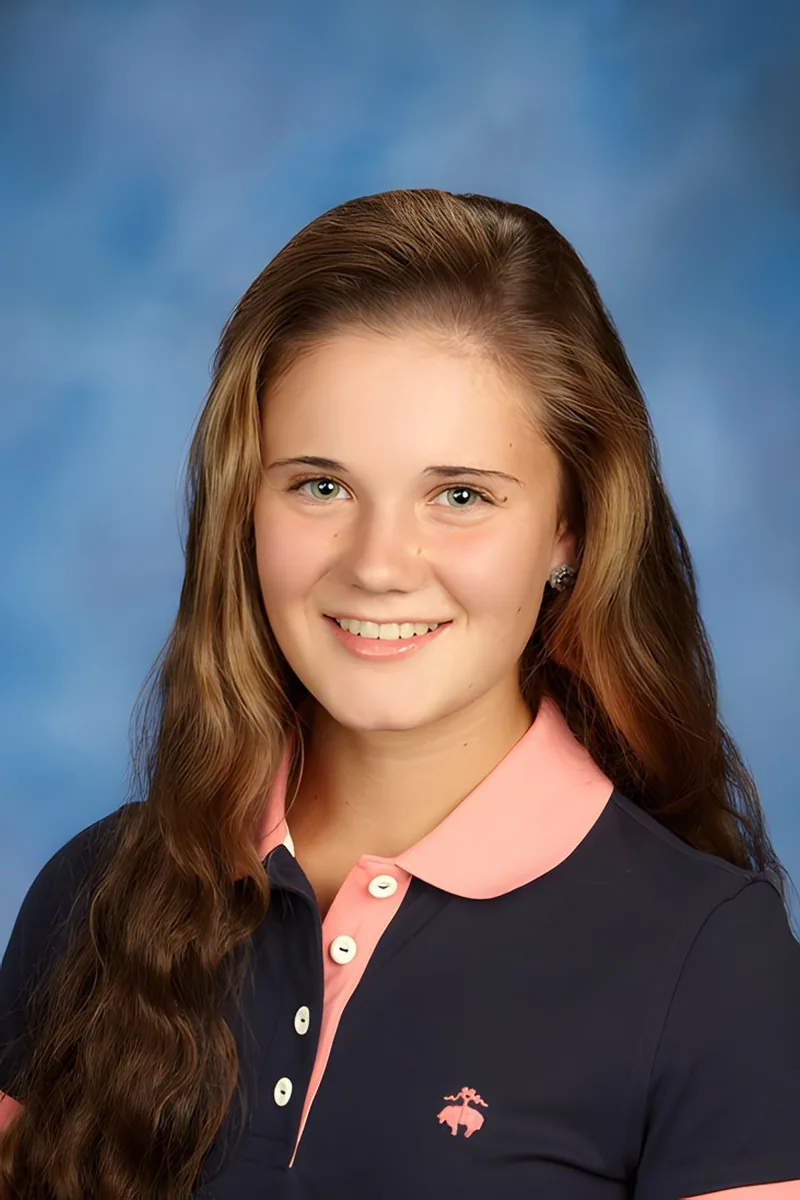
Between engineering coursework at Cornell and watching Russian news to stay sharp in her third language, Daria keeps her Spanish active by treating it as another system to master — grammar patterns, listening comprehension, and cultural context all get the same analytical rigor. She teaches both Spanish 1 and Spanish 2 alongside AP prep, so she knows exactly which foundational gaps trip students up on the exam's interpretive and presentational tasks. Rated 5.0 by students.
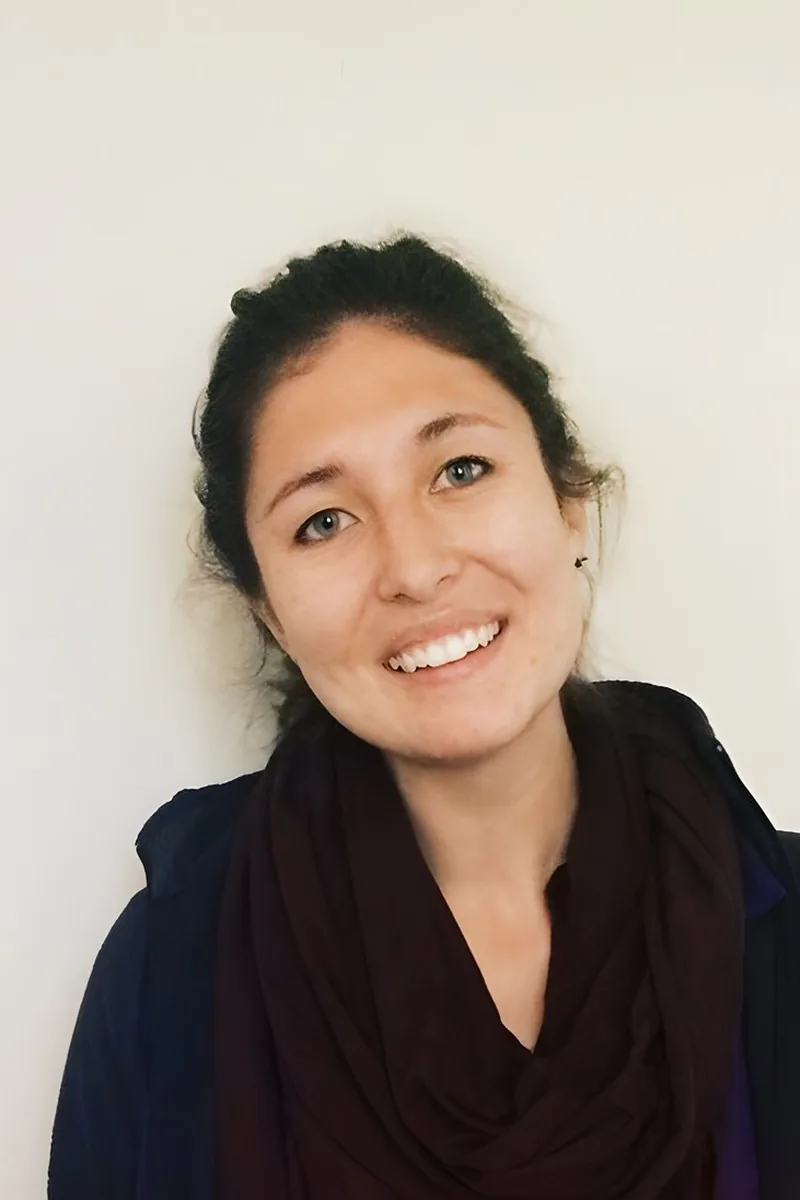
Scoring well on AP Spanish Language & Culture means toggling fluently between interpersonal conversation, presentational writing, and audio-source synthesis — three very different skill sets tested in one exam. Reta has taken the exam, completed years of university-level Spanish, and spent time living abroad in Spanish-speaking countries, so her command of register, idiomatic expression, and cultural context is practical, not just academic. She drills the comparison essay and simulated conversation formats until students feel genuinely comfortable producing Spanish under pressure.
A year as an exchange student at the University of Puerto Rico — taking courses in Spanish linguistics, business Spanish, and constitutional law entirely in Spanish — gave Chiquita the kind of immersive academic fluency that the AP exam's timed persuasive essay and presentational speaking tasks demand. She later earned a graduate certificate in Spanish Interpretation and Translation from UCLA, training that sharpened her ability to move between registers and process Spanish at speed, which is exactly what the interpretive listening section requires. Rated 5.0 by students.
Emily's hispanic studies major at Oberlin — combined with minors in linguistics and anthropology — means she's actively immersed in the kind of cross-cultural, language-focused academic work the AP exam tests under timed conditions. Her linguistics training is especially useful for unpacking the grammatical logic behind subjunctive mood and register shifts, two areas where students consistently lose points on the persuasive essay and presentational speaking tasks. Rated 4.9 by students.
Rebecca's anthropology degree trained her to analyze cultural practices across communities — the exact skill the AP Spanish exam's cultural comparison free-response prompt tests. She teaches Spanish at every level from 1 through 4 plus conversational, so she can diagnose whether a student's weak spot is grammar mechanics like subjunctive triggers or the higher-order task of building a nuanced argument in formal register. Her 1550 SAT score reflects the kind of disciplined, timed-test thinking she brings to AP prep.
Growing up as a native Spanish speaker and then formally studying the language through a Hispanic Studies degree gives Mercedes something the AP exam's interpersonal speaking tasks reward — an instinct for when to shift between informal conversational register and the polished, formal tone the persuasive essay demands. She's a certified high school teacher who also holds a master's in literature, so she approaches the exam's source-synthesis writing tasks the way she'd teach a close reading: pulling evidence, structuring an argument, and controlling tone under timed pressure.
Scoring well on AP Spanish Language & Culture means toggling between interpersonal conversation, presentational writing, and rapid-fire audio sources — often in the same exam session. Meagan majored in Spanish at the undergraduate level and has taught ESL, so she understands language acquisition from both directions and can pinpoint where a student's comprehension or production breaks down.
Corey trained as a total immersion instructor through the Ann Arbor Language Partnership and taught communicative Spanish in public schools for two years before moving to Nicaragua, where he used Spanish daily in professional and community settings. That real-world fluency shows up in how he prepares students for AP Spanish Language — tackling interpersonal speaking prompts, persuasive essays, and audio-source synthesis with the kind of cultural nuance the exam rewards. His background in cognitive science also informs how he teaches listening comprehension strategies that actually stick.
Scoring well on the AP Spanish Language & Culture exam means toggling between interpersonal conversation, presentational writing, and audio-source synthesis — often in the same sitting. Heather's deep Spanish background, built through years of advanced coursework and one-on-one tutoring, means she can drill the specific skills each task type demands. She's particularly strong at coaching students through the persuasive essay, where organizing an argument in Spanish trips up even strong speakers.
Christopher's memory-sport training — he's actively working toward a Guinness World Record — translates surprisingly well to the vocabulary and conjugation retention that AP Spanish demands, especially when students need to internalize subjunctive triggers and idiomatic expressions under exam pressure. His biology coursework at Johns Hopkins doesn't scream Spanish, but his ACT score of 32 and comfort across multiple academic disciplines show he knows how to systematically tackle material outside his primary lane.
Between teaching Spanish 1 through 4, conversational Spanish, and both SAT Spanish Subject Tests, Linda has logged serious hours across every level of the language — which means she can quickly spot whether an AP student's weak point is a shaky subjunctive foundation or an inability to shift into formal written register under timed conditions. Her graduate work in education at USC's Rossier School sharpens how she structures exam prep, particularly for the persuasive essay task where students need to synthesize Spanish-language sources into a cohesive argument fast.
Success on the AP Spanish Language exam comes down to thinking in Spanish — not translating from English in your head. Iris builds this fluency by connecting language practice to real cultural content: interpreting audio sources, writing persuasive emails, and constructing spoken presentations on topics like science, community, and global challenges. Her background in anthropology also gives her a genuine comfort with the cultural comparison tasks the exam emphasizes.
Growing up speaking French, Haitian Creole, and English before learning Spanish and Italian academically, Muriel understands from the inside how multilingual thinkers process a new language's grammar, idioms, and register shifts — the exact skills the AP exam's persuasive essay and interpersonal speaking tasks test under pressure. Her BA in Spanish and Italian Literature means she reads and writes in formal academic Spanish, not just conversational Spanish, which is the register gap that trips up most AP students on exam day.
Joshua teaches Spanish from level 1 through AP and pairs that with four levels of Latin, so he's used to thinking about how Romance languages borrow structures from their classical roots — a perspective that sharpens his explanations of tricky Spanish grammar like subjunctive triggers and conditional sequences. His 1600 SAT reflects the kind of precise reading and analytical writing skills that translate directly to the AP exam's source-synthesis and persuasive essay tasks.
Testimonials
Because the right AP Spanish Language & Culture tutor makes all the difference.
Average Session Rating – Based on 3.4M Learner Ratings
Nearby AP Spanish Language & Culture Tutors
Other Bridgeport Tutors
Related Languages Tutors in Bridgeport
Frequently Asked Questions
The AP Spanish Language & Culture exam tests your ability to read, write, listen to, and speak Spanish in real-world contexts. The exam includes five sections: multiple-choice reading comprehension, multiple-choice listening comprehension, free-response writing (email reply and persuasive essay), and free-response speaking (interpersonal conversation and cultural presentation). Success requires not just grammar knowledge, but the ability to communicate naturally and understand cultural nuances across Spanish-speaking communities.
Score improvement depends on your starting point and how consistently you practice with guidance. Many students see meaningful gains—often 1-2 score points—when they work with a tutor to identify weak areas (like subjunctive mood usage or listening comprehension speed), practice with real exam questions, and receive targeted feedback on their speaking and writing. The key is consistent practice over weeks or months, not cramming right before the exam.
Students often struggle with the subjunctive mood, verb conjugation in complex tenses, and maintaining fluency under timed pressure. The listening section trips up many because native speakers talk fast and use regional accents and colloquialisms. The free-response speaking section creates anxiety for students who haven't practiced speaking regularly. Personalized tutoring helps you tackle these specific weak spots with targeted strategies and repeated practice.
Your first session focuses on understanding where you stand. A tutor will assess your current Spanish level across all five exam sections, identify your strongest and weakest areas, and discuss your timeline and goals. This diagnostic approach helps create a personalized study plan that targets what will move your score the most, rather than generic review of material you already know well.
Speaking makes up 20% of your AP Spanish exam score, so it's critical—but many students neglect it because they feel awkward practicing aloud. Tutors create a judgment-free space to practice the two speaking tasks: the interpersonal conversation (where you respond naturally to prompts) and the cultural presentation (where you discuss a Spanish-language product, practice, or perspective). Regular speaking practice builds confidence and fluency, which directly impacts your score.
Most students benefit from starting tutoring 3-4 months before the exam (typically in January or February for the May exam), meeting 1-2 times weekly. If you're starting closer to the exam date or have significant gaps in grammar or listening comprehension, more frequent sessions help. The timeline also depends on your current level—a student at a 2 or 3 may need more time than someone already at a 4 aiming for a 5.
Look for tutors with strong Spanish fluency (ideally native or near-native), experience teaching or tutoring AP Spanish specifically, and familiarity with the current exam format and scoring rubrics. Tutors who have lived in or spent significant time in Spanish-speaking countries bring valuable cultural knowledge and authentic language exposure. Varsity Tutors connects you with tutors who have proven expertise in AP Spanish and understand the unique challenges Bridgeport students face.
Yes—taking full, timed practice tests under exam conditions is one of the most effective ways to prepare. Aim for 2-3 full practice tests in your final month of preparation, then review each section carefully with your tutor to identify patterns in your mistakes. Practice tests also help you manage pacing, since many students struggle to finish the free-response writing section on time. Your tutor can use practice test results to guide exactly what you need to focus on.
Let’s find your perfect tutor
Answer a few quick questions. We’ll recommend the right plan and match you with a top 5% tutor.