Award-Winning College Political Science
Tutors
College Political Science
Tutors
Private 1-on-1 tutoring, weekly live classes for academic support, test prep & enrichment, practice tests and diagnostics, and more to elevate grades and test scores.
Based on 3.4M Learner Ratings
UniversitiesSchools & Universities
DeliveredHours Delivered
ProficiencyGrowth in Proficiency
Who needs tutoring?
No obligation. Takes ~1 minute.
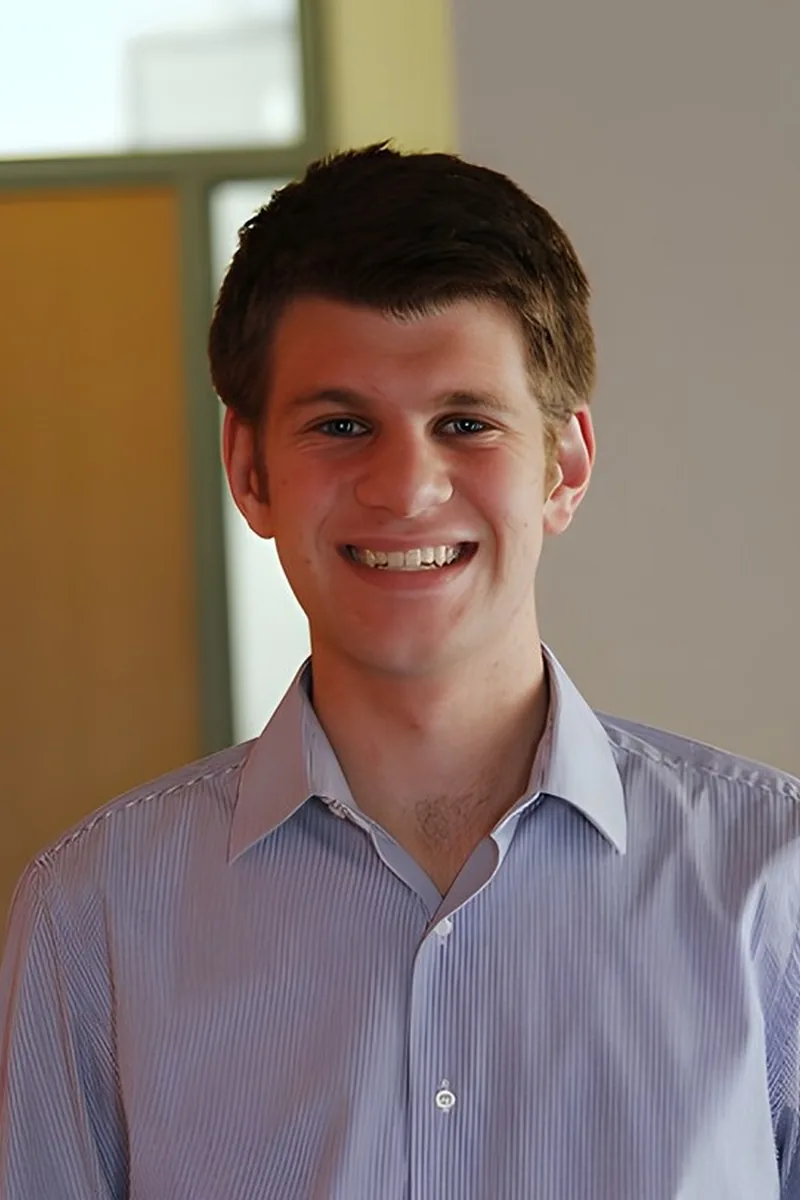
Kevin is in the middle of Penn's Philosophy, Politics, and Economics program, which means he's actively engaging with the theorists and frameworks that define college political science — from Rawls and rational choice theory to comparative institutional analysis. He approaches each tutoring session by connecting abstract models to real political phenomena, making dense readings from Dahl or Olson feel tractable and relevant.
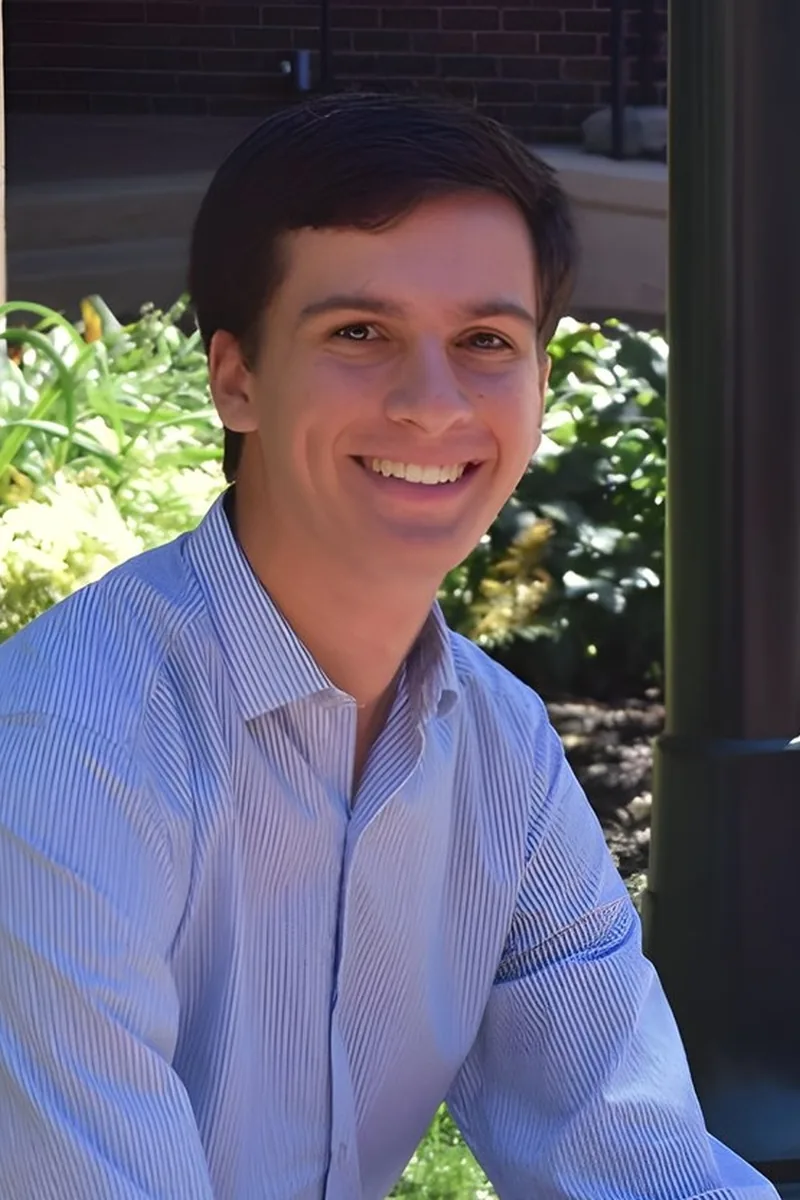
Noah earned his BA in Political Science and Government from the University of Pennsylvania, where the rigorous seminar culture means he's spent years constructing the kind of theory-grounded, evidence-driven arguments that college poli-sci professors grade on. Whether it's a comparative politics paper requiring engagement with regime theory or an American government course dissecting judicial review, he knows what the assignment is actually asking for. His 5.0 rating and 34 ACT underscore the analytical reading and writing precision that upper-level coursework demands.
Studying political science at Vanderbilt on a pre-law track means Kit is immersed daily in the theories, case law, and institutional analysis that define college-level poli-sci coursework. He's especially sharp on American political institutions and constitutional interpretation — the areas where students most often struggle to move from description to argument. Kit tackles paper-writing and exam prep by teaching students to build claims the way a lawyer builds a case: one piece of evidence at a time.
I am highly proficient in other areas in economics, high school mathematics, calculus I and European history.
Sanoja studied Political Science at Yale, where she dug into comparative government, constitutional law, and policy analysis through seminar-style debate and research papers. That training means she can walk college students through everything from Tocqueville's democratic theory to quantitative methods in political research. Rated 4.9 by students.
A Penn political science degree gave Yasmeen deep grounding in democratic theory, institutional design, and comparative governance — the exact frameworks that college-level poli sci courses build on. She breaks down dense readings from thinkers like Dahl, Putnam, and Schattschneider so students can engage critically in seminar discussions and write sharper analytical papers.
At the college level, political science stops being about memorizing branches of government and starts demanding engagement with theorists like Locke, Rawls, and Huntington. Morgan's international and area studies coursework at WashU pairs naturally with the close-reading discipline of an English literature major — a combination that makes dense political theory far more approachable.
Comparative institutions, democratic theory, policy analysis — college political science courses move fast and expect students to engage with dense academic literature from day one. David brings both a social science research background and undergraduate teaching experience to the table, breaking down thinkers like Dahl, Putnam, or Acemoglu into arguments students can actually critique and build on in their own papers.
Law school at Emory taught Jenna to do what college poli-sci professors actually grade on — read case law and legislative history critically, construct airtight arguments about governmental power, and write with the kind of precision that survives a seminar's cross-examination. Her undergraduate degree in Political Science and Government means she's already navigated the coursework herself, from constitutional theory to comparative institutions. Rated 5.0 by students.
A history and religious studies background from Duke and Yale might not scream political science, but Justin's training in ancient political structures, institutional power, and ideological systems maps directly onto coursework in political theory and comparative government. He's especially sharp at teaching students how to read dense theoretical texts critically and construct the kind of thesis-driven analytical papers that college poli-sci professors demand. Rated 5.0 by students.
As a research assistant studying violence against women while finishing a political science degree at Penn, Devan is actively working at the intersection of policy analysis and real-world governance questions — the exact kind of applied thinking college poli-sci professors want to see in student papers. That research experience means she can teach students how to move from a broad topic like institutional power or civil rights to a focused, evidence-driven argument that holds up under scrutiny.
College-level political science demands more than summarizing theories — it requires engaging critically with scholars like Putnam, Huntington, or Rawls and building original arguments from their frameworks. Alissa earned her political science degree before completing a Juris Doctor, giving her both the theoretical grounding and the analytical rigor to tackle upper-division coursework in comparative politics, international relations, or political theory.
College-level political science demands more than summarizing readings — it requires constructing original arguments using theoretical frameworks like institutionalism, rational choice, or constructivism. Asha earned her PhD in Political Science and Government, so she teaches students how to apply these frameworks in research papers and seminar discussions rather than just defining them on an exam. Her 5.0 student rating speaks to how effectively she bridges theory and application.
Having earned a master's in political science after double-majoring in poli-sci and philosophy at Hobart, Reid knows the discipline inside and out — from comparative politics and international relations theory to American political institutions. He's especially useful for students navigating their first research papers, where constructing a falsifiable thesis and engaging with scholarly literature can feel overwhelming at first.
Working in a governor's office while holding a philosophy and political science degree from Northwestern means Mackenzie lives the overlap between political theory and actual governance every day — she knows what Locke and Montesquieu argued about executive power and how it plays out in real legislative sessions. That combination is especially sharp for students writing papers on American government, democratic institutions, or political philosophy, where professors want analysis grounded in both theoretical frameworks and practical realities. Rated 5.0 by students.
Varun's government degree gives him direct grounding in the theories and frameworks that drive college-level political science — from comparative institutional design to public policy analysis. He breaks down dense readings by thinkers like Rawls, Locke, and Habermas into arguments students can actually engage with in seminar discussions and papers. Rated 4.8 by students.
Rae's economics degree with an international business focus means she's already fluent in the policy analysis, institutional incentives, and comparative frameworks that show up constantly in college poli-sci coursework — especially courses on political economy, American government, and international relations. She also teaches AP U.S. Government and AP Comparative Government, so she knows how to unpack concepts like federalism, regime types, and legislative behavior at an analytical level. Her strength is connecting economic reasoning to political arguments in the kind of thesis-driven writing professors actually grade on.
Studying political science as a minor at VCU gave Alisha direct experience with the kinds of coursework college students face — comparative government analyses, policy briefs, and research papers grounded in political theory. She breaks down dense readings from thinkers like Locke, Rawls, and Marx into arguments students can actually engage with and critique in their own writing.
Earning both a bachelor's degree in political science from Washington University in St. Louis and now completing a Ph.D. in Public Policy Analysis, Tesa lives in the material college political science courses cover — from democratic theory and institutional design to policy implementation and comparative governance. She's especially strong at teaching students how to construct a political argument using empirical evidence, the skill that separates A papers from B papers.
Comparative government systems, democratic theory, international relations frameworks — Matthew digs into these as a political science major at the University of Georgia, where he's actively immersed in the coursework his students are tackling. He breaks down dense readings from thinkers like Locke, Rawls, and Mearsheimer into arguments students can actually engage with and write about. Rated 5.0 by students.
Working at the United Nations, the European Parliament, and for a State Senator before completing her Columbia master's in International Affairs, Abigail has seen how legislative bargaining, diplomatic strategy, and institutional design actually play out — not just how they read in a textbook. That practitioner's perspective is especially valuable for college poli-sci students writing policy memos or analyzing international institutions, where professors reward arguments grounded in how politics actually functions. She's also a strong writing coach, which matters in a discipline where the paper is the exam.
Economics at Yale sits surprisingly close to political science — Max's coursework in economic policy, game theory, and institutional design overlaps heavily with the analytical frameworks that college poli-sci courses demand. He's especially useful for students tackling political economy, public policy analysis, or any assignment that requires connecting quantitative reasoning to political arguments. Rated 5.0 by students.
At the college level, political science demands fluency in both theory and methodology — students need to engage with thinkers from Hobbes to contemporary post-colonial scholars while also understanding how to evaluate empirical research. Iliana's Dartmouth government degree centered on political philosophy in modern colonial contexts, giving her particular depth in comparative politics and the study of state formation. She tackles dense readings by teaching students to identify core arguments and assess them critically before writing their own analyses.
College-level political science demands more than knowing how a bill becomes a law — professors expect students to engage with competing theoretical frameworks like institutionalism, rational choice, and constructivism. As a Rice Political Science major immersed in these debates, Lila digs into the analytical writing and critical reading that separate a B paper from an A paper. She's especially strong on American government, comparative politics, and legal theory.
Lisa's degree in Politics and Public Policy means she didn't just study political science — she studied how political ideas become actual governance decisions, which is the leap most college poli-sci courses expect students to make in their writing. She's especially strong at teaching students how to move from reading dense policy arguments to constructing their own thesis-driven analyses grounded in specific evidence. Rated 5.0 by students.
Gwen's political science and government degree from Brown means she's already written the kind of argument-driven seminar papers and policy analyses that college poli-sci professors assign — and as a working reporter, she's still doing that analytical work daily, just on deadline. She's especially sharp at teaching students how to move from a pile of readings on democratic theory or American governance into a clear, structured written argument that does more than summarize. Rated 5.0 by students.
Yair's PhD in General Literature and BA in Political Science and Government put him in rare position to tackle the two things that trip up most college poli-sci students simultaneously: digesting dense theoretical texts and producing the kind of rigorous analytical writing professors actually want. His time at Duke's Thompson Writing Program sharpened that combination — he coached students through argument-driven papers across disciplines, including the thesis construction and evidence integration that define upper-level political science coursework. He's especially strong on political theory and any course where the writing is the thinking.
Teaching GED Social Studies and introductory sociology and psychology gives Kate regular practice breaking down the kinds of civic institutions, policy arguments, and social structures that form the backbone of college poli-sci coursework. Her music education degree also means she's trained in curriculum design and scaffolding complex material — useful when a student is staring down a dense reading on federalism or democratic theory and needs it unpacked step by step. Rated 4.9 by students.
College-level political science demands more than summarizing readings — professors expect students to critique theoretical frameworks, engage with competing interpretations, and write papers that build original arguments from primary sources. Linnea is completing her own political science degree at Skidmore and knows firsthand what it takes to move from introductory survey courses to upper-level seminars.
Tackling Locke vs. Hobbes in a political theory seminar requires a different skill set than analyzing voter turnout data in an American politics course, and Faven has experience with both sides of the discipline. Her Duke Political Science degree covered everything from constitutional interpretation to international relations. She's currently navigating law school admissions herself, which keeps her sharp on how political institutions actually function.
Philosophy trains you to dissect arguments down to their logical bones — and that's exactly what Andrew brings to political science coursework, where evaluating competing theories of power, justice, and governance is the whole game. His philosophy degree means he's spent years doing the close reading of dense theoretical texts (Rawls, Hobbes, Marx) that most poli-sci students find paralyzing, and he teaches how to turn that analysis into the kind of structured, thesis-driven writing professors reward.
College-level political science demands more than knowing how government works — it requires engaging with competing theoretical frameworks like realism, liberalism, and constructivism, then applying them to case studies. Marty's strength is in teaching students to read dense academic articles critically and build thesis-driven arguments in seminar papers. He brings both subject knowledge and pedagogical training from his M.A. in Education to that process.
Rishi approaches college political science the way his public policy program at UNC Chapel Hill demanded: through data, institutional analysis, and rigorous argumentation. Whether a student is wrestling with rational choice theory or comparing electoral systems, he connects theoretical models to real policy outcomes so the material sticks beyond the exam.
I am a recent graduate of the University of Virginia living in Los Angeles. While at UVA, I earned a 3.95 GPA and graduated my major program with Highest Distinction. I have eight years of tutoring experience (including starting my own tutoring program) and have worked with students of all ages. I'm looking forward to helping people with their studies in any way I can.
College-level political science demands more than opinion — it requires engaging with frameworks like institutionalism, rational choice theory, and comparative political economy with real analytical rigor. Prahith's economics degree means he can unpack the quantitative models and game-theoretic reasoning that show up in upper-level coursework, while his teaching experience keeps dense material accessible.
College-level political science demands more than knowing how a bill becomes a law — it requires engaging with competing theoretical frameworks like rational choice, institutionalism, and constructivism. Mason brings a Political Science degree from TCU and ongoing graduate work in public administration, which means he's comfortable with both quantitative methods and qualitative policy analysis. He's especially strong at bridging the gap between political theory readings and the empirical research students encounter in upper-division courses.
College-level political science demands more than summarizing theorists — it requires engaging critically with thinkers like Marx, Rawls, or Foucault and situating their ideas within broader debates about power, institutions, and legitimacy. Cleo's degree in political economy gave her deep training in exactly this kind of analysis, including the intersection of economic structures and political systems. She's particularly sharp at walking students through the process of writing research papers that synthesize multiple theoretical frameworks.
Between his political science minor at Purdue and his current master's in education with a social studies teaching focus, Victor has spent years inside the frameworks — American government, constitutional theory, comparative systems — that college poli-sci courses build on. He's sharp at breaking down how to structure an analytical argument around concepts like federalism or separation of powers, especially for students who grasp the ideas but struggle to translate them into the kind of thesis-driven writing professors expect. Rated 5.0 by students.
I'm a 25 year old recent J.D. graduate of Georgia State College of Law. I attended Emory University for my undergraduate studies where I was awarded a double major in Political Science and History. Currently I am interning with CAIR as I prepare for the February Georgia Bar Exam.
Emily earned her BA in Political Science from New College of Florida, where the tutorial-based curriculum required independent research and rigorous analytical writing from day one. That background makes her especially effective at breaking down college-level concepts like comparative institutionalism, political behavior models, and policy analysis — and at coaching students through the research papers and seminar presentations that define the major. She holds a 5.0 rating.
Testimonials
Because the right College Political Science tutor makes all the difference.
Average Session Rating – Based on 3.4M Learner Ratings
Top 20 Social Sciences Subjects


Top 20 Subjects
Frequently Asked Questions
College Political Science requires more than recalling theorists like Weber, Foucault, or Rawls—you need to use their frameworks to analyze real political phenomena. A tutor can help you practice applying theories to contemporary cases (e.g., using institutional theory to explain legislative gridlock, or applying social contract theory to debates about state legitimacy). The key is learning to ask: "Which theory best explains this situation, and why?" rather than just listing what each theorist believed. Regular practice with case studies and policy scenarios builds this analytical muscle.
In political science, correlation (two variables moving together) is often mistaken for causation (one variable causing the other), leading to flawed conclusions. For example, countries with higher education spending might have better governance outcomes, but that doesn't prove spending caused better governance—both might result from stronger institutions. Tutoring helps you understand research design concepts like randomized controlled trials, natural experiments, and control variables that help establish causation. You'll learn to critically read empirical studies and spot when researchers are overstating their findings based on correlational data alone.
Strong college political science writing requires grounding arguments in data, primary sources, and peer-reviewed research—not assumptions. A tutor can guide you through the process of constructing evidence-based arguments: identifying your claim, finding credible sources (academic journals, government data, survey results), and explaining how that evidence supports your position. You'll also learn to acknowledge counterarguments and limitations in your evidence, which shows sophisticated thinking. Practice with policy analysis papers and argumentative essays helps you develop the habit of asking "What evidence supports this claim?" before you write.
Many college political science courses require reading empirical studies with experimental designs and statistical results, which can feel overwhelming without guidance. A tutor can break down how researchers use control groups, treatment groups, and statistical significance to test hypotheses about political behavior. You'll learn to interpret concepts like p-values, confidence intervals, and effect sizes, and understand why a statistically significant result might have limited practical importance. Working through real examples—like studies on voter behavior, campaign effects, or policy outcomes—makes these methods concrete and helps you evaluate research critically.
Political science demands awareness that institutions, policies, and even research itself can reflect hidden biases—whether structural (how electoral systems advantage certain groups), ideological (researcher assumptions), or methodological (who gets studied and who doesn't). A tutor helps you develop a critical lens for spotting these biases in case studies and academic papers, and for acknowledging potential biases in your own arguments. This might involve examining how power dynamics shape outcomes, questioning whose perspectives are represented in data, or recognizing how framing affects interpretation. This critical thinking is essential for sophisticated political analysis at the college level.
College political science often requires reading peer-reviewed research with complex methodology sections, statistical tables, and theoretical frameworks that can be intimidating. A tutor can teach you a strategic reading approach: start with the abstract and conclusion to grasp the main argument, skim the methodology to understand how the study was designed, focus on results and discussion to see what evidence actually supports the claims, and then return to theory sections with context. You'll learn which sections matter most for different purposes (writing a literature review vs. critically evaluating a study's validity). With practice, dense papers become navigable and you develop confidence extracting key insights.
The challenge in college political science is bridging the gap between theoretical concepts (legitimacy, representation, power distribution) and messy real-world politics. A tutor can help you practice translating between theory and practice—for instance, using principal-agent theory to analyze why bureaucrats sometimes ignore legislative intent, or applying theories of state capacity to explain why some countries struggle with tax collection. This involves asking: "What does this theory predict about this situation?" and "What does this current event reveal about how this theory works (or fails)?" Regular practice with current events analysis and policy case studies builds this crucial skill.
College political science research papers demand a clear thesis, systematic evidence, and engagement with existing scholarship—not just summary. Students often struggle with three things: developing a specific, arguable thesis (not just a topic), integrating sources meaningfully rather than stringing quotes together, and maintaining analytical distance (analyzing why something happens rather than advocating for a position). A tutor can help you structure papers around an argument, teach you how to synthesize multiple sources to build evidence, and guide you through revision to strengthen logic and clarity. Strong papers show you understand the literature, can apply concepts to evidence, and can anticipate counterarguments.
Let’s find your perfect tutor
Answer a few quick questions. We’ll recommend the right plan and match you with a top 5% tutor.