Award-Winning Biostatistics Tutors
serving Indio, CA
Biostatistics
Tutors in Indio
Private 1-on-1 tutoring, weekly live classes for academic support, test prep & enrichment, practice tests and diagnostics, and more to elevate grades and test scores.
Based on 3.4M Learner Ratings
UniversitiesSchools & Universities
DeliveredHours Delivered
ProficiencyGrowth in Proficiency
Who needs tutoring?
No obligation. Takes ~1 minute.
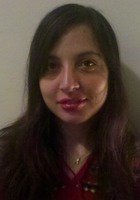
A physics and mathematics degree means Sarah spent years working with error analysis, probability distributions, and the kind of rigorous data interpretation that underpins biostatistics — skills she built not from a textbook overview but from labs and problem sets where getting the statistics wrong meant getting the physics wrong. She approaches topics like measures of central tendency, variance, and hypothesis testing with the mathematical precision her training demands, breaking down formulas into the logic behind them.
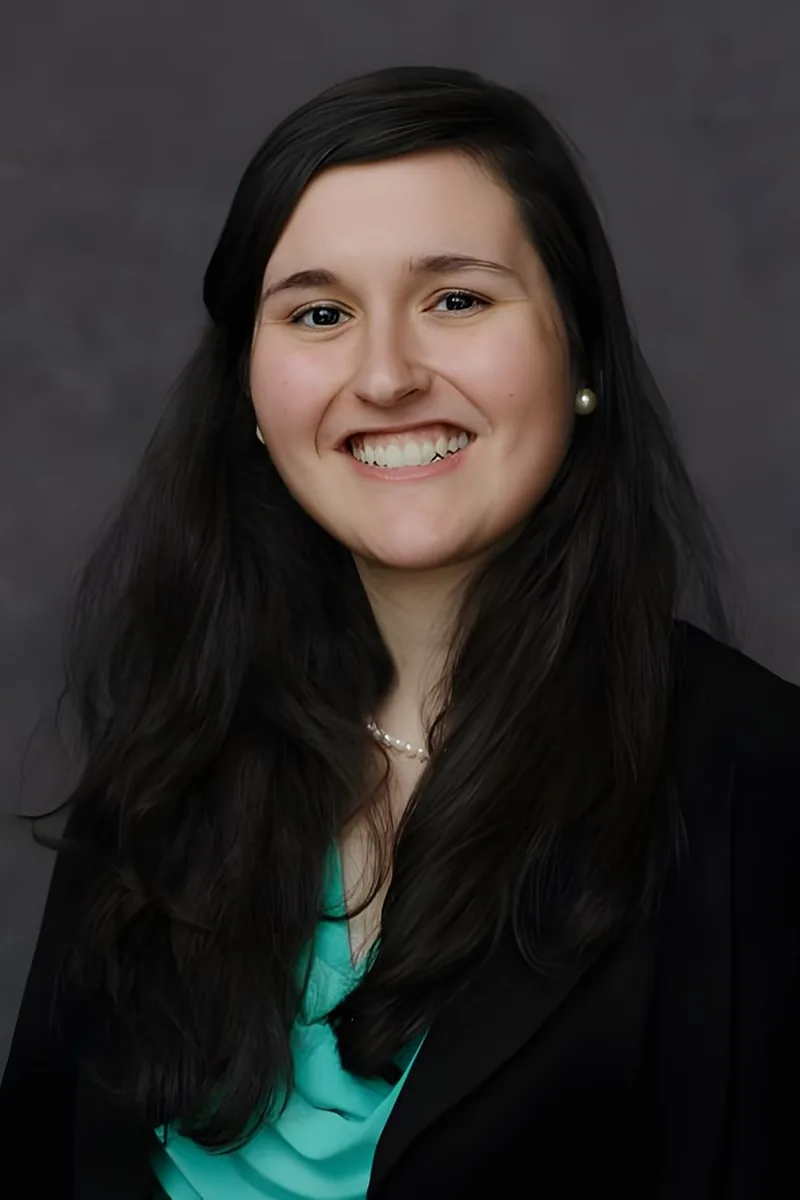
Three years as an ESL instructor and a summa cum laude biology degree taught Ruth something most tutors learn the hard way — explaining quantitative concepts clearly matters as much as understanding them. Now in medical school, she breaks down biostatistics topics like study design, sensitivity and specificity, and interpreting p-values by connecting them to the clinical research she encounters daily in her coursework.
Between a neuroscience bachelor's, a biotechnology master's, and current medical training, Rithi has run into biostatistics from every angle — analyzing neural data in research, evaluating clinical study designs, and interpreting the kind of messy biological datasets where a wrong assumption about normality can derail an entire analysis. She breaks down concepts like survival curves, relative risk calculations, and test selection by walking through the actual research scenarios that make each method necessary. Rated 4.9 by students.
Applying to medical school while pursuing a Master's in Public Health means Jakobi is knee-deep in the kind of data analysis biostatistics courses demand — study design, hypothesis testing, and interpreting results in health contexts. His biology degree gives him the scientific grounding to explain why a particular statistical method fits a biological question, whether students are wrestling with relative risk calculations or figuring out when to use a t-test versus ANOVA.
As a biomedical engineering undergrad at Rice, Aurnab regularly works with biological datasets where statistical decisions — selecting the right test for variable sample sizes, interpreting p-values from experimental results — directly shape whether a project's conclusions hold up. That engineering-driven statistical thinking translates naturally to teaching concepts like probability distributions, hypothesis testing, and confidence intervals in a biostatistics context. Rated 4.9 by students.
Engineering coursework at MIT forced Natasha to build statistical models from biological and chemical datasets — the kind where understanding variance, distributions, and experimental design isn't optional but essential to getting meaningful results. Her chemical and biomolecular engineering background means she teaches biostatistics concepts like regression and hypothesis testing through the lens of someone who's actually had to defend her statistical choices in lab reports and research. Rated 4.9 by students.
Having earned a PhD in Statistics, Sam digs into biostatistics with the depth that graduate and pre-med students actually need — survival analysis, logistic regression, study design, and interpreting odds ratios in clinical contexts. His undergraduate training in biomedical engineering gives him a native fluency with the biological applications that make this field distinct from general stats.
Studying behavioral neuroscience at Lehigh and now pursuing a Master's in Public Health at George Washington, Katherine has lived inside biostatistics — from chi-square tests and logistic regression to survival analysis and epidemiological study design. She teaches the subject the way she learned to use it: tied to real research questions about populations and health outcomes, so formulas stop feeling arbitrary and start making sense.
Ingrid's biomedical engineering coursework at Northwestern — including undergraduate research in the John Rogers Lab — gave her hands-on experience designing experiments and interpreting the statistical methods that underpin clinical and biological research. She breaks down concepts like survival analysis, logistic regression, and confidence intervals by tying them to real biomedical datasets rather than abstract formulas.
Bioengineering lab courses at UIC's Honors College don't let you hand-wave through your data — Shouvik has had to choose appropriate statistical tests for biological experiments, interpret p-values from tissue engineering datasets, and justify sample sizes in formal reports. That firsthand experience with real biological variability makes him effective at teaching concepts like hypothesis testing, descriptive statistics, and study design. Rated 4.9 by students.
Epidemiology graduate training is essentially applied biostatistics — Naushaba spent her master's program designing studies, calculating relative risks, and interpreting the kinds of population-level data that make concepts like confounding, bias, and survival analysis concrete rather than abstract. Her chemistry background adds a quantitative backbone that keeps her comfortable with the math underlying methods like logistic regression and chi-square tests.
I am also interested in tutoring college students preparing for the GRE general test. For test preparation, I assign a decent amount of homework each week and I spend the majority of my sessions going over the questions my students answer incorrectly.
Courtney's graduate research in aquatic ecology means she's wrestled with the messy, real-world datasets that make biostatistics click — figuring out which test to run when sample sizes are uneven, or whether a correlation in field data actually holds up under regression. That experience analyzing ecological patterns, combined with her MS in Biology, grounds her teaching of concepts like experimental design, ANOVA, and data interpretation in the biological questions that give the numbers meaning. Rated 5.0 by students.
Testimonials
Because the right Biostatistics tutor makes all the difference.
Average Session Rating – Based on 3.4M Learner Ratings
Nearby Biostatistics Tutors
Other Indio Tutors
Related Science Tutors in Indio
Frequently Asked Questions
Varsity Tutors matches Indio students with expert Biostatistics tutors for 1-on-1 instruction. We pair each student with a tutor based on their specific needs, learning style, and goals.
Whether you need homework help, exam prep, or want to get ahead, our Biostatistics tutors are ready to help.
Common challenges include gaps from earlier material, difficulty with specific concepts, and trouble applying learning to new problems. These issues can snowball quickly in Biostatistics.
A tutor identifies where you're stuck, fills in gaps, and provides targeted practice. The 1-on-1 format means you get help exactly where you need it.
Tutors work with your student's actual coursework—homework assignments, class notes, and upcoming tests. This keeps tutoring directly relevant to what's happening in the classroom.
When you share information about your student's school and curriculum, we can match you with a tutor who has relevant experience.
All tutors complete background checks, credential verification, and teaching evaluation. Many of our Biostatistics tutors hold advanced degrees or have years of teaching experience.
You can review tutor profiles to find someone with the right background for your student's level and needs.
Many students see improved grades within a few weeks, along with better understanding of Biostatistics concepts and more confidence tackling challenging material.
Tutors track progress and adjust their approach to ensure continued improvement.
Most students benefit from 1-2 sessions per week. More frequent sessions help if your student is significantly behind or has an important exam coming up.
Your tutor can recommend a schedule based on your student's specific situation and goals.
Tutoring is purchased in packages of hours, with rates varying by tutor experience. Varsity Tutors offers several options to fit different budgets and needs.
You can discuss pricing during your consultation to find what works best.
Your tutor will assess where your student is, discuss goals, and start working on priority areas. Most students bring current homework or upcoming test material to focus on.
By the end, you'll have a clear sense of how the tutor can help and a plan for moving forward.
Let’s find your perfect tutor
Answer a few quick questions. We’ll recommend the right plan and match you with a top 5% tutor.