Award-Winning Biostatistics Tutors
serving Bakersfield, CA
Biostatistics
Tutors in Bakersfield
Private 1-on-1 tutoring, weekly live classes for academic support, test prep & enrichment, practice tests and diagnostics, and more to elevate grades and test scores.
Based on 3.4M Learner Ratings
UniversitiesSchools & Universities
DeliveredHours Delivered
ProficiencyGrowth in Proficiency
Who needs tutoring?
No obligation. Takes ~1 minute.
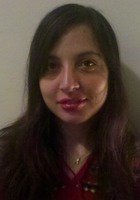
A physics and mathematics degree means Sarah spent years working with error analysis, probability distributions, and the kind of rigorous data interpretation that underpins biostatistics — skills she built not from a textbook overview but from labs and problem sets where getting the statistics wrong meant getting the physics wrong. She approaches topics like measures of central tendency, variance, and hypothesis testing with the mathematical precision her training demands, breaking down formulas into the logic behind them.
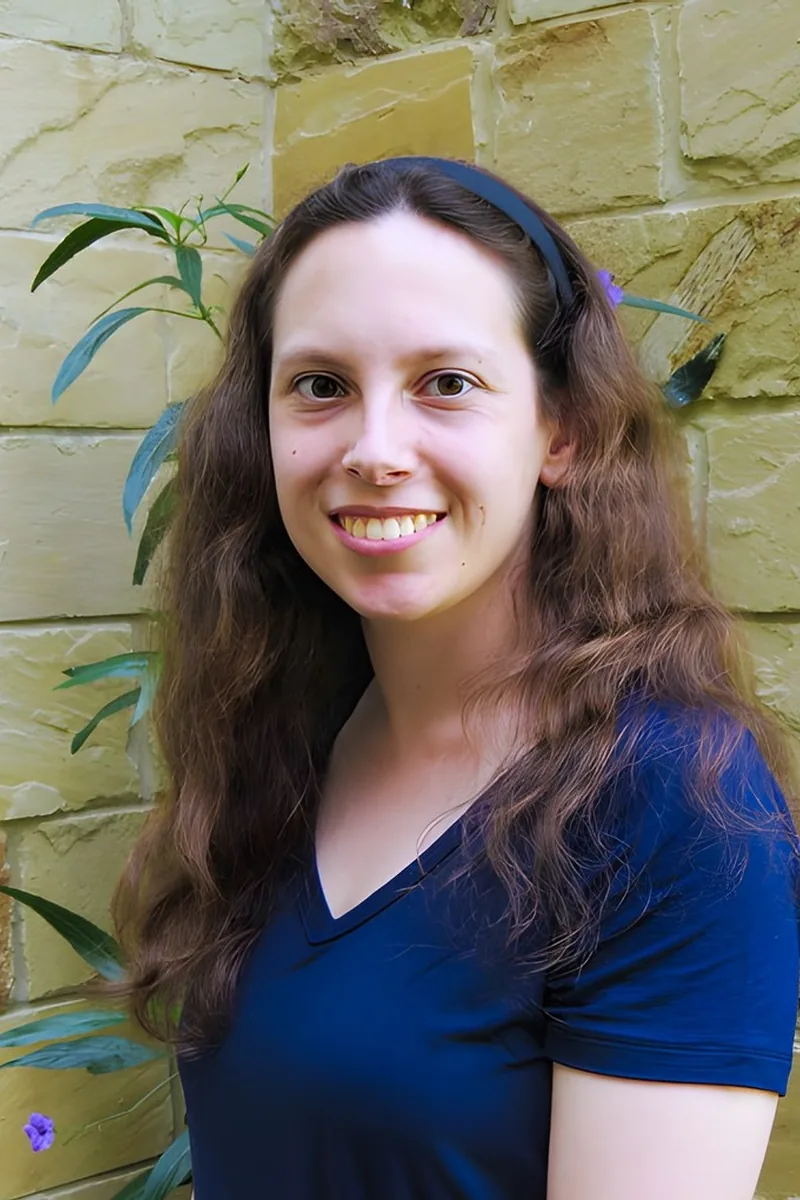
Psychology research lives and dies by statistics — every study Katelyn encountered during her degree required interpreting effect sizes, understanding when to apply a chi-square test, and evaluating whether a sample actually supports a paper's claims. That training in research methods translates directly to biostatistics concepts like probability, measures of central tendency, and hypothesis testing, especially for students who need the statistical logic explained through behavioral and health science examples rather than pure math.
A PhD in Statistics paired with a mathematics foundation means Bahaeddine doesn't just teach biostatistics formulas — he can explain the probabilistic theory underneath methods like logistic regression, survival analysis, and hypothesis testing, then show how those methods apply to biological and clinical datasets. Fifteen years of teaching statistics at the college level have given him a deep catalog of examples for making abstract concepts like p-values, confidence intervals, and study design feel concrete and intuitive.
Between her biology major, math minor, and four years of medical school coursework in community health and preventive medicine, Emily has encountered biostatistics from every angle — interpreting clinical studies, running analyses on biological datasets, and applying concepts like sensitivity, specificity, and measures of association in evidence-based medicine. She teaches the logic behind choosing statistical methods, connecting each test back to the clinical or research scenario that makes it meaningful. Rated 5.0 by students.
Biochemistry majors don't just memorize pathways — they learn to read primary literature, which means grappling with p-values, confidence intervals, and study designs long before a formal biostatistics course. Hunter's biochemistry training at Boston College, followed by a Master's in Biomedical Sciences at Tufts, gave him repeated practice interpreting the statistical methods embedded in research papers. Rated 5.0 by students, he's now headed to Duke for a PhD, where that statistical literacy only deepens.
Graduate coursework in global health and population at Harvard means Sarah's biostatistics training is rooted in real epidemiological research — calculating measures of association, building regression models, and interpreting results in the context of population-level health questions. Her undergraduate biology degree adds fluency with the scientific reasoning behind study design, so she can unpack why a particular statistical test fits a given dataset rather than just drilling the formula. Rated 5.0 by students.
Epidemiology graduate training is essentially applied biostatistics — Naushaba spent her master's program designing studies, calculating relative risks, and interpreting the kinds of population-level data that make concepts like confounding, bias, and survival analysis concrete rather than abstract. Her chemistry background adds a quantitative backbone that keeps her comfortable with the math underlying methods like logistic regression and chi-square tests.
Studying biology at Duke while conducting field research on Hawaiian monk seals meant Emma had to grapple with real ecological datasets — the kind where choosing between a t-test and a Mann-Whitney U actually changes your conclusions. That hands-on experience with biological data analysis, paired with her 4.9 rating from students, makes her especially effective at teaching the statistical reasoning behind study design and data interpretation.
Biochemistry and molecular biology coursework means Aditya is constantly reading papers packed with survival curves, p-values, and confidence intervals — the kind of statistical literacy that comes from needing it to understand his own field, not just passing an exam. He breaks down concepts like probability distributions and measures of central tendency by walking through the biological data they're actually applied to, so the formulas feel purposeful rather than abstract.
Courage's training sits at an unusual intersection — dual bachelor's degrees in computer science and biological/physical sciences, plus a master's in environmental science — which means he's worked with biological datasets from both the programming and the scientific sides. That crossover makes him especially sharp at teaching concepts like data distributions, hypothesis testing, and regression analysis using tools like Python and SQL, bridging the gap between understanding the biology behind a study and actually crunching the numbers.
Studying behavioral neuroscience at Lehigh and now pursuing a Master's in Public Health at George Washington, Katherine has lived inside biostatistics — from chi-square tests and logistic regression to survival analysis and epidemiological study design. She teaches the subject the way she learned to use it: tied to real research questions about populations and health outcomes, so formulas stop feeling arbitrary and start making sense.
Running genomics experiments at Washington University and now studying synapse formation at Duke, Kristina has spent years generating the kind of high-dimensional biological data where statistical missteps — wrong multiple comparisons corrections, underpowered sample designs — can sink a paper before peer review. She teaches biostatistics concepts like ANOVA, regression, and experimental power by drawing on the actual analytical decisions she's made with her own neural datasets. Rated 5.0 by students.
Biostatistics sits right at the intersection of Michael's two strengths — biology and quantitative analysis. His master's research required designing experiments, selecting appropriate statistical models, and interpreting output from tools like R, so he walks students through survival analysis, logistic regression, and study design with the confidence of someone who's applied each method to real data.
Testimonials
Because the right Biostatistics tutor makes all the difference.
Average Session Rating – Based on 3.4M Learner Ratings
Nearby Biostatistics Tutors
Other Bakersfield Tutors
Related Science Tutors in Bakersfield
Frequently Asked Questions
Biostatistics applies statistical methods to biological and medical data—it's essential for understanding research in healthcare, pharmaceutical development, and public health. Whether you're preparing for advanced coursework in nursing, public health, biology, or pre-med programs, biostatistics teaches you to design studies, analyze data, and draw meaningful conclusions from real-world health information.
Students often struggle with translating word problems into statistical models, understanding probability distributions, and interpreting p-values and confidence intervals. Many also find it difficult to choose the right statistical test for different study designs or to communicate findings clearly. Personalized tutoring helps you move beyond memorizing formulas to truly understanding when and why to use each method.
Your first session focuses on understanding your current level, identifying specific topics that are challenging, and learning your preferred problem-solving approach. The tutor will assess whether you need help with foundational concepts like probability and distributions, or more advanced topics like hypothesis testing and regression. This personalized assessment ensures your tutoring plan targets exactly what you need.
Biostatistics requires not just correct answers, but clear justification for your methods. Tutors work with you to break down multi-step problems, explain your choice of statistical tests, and write interpretations that demonstrate understanding. This builds the communication skills you'll need for lab reports, research papers, and exams where showing your reasoning is as important as the final result.
Yes. Biostatistics courses vary in emphasis—some focus heavily on R or SAS programming, others emphasize conceptual understanding, and many blend both. Varsity Tutors connects you with tutors experienced in your specific course materials and curriculum approach, whether you're using textbooks from Rosner, Daniel, or Kahn, or learning through your university's custom materials.
Many students feel intimidated by statistics, especially when it involves formulas and data interpretation. Personalized tutoring builds confidence by breaking concepts into manageable pieces, showing you that statistical thinking is logical and learnable, and celebrating progress along the way. When you understand the 'why' behind methods rather than just memorizing steps, anxiety decreases and competence grows.
Effective biostatistics tutoring reveals how different concepts connect—for example, how probability distributions relate to hypothesis testing, or how study design affects which statistical test you should use. When you see these patterns, seemingly unrelated topics become a coherent framework, making it easier to tackle new problems and retain what you've learned.
Connect with Varsity Tutors to describe your biostatistics course, current challenges, and learning goals. You'll be matched with an expert tutor who understands your curriculum and teaching style. Most students start with 1-2 sessions per week and adjust based on their progress and upcoming exams or assignments.
Let’s find your perfect tutor
Answer a few quick questions. We’ll recommend the right plan and match you with a top 5% tutor.