Award-Winning Biostatistics Tutors
serving Murrieta, CA
Biostatistics
Tutors in Murrieta
Private 1-on-1 tutoring, weekly live classes for academic support, test prep & enrichment, practice tests and diagnostics, and more to elevate grades and test scores.
Based on 3.4M Learner Ratings
UniversitiesSchools & Universities
DeliveredHours Delivered
ProficiencyGrowth in Proficiency
Who needs tutoring?
No obligation. Takes ~1 minute.
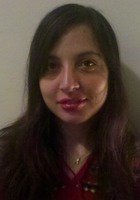
A physics and mathematics degree means Sarah spent years working with error analysis, probability distributions, and the kind of rigorous data interpretation that underpins biostatistics — skills she built not from a textbook overview but from labs and problem sets where getting the statistics wrong meant getting the physics wrong. She approaches topics like measures of central tendency, variance, and hypothesis testing with the mathematical precision her training demands, breaking down formulas into the logic behind them.
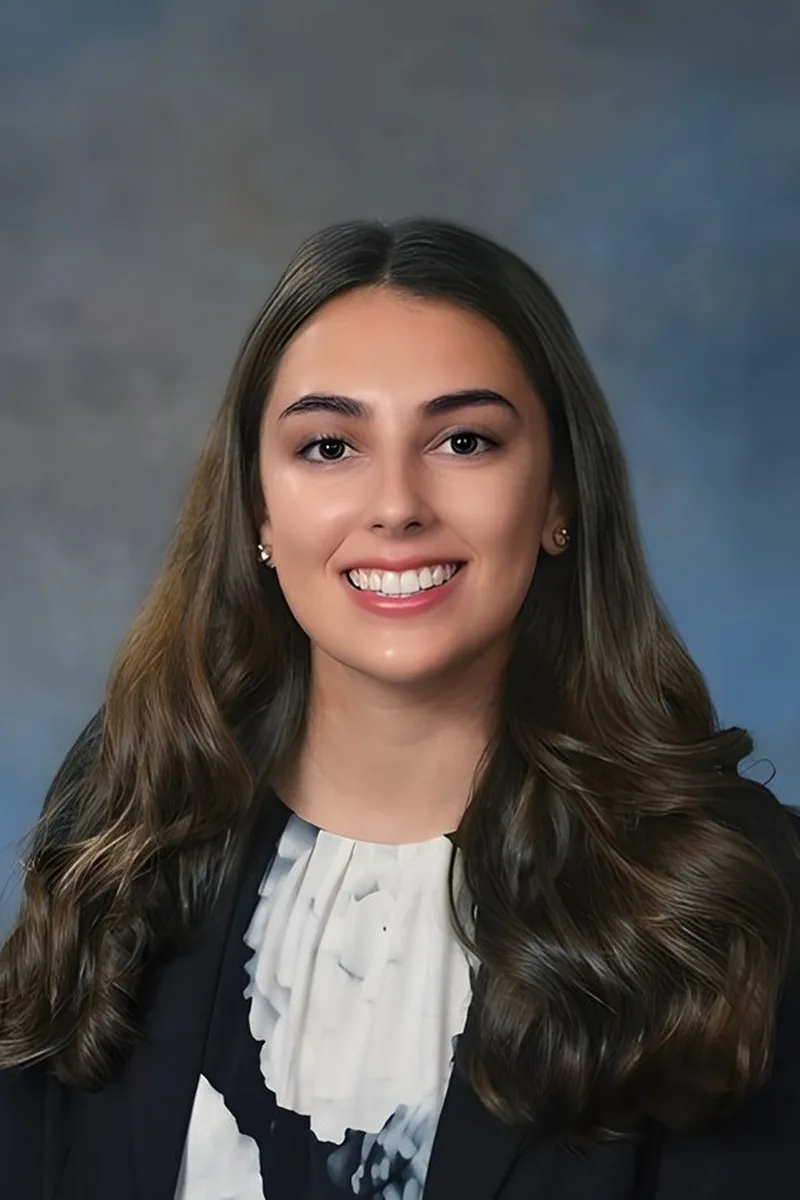
Most biostatistics struggles come down to not knowing which test to use or why — is this a chi-square situation or a t-test, and what does the p-value actually mean? Amanda's Master of Public Health training required heavy coursework in epidemiological statistics, so she teaches biostatistics with the kind of applied, research-oriented framing that makes concepts like confidence intervals and regression analysis click. She walks through real study designs to show how statistical choices shape conclusions.
Psychology research lives and dies by statistics — every study Katelyn encountered during her degree required interpreting effect sizes, understanding when to apply a chi-square test, and evaluating whether a sample actually supports a paper's claims. That training in research methods translates directly to biostatistics concepts like probability, measures of central tendency, and hypothesis testing, especially for students who need the statistical logic explained through behavioral and health science examples rather than pure math.
Running a program that teaches elementary school girls math and science means Kara regularly translates quantitative concepts for audiences who need clarity over jargon — a skill that carries directly into breaking down biostatistics topics like descriptive measures, basic probability, and interpreting study results. Her biology coursework on the pre-med track at UVA, combined with her public health studies, gives her familiarity with the kinds of epidemiological data and research designs that biostatistics problems are built around.
Irene's PhD in Mathematics and Computer Science means she approaches biostatistics from the pure quantitative side — probability theory, distributions, and the mathematical proofs underlying tests like ANOVA and chi-square that most biology-focused instructors skip over. For students who struggle less with the clinical context and more with the math itself, that depth is exactly what closes the gap. Rated 4.9 by students.
An applied mathematics degree paired with doctoral-level engineering work means Professor Florence has spent years building and defending statistical models — the exact skill set biostatistics demands when students face questions about study design, probability distributions, or interpreting regression output. Her psychology background at UCLA also exposed her to the behavioral research side, where concepts like ANOVA, effect size, and sampling methodology show up in every published study. Rated 4.6 by students.
Studying neuroscience on a pre-med track, Jessica encounters biostatistics constantly — from interpreting p-values in research papers to running regression analyses on experimental data. She teaches concepts like hypothesis testing, confidence intervals, and study design by grounding them in actual biological questions rather than abstract formulas.
Between her biology major, math minor, and four years of medical school coursework in community health and preventive medicine, Emily has encountered biostatistics from every angle — interpreting clinical studies, running analyses on biological datasets, and applying concepts like sensitivity, specificity, and measures of association in evidence-based medicine. She teaches the logic behind choosing statistical methods, connecting each test back to the clinical or research scenario that makes it meaningful. Rated 5.0 by students.
Biology coursework generates the kind of data — population counts, gene expression levels, epidemiological surveys — where understanding which statistical test to run matters as much as understanding the biology itself. Ade's biology degree means he teaches concepts like probability distributions, measures of central tendency, and hypothesis testing by starting from the biological question rather than the formula sheet, so the reasoning behind each method clicks before the calculations begin.
Engineering coursework at MIT forced Natasha to build statistical models from biological and chemical datasets — the kind where understanding variance, distributions, and experimental design isn't optional but essential to getting meaningful results. Her chemical and biomolecular engineering background means she teaches biostatistics concepts like regression and hypothesis testing through the lens of someone who's actually had to defend her statistical choices in lab reports and research. Rated 4.9 by students.
Medical school trains you to read studies critically — picking apart odds ratios, questioning sample sizes, and spotting when a confidence interval undermines a paper's bold conclusion. Sanjul, now in his final year of osteopathic medical training with a biology foundation, brings that clinical lens to biostatistics concepts like hypothesis testing, relative risk, and regression modeling. Rated 5.0 by students.
Karista's PhD in Environmental Science meant analyzing messy field data — the kind where uneven sample sizes, non-normal distributions, and confounding variables force you to think carefully about which statistical approach actually fits. That experience designing and defending her own analyses carries over directly when she teaches concepts like ANOVA, multivariate regression, and experimental design in biostatistics. Rated 5.0 by students.
Applying to medical school while pursuing a Master's in Public Health means Jakobi is knee-deep in the kind of data analysis biostatistics courses demand — study design, hypothesis testing, and interpreting results in health contexts. His biology degree gives him the scientific grounding to explain why a particular statistical method fits a biological question, whether students are wrestling with relative risk calculations or figuring out when to use a t-test versus ANOVA.
Testimonials
Because the right Biostatistics tutor makes all the difference.
Average Session Rating – Based on 3.4M Learner Ratings
Nearby Biostatistics Tutors
Other Murrieta Tutors
Related Science Tutors in Murrieta
Frequently Asked Questions
Biostatistics applies statistical methods to biological and health sciences data—from clinical trials and epidemiology to genetics and public health research. It's essential for anyone pursuing careers in medicine, nursing, public health, pharmaceutical research, or biological sciences. Strong biostatistics skills help you design sound studies, interpret research findings accurately, and make evidence-based decisions in healthcare and science.
Many students struggle with translating real-world health scenarios into statistical models, understanding when to use specific tests (t-tests vs. ANOVA vs. chi-square), and interpreting p-values and confidence intervals correctly. Another frequent challenge is connecting statistical theory to practical applications—knowing not just how to run a test, but why it's the right choice for a particular research question. Personalized tutoring helps you move beyond memorizing formulas to understanding the logic behind statistical decisions.
Biostatistics courses vary widely—some emphasize theoretical foundations, others focus on software like R or SAS, and many blend both. Varsity Tutors connects you with tutors experienced in your specific curriculum, whether you're using a particular textbook, learning programming-based statistics, or preparing for a health professions exam. Your tutor will align sessions with your course structure and learning goals, whether that's mastering hypothesis testing, regression analysis, or survival analysis.
Your first session focuses on understanding your current level, specific challenges, and learning goals. You'll discuss which topics feel most confusing—whether that's probability distributions, study design, data interpretation, or software skills—and your tutor will assess your comfort with foundational math concepts. From there, your tutor creates a personalized plan to build confidence and tackle the areas where you need the most support.
In biostatistics, it's not enough to get a numerical answer—you need to explain your reasoning. Expert tutors help you develop clear problem-solving strategies: identifying the research question, choosing the appropriate test, checking assumptions, interpreting results, and communicating conclusions. Through guided practice, you'll learn to articulate why a particular statistical method is appropriate and how to present findings in a way that demonstrates true understanding, not just computation.
Biostatistics concepts are deeply interconnected—understanding normal distributions helps you grasp hypothesis testing, which connects to confidence intervals and p-values. Personalized instruction helps you see these relationships rather than treating each topic as isolated. Your tutor will help you recognize patterns across different test types, understand when similar logic applies to different scenarios, and build a cohesive mental framework that makes new material easier to learn.
Absolutely. Math anxiety is common, especially in statistics courses where abstract concepts meet real-world stakes. Tutors work at your pace, breaking complex ideas into manageable steps and celebrating progress along the way. By building foundational understanding rather than rushing through material, you develop genuine confidence—not just in solving problems, but in trusting your ability to think statistically and interpret data.
Varsity Tutors connects you with expert tutors experienced in biostatistics who work with students in Murrieta. When you reach out, you'll be matched with a tutor whose expertise aligns with your course level and specific needs—whether you're in an undergraduate introductory course or a graduate-level biostatistics program. Your tutor provides personalized 1-on-1 instruction tailored to your learning style and goals.
Let’s find your perfect tutor
Answer a few quick questions. We’ll recommend the right plan and match you with a top 5% tutor.