Award-Winning Cell Biology Tutors
serving Tucson, AZ
Cell Biology
Tutors in Tucson
Private 1-on-1 tutoring, weekly live classes for academic support, test prep & enrichment, practice tests and diagnostics, and more to elevate grades and test scores.
Based on 3.4M Learner Ratings
UniversitiesSchools & Universities
DeliveredHours Delivered
ProficiencyGrowth in Proficiency
Who needs tutoring?
No obligation. Takes ~1 minute.
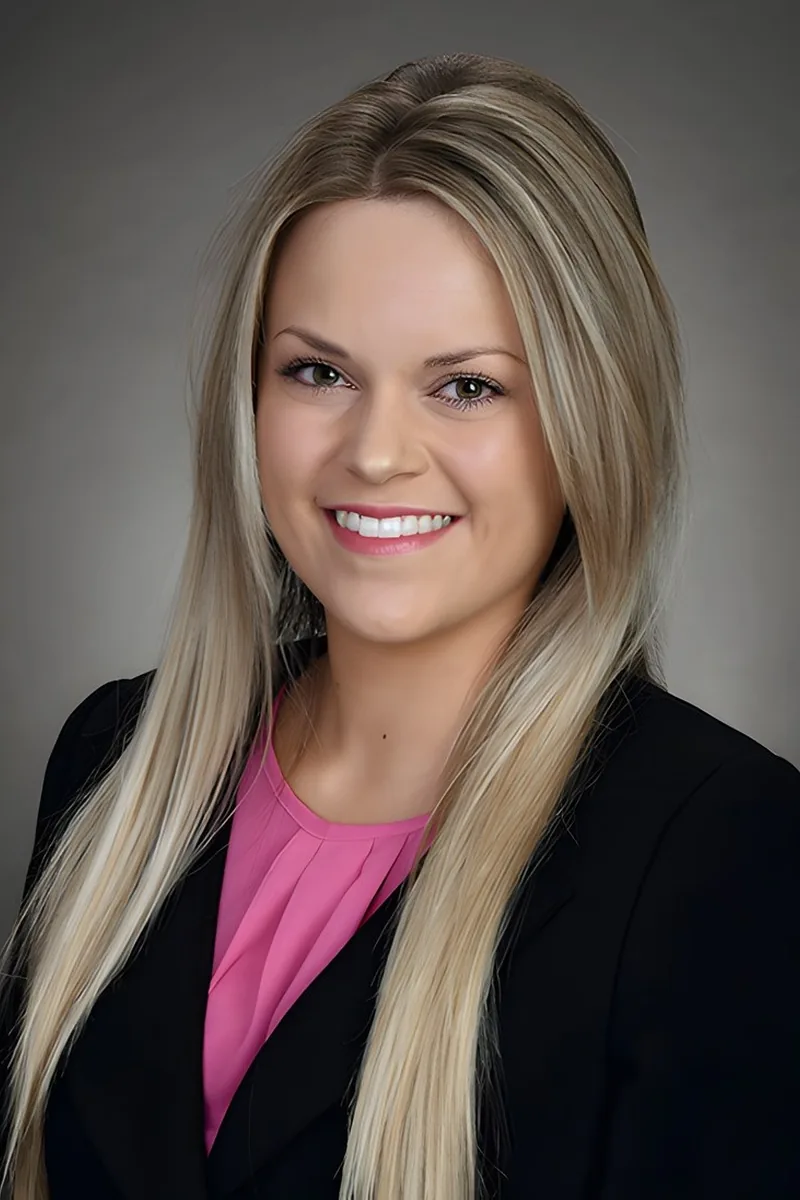
Cadaver lab instructor, organic chemistry TA, neuroscience educator for middle schoolers — Elise's teaching history is unusually hands-on, and that shows when she tackles cell biology topics like membrane dynamics or organelle structure where students need to visualize what's actually happening rather than just read about it. Her M.D. from Creighton and biomedical sciences degree mean she learned these cellular mechanisms in the context of real pathology, so she can explain why a lysosomal storage disorder matters when teaching lysosome function. Rated 4.9 by students.
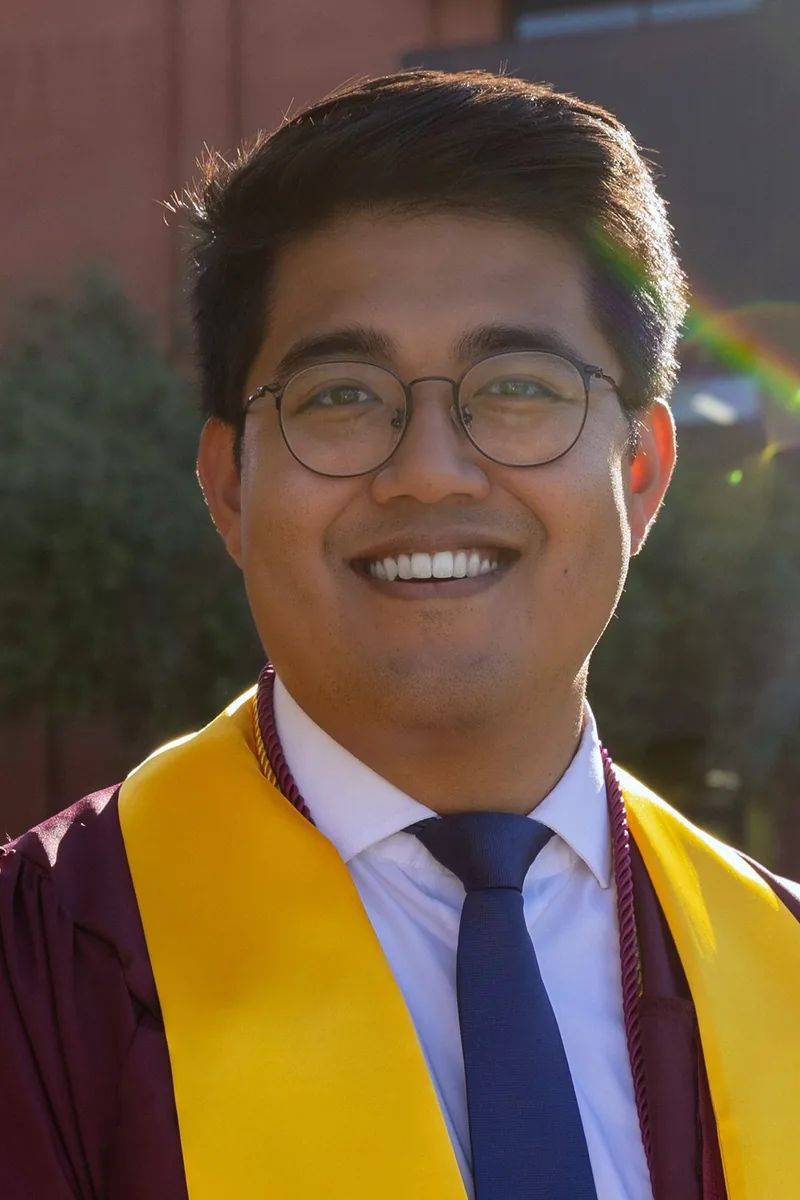
Membrane transport, mitosis, signal transduction — cell biology asks students to think about invisible processes at a scale that's hard to visualize. Gordon studied biological sciences at ASU with coursework in cell biology, and he breaks down concepts like the endomembrane system and ATP synthesis by connecting each organelle's function to the bigger picture of how cells maintain homeostasis.
Claire's honors thesis at ASU investigated hormonal regulation in black widow spiders, which meant living inside topics like signal transduction, membrane transport, and cell cycle control for months. That research-level depth shows up when she teaches cell biology — she can explain why a process works, not just label its parts. She currently tutors first- and second-year medical students in related coursework at Midwestern University.
Kylianne is completing a Molecular and Cellular Biology degree at the University of Arizona, so cell biology isn't a subject she studied once and moved on from — it's the core of her academic life. She digs into topics like organelle function, membrane transport, the cell cycle, and signal transduction with the depth that comes from coursework built around these systems. Students get someone who can explain the difference between endocytosis and exocytosis without defaulting to "just memorize it."
As a medical student at the University of Michigan, Ruth deals with cellular processes daily — membrane transport, mitosis, signal transduction, and organelle function are concepts she doesn't just teach but actively uses. She connects cell biology topics to real clinical scenarios, which makes abstract diagrams of the endomembrane system or the cell cycle feel concrete and memorable.
Robin's biology degree and medical training mean she's studied cell biology from both the research bench and the clinical side — membrane transport, mitotic regulation, signal transduction, all of it. She unpacks dense topics like the endomembrane system and cell cycle checkpoints by linking molecular details to what actually happens in living tissue. Students walk away understanding the cell as a dynamic system, not a labeled diagram.
From the cell cycle to membrane transport to organelle function, cell biology demands that students hold dozens of interconnected processes in their heads at once. Kruti's genetics and genomics concentration at Northwestern meant she spent years tracing how signals move through and between cells — and her medical training layered on the clinical relevance of when those processes go wrong. She unpacks each pathway visually so students can reconstruct it on an exam without rote memorization.
Political science might not scream cell biology, but Masooma's coursework in molecular biology and microbiology at the University of Chicago gave her serious depth in how cells actually function — from the mechanics of the cytoskeleton to how cells communicate through surface receptors. She teaches these topics by building each process as a story with a beginning, middle, and end, which makes something like the endomembrane system feel logical rather than like a list of disconnected parts. Rated 4.9 by students.
A master's degree in chemistry gives Madhura an unusual edge in cell biology: she explains processes like the electron transport chain, enzyme kinetics, and membrane transport at the molecular level, not just as labeled diagrams to memorize. Students come away understanding why a proton gradient drives ATP synthesis or how signal transduction actually propagates through a cell.
After studying biochemistry and cell biology at Rice and continuing into medical school at Baylor, Sugi has spent years immersed in the mechanics of cellular processes — membrane transport, signal transduction, the cell cycle, and organelle function. She unpacks dense diagrams and pathway maps into clear cause-and-effect chains that make exam prep far more efficient. Rated 5.0 by students.
Rashida earned her PhD in Cellular and Molecular Biology, which means topics like signal transduction, membrane transport, and the cell cycle aren't textbook abstractions for her — they're the material she researched and taught for years. She builds each session around the specific pathways and mechanisms students are struggling with, connecting molecular details to the bigger picture of how cells function.
Alexandra earned her B.A. in Biochemistry and Cell Biology from Rice University, which means she doesn't just know the textbook — she's spent years thinking about organelle function, membrane transport, signal transduction, and the cytoskeleton at a deep mechanistic level. Her experience teaching Anatomy and Physiology at the college level sharpened her ability to break down complex cellular processes into clear, connected ideas rather than isolated facts.
Liana is studying biological sciences at the undergraduate level, which means cell biology isn't a distant memory — it's her current world. She digs into topics like the endomembrane system, mitotic checkpoints, and signal transduction pathways with the detail that comes from actively learning and applying them. Students who need to understand cellular respiration at the mechanistic level, not just the summary version, will appreciate her depth.
Matthew's Human Biology degree from Stanford, with its concentration in Bioinformatics and Stem Cell Science, means he spent years studying cells not just as textbook diagrams but as data — analyzing gene expression patterns, modeling differentiation pathways, and understanding how stem cells decide their fate at the molecular level. That computational angle gives him a distinctive way of explaining processes like transcription regulation or cell signaling: he breaks them into logical, step-by-step sequences that mirror how bioinformatics pipelines actually process cellular data. Rated 4.9 by students.
Membrane transport, mitosis, signal transduction — cell biology is the foundation Janet built on throughout medical school, and she still thinks in terms of cellular mechanisms when studying disease. She unpacks each process visually, walking through what's happening at the organelle level so students can reason through exam questions instead of relying on rote recall.
Michelle's doctoral research on bacterial infections required deep knowledge of cell signaling pathways, membrane transport, and the mechanics of how cells interact with foreign nanoparticles. That bench-level familiarity means she can unpack topics like the endomembrane system or mitotic checkpoints with real experimental context behind them. Rated 5.0 by students.
Testimonials
Because the right Cell Biology tutor makes all the difference.
Average Session Rating – Based on 3.4M Learner Ratings
Other Tucson Tutors
Related Science Tutors in Tucson
Frequently Asked Questions
Your first session is a chance to connect with a tutor and identify your specific challenges—whether that's understanding cell structure and function, mastering mitosis and meiosis, or preparing for exams. The tutor will assess your current knowledge, learn about your learning style, and create a personalized plan to help you build both conceptual understanding and problem-solving skills. This foundation ensures every session after that is tailored to your needs.
Cell biology involves invisible structures and processes that are hard to picture—from organelle functions to molecular transport mechanisms. Expert tutors use diagrams, models, animations, and real-world analogies to make these abstract concepts concrete and memorable. By breaking down complex processes step-by-step and connecting them to observable phenomena, tutoring transforms cell biology from memorization into genuine understanding.
Absolutely. Tutors can help you understand the scientific method behind your experiments, interpret lab results, and connect what you observe under the microscope to the concepts you're learning in class. Whether you're preparing for lab practicals, analyzing data, or troubleshooting experimental design, personalized instruction helps you develop the scientific reasoning skills that make lab work meaningful rather than just procedural.
Not at all—and that's where tutoring makes a real difference. While cell biology has vocabulary and structures to learn, the deeper skill is understanding how and why cells work the way they do. Expert tutors focus on building conceptual understanding first, which makes memorization easier and helps you apply knowledge to new problems, exam questions, and real-world scenarios rather than just recalling facts.
Tutors help you identify which concepts are giving you trouble, work through practice problems and past exam questions, and develop test-taking strategies specific to cell biology. They also help you connect isolated topics—like photosynthesis, cellular respiration, and protein synthesis—into a coherent understanding of how cells function. This integrated approach builds confidence and improves performance on everything from unit tests to AP exams.
Yes. Varsity Tutors connects Tucson students with expert tutors who specialize in cell biology and can work with your schedule and learning style. Whether you're in a Tucson Unified School District classroom, a charter school, or studying independently, you can get matched with a tutor who understands the concepts you're tackling and knows how to explain them in ways that stick.
Cell biology isn't just textbook material—it's the foundation for medicine, biotechnology, disease research, and genetic engineering. Expert tutors help you see these connections by discussing how cellular processes relate to cancer, genetic disorders, vaccines, and drug development. This real-world context makes the material more engaging and helps you understand why mastering cell biology matters beyond the classroom.
Personalized 1-on-1 instruction is designed exactly for this situation. A tutor can identify the specific gaps in your understanding—whether it's foundational chemistry concepts, cell structure, or metabolic pathways—and rebuild your knowledge from there. With focused, customized support, students often catch up quickly and develop the confidence to tackle more advanced topics.
Let’s find your perfect tutor
Answer a few quick questions. We’ll recommend the right plan and match you with a top 5% tutor.