Award-Winning Cell Biology Tutors
serving Phoenix, AZ
Cell Biology
Tutors in Phoenix
Private 1-on-1 tutoring, weekly live classes for academic support, test prep & enrichment, practice tests and diagnostics, and more to elevate grades and test scores.
Based on 3.4M Learner Ratings
UniversitiesSchools & Universities
DeliveredHours Delivered
ProficiencyGrowth in Proficiency
Who needs tutoring?
No obligation. Takes ~1 minute.
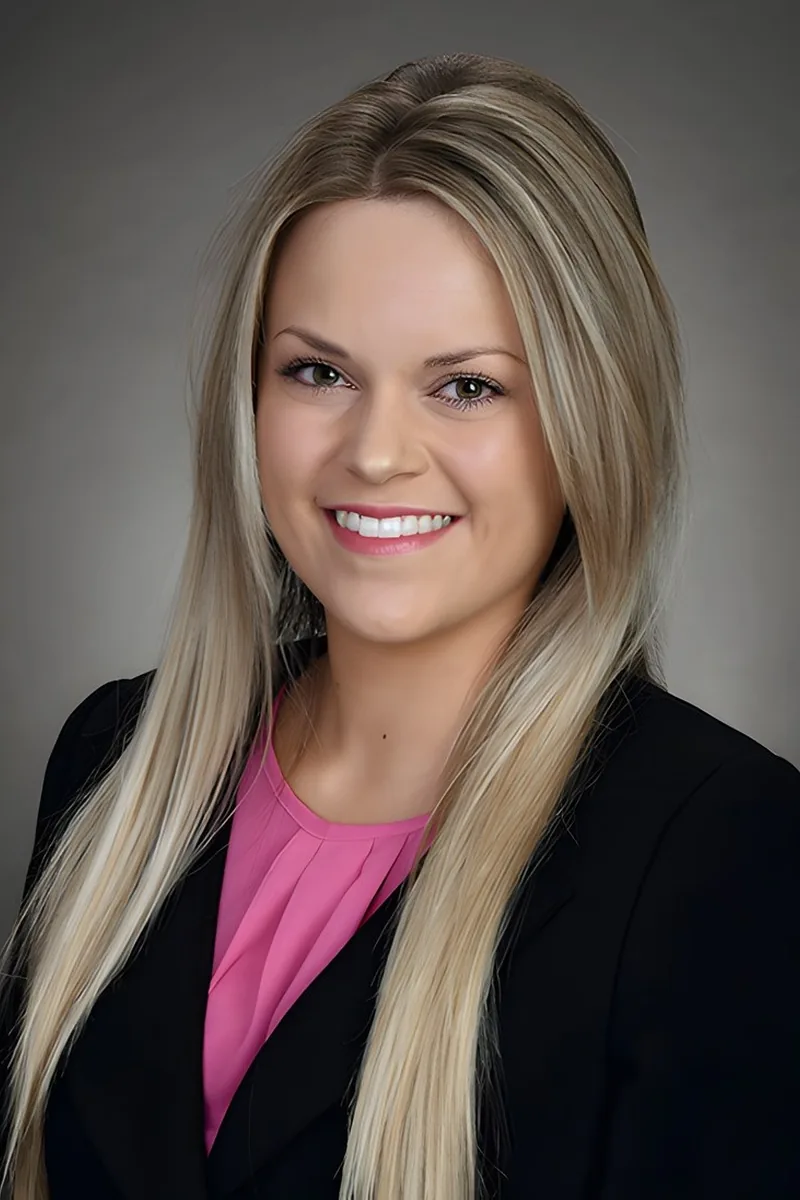
Cadaver lab instructor, organic chemistry TA, neuroscience educator for middle schoolers — Elise's teaching history is unusually hands-on, and that shows when she tackles cell biology topics like membrane dynamics or organelle structure where students need to visualize what's actually happening rather than just read about it. Her M.D. from Creighton and biomedical sciences degree mean she learned these cellular mechanisms in the context of real pathology, so she can explain why a lysosomal storage disorder matters when teaching lysosome function. Rated 4.9 by students.
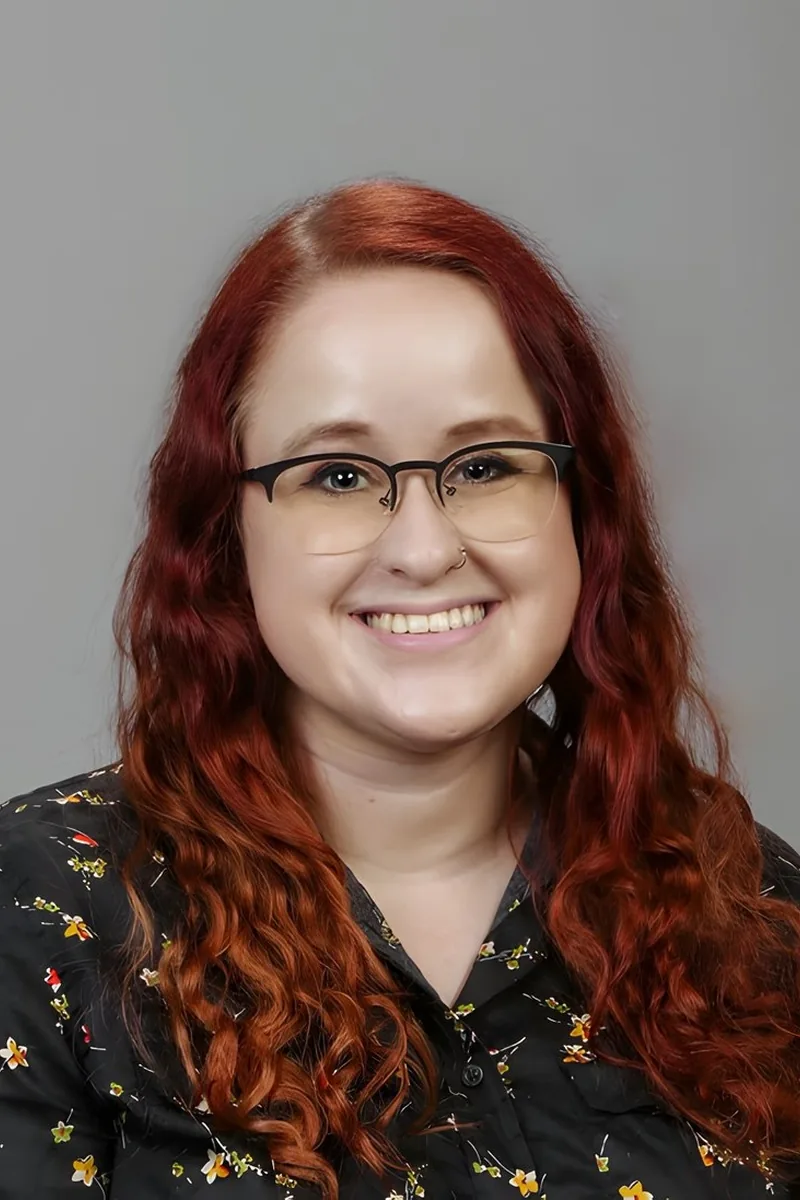
Claire's honors thesis at ASU investigated hormonal regulation in black widow spiders, which meant living inside topics like signal transduction, membrane transport, and cell cycle control for months. That research-level depth shows up when she teaches cell biology — she can explain why a process works, not just label its parts. She currently tutors first- and second-year medical students in related coursework at Midwestern University.
Membrane transport, mitosis, signal transduction — cell biology asks students to think about invisible processes at a scale that's hard to visualize. Gordon studied biological sciences at ASU with coursework in cell biology, and he breaks down concepts like the endomembrane system and ATP synthesis by connecting each organelle's function to the bigger picture of how cells maintain homeostasis.
Kylianne is completing a Molecular and Cellular Biology degree at the University of Arizona, so cell biology isn't a subject she studied once and moved on from — it's the core of her academic life. She digs into topics like organelle function, membrane transport, the cell cycle, and signal transduction with the depth that comes from coursework built around these systems. Students get someone who can explain the difference between endocytosis and exocytosis without defaulting to "just memorize it."
Graduate-level research in Duke's Cellular and Molecular Biology program means Nicole isn't recalling cell biology from a textbook — she's actively working with these systems, from gene expression regulation to intracellular signaling. That daily immersion lets her explain something like the secretory pathway by tracing a protein's journey from ribosome to Golgi with the kind of detail that turns a confusing diagram into a narrative. Rated 4.9 by students.
From the mechanics of mitosis to the signaling cascades that control apoptosis, cell biology demands that students hold dozens of interconnected processes in their heads at once. Zosia studied biology and chemistry at Yale, where she built the kind of deep molecular-level understanding that makes organelle function and membrane transport intuitive rather than overwhelming.
Membrane transport, the cell cycle, signal transduction — cell biology asks students to visualize processes they can't see and connect molecular details to larger biological outcomes. Arianna's neuroscience degree from Dartmouth required deep fluency in cellular mechanisms, and she unpacks those pathways in ways that make exam diagrams and free-response questions far less intimidating.
Biomedical engineering at the undergraduate level means Yaajnavalki didn't just learn what a cell does — he learned how to model it, analyzing membrane mechanics, diffusion rates, and the engineering principles behind processes like osmotic transport and cytoskeletal force generation. That quantitative angle is especially useful for students who can handle the vocabulary but struggle to connect cellular structures to the physical and chemical principles driving them.
Rashida earned her PhD in Cellular and Molecular Biology, which means topics like signal transduction, membrane transport, and the cell cycle aren't textbook abstractions for her — they're the material she researched and taught for years. She builds each session around the specific pathways and mechanisms students are struggling with, connecting molecular details to the bigger picture of how cells function.
Kelsey earned her B.S. in Cellular and Molecular Biology, which means topics like mitosis regulation, membrane transport, and signal transduction pathways aren't textbook abstractions for her — they're the core of her training. She unpacks cell biology by connecting each organelle and process to a bigger functional picture, so students retain mechanisms instead of just vocabulary.
Studying biological sciences at Northwestern while working as a teaching assistant, Manideep digs into cell biology at the level students actually need — membrane transport mechanisms, the stages of mitosis and meiosis, and how signal transduction pathways regulate cell behavior. He unpacks diagrams and experimental scenarios the way they appear on college exams, not just in lecture slides.
Memorizing the stages of mitosis or the parts of the endomembrane system only sticks when a student understands the logic connecting them. Avni earned her biology degree from Case Western Reserve, where cell biology coursework covered everything from signal transduction pathways to organelle function in detail. She walks students through cellular processes as interconnected stories rather than isolated vocabulary lists.
Robin's biology degree and medical training mean she's studied cell biology from both the research bench and the clinical side — membrane transport, mitotic regulation, signal transduction, all of it. She unpacks dense topics like the endomembrane system and cell cycle checkpoints by linking molecular details to what actually happens in living tissue. Students walk away understanding the cell as a dynamic system, not a labeled diagram.
Studying chemical-biological engineering meant Kristen spent serious time with membrane transport, signal transduction pathways, and the molecular machinery inside cells — not as abstract diagrams but as systems she had to model quantitatively. She teaches Cell Biology by linking structure to function at every level, from organelle roles to the mechanics of mitosis and protein trafficking.
Earning a biology degree with distinction from Duke meant Lenique spent serious time inside the cell — membrane transport, mitotic checkpoints, signal transduction, organelle function. She unpacks these molecular-level processes by connecting structure to function, so students understand not just what a ribosome does but why its architecture makes that job possible.
As a medical student at the University of Michigan, Ruth deals with cellular processes daily — membrane transport, mitosis, signal transduction, and organelle function are concepts she doesn't just teach but actively uses. She connects cell biology topics to real clinical scenarios, which makes abstract diagrams of the endomembrane system or the cell cycle feel concrete and memorable.
Testimonials
Because the right Cell Biology tutor makes all the difference.
Average Session Rating – Based on 3.4M Learner Ratings
Other Phoenix Tutors
Related Science Tutors in Phoenix
Frequently Asked Questions
Cell biology involves mastering both intricate concepts and detailed terminology, which many students find challenging. The most common areas where students struggle include understanding cellular transport mechanisms (osmosis, diffusion, active transport), visualizing the structure and function of organelles, and connecting molecular processes like photosynthesis and cellular respiration to real-world energy systems. Many students also find it difficult to move beyond memorizing definitions to truly understanding how cellular processes work at a molecular level. Personalized tutoring helps bridge this gap by breaking down abstract concepts into clear, visual explanations that connect theory to practical applications.
One-on-one instruction allows a tutor to identify exactly where your understanding breaks down and address misconceptions before they compound. In cell biology specifically, this means a tutor can use diagrams, animations, and real-world examples to help you visualize processes happening at scales you can't see—like how a cell membrane regulates what enters and exits, or how energy is produced during cellular respiration. A tutor also adjusts the pace and depth based on your learning style, whether you learn best through visual models, step-by-step explanations, or hands-on problem-solving. Research on learning science shows that personalized instruction significantly improves both understanding and retention compared to self-study alone.
Memorizing is learning isolated facts—like 'mitochondria is the powerhouse of the cell'—but understanding is knowing *why* and *how* it works that way. True understanding means you can explain how mitochondria converts glucose into ATP energy, why a cell with high energy demands has more mitochondria, and how this connects to larger biological systems. When you understand, you can answer new questions and solve problems you've never seen before. With memorization alone, you're stuck if the question is phrased differently. Tutors help you build that deeper understanding by asking you to explain concepts in your own words, work through problems step-by-step, and connect ideas across different topics in cell biology.
Many students benefit from support in both areas. Classroom concepts—like understanding protein synthesis, cell division, and metabolic pathways—form the foundation for successful lab work. Lab experiments, in turn, bring those concepts to life and help you see how theory translates to observable results. Some students grasp the theory but struggle to apply it in a lab setting, while others excel at lab procedures but don't fully understand the underlying biology. Varsity Tutors connects you with tutors who can help strengthen your conceptual knowledge, guide you through experimental design and the scientific method, and prepare you to analyze lab results thoughtfully. This integrated approach builds both your scientific thinking skills and your confidence in the lab.
With 195 school districts across the Phoenix area serving over 278,000 students, different schools often emphasize different aspects of cell biology and use different curricula and textbooks. When you connect with Varsity Tutors, you're matched with a tutor who can work with your specific curriculum, textbook, and course expectations—whether you're in an AP Biology class, honors biology, or a standard biology course. During your first session, share your course materials, current topics, and any specific challenges you're facing. A tutor experienced with Phoenix schools will understand local standards and can tailor instruction to align with what your teacher expects, making your tutoring sessions directly relevant to your coursework.
Yes. Beyond just reviewing content, a tutor helps you develop effective study strategies and problem-solving approaches that improve exam performance. For cell biology specifically, this includes practice with multiple-choice questions that test nuanced understanding, short-answer questions that require clear explanations, and scenario-based problems that ask you to apply concepts. Tutors can also help you identify gaps in your knowledge before the exam, target practice on the most challenging topics, and build confidence in areas where you typically second-guess yourself. Many students find that working through practice problems with a tutor—who can explain your mistakes in real-time—is far more effective than studying notes alone.
Visualization is key to understanding cell biology, since so much happens at a molecular scale you can't directly observe. The most effective approaches include studying detailed diagrams that show step-by-step processes, using animations or videos that show movement and change over time, and drawing your own labeled sketches to reinforce understanding. A tutor can teach you how to create and use these visual tools effectively, walk you through complex processes using diagrams, and help you practice explaining what you see. Many students also benefit from physically modeling processes—like using objects to represent molecules and physically moving them to understand how osmosis or enzyme reactions work. A tutor experienced in cell biology can guide these visualization strategies to match how you learn best.
Let’s find your perfect tutor
Answer a few quick questions. We’ll recommend the right plan and match you with a top 5% tutor.