Award-Winning Cell Biology Tutors
serving Mesa, AZ
Cell Biology
Tutors in Mesa
Private 1-on-1 tutoring, weekly live classes for academic support, test prep & enrichment, practice tests and diagnostics, and more to elevate grades and test scores.
Based on 3.4M Learner Ratings
UniversitiesSchools & Universities
DeliveredHours Delivered
ProficiencyGrowth in Proficiency
Who needs tutoring?
No obligation. Takes ~1 minute.
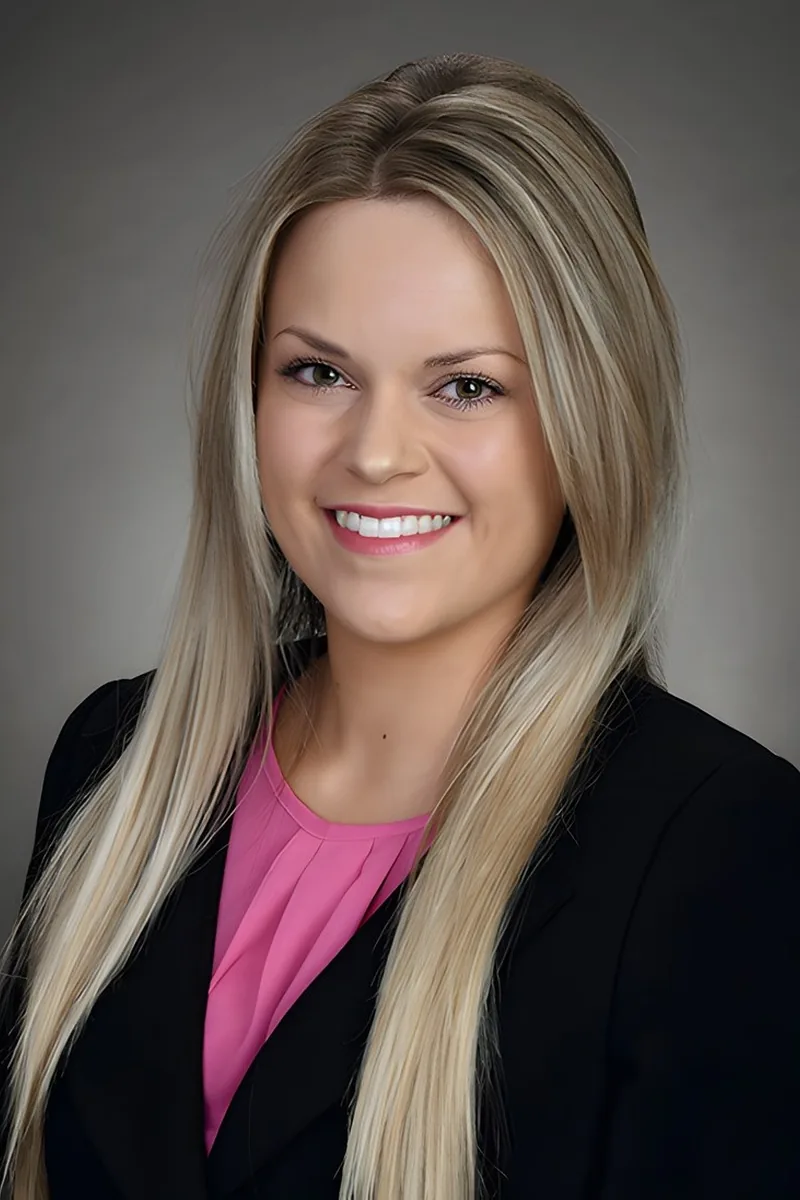
Cadaver lab instructor, organic chemistry TA, neuroscience educator for middle schoolers — Elise's teaching history is unusually hands-on, and that shows when she tackles cell biology topics like membrane dynamics or organelle structure where students need to visualize what's actually happening rather than just read about it. Her M.D. from Creighton and biomedical sciences degree mean she learned these cellular mechanisms in the context of real pathology, so she can explain why a lysosomal storage disorder matters when teaching lysosome function. Rated 4.9 by students.
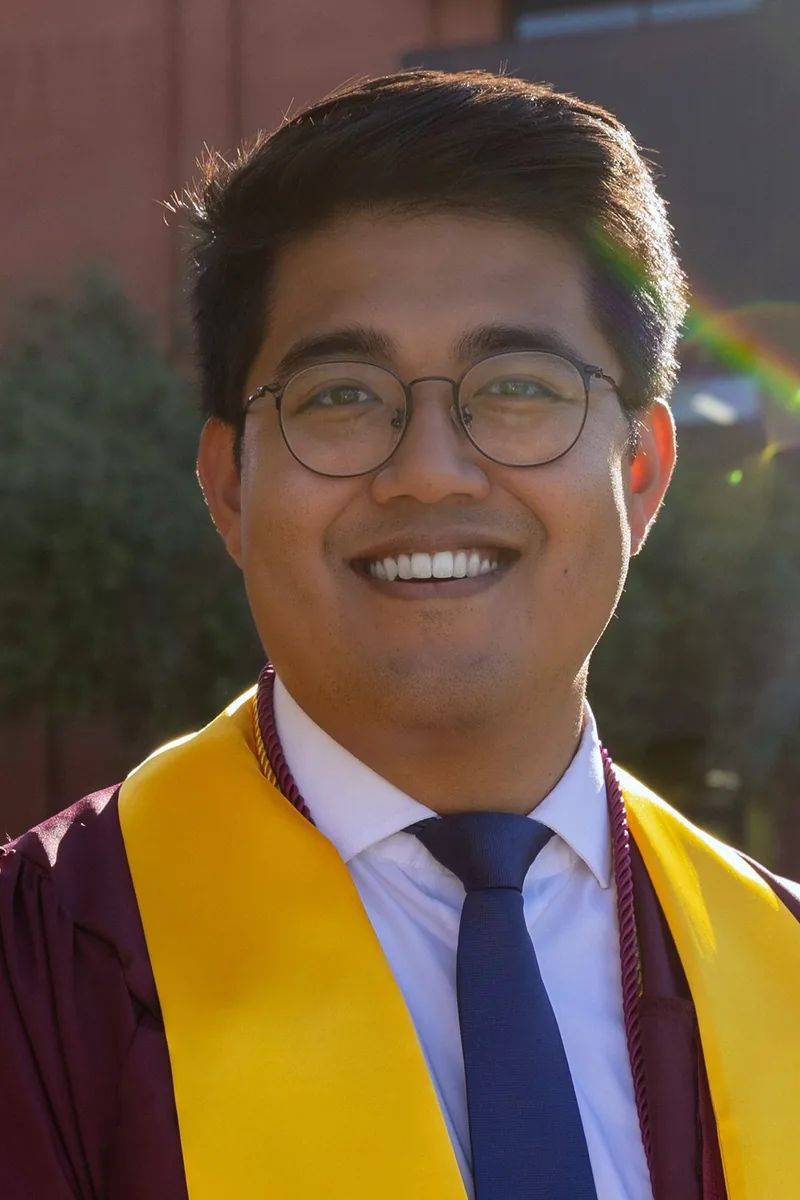
Membrane transport, mitosis, signal transduction — cell biology asks students to think about invisible processes at a scale that's hard to visualize. Gordon studied biological sciences at ASU with coursework in cell biology, and he breaks down concepts like the endomembrane system and ATP synthesis by connecting each organelle's function to the bigger picture of how cells maintain homeostasis.
Claire's honors thesis at ASU investigated hormonal regulation in black widow spiders, which meant living inside topics like signal transduction, membrane transport, and cell cycle control for months. That research-level depth shows up when she teaches cell biology — she can explain why a process works, not just label its parts. She currently tutors first- and second-year medical students in related coursework at Midwestern University.
Kylianne is completing a Molecular and Cellular Biology degree at the University of Arizona, so cell biology isn't a subject she studied once and moved on from — it's the core of her academic life. She digs into topics like organelle function, membrane transport, the cell cycle, and signal transduction with the depth that comes from coursework built around these systems. Students get someone who can explain the difference between endocytosis and exocytosis without defaulting to "just memorize it."
Earning a biology degree with distinction from Duke meant Lenique spent serious time inside the cell — membrane transport, mitotic checkpoints, signal transduction, organelle function. She unpacks these molecular-level processes by connecting structure to function, so students understand not just what a ribosome does but why its architecture makes that job possible.
Studying malaria parasite phenotypes during her master's work at Notre Dame meant Haley spent years thinking at the cellular level — signal transduction, membrane transport, organelle function, the cell cycle. She unpacks these processes by tying molecular details to the bigger picture of what a cell is actually trying to accomplish, which makes dense material far easier to retain.
Membrane transport, mitosis, signal transduction — cell biology demands that students hold dozens of interconnected processes in their heads simultaneously. Shalin's biology degree and current bioinformatics research at NYU give him a molecular-level fluency that makes it easy to unpack how organelles, pathways, and the cell cycle actually fit together.
Kelsey earned her B.S. in Cellular and Molecular Biology, which means topics like mitosis regulation, membrane transport, and signal transduction pathways aren't textbook abstractions for her — they're the core of her training. She unpacks cell biology by connecting each organelle and process to a bigger functional picture, so students retain mechanisms instead of just vocabulary.
Being in a BS/MD Guaranteed Admissions program at VCU means Roshni studies cell biology with the clinical endgame always in view — she knows which cellular mechanisms, from apoptosis to intracellular signaling, will follow students into medical coursework and why understanding them now pays off later. Her biology major gives her the depth to unpack something like the endomembrane system step by step, connecting each organelle's structure to its actual role in protein processing and secretion. Rated 4.9 by students.
Membrane transport, the cell cycle, signal transduction — cell biology is dense with interconnected processes that reward understanding over rote memorization. Daniel studied these pathways extensively during his biology degree at Wheaton College and again at a deeper level in medical school at Penn. He unpacks each mechanism by tracing molecules step by step, so students can reconstruct pathways from logic rather than flashcards.
Mitosis, membrane transport, signal transduction — cell biology demands that students hold an entire microscopic world in their heads and understand how its parts interact. Alan earned his biology degree from Hofstra's Honors Program and digs into cellular processes by tracing the logic of each pathway rather than treating them as isolated facts to memorize. That approach turns a dense topic into something students can reason through on exams.
From the citric acid cycle to mitotic spindle assembly, cell biology demands that students hold dozens of interconnected pathways in their heads at once. Amanda dissects these systems using the clinical and molecular lens she developed across her biology degree and four years of medical school. She's particularly sharp on membrane transport, cell signaling cascades, and the molecular genetics underlying cell division — topics that show up heavily on both college exams and the MCAT.
Duke's Cell and Molecular Biology concentration meant Emily spent semesters dissecting processes like intracellular signaling, gene regulation, and protein sorting at a level most undergrad bio majors never reach — and her current Columbia medical training keeps reinforcing those details in clinical contexts. She teaches the "why" behind each cellular mechanism, connecting how a lysosome's acidic environment or the rough ER's ribosome-studded surface directly explains what that organelle accomplishes. Rated 5.0 by students.
Studying cell biology at UCLA and then diving into public health at Yale gave Joseph a layered understanding of how cellular processes — membrane transport, mitotic checkpoints, signal transduction — connect to human disease. He unpacks dense topics like the endomembrane system or ATP synthesis by walking through each pathway visually, so students can reconstruct the logic on an exam rather than relying on rote recall.
From the cell cycle to membrane transport to organelle function, cell biology demands that students hold dozens of interconnected processes in their heads at once. Kruti's genetics and genomics concentration at Northwestern meant she spent years tracing how signals move through and between cells — and her medical training layered on the clinical relevance of when those processes go wrong. She unpacks each pathway visually so students can reconstruct it on an exam without rote memorization.
From membrane transport to the cell cycle, cell biology demands that students hold dozens of interconnected processes in their heads at once. Karista's biochemistry degree and years teaching university biology labs gave her a knack for breaking organelle function, signal transduction, and mitosis into clear cause-and-effect chains. Rated 5.0 by students.
Testimonials
Because the right Cell Biology tutor makes all the difference.
Average Session Rating – Based on 3.4M Learner Ratings
Other Mesa Tutors
Related Science Tutors in Mesa
Frequently Asked Questions
Cell Biology requires understanding both the structure and function of cellular components—concepts that are difficult to visualize without direct guidance. Many students struggle with memorizing organelles and their roles, distinguishing between similar processes like mitosis and meiosis, or grasping how molecular mechanisms work at scales invisible to the naked eye. Personalized 1-on-1 instruction helps students move beyond memorization to develop a deeper understanding of how cells function, making complex concepts like protein synthesis or cellular respiration click into place.
Yes. Tutors can help you understand the scientific method, interpret lab results, troubleshoot experimental design, and connect what you observe in the lab to the theoretical concepts you're learning in class. Whether you're preparing for a lab practical, analyzing data, or trying to understand why an experiment produced unexpected results, personalized instruction helps you develop scientific reasoning skills alongside content knowledge.
Tutors use diagrams, animations, models, and step-by-step explanations to help you build mental models of how cells work. Instead of staring at a static textbook image, you can work through processes like mitosis or photosynthesis in real time, ask questions about each stage, and connect the visual representation to the underlying biology. This active learning approach makes abstract concepts concrete and memorable.
Your first session is a chance to connect with a tutor and identify your specific needs—whether you're struggling with a particular unit, preparing for an exam, or trying to improve your overall understanding of the course. The tutor will assess your current knowledge, listen to your goals, and develop a personalized plan tailored to your learning style. This foundation ensures that every session after builds on what works best for you.
Varsity Tutors connects students in Mesa with expert tutors who understand cell biology across different curricula—whether you're in AP Biology, honors biology, or a dedicated Cell Biology course. With 37 school districts and nearly 120,000 students across Mesa, tutors are familiar with the standards and expectations across local schools. During your first session, your tutor will learn about your specific course requirements and adjust their approach accordingly.
Tutors help you identify knowledge gaps, practice problem-solving under timed conditions, and develop test-taking strategies specific to how Cell Biology is assessed. Whether you're preparing for a unit test or the AP Biology exam, personalized instruction focuses on the concepts most likely to appear on your exam while building the deeper understanding that helps you answer unfamiliar questions confidently. Practice testing and retrieval practice—retrieving information from memory repeatedly—are proven to strengthen long-term retention.
Rather than drilling facts, tutors ask you questions that deepen your reasoning: "Why does the mitochondrion have a double membrane?" or "How would this cellular process change if the pH shifted?" This approach builds conceptual understanding so you can apply knowledge to new scenarios instead of just recalling isolated facts. When you understand the 'why' behind cellular structures and processes, exams and real-world applications become much more manageable.
Varsity Tutors makes it easy to get matched with an expert tutor who fits your schedule and learning needs. Simply tell us about your Cell Biology course, your goals, and your availability, and we'll connect you with a qualified tutor for personalized 1-on-1 instruction. Your first session can happen quickly, so you can start making progress right away.
Let’s find your perfect tutor
Answer a few quick questions. We’ll recommend the right plan and match you with a top 5% tutor.