Award-Winning Microbiology Tutors
serving Tucson, AZ
Microbiology
Tutors in Tucson
Private 1-on-1 tutoring, weekly live classes for academic support, test prep & enrichment, practice tests and diagnostics, and more to elevate grades and test scores.
Based on 3.4M Learner Ratings
UniversitiesSchools & Universities
DeliveredHours Delivered
ProficiencyGrowth in Proficiency
Who needs tutoring?
No obligation. Takes ~1 minute.
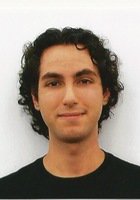
Daniel earned his bachelor's degree in microbiology before completing dental school, giving him deep familiarity with bacterial morphology, metabolic pathways, and host-pathogen interactions. He approaches topics like gram staining protocols and viral replication cycles with the kind of specificity that turns a dense subject into something students can reason through rather than just memorize.
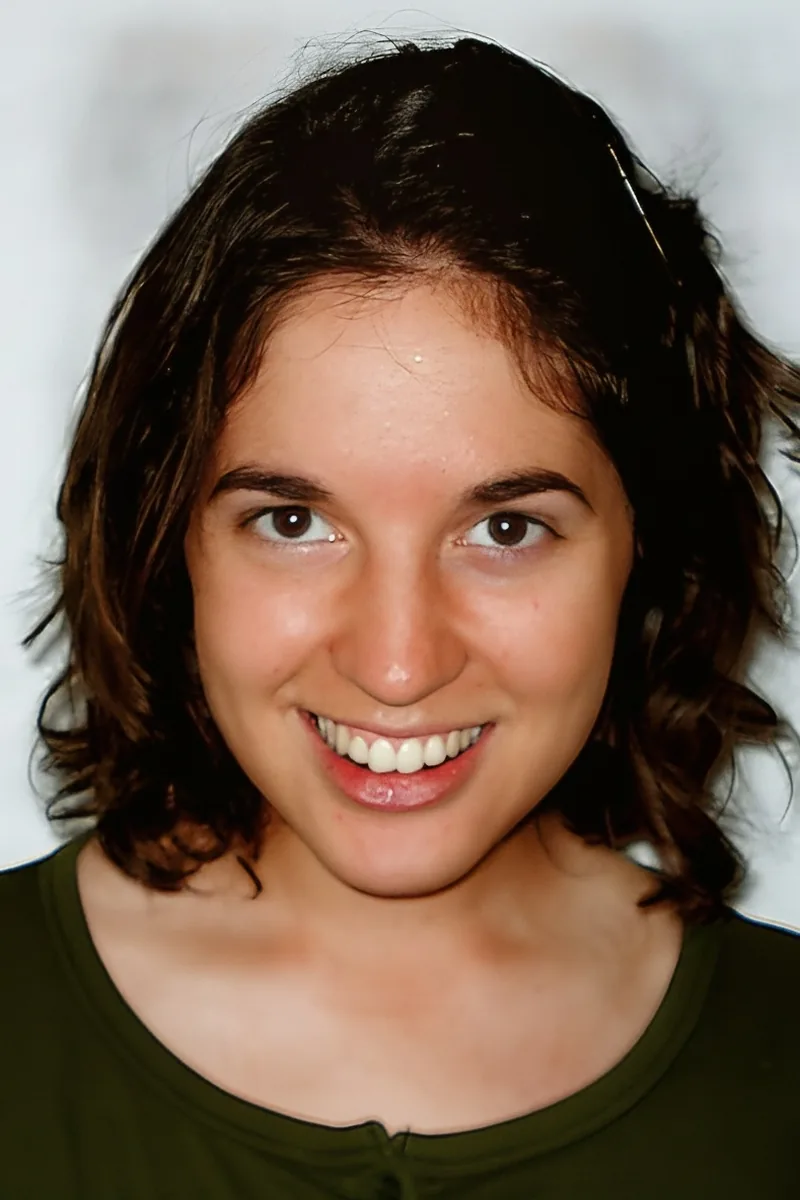
Studying both anthropology and biology gave Amanda an unusual lens on microbiology — she understands microorganisms not just as cellular machines but as agents that shaped human evolution, migration, and disease ecology across populations. That dual training, plus her physiology and anatomy teaching, means she can trace how pathogens interact with host systems at the tissue level while connecting microbial concepts like virulence and transmission to the bigger biological picture. Rated 4.9 by students.
As a third-year D.O. student, Claire encounters microbiology in a clinical context every day — identifying pathogens, understanding antibiotic resistance mechanisms, and connecting bacterial virulence factors to patient symptoms. She teaches micro by organizing organisms around the patterns that actually matter for exams: gram stain characteristics, toxin types, and transmission routes. Rated 5.0 by her students.
An applied mathematics degree heavy on physics might not scream microbiology, but Madeleine's broad science coursework — spanning chemistry, biology, nutrition, and anatomy — means she's tackled the cellular and metabolic concepts that make microbial processes make sense. She's especially sharp at breaking down quantitative aspects like bacterial growth curves and population dynamics, where her math training turns intimidating data into clear, logical patterns. Rated 5.0 by students.
I am a fourth-year medical student at a U.S. MD program with plans to pursue a career in cardiology. I am passionate about working with learners and helping them reach their academic goals. My strengths include standardized test preparation for the ACT, MCAT, and USMLE Step 1 and Step 2, as well as core subjects such as medicine, anatomy, physiology, pharmacology, biology, chemistry, biochemistry, physics, psychology, etc. In addition, I have extensive experience helping students craft compelling essays for college and medical school applications. I look forward to supporting you in achieving your next academic milestone!
Paul's biology degree gives him the cellular and molecular groundwork to break down microbiology's trickiest material — from endospore formation and metabolic diversity in prokaryotes to the mechanisms behind biofilm development. He also teaches organic chemistry, which means he can trace antimicrobial action and resistance at the chemical level when students need that deeper explanation. Rated 5.0 by students.
Between her molecular biology degree and her current biomedical science graduate program, Sierra has spent years working with bacterial physiology, microbial genetics, and host-pathogen interactions. She explains dense topics like gram staining protocols, metabolic pathways, and antimicrobial resistance mechanisms by tying them back to real clinical and research scenarios that make the material stick.
Environmental science and public policy might seem distant from microbiology, but Ethan's coursework in biology, chemistry, and ecology covered the microbial ecology and nutrient cycling that underpin environmental systems — how soil bacteria drive nitrogen fixation, how waterborne pathogens behave in different conditions, and why microbial communities matter for public health policy. That environmental angle gives him a unique way of explaining concepts like bacterial metabolism and population dynamics, grounding abstract processes in real-world ecological contexts. Holds a 5.0 rating.
A Harvard-trained biologist with classroom teaching experience, Elizabeth digs into microbial structure, metabolism, and pathogenesis with genuine enthusiasm for the subject. She's particularly strong at connecting micro-level processes — bacterial gene regulation, viral replication cycles — to the bigger biological picture. Her science teaching background means she can unpack dense material without losing the thread.
From bacterial gene regulation to viral replication strategies, microbiology demands comfort with both molecular detail and big-picture ecology. Zachary's graduate work in molecular biology gave him hands-on familiarity with the techniques and concepts — Gram staining, quorum sensing, antibiotic resistance mechanisms — that form the backbone of most microbiology courses.
Studying microbiology in a medical context means Amir doesn't just know bacterial classifications and viral replication cycles — he understands how they matter clinically. He teaches concepts like gram staining, pathogen virulence factors, and antibiotic mechanisms by connecting each one to real scenarios, using visual aids that turn dense material into something students can actually retain.
Rashida's PhD in Cellular and Molecular Biology means she teaches microbiology from the inside out — starting at the level of gene regulation, membrane transport, and molecular signaling before zooming out to how microorganisms behave in populations. Her doctoral research and experience leading discussions in cell biology and Mendelian genetics give her a particular knack for explaining how bacteria acquire and express resistance genes, or how horizontal gene transfer reshapes microbial communities. Rated 5.0 by students.
Bacterial morphology, Gram staining techniques, viral replication cycles — microbiology throws a lot of vocabulary at students before asking them to think critically about pathogenesis and immune response. Ade's biology degree gives him the foundation to break down these interconnected systems and show how individual microorganisms actually behave in clinical and environmental contexts.
Bacterial classification, viral replication cycles, and host-pathogen interactions are central to both microbiology coursework and clinical medicine. As a medical student at UMKC, Evelyn encounters these concepts in a clinical context every week, which means she can explain the difference between gram-positive and gram-negative organisms — or how antibiotic resistance develops — with real diagnostic scenarios in mind.
Medical school demands a granular understanding of pathogens — bacterial cell wall differences, viral replication cycles, antibiotic resistance mechanisms. Daniel earned his M.D. and brings that clinical lens to microbiology, connecting each organism's structure and behavior to the disease processes students are expected to know for exams.
Philosophy, Politics and Economics isn't the typical path into microbiology, but Noah's biology coursework gave him enough grounding in cellular processes to break down topics like prokaryotic structure and microbial growth curves for students encountering them for the first time. He takes a methodical, logic-driven approach — the kind his PPE training sharpened — to help untangle classification systems and keep bacterial phyla from blurring together.
Between his biochemistry degree from Rice and his medical school training, Sanjay has spent years immersed in the microbial world — bacterial cell structure, pathogenic mechanisms, antimicrobial resistance, and the metabolic pathways that distinguish different organisms. He connects microbiology concepts to clinical scenarios, which makes memorizing genera, gram stain results, and virulence factors far more intuitive.
Neuroscience at Brown doesn't let you skip the micro — Owen's coursework in biology and chemistry built a working understanding of how microorganisms operate at the cellular level, from membrane transport to metabolic regulation. He brings that mechanistic thinking to topics like bacterial growth curves and immune evasion, breaking down each process into the molecular steps that actually explain it.
Testimonials
Because the right Microbiology tutor makes all the difference.
Average Session Rating – Based on 3.4M Learner Ratings
Other Tucson Tutors
Related Science Tutors in Tucson
Frequently Asked Questions
Microbiology requires understanding both microscopic structures you can't see with the naked eye and complex metabolic processes happening at the cellular level. Students often struggle with visualizing bacterial cell structures, grasping how pathogens cause disease, and connecting lab observations to theoretical concepts. Personalized tutoring helps bridge the gap between memorizing facts and truly understanding how microorganisms function and interact with their environments.
Expert tutors can help you design experiments properly, understand the scientific method as it applies to microbiology, and interpret lab results with confidence. Whether you're culturing bacteria, performing staining techniques, or analyzing microscope observations, personalized instruction helps you connect hands-on work to the underlying microbiology principles. This strengthens both your experimental skills and your ability to think scientifically about microbial behavior.
Microbiology is far more than memorization—it's about understanding how microorganisms function, interact, and impact human health and the environment. While there are facts to learn (like bacterial structures and metabolic pathways), the real skill is applying that knowledge to explain why certain organisms behave certain ways or how antibiotics work at the molecular level. Tutors help you build conceptual frameworks so you can reason through problems rather than rely on rote memory.
Many students struggle with visualizing things too small to see with the naked eye—from bacterial flagella to viral replication. Expert tutors use diagrams, models, and real microscope images to help you build mental pictures of these structures and processes. Breaking down complex mechanisms into smaller, understandable steps makes abstract concepts concrete, so you can confidently explain what's happening at the microscopic level.
Microbiology courses generally cover bacterial structure and function, viral biology, fungal and parasitic organisms, microbial genetics, metabolism, and how microorganisms interact with hosts and environments. Most courses also include practical applications like antibiotic resistance, food safety, and disease transmission. For students in Tucson taking high school or college-level Microbiology, personalized tutoring can help you master each unit and see how topics connect to real-world scenarios.
Your first session is about understanding where you are and where you want to go. A tutor will assess your current understanding of microbiology concepts, identify specific challenges (whether it's bacterial taxonomy, disease mechanisms, or lab techniques), and create a personalized plan tailored to your goals. This might include reviewing recent coursework, discussing upcoming exams or projects, and establishing a study strategy that works for your learning style.
Look for tutors with strong backgrounds in microbiology or related sciences—ideally with college-level coursework or professional experience working with microorganisms. The best tutors can explain complex concepts clearly, relate theory to real-world applications, and guide you through lab work confidently. Varsity Tutors connects you with expert tutors who understand both the subject matter and how to help students develop genuine understanding rather than surface-level knowledge.
Tutors help you identify which concepts you truly understand versus which ones you're just memorizing, then focus study time on areas that need work. They can walk you through practice problems, explain why certain answers are correct, and teach you strategies for tackling different question types on exams. With personalized instruction, you'll develop the deeper understanding needed to answer application-based questions, not just recall facts.
Let’s find your perfect tutor
Answer a few quick questions. We’ll recommend the right plan and match you with a top 5% tutor.