Award-Winning Japanese Tutors
serving Tucson, AZ
Japanese
Tutors in Tucson
Private 1-on-1 tutoring, weekly live classes for academic support, test prep & enrichment, practice tests and diagnostics, and more to elevate grades and test scores.
Based on 3.4M Learner Ratings
UniversitiesSchools & Universities
DeliveredHours Delivered
ProficiencyGrowth in Proficiency
Who needs tutoring?
No obligation. Takes ~1 minute.
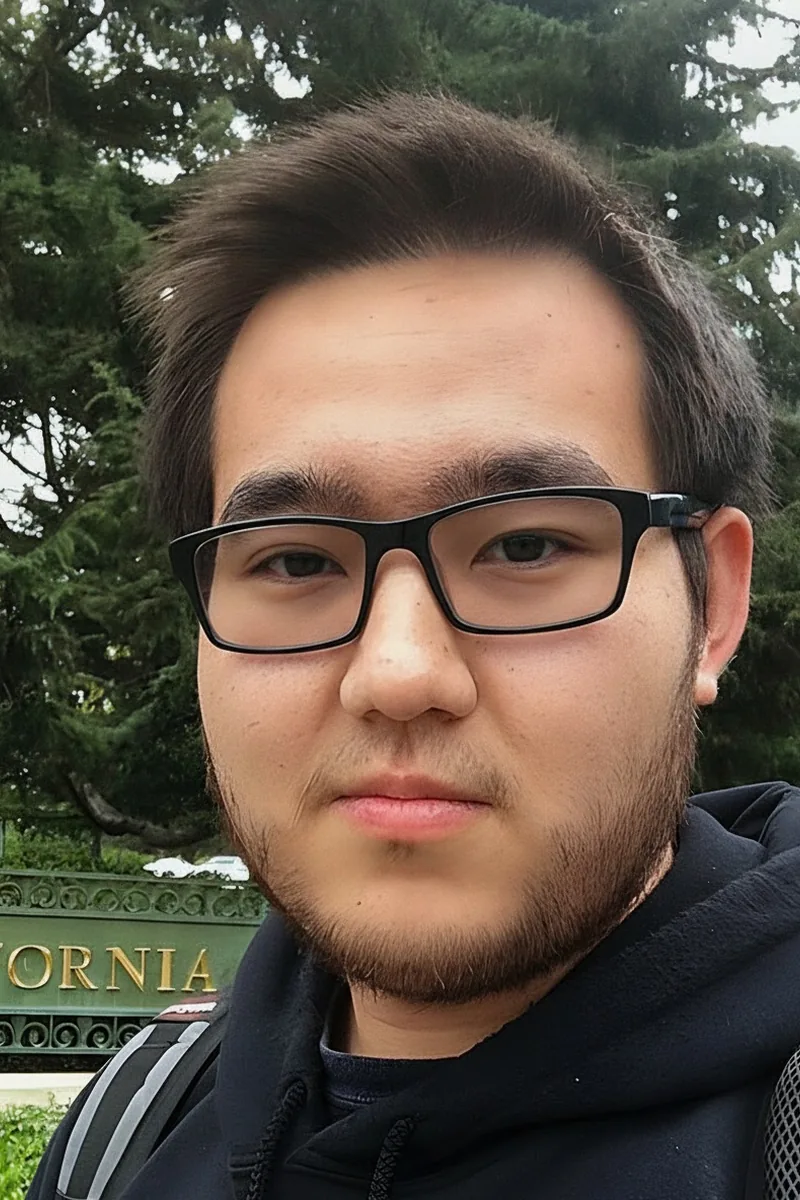
I am studying Chemical Biology in UC Berkeley. One of my passions is Organic Chemistry, which I used to loath but now enjoys after taking a year of it. Also, because I like helping others, I enjoys tutoring/teaching students who are struggling. During high school, I have tutored other high students after school on various subjects such as Math, Physics, Chemistry, and Latin. During college, I have held informal review sessions for General Chemistry and Organic Chemistry for my underclassmen. I tutored my roommate and one of my underclassmen in Organic Chemistry. Finally, with a Graduate Student TA, I co-taught a Organic Chemistry Lab class section , where I answer questions regarding lab material and demonstrate lab techniques. Currently, I am interested in tutoring Organic Chemistry, General Chemistry, Biochemistry, Physics, and Calculus
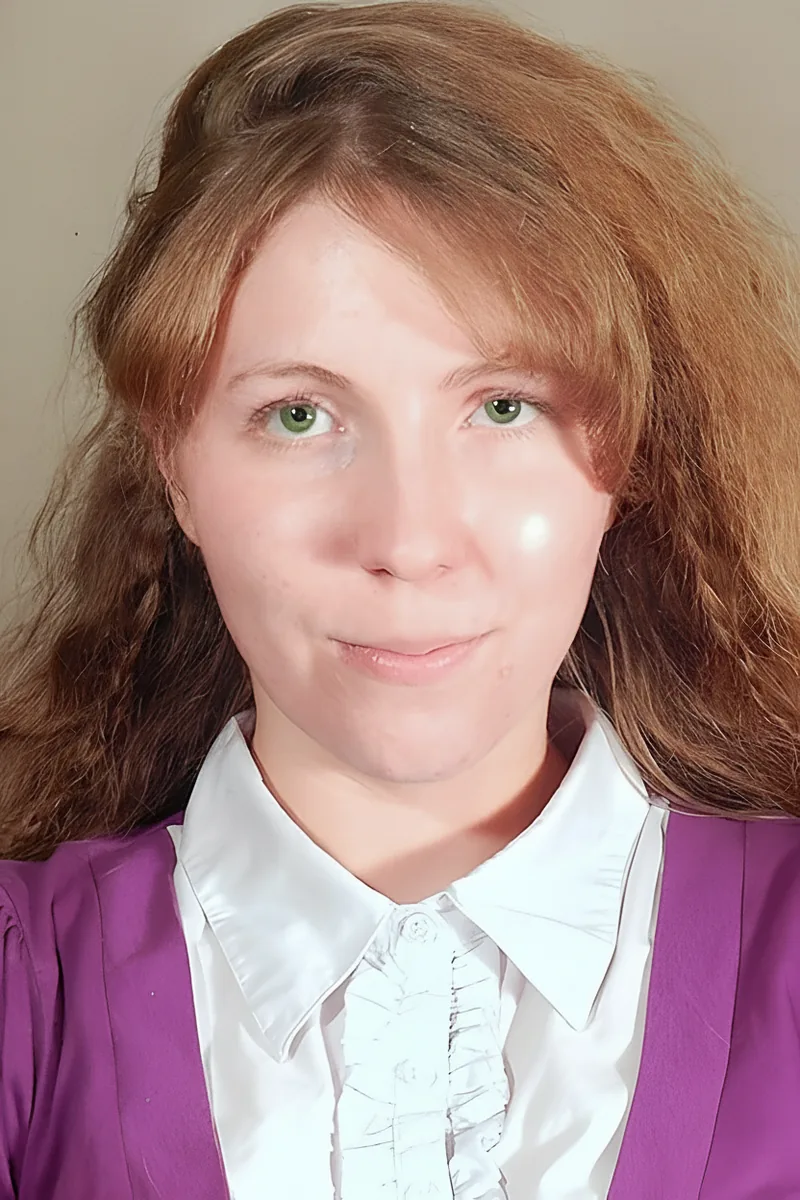
Learning Japanese means juggling three writing systems, honorific levels, and grammar that works nothing like English — and Karen tackles all of it from firsthand experience using the language abroad. Whether a student is memorizing their first hundred kanji or practicing particle usage in complex sentences, she builds each lesson around practical communication skills.
Most students learning Japanese hit a wall somewhere between mastering hiragana and actually constructing sentences with particles, verb conjugations, and counters. Kai has been teaching Japanese through the student organization meetings on campus, building lessons that move learners from basic self-introductions to reading short passages and holding simple conversations.
I am motivated in addressing the disparities in educational equity here in the Twin Cities, particularly for students of color and students of differing socio-economic backgrounds. I work to build strong relationships with students to determine the strengths and knowledge they bring to the table.
Few Japanese tutors can combine formal academic study with real teaching experience in Japan — Sophie has both. Her East Asian Studies work at Princeton included intensive Japanese language training, and she spent time teaching English in Japan, which gave her deep familiarity with how the two languages map onto (and diverge from) each other. She tackles everything from hiragana and katakana basics to particle usage and keigo politeness levels.
I am an experienced tutor and teacher from Okinawa, Japan who recently graduated from Brown University and now lives in Brooklyn.
Learning Japanese means juggling three writing systems, unfamiliar sentence structures, and layers of politeness that don't exist in English. Aki breaks down hiragana, katakana, and basic kanji recognition alongside grammar patterns like particle usage and verb conjugation, building reading and conversational skills in parallel.
I am open to tutoring in a broad range of subjects, including Algebra, Spanish I/II, ESL and Biology (SAT II, AP, and MCAT).
Hi! It's Wataru. I am originally from Japan and have been living in New York since 2000. I had a career as an industrial newspaper pressman/editor in Tokyo so that I know newspaper level strict grammar and manner of business speech. I watch anime and I can talk about Japanese subculture with you if you like. I have been teaching Japanese language in person and online. I have taught from beginners to JLPT N3 certificate prep students. I've taught American, Canadian, English, Indian, German, Australian, Mexican, and so on. Teaching is one of my way to feel the joy of supporting people. I'll help you master the language and dive into Japanese culture and subculture. Once you start to think in Japanese, you will notice that your way of communication changes. English is good for business, law, and science while Japanese is more about sharing feelings. The waiters in Japan may be reluctant to serve your table, but my students prepare well to make them feel at ease and they have fantastic travel in Japan.
During his final summer at NYU, William traveled to Japan to study the language alongside traditional music and wartime film, grounding his Japanese in real cultural context. That immersive experience means he connects vocabulary and grammar to the situations where they're actually used — from reading signs and menus to discussing historical texts. He's especially strong at bridging the gap between textbook Japanese and how the language sounds in practice.
Having majored in Japanese at SUNY Albany, James doesn't just know the language — he understands the grammar architecturally, from particle usage and verb conjugation tiers to the nuances of honorific speech. He teaches reading and writing through cultural context, connecting kanji compounds to their historical roots so students retain them long-term rather than cramming and forgetting. Rated 4.9 by students.
Learning Japanese means juggling three writing systems, unfamiliar sentence structures, and particles that don't map neatly onto English — Rex tackles each layer separately so students can build real reading and conversational ability. His communication design background also gives him a unique perspective on how visual layout and typography work in Japanese media, which keeps lessons engaging and culturally grounded.
Learning Japanese means juggling three writing systems, unfamiliar grammar structures, and a set of politeness registers that don't exist in English. Katharine brings a methodical, pattern-oriented mindset to breaking down concepts like particle usage, verb conjugation groups, and kanji radicals so that each lesson builds logically on the last.
Testimonials
Because the right Japanese tutor makes all the difference.
Average Session Rating – Based on 3.4M Learner Ratings
Other Tucson Tutors
Related Languages Tutors in Tucson
Frequently Asked Questions
During your first session, a tutor will assess your current level across reading, writing, speaking, and listening to understand where you're starting from. They'll learn about your goals—whether you're preparing for AP Japanese, building conversational skills, or exploring the language—and create a personalized plan tailored to your needs. This foundation helps ensure every session after builds exactly what you need.
Classroom settings often limit speaking time, but personalized 1-on-1 instruction gives you dedicated conversation practice with a tutor who can correct pronunciation, model natural speech patterns, and adapt topics to your interests. This consistent speaking practice is essential for developing confidence and fluency—skills that are difficult to build without regular dialogue. Tutors can also help you understand cultural context and appropriate speech levels, which are crucial in Japanese.
Japanese verb conjugation involves multiple forms that change based on tense, politeness level, and sentence structure—making it one of the most difficult aspects for English speakers. A tutor can break down conjugation patterns systematically, show you how they connect to real conversations, and provide targeted practice so the patterns become intuitive rather than just memorized rules. Personalized instruction helps you see the logic behind conjugations instead of treating them as isolated grammar facts.
Effective vocabulary learning combines spaced repetition, contextual usage, and active recall—strategies that tutors can weave into your sessions. Rather than memorizing isolated word lists, a tutor helps you learn vocabulary through conversation, reading, and writing, which strengthens retention and helps you use words naturally. They can also prioritize vocabulary based on your goals, whether that's everyday conversational words, academic Japanese, or specialized topics.
Reading and writing in Japanese require mastery of hiragana, katakana, and kanji—a progression that benefits greatly from structured, personalized guidance. A tutor can help you build these skills systematically, starting with foundational characters and progressing to authentic texts, while also teaching you writing conventions and how to express ideas clearly. They'll adapt the pace and complexity to match your level, ensuring you're challenged without becoming overwhelmed.
Japanese language is deeply connected to culture—politeness levels, honorifics, and expressions often don't translate directly from English and require understanding the cultural values behind them. Tutors can teach you not just the words, but when and how to use them appropriately, including cultural nuances that textbooks sometimes miss. This immersion-style learning helps you communicate authentically and appreciate the language more deeply.
Yes. AP Japanese tests all four skills—reading, writing, speaking, and listening—and personalized tutoring allows you to focus on your weaker areas while reinforcing your strengths. A tutor familiar with the AP exam format can help you practice with authentic materials, develop test-taking strategies, and build the cultural knowledge the exam requires. With targeted preparation, you'll feel confident tackling the exam's demanding speaking and writing sections.
Varsity Tutors connects you with expert tutors in Tucson who match your specific needs—whether you're a beginner, preparing for AP exams, or seeking conversational fluency. You can discuss your goals, preferred learning style, and any specific challenges when getting matched, ensuring you work with someone who understands what you're trying to achieve. The personalized matching process helps you find a tutor who brings both language expertise and teaching skill to every session.
Let’s find your perfect tutor
Answer a few quick questions. We’ll recommend the right plan and match you with a top 5% tutor.