Award-Winning Cell Biology Tutors
serving Scottsdale, AZ
Cell Biology
Tutors in Scottsdale
Private 1-on-1 tutoring, weekly live classes for academic support, test prep & enrichment, practice tests and diagnostics, and more to elevate grades and test scores.
Based on 3.4M Learner Ratings
UniversitiesSchools & Universities
DeliveredHours Delivered
ProficiencyGrowth in Proficiency
Who needs tutoring?
No obligation. Takes ~1 minute.
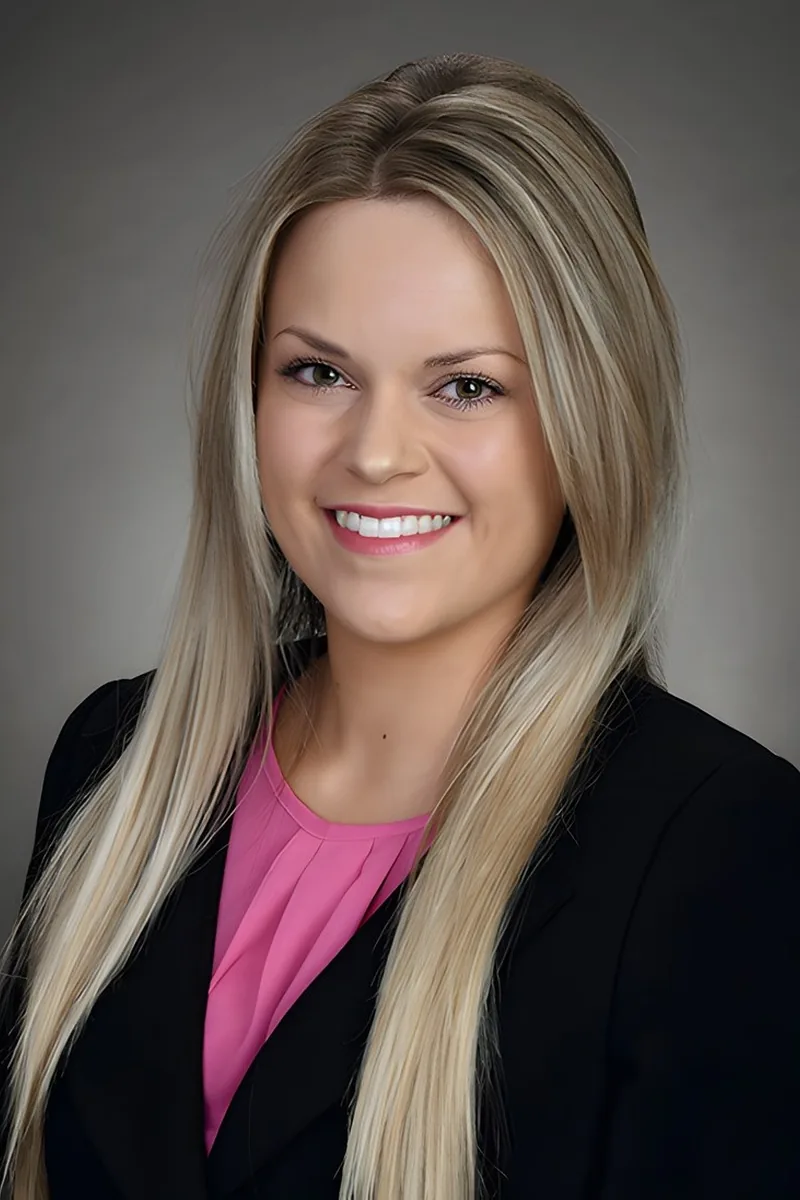
Cadaver lab instructor, organic chemistry TA, neuroscience educator for middle schoolers — Elise's teaching history is unusually hands-on, and that shows when she tackles cell biology topics like membrane dynamics or organelle structure where students need to visualize what's actually happening rather than just read about it. Her M.D. from Creighton and biomedical sciences degree mean she learned these cellular mechanisms in the context of real pathology, so she can explain why a lysosomal storage disorder matters when teaching lysosome function. Rated 4.9 by students.
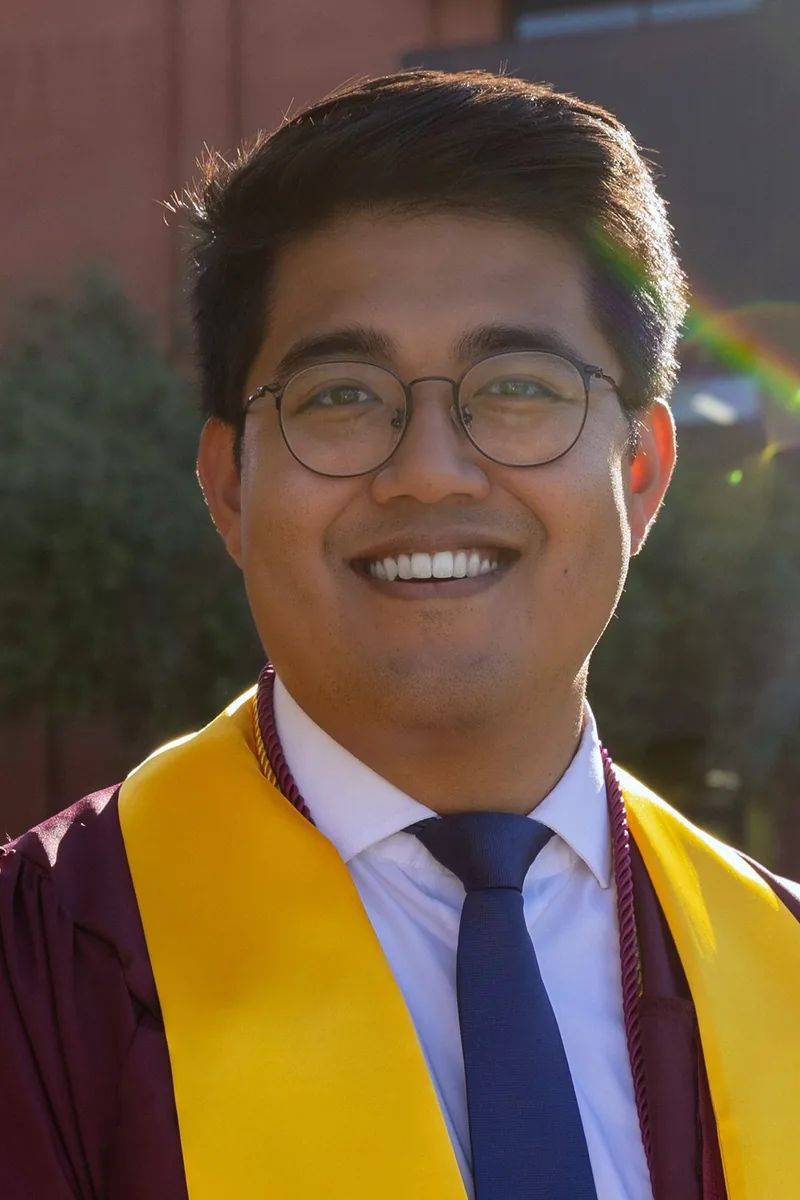
Membrane transport, mitosis, signal transduction — cell biology asks students to think about invisible processes at a scale that's hard to visualize. Gordon studied biological sciences at ASU with coursework in cell biology, and he breaks down concepts like the endomembrane system and ATP synthesis by connecting each organelle's function to the bigger picture of how cells maintain homeostasis.
Claire's honors thesis at ASU investigated hormonal regulation in black widow spiders, which meant living inside topics like signal transduction, membrane transport, and cell cycle control for months. That research-level depth shows up when she teaches cell biology — she can explain why a process works, not just label its parts. She currently tutors first- and second-year medical students in related coursework at Midwestern University.
Kylianne is completing a Molecular and Cellular Biology degree at the University of Arizona, so cell biology isn't a subject she studied once and moved on from — it's the core of her academic life. She digs into topics like organelle function, membrane transport, the cell cycle, and signal transduction with the depth that comes from coursework built around these systems. Students get someone who can explain the difference between endocytosis and exocytosis without defaulting to "just memorize it."
From mitosis and meiosis to membrane transport and signal transduction, Saloni digs into cellular processes with the depth her own biology degree and dental training demanded. She teaches students to trace a pathway step by step — understanding why each protein or organelle matters — so exam questions feel like logical puzzles instead of memorization marathons.
Duke's Cell and Molecular Biology concentration meant Emily spent semesters dissecting processes like intracellular signaling, gene regulation, and protein sorting at a level most undergrad bio majors never reach — and her current Columbia medical training keeps reinforcing those details in clinical contexts. She teaches the "why" behind each cellular mechanism, connecting how a lysosome's acidic environment or the rough ER's ribosome-studded surface directly explains what that organelle accomplishes. Rated 5.0 by students.
Earning a biology degree with distinction from Duke meant Lenique spent serious time inside the cell — membrane transport, mitotic checkpoints, signal transduction, organelle function. She unpacks these molecular-level processes by connecting structure to function, so students understand not just what a ribosome does but why its architecture makes that job possible.
A master's in Medical Microbiology means Albina studied cells from the perspective of infection — how pathogens hijack endocytic pathways, exploit membrane proteins, and manipulate host cell machinery to survive. That angle is especially useful for teaching topics like membrane dynamics, intracellular transport, and cell defense mechanisms, because she can ground each concept in a concrete biological scenario rather than an abstract diagram.
A PhD and a molecular biology degree mean Andrew has spent years thinking about what happens inside cells at the level of gene regulation, protein synthesis, and intracellular signaling — not as abstract diagrams but as interconnected molecular events. He unpacks topics like the endomembrane system or DNA replication by grounding each step in the underlying chemistry, which makes exam questions feel like puzzles rather than memory tests. Rated 4.8 by students.
Membrane transport, mitosis, signal transduction — cell biology is the foundation Janet built on throughout medical school, and she still thinks in terms of cellular mechanisms when studying disease. She unpacks each process visually, walking through what's happening at the organelle level so students can reason through exam questions instead of relying on rote recall.
Leah earned her degree in molecular and cellular biology from Johns Hopkins and went on to physician assistant training, which means she's studied cell biology from both the research bench and the clinical side. She digs into topics like the cell cycle, membrane transport, and organelle function by connecting structure to purpose — why a mitochondrion looks the way it does matters for understanding what it actually does. That dual perspective makes dense material click faster.
A master's degree in chemistry gives Madhura an unusual edge in cell biology: she explains processes like the electron transport chain, enzyme kinetics, and membrane transport at the molecular level, not just as labeled diagrams to memorize. Students come away understanding why a proton gradient drives ATP synthesis or how signal transduction actually propagates through a cell.
Understanding cell biology means keeping dozens of organelles, pathways, and membrane dynamics straight while also seeing how they interact as a system. Katelyn's molecular biology and genetics background lets her connect topics like the endomembrane system, mitosis, and signal transduction into a coherent story rather than a list of disconnected facts. She's particularly effective at teaching students to interpret diagrams and experimental results, not just label structures.
Studying plant biology at the graduate level means living inside cell biology — membrane transport, organelle function, signal transduction, and the cell cycle all become daily working knowledge. Dan teaches these processes as interconnected systems rather than isolated diagrams, which is especially useful for students preparing for upper-level or pre-med coursework.
From membrane transport to mitotic checkpoints, cell biology requires holding dozens of interconnected processes in your head simultaneously. Courage's biological sciences degree gave him deep familiarity with organelle function, signal transduction, and gene expression — and he teaches students to map these pathways visually so the connections become intuitive.
Maxwell literally studies cells for a living — his research at Yale examines stem cell behavior and gene expression in planarian organisms. That hands-on lab experience means he can unpack topics like membrane transport, the cell cycle, and signal transduction pathways with real experimental examples rather than textbook diagrams alone.
Testimonials
Because the right Cell Biology tutor makes all the difference.
Average Session Rating – Based on 3.4M Learner Ratings
Other Scottsdale Tutors
Related Science Tutors in Scottsdale
Frequently Asked Questions
Varsity Tutors matches Scottsdale students with expert Cell Biology tutors for 1-on-1 instruction. We pair each student with a tutor based on their specific needs, learning style, and goals.
Whether you need homework help, exam prep, or want to get ahead, our Cell Biology tutors are ready to help.
Common challenges include gaps from earlier material, difficulty with specific concepts, and trouble applying learning to new problems. These issues can snowball quickly in Cell Biology.
A tutor identifies where you're stuck, fills in gaps, and provides targeted practice. The 1-on-1 format means you get help exactly where you need it.
Tutors work with your student's actual coursework—homework assignments, class notes, and upcoming tests. This keeps tutoring directly relevant to what's happening in the classroom.
When you share information about your student's school and curriculum, we can match you with a tutor who has relevant experience.
All tutors complete background checks, credential verification, and teaching evaluation. Many of our Cell Biology tutors hold advanced degrees or have years of teaching experience.
You can review tutor profiles to find someone with the right background for your student's level and needs.
Many students see improved grades within a few weeks, along with better understanding of Cell Biology concepts and more confidence tackling challenging material.
Tutors track progress and adjust their approach to ensure continued improvement.
Most students benefit from 1-2 sessions per week. More frequent sessions help if your student is significantly behind or has an important exam coming up.
Your tutor can recommend a schedule based on your student's specific situation and goals.
Tutoring is purchased in packages of hours, with rates varying by tutor experience. Varsity Tutors offers several options to fit different budgets and needs.
You can discuss pricing during your consultation to find what works best.
Your tutor will assess where your student is, discuss goals, and start working on priority areas. Most students bring current homework or upcoming test material to focus on.
By the end, you'll have a clear sense of how the tutor can help and a plan for moving forward.
Let’s find your perfect tutor
Answer a few quick questions. We’ll recommend the right plan and match you with a top 5% tutor.