Award-Winning Cell Biology Tutors
serving Gilbert, AZ
Cell Biology
Tutors in Gilbert
Private 1-on-1 tutoring, weekly live classes for academic support, test prep & enrichment, practice tests and diagnostics, and more to elevate grades and test scores.
Based on 3.4M Learner Ratings
UniversitiesSchools & Universities
DeliveredHours Delivered
ProficiencyGrowth in Proficiency
Who needs tutoring?
No obligation. Takes ~1 minute.
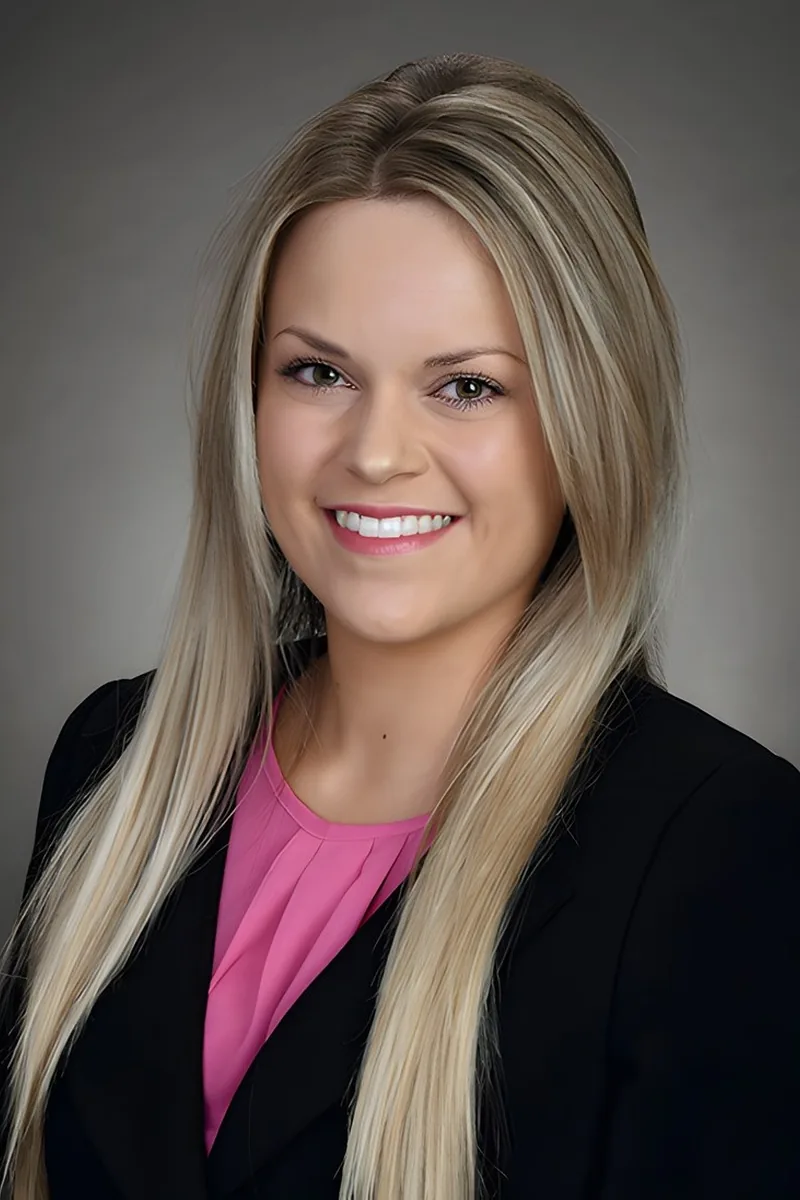
Cadaver lab instructor, organic chemistry TA, neuroscience educator for middle schoolers — Elise's teaching history is unusually hands-on, and that shows when she tackles cell biology topics like membrane dynamics or organelle structure where students need to visualize what's actually happening rather than just read about it. Her M.D. from Creighton and biomedical sciences degree mean she learned these cellular mechanisms in the context of real pathology, so she can explain why a lysosomal storage disorder matters when teaching lysosome function. Rated 4.9 by students.
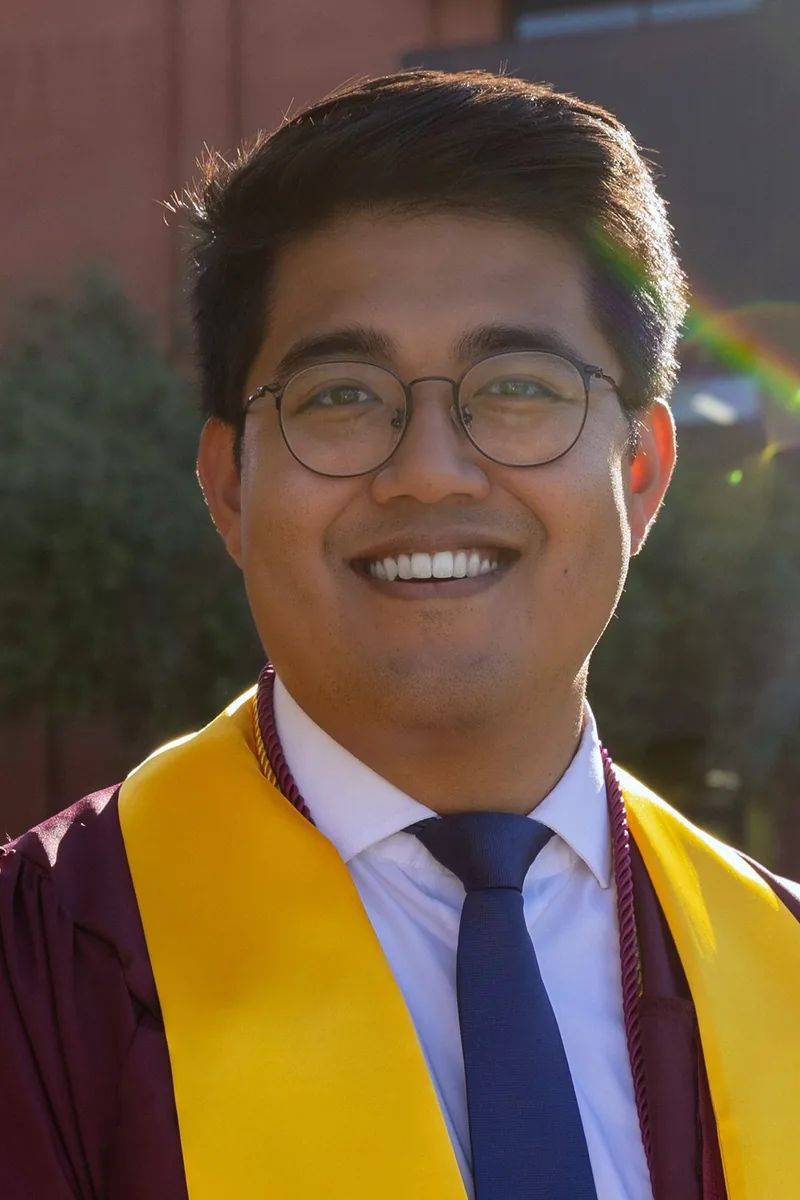
Membrane transport, mitosis, signal transduction — cell biology asks students to think about invisible processes at a scale that's hard to visualize. Gordon studied biological sciences at ASU with coursework in cell biology, and he breaks down concepts like the endomembrane system and ATP synthesis by connecting each organelle's function to the bigger picture of how cells maintain homeostasis.
Claire's honors thesis at ASU investigated hormonal regulation in black widow spiders, which meant living inside topics like signal transduction, membrane transport, and cell cycle control for months. That research-level depth shows up when she teaches cell biology — she can explain why a process works, not just label its parts. She currently tutors first- and second-year medical students in related coursework at Midwestern University.
Kylianne is completing a Molecular and Cellular Biology degree at the University of Arizona, so cell biology isn't a subject she studied once and moved on from — it's the core of her academic life. She digs into topics like organelle function, membrane transport, the cell cycle, and signal transduction with the depth that comes from coursework built around these systems. Students get someone who can explain the difference between endocytosis and exocytosis without defaulting to "just memorize it."
Membrane transport, the cell cycle, and signal transduction cascades are the backbone of cell biology — and they're exactly what Rithi studied in depth during her neuroscience and biotechnology training. Now a medical student at Robert Wood Johnson, she teaches these processes by linking molecular details to bigger physiological outcomes, which makes dense pathway diagrams far easier to retain.
Membrane transport, the cell cycle, signal transduction — cell biology is dense with interconnected processes that reward understanding over rote memorization. Daniel studied these pathways extensively during his biology degree at Wheaton College and again at a deeper level in medical school at Penn. He unpacks each mechanism by tracing molecules step by step, so students can reconstruct pathways from logic rather than flashcards.
Studying neurobiology at Penn means Emily lives inside cell biology — membrane transport, signal transduction, organelle function, and the molecular machinery that keeps cells alive. She unpacks dense topics like the endomembrane system and mitochondrial ATP synthesis by walking through each step visually rather than expecting students to memorize flowcharts. That hands-on familiarity with the material makes a real difference.
As a medical student at the University of Michigan, Ruth deals with cellular processes daily — membrane transport, mitosis, signal transduction, and organelle function are concepts she doesn't just teach but actively uses. She connects cell biology topics to real clinical scenarios, which makes abstract diagrams of the endomembrane system or the cell cycle feel concrete and memorable.
From the cell cycle to membrane transport to organelle function, cell biology demands that students hold dozens of interconnected processes in their heads at once. Kruti's genetics and genomics concentration at Northwestern meant she spent years tracing how signals move through and between cells — and her medical training layered on the clinical relevance of when those processes go wrong. She unpacks each pathway visually so students can reconstruct it on an exam without rote memorization.
Chemical engineering coursework at the graduate level means Madeline has worked through cellular processes like membrane transport and metabolic pathway regulation with a quantitative rigor that most biology-only students never encounter. She teaches cell biology by connecting the engineering principles — mass balance, thermodynamics, reaction kinetics — to what's actually happening inside a cell, which gives students a framework for reasoning through unfamiliar exam questions instead of relying on memorization. Rated 5.0 by students.
Understanding cell biology means keeping dozens of interconnected processes straight — membrane transport, the cell cycle, signal transduction, organelle function. Mona's pharmaceutical sciences background required deep fluency in how cells behave at the molecular level, especially how drugs interact with receptors and cross membranes. She breaks those pathways into logical sequences that are far easier to retain.
Membrane transport, mitosis, signal transduction — cell biology demands that students hold dozens of interconnected processes in their heads simultaneously. Shalin's biology degree and current bioinformatics research at NYU give him a molecular-level fluency that makes it easy to unpack how organelles, pathways, and the cell cycle actually fit together.
From mitosis checkpoints to membrane transport mechanisms, cell biology demands that students hold dozens of interconnected processes in their heads at once. Marilyn's dual biology degrees and hands-on lab background mean she can walk through something like the endomembrane system or signal transduction and explain how each piece feeds into the next. She's rated 5.0 by her students.
From mitosis and meiosis to membrane transport and organelle function, cell biology is the foundation Sanjul built his entire medical education on. He teaches cellular processes using visual models that let students trace a signal from receptor to nucleus or follow a protein from ribosome to Golgi, step by step. His 5.0 rating speaks to how well that approach lands.
Earning a biology degree with distinction from Duke meant Lenique spent serious time inside the cell — membrane transport, mitotic checkpoints, signal transduction, organelle function. She unpacks these molecular-level processes by connecting structure to function, so students understand not just what a ribosome does but why its architecture makes that job possible.
From membrane transport to mitotic checkpoints, cell biology requires holding dozens of interconnected processes in your head simultaneously. Courage's biological sciences degree gave him deep familiarity with organelle function, signal transduction, and gene expression — and he teaches students to map these pathways visually so the connections become intuitive.
Testimonials
Because the right Cell Biology tutor makes all the difference.
Average Session Rating – Based on 3.4M Learner Ratings
Other Gilbert Tutors
Related Science Tutors in Gilbert
Frequently Asked Questions
Varsity Tutors matches Gilbert students with expert Cell Biology tutors for 1-on-1 instruction. We pair each student with a tutor based on their specific needs, learning style, and goals.
Whether you need homework help, exam prep, or want to get ahead, our Cell Biology tutors are ready to help.
Common challenges include gaps from earlier material, difficulty with specific concepts, and trouble applying learning to new problems. These issues can snowball quickly in Cell Biology.
A tutor identifies where you're stuck, fills in gaps, and provides targeted practice. The 1-on-1 format means you get help exactly where you need it.
Tutors work with your student's actual coursework—homework assignments, class notes, and upcoming tests. This keeps tutoring directly relevant to what's happening in the classroom.
When you share information about your student's school and curriculum, we can match you with a tutor who has relevant experience.
All tutors complete background checks, credential verification, and teaching evaluation. Many of our Cell Biology tutors hold advanced degrees or have years of teaching experience.
You can review tutor profiles to find someone with the right background for your student's level and needs.
Many students see improved grades within a few weeks, along with better understanding of Cell Biology concepts and more confidence tackling challenging material.
Tutors track progress and adjust their approach to ensure continued improvement.
Most students benefit from 1-2 sessions per week. More frequent sessions help if your student is significantly behind or has an important exam coming up.
Your tutor can recommend a schedule based on your student's specific situation and goals.
Tutoring is purchased in packages of hours, with rates varying by tutor experience. Varsity Tutors offers several options to fit different budgets and needs.
You can discuss pricing during your consultation to find what works best.
Your tutor will assess where your student is, discuss goals, and start working on priority areas. Most students bring current homework or upcoming test material to focus on.
By the end, you'll have a clear sense of how the tutor can help and a plan for moving forward.
Let’s find your perfect tutor
Answer a few quick questions. We’ll recommend the right plan and match you with a top 5% tutor.