Award-Winning College Chemistry Tutors
serving Chandler, AZ
College Chemistry
Tutors in Chandler
Private 1-on-1 tutoring, weekly live classes for academic support, test prep & enrichment, practice tests and diagnostics, and more to elevate grades and test scores.
Based on 3.4M Learner Ratings
UniversitiesSchools & Universities
DeliveredHours Delivered
ProficiencyGrowth in Proficiency
Who needs tutoring?
No obligation. Takes ~1 minute.
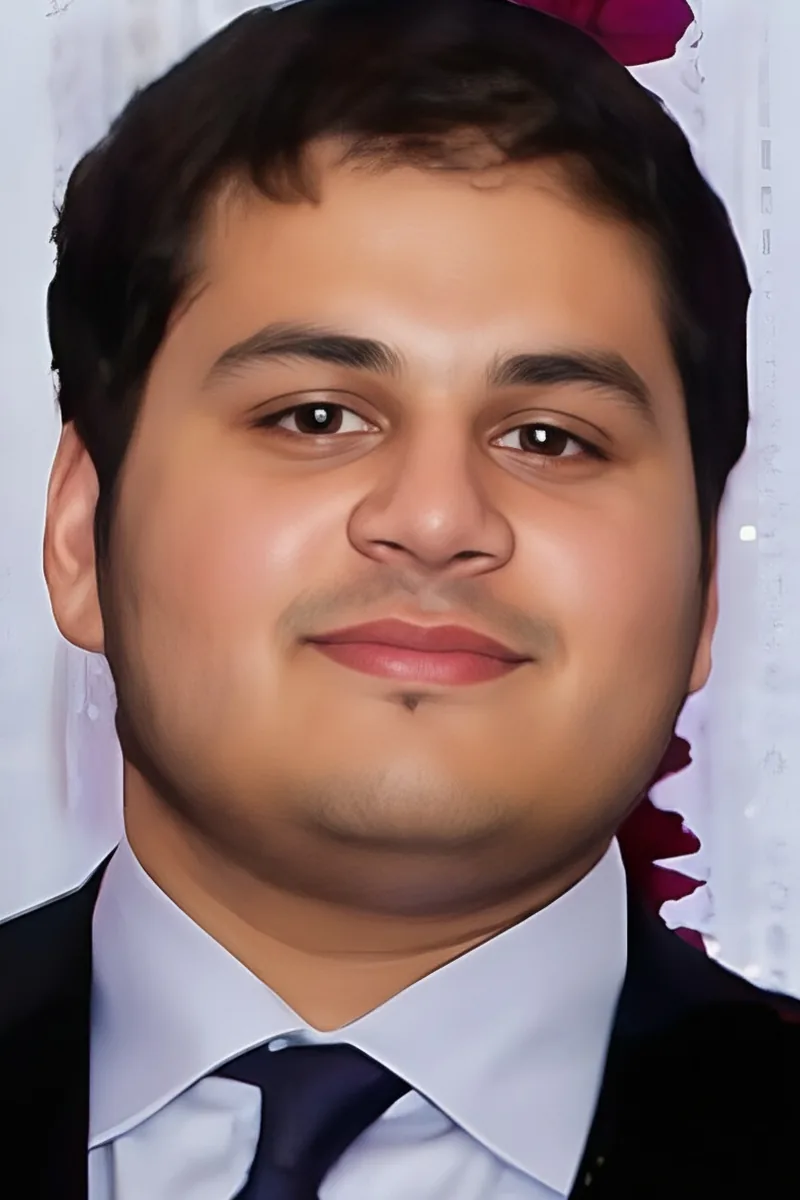
Working through gen chem at ASU's tutoring center gave Musa a clear picture of where college students consistently stumble — electronegativity trends that seem arbitrary, molarity calculations that fall apart at the unit-conversion step, or gas law problems where variables get tangled. His biological sciences coursework means he's also seen how these foundational chemistry concepts feed directly into biochemistry and physiology, so he teaches each topic with that bigger picture in mind. Rated 5.0 by students.
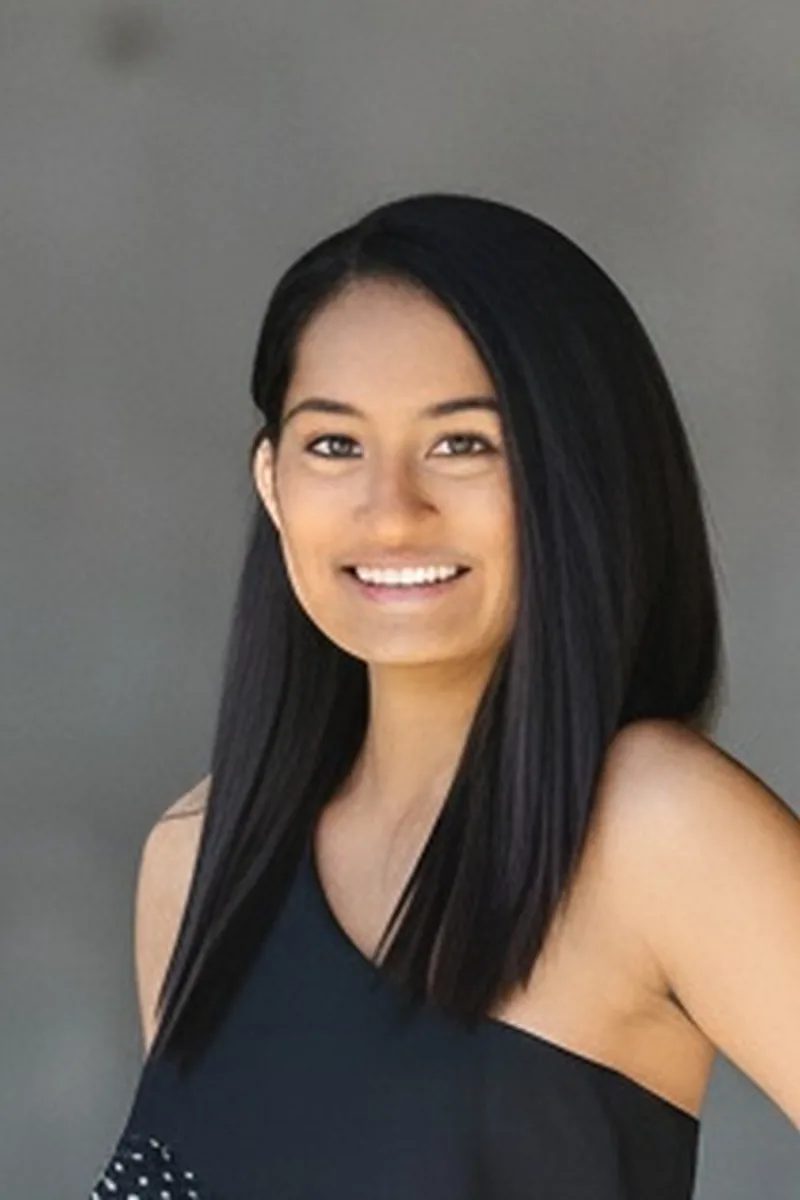
Biomedical engineering coursework at Arizona State put Ekta through college chemistry with an engineer's demand for precision — thermochemistry calculations, equilibrium constants, and gas law derivations all had to hold up in applied contexts like biomaterials and transport phenomena. She breaks multi-step problems into discrete, manageable pieces, isolating whether the hangup is conceptual or computational before moving forward. Rated 4.9 by students.
Dental school entrance exams and a microbiology degree meant Daniel had to master gen chem twice — once as an undergrad learning the fundamentals, and again at a higher level when topics like acid-base chemistry, solution concentration, and molecular interactions became the foundation for clinical science. That repetition gives him a sharp sense of which concepts students need to truly internalize versus which ones they can reference, and he teaches accordingly — spending more time on the reasoning behind equilibrium and bonding than on memorizing formulas that won't stick.
Four years as a Military Police Officer in the Arizona Army National Guard built the kind of disciplined, systematic thinking that translates surprisingly well to tackling college chemistry's calculation-heavy problem sets — balancing equations, tracking units through stoichiometry, and working through gas law algebra all reward precision over guesswork. Rachelle graduated summa cum laude from Arizona State, and her philosophy training sharpened her ability to break complex arguments into logical steps, which she applies to walking students through multi-concept problems where the reasoning matters as much as the arithmetic.
I have over two years of tutoring and teaching experience at Case Western Reserve University. I served as a Supplemental Instructor for ENGR 145 (Chemistry of Materials), where I created worksheets, led review sessions, and helped students develop strong conceptual foundations. I later worked as a Teaching Assistant for ENGR 210 (Circuits and Instrumentation), grading assignments and assisting students with hands-on circuit building and lab work. As a Biomedical Engineering major on the pre-med track, I specialize in tutoring pre-health and engineering courses, including General and Physical Chemistry, Math, Biology, Physics, and Anatomy and Physiology. I also provide MCAT preparation in the B/B, C/P, and P/S sections. My teaching approach focuses on clear explanations, active problem-solving, and adapting to each student's learning style. I strive to make challenging material approachable while helping students build confidence and independent learning skills.
Having taught college-level science courses and tutored across biology, organic chemistry, and math, Amanda knows how gen chem fits into the bigger STEM picture — she can show a pre-med student why electron orbitals matter for organic mechanisms, or why equilibrium concepts reappear in physiology. Her dual background in anthropology and biology gives her an unusual knack for translating abstract ideas like atomic theory and thermochemistry into concrete, intuitive language. Rated 4.9 by students.
Hello! I am an Arizona State University graduate with a Bachelors of Science in Biological Science. My academic background is grounded in both technical problem-solving and a deep curiosity about how systems, whether digital or human, function. Outside the classroom, I've had the opportunity to work with students across a range of ages and abilities, from mentoring engineering and premed undergraduates at ASU to tutoring high schoolers in SAT/ACT prep, as well as K-12 students through Teach for America. I am comfortable with a range of subjects and am willing to work to meet your needs. Below are some of courses I have successfully tutored for in the past. K12 Subjects Elementary School (K5) Math (Basic Arithmetic, Word Problems) Reading & Phonics Writing & Grammar Science Social Studies Study & Organization Skills Middle School (68) Pre-Algebra Algebra I General Science (Life, Earth, Physical) English Language Arts (Reading, Writing) U.S. History & World History Intro to Coding / Computer Science High School (912) Algebra I & II Geometry Trigonometry Pre-Calculus Calculus AB/BC Biology (General, Honors) Chemistry (General, Honors) Physics (Conceptual, Algebra-Based) English Literature & Composition Essay Writing & Editing U.S. History & World History Psychology Economics & Government Health / Human Development Ethics / Philosophy Study Skills / Test Prep Standardized Test Prep SAT: Math, Reading, Writing & Language, Essay ACT: Math, Science, English, Reading, Essay PSAT MCAT (Content review & strategy) TOEFL / ESL (Certified ESL experience) AP Subjects AP Biology AP Chemistry AP Physics 1 AP Environmental Science AP Calculus AB AP Statistics AP English Language and Composition AP English Literature and Composition AP Psychology AP U.S. History AP World History AP U.S. Government & Politics AP Human Geography AP Macroeconomics / Microeconomics AP Computer Science Principles AP Seminar / Research College-Level Subjects STEM & Premed General Biology I & II Cell Biology Genetics Human Anatomy & Physiology General Chemistry I & II Organic Chemistry I & II Biochemistry Physics I & II (Algebra-Based) Calculus I & II Statistics (Introductory / Biostats) Humanities & Social Sciences Intro to Psychology Intro to Sociology Scientific Writing & Critical Thinking Medical Ethics Bioethics Philosophy of Science / Biology Research Writing & Academic Essays Business & Economics Intro to Macroeconomics Intro to Microeconomics Principles of Finance Financial Literacy / Budgeting Basics
Organic chemistry was Sebastian's toughest course in his pre-med program at Arizona State — which means he first had to master the gen chem foundations (electron behavior, bonding theory, reaction energetics) well enough to build on them at the next level. He's spent the past year tutoring general chemistry and organic chemistry through the university, and that combination gives him a sharp sense of which college chemistry concepts — like molecular geometry or acid-base trends — will trip students up again later if they're only half-understood now.
Graduating summa cum laude with a 4.0 in Biochemistry from Arizona State's Honors College means Hritik didn't just survive gen chem — he mastered it well enough to build an entire major on top of it, from organic mechanisms to enzyme kinetics. He tackles topics like electron configurations, equilibrium expressions, and acid-base titrations by connecting each one back to the bigger molecular picture, so students see how individual chapters feed into each other rather than treating every exam as a fresh start.
Geological sciences training at Ohio University meant Paul spent years applying gen chem principles — crystal chemistry, mineral thermodynamics, aqueous geochemistry — in contexts where getting the chemistry wrong meant misidentifying an entire rock formation. That real-world pressure gives him a concrete way to teach topics like solution equilibria, bonding, and reaction energetics: he ties abstract concepts to physical systems students can actually picture.
Surviving organic chemistry and biochemistry on the road to medical school gave Hanna firsthand knowledge of what college chemistry actually demands — from reaction mechanisms to thermodynamics to lab technique. She breaks complex multi-step problems into smaller, logical pieces, which is especially useful when students are staring down a synthesis pathway or a tricky equilibrium calculation. Rated 5.0 across her sessions.
A genetics PhD means Cameron has spent years working at the molecular level — where understanding chemical bonding, reaction energetics, and solution behavior isn't optional but essential for making sense of everything from DNA replication to protein folding. That deep, applied chemistry background translates into a knack for explaining gen chem topics like atomic structure, intermolecular forces, and equilibrium in ways that make the underlying logic stick rather than evaporate after the exam.
Organic mechanisms, thermodynamic calculations, and quantum mechanical models make college chemistry a different animal from the high school version. Charles's biochemistry degree at Arizona State means he's worked through these topics at an advanced level, and he explains electron-pushing and reaction energetics in ways that build genuine understanding.
Working as a civil engineer means Alina uses chemistry principles daily that most students only see in a textbook — gas behavior in material testing, solution concentrations in concrete mix design, corrosion reactions in structural analysis. She teaches gen chem topics like stoichiometry, molarity, and reaction types by grounding them in tangible applications, which makes the abstract feel less arbitrary. Rated 5.0 by students.
Mechanical engineering at the undergraduate level means Daniel didn't just take gen chem — he immediately had to apply concepts like thermochemistry, gas behavior, and bond energetics in engineering coursework where getting the chemistry wrong meant the physics fell apart too. That cross-disciplinary pressure gives him a practical read on which gen chem topics actually need deep understanding versus which ones just need clean problem-solving technique, so he can tailor his approach to what's actually tripping a student up.
Organic mechanisms, thermodynamics, and reaction kinetics demand a level of precision that can overwhelm students used to introductory courses. Pooja draws on her university-level biology and biochemistry knowledge to connect chemical principles to biological systems, which is especially useful for pre-med and life-science students navigating general or organic chemistry sequences.
General chemistry at the college level moves fast through equilibrium, thermodynamics, and electrochemistry, and professors rarely slow down for students still shaky on earlier material. Yuxuan held review sessions for underclassmen at UC Berkeley covering exactly these topics, and he co-taught a lab section where he walked students through titration calculations and spectroscopic analysis in real time. His 4.9 rating speaks to how well that hands-on experience translates to one-on-one sessions.
A pure mathematics major at Rice, Aaron brings unusual comfort with the quantitative backbone of gen chem — the logarithmic pH calculations, equilibrium constant algebra, and unit conversions that trip up students who didn't expect so much math in a chemistry course. He also cleared AP Chemistry with enough depth to teach the conceptual side, connecting ideas like electron configuration and periodic trends to the calculations they drive. Rated 4.9 by students.
Between organic chemistry, microbiology, and DAT prep, Paul has cycled back through gen chem concepts like molecular structure, reaction mechanisms, and acid-base chemistry enough times to know which ideas students actually need to internalize versus which ones they're over-studying. His biology degree grounds his teaching in the life-science applications that make topics like electronegativity and intermolecular forces stick for pre-med and pre-health students. Rated 5.0 by students.
Cognitive Studies at Vanderbilt gave Vy an unusual angle on college chemistry — she understands how students actually learn and retain dense, concept-heavy material like electron configurations, equilibrium shifts, and thermodynamic laws, not just the content itself. She uses that awareness to structure explanations around how the brain organizes new information, which makes a real difference when a student is drowning in a fast-paced gen chem course. Holds a 5.0 rating.
Medical school demands fluency in chemistry that goes well beyond introductory courses, and Abrahim brings that depth to college-level topics like thermodynamics, kinetics, and electrochemistry. He diagnoses conceptual gaps fast — if a student can balance an equation but can't explain why a reaction is spontaneous, that's exactly where the session will dig in.
Between equilibrium expressions, thermodynamic calculations, and orbital theory, college chemistry demands a level of abstraction that introductory courses don't always prepare students for. Amber digs into the quantitative backbone of these topics, connecting the math to the molecular-level reasoning so that concepts like Gibbs free energy or rate law derivations make sense rather than just get memorized. Her breadth across chemistry and advanced math gives her a rare versatility in tackling problem sets.
Leading weekly peer mentor sessions for General Chemistry at WashU means Sarah doesn't just know college chemistry — she's actively teaching it, walking small groups through problem sets on equilibria, stoichiometry, and solution chemistry every week. That hands-on repetition sharpens her ability to spot exactly where a concept falls apart for each student and rebuild understanding from that point. Rated 5.0 by students.
Working in a research lab at UTHealth, Emily applies gen chem principles like reaction kinetics, buffer systems, and molecular interactions at the bench every day — which means she can show students what these concepts look like beyond the textbook problem set. Her biochemistry and cell biology degree built the content depth, and active research keeps it sharp, especially for topics like solution chemistry and thermodynamics where real-world context makes the logic easier to hold onto.
MIT's general chemistry sequence is notoriously fast — Vania not only survived it but tutored other students through it via the university's Seminar XL and Tutorial Services Room programs, where she got fluent in the exact places students stall out on topics like thermochemistry, equilibrium, and electron configuration. Her mechanical engineering training means she thinks about chemistry problems quantitatively, tracing how molecular-level behavior connects to the math rather than treating equations and concepts as separate tasks. Rated 5.0 by students.
Neuroscience at Vanderbilt means Blake has been neck-deep in college chemistry — gen chem concepts like molecular bonding, reaction energetics, and acid-base systems are the scaffolding for everything from neuropharmacology to membrane biophysics. His approach leans on building intuition for why a reaction behaves the way it does, drawing on his interest in how people actually learn and retain complex material. Rated 5.0 by students.
Between AP Chemistry, organic chemistry, and inorganic chemistry, Rebecca has covered college-level chemical concepts from multiple angles — but it's her biology background that shapes how she teaches gen chem topics like electron configurations, bonding, and solution chemistry, always tying them back to the biological systems where students will encounter them again. She's especially sharp at bridging the gap between memorizing periodic trends and actually using them to predict reactivity or molecular behavior. Rated 5.0 by students.
Biochemistry and cell biology coursework at the undergraduate level, followed by Duke medical school, means Tammy has run the full gauntlet of college chemistry — from gen chem fundamentals like electron configurations and VSEPR theory through the organic and biochemical applications that make those foundations matter. She teaches the early material with an eye toward what's coming next, so students aren't just surviving gen chem but actually building fluency they'll use in later courses. Rated 5.0 by students.
Fourth-year med student at Albert Einstein College of Medicine, Michael has been applying gen chem principles — acid-base chemistry, reaction thermodynamics, solution behavior — in clinical and biochemical contexts for years, which means he can explain not just how to solve a problem but where that concept resurfaces later. His biology degree from Yeshiva College (summa cum laude) and time teaching MCAT prep for Kaplan gave him practice breaking down the exact topics that trip up college chemistry students: stoichiometry setups, equilibrium expressions, and the leap from qualitative reasoning to quantitative problem-solving.
First-year med students don't forget what tripped them up in gen chem — and Nishad, currently at Sidney Kimmel Medical College at Thomas Jefferson University, uses that recent memory to zero in on the conceptual breaks that derail students in topics like electron configuration, chemical bonding, and equilibrium. His premed background means he's taken college chemistry with the same stakes his students face, and he teaches it by connecting the molecular-level reasoning to the calculations so neither piece feels like it's floating on its own.
Though political science was her major at the University of Chicago, Asta's tutoring work across both chemistry and quantitative subjects means she's spent real time breaking down the conceptual hurdles in gen chem — balancing equations, working through mole conversions, and making sense of reaction types. Her 5.0 rating speaks to an approach that's honest about meeting the material on its own terms rather than pretending expertise she doesn't have, which students in a tough prerequisite course tend to trust more, not less.
Testimonials
Because the right College Chemistry tutor makes all the difference.
Average Session Rating – Based on 3.4M Learner Ratings
Other Chandler Tutors
Related Science Tutors in Chandler
Frequently Asked Questions
Varsity Tutors matches Chandler students with expert College Chemistry tutors for 1-on-1 instruction. We pair each student with a tutor based on their specific needs, learning style, and goals.
Whether you need homework help, exam prep, or want to get ahead, our College Chemistry tutors are ready to help.
Common challenges include gaps from earlier material, difficulty with specific concepts, and trouble applying learning to new problems. These issues can snowball quickly in College Chemistry.
A tutor identifies where you're stuck, fills in gaps, and provides targeted practice. The 1-on-1 format means you get help exactly where you need it.
Tutors work with your student's actual coursework—homework assignments, class notes, and upcoming tests. This keeps tutoring directly relevant to what's happening in the classroom.
When you share information about your student's school and curriculum, we can match you with a tutor who has relevant experience.
All tutors complete background checks, credential verification, and teaching evaluation. Many of our College Chemistry tutors hold advanced degrees or have years of teaching experience.
You can review tutor profiles to find someone with the right background for your student's level and needs.
Many students see improved grades within a few weeks, along with better understanding of College Chemistry concepts and more confidence tackling challenging material.
Tutors track progress and adjust their approach to ensure continued improvement.
Most students benefit from 1-2 sessions per week. More frequent sessions help if your student is significantly behind or has an important exam coming up.
Your tutor can recommend a schedule based on your student's specific situation and goals.
Tutoring is purchased in packages of hours, with rates varying by tutor experience. Varsity Tutors offers several options to fit different budgets and needs.
You can discuss pricing during your consultation to find what works best.
Your tutor will assess where your student is, discuss goals, and start working on priority areas. Most students bring current homework or upcoming test material to focus on.
By the end, you'll have a clear sense of how the tutor can help and a plan for moving forward.
Let’s find your perfect tutor
Answer a few quick questions. We’ll recommend the right plan and match you with a top 5% tutor.