Award-Winning Elementary School Reading Tutors
serving Chandler, AZ
Elementary School Reading
Tutors in Chandler
Private 1-on-1 tutoring, weekly live classes for academic support, test prep & enrichment, practice tests and diagnostics, and more to elevate grades and test scores.
Based on 3.4M Learner Ratings
UniversitiesSchools & Universities
DeliveredHours Delivered
ProficiencyGrowth in Proficiency
Who needs tutoring?
No obligation. Takes ~1 minute.

Early reading skills like phonics, sight-word recognition, and fluency need consistent, patient reinforcement. Troy uses a structured approach that builds from letter sounds to full sentences, adjusting the pace based on each child's progress. He started tutoring friends and family before going professional at Rice University, so working one-on-one with younger learners comes naturally to him.
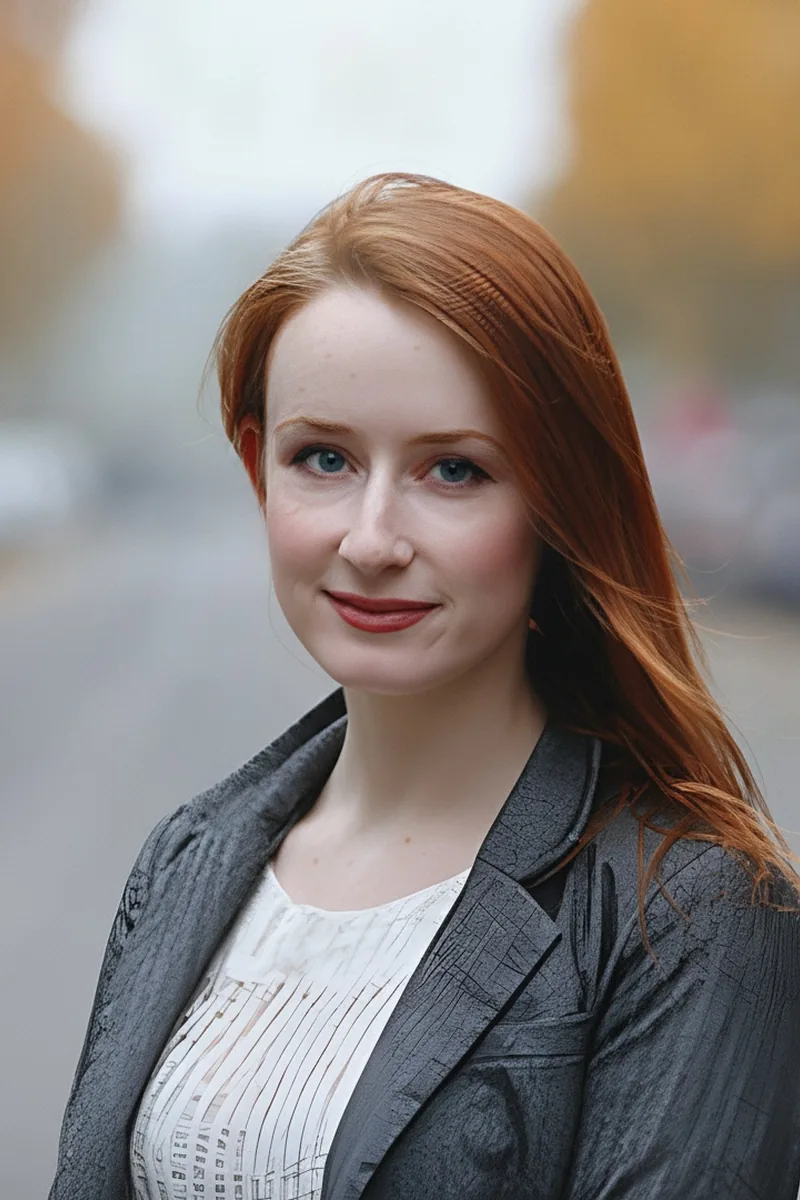
Early reading confidence comes from decoding strategies that actually stick — sounding out unfamiliar words, using context clues, and retelling what just happened on the page. Annelisa brings a creative, encouraging approach to these fundamentals, drawing on her background in art and writing to keep young readers engaged with the material rather than frustrated by it.
Getting a young child excited about reading is half the battle — the other half is building the phonics, fluency, and vocabulary skills that let them read independently. Megan taught pre-K through elementary students at a Kumon Reading Center for three years, walking kids through everything from letter recognition to early chapter books. She pairs structured skill-building with genuine enthusiasm for stories.
Early reading skills like phonics, sight words, and basic fluency set the trajectory for everything that comes later in school. Jeff adapts his teaching style to each child's pace and interests, using engaging texts and targeted practice to make reading feel like discovery rather than a chore.
As a teaching assistant for a Socratic-seminar course at Barrett Honors College, Madeleine spent semesters breaking down texts with students and building the kind of close-reading habits that start in elementary school — identifying main ideas, making predictions, and connecting stories to real life. She makes reading feel like a conversation, not a chore. Rated 5.0 by families she's worked with.
Phonics, sight words, fluency, comprehension — elementary reading involves a surprisingly complex set of interlocking skills. Janna's PhD work in developmental psychology keeps her grounded in the science of how young children actually learn to decode and make meaning from text. She's also spent years working directly with kids ages 2 through elementary school, so she knows how to keep a lesson engaging when attention spans are short.
Early readers often struggle not with the words themselves but with connecting what they decode to meaning — following a character's actions across pages, retelling a story in sequence, or making simple predictions. Maurice's special education background gives him a toolkit of multisensory strategies for building those comprehension bridges, especially for kids who need more than "just read it again."
Years of experience working with elementary-age kids taught Alexa how to make early reading feel like play rather than pressure. She builds phonics, sight-word recognition, and basic comprehension skills through interactive exercises tailored to each child's pace and interests — whether that's dinosaurs, space, or fairy tales.
Early reading confidence changes everything about how a child experiences school. Audrey zeroes in on the specific skill a student needs next — whether that's phonics patterns, sight word fluency, or retelling a story in their own words — and builds from there. Her 5.0 rating speaks to how well she connects with younger learners.
Before a child can love reading, they need to feel confident doing it — decoding unfamiliar words, tracking characters, and making sense of what a paragraph is actually saying. Mladen tackles these foundational skills one at a time, using high-interest stories to keep younger readers motivated. His psychology degree informs how he adapts pacing and encouragement to each child's reading level.
Teaching a child to decode words is one thing; teaching them to understand what they've read is another challenge entirely. Julia's phonics background and her hands-on classroom experience with elementary students mean she can pinpoint whether a reader is struggling with fluency, vocabulary, or comprehension — and address the actual gap.
Building fluency and comprehension at the elementary level is all about making reading feel rewarding rather than frustrating. Lauren uses a mix of read-aloud strategies, context clue practice, and story-mapping techniques to strengthen both decoding and understanding. She creates a low-pressure space where young readers feel comfortable sounding out unfamiliar words and asking questions.
Years of volunteering in elementary classrooms taught Gloria that reading clicks when kids connect stories to their own curiosity — whether that means predicting what happens next, sounding out tricky vowel combinations, or retelling a chapter in their own words. Her neuroscience background also gives her insight into how young brains process phonics and comprehension differently at each developmental stage. Rated 5.0 by students and families.
Early reading is as much about building confidence as it is about decoding words on a page. Adam connects phonics, sight words, and reading fluency to comprehension from the start, so students understand what they're reading — not just sounding it out. His cognitive science background gives him a unique understanding of how young brains learn to process language.
Early reading clicks when a child can connect what's on the page to what they already know. Daniel builds that bridge by teaching phonics patterns alongside comprehension strategies like predicting and retelling, keeping sessions interactive enough that younger readers stay engaged rather than frustrated.
Early reading clicks when a child connects phonics and vocabulary to stories they actually care about. Skyler's background spans multiple languages and literatures, giving her a sharp sense of how decoding, fluency, and comprehension build on each other. She makes reading practice feel less like a chore by matching books and passages to each student's interests.
Early reading is all about building the habits that make harder texts possible later — things like identifying the main idea of a passage, making predictions, and understanding new vocabulary from context clues. Paul keeps sessions interactive and encouraging, so young readers stay engaged rather than frustrated when a text gets challenging.
Early readers need someone patient enough to sit with a tricky word and turn it into a small victory. Agustin breaks phonics patterns and sight words into manageable chunks, building fluency through repetition that feels like a game rather than a chore. His experience across multiple languages gives him an intuitive sense for how young learners process sounds and letter combinations.
Early reading clicks when a child learns to connect sounds, letters, and meaning — not just decode words on a page. Pinelopi uses her psychology background from Duke to tailor phonics, vocabulary, and comprehension strategies to how each young reader actually processes information. Rated 5.0 by students and families.
Young readers build confidence when someone sits with them through the tricky parts — decoding unfamiliar words, making predictions about what happens next, and connecting a story's events to their own experiences. Alice's background as a K-12 math center instructor taught her how to match explanations to a child's level, and she brings that same patience and adaptability to reading comprehension and fluency.
Reading at the elementary level is about more than decoding words — it's building the habit of asking questions about what's on the page. Sanjana teaches young readers to identify main ideas, make predictions, and connect stories to their own experiences. She keeps sessions interactive so kids stay engaged rather than passively reading aloud.
Getting a child to love reading early changes everything that comes after. Annabel teaches phonics, sight words, and basic comprehension strategies like predicting and summarizing, turning each reading session into an active conversation about the story rather than a passive exercise.
Object-based learning — examining a picture, artifact, or illustration before diving into text — is one of the most effective ways to build reading skills in younger students. Mimi developed this technique through years of museum education work and refined it during her master's program at Harvard. She applies it to phonics, vocabulary, and comprehension so that early readers connect words to meaning, not just sound.
Building reading confidence early changes a student's entire academic trajectory. Nima works on phonics, sight words, and reading fluency with younger students, then gradually introduces comprehension questions that teach them to think about what they've just read. His warm, encouraging style — shaped by tutoring across dozens of subjects and grade levels — keeps reluctant readers engaged rather than frustrated.
Testimonials
Because the right Elementary School Reading tutor makes all the difference.
Average Session Rating – Based on 3.4M Learner Ratings
Nearby Elementary School Reading Tutors
Other Chandler Tutors
Related English Tutors in Chandler
Frequently Asked Questions
Varsity Tutors matches Chandler students with expert Elementary School Reading tutors for 1-on-1 instruction. We pair each student with a tutor based on their specific needs, learning style, and goals.
Whether you need homework help, exam prep, or want to get ahead, our Elementary School Reading tutors are ready to help.
Common challenges include gaps from earlier material, difficulty with specific concepts, and trouble applying learning to new problems. These issues can snowball quickly in Elementary School Reading.
A tutor identifies where you're stuck, fills in gaps, and provides targeted practice. The 1-on-1 format means you get help exactly where you need it.
Tutors work with your student's actual coursework—homework assignments, class notes, and upcoming tests. This keeps tutoring directly relevant to what's happening in the classroom.
When you share information about your student's school and curriculum, we can match you with a tutor who has relevant experience.
All tutors complete background checks, credential verification, and teaching evaluation. Many of our Elementary School Reading tutors hold advanced degrees or have years of teaching experience.
You can review tutor profiles to find someone with the right background for your student's level and needs.
Many students see improved grades within a few weeks, along with better understanding of Elementary School Reading concepts and more confidence tackling challenging material.
Tutors track progress and adjust their approach to ensure continued improvement.
Most students benefit from 1-2 sessions per week. More frequent sessions help if your student is significantly behind or has an important exam coming up.
Your tutor can recommend a schedule based on your student's specific situation and goals.
Tutoring is purchased in packages of hours, with rates varying by tutor experience. Varsity Tutors offers several options to fit different budgets and needs.
You can discuss pricing during your consultation to find what works best.
Your tutor will assess where your student is, discuss goals, and start working on priority areas. Most students bring current homework or upcoming test material to focus on.
By the end, you'll have a clear sense of how the tutor can help and a plan for moving forward.
Let’s find your perfect tutor
Answer a few quick questions. We’ll recommend the right plan and match you with a top 5% tutor.