Award-Winning College Chemistry Tutors
serving Tucson, AZ
College Chemistry
Tutors in Tucson
Private 1-on-1 tutoring, weekly live classes for academic support, test prep & enrichment, practice tests and diagnostics, and more to elevate grades and test scores.
Based on 3.4M Learner Ratings
UniversitiesSchools & Universities
DeliveredHours Delivered
ProficiencyGrowth in Proficiency
Who needs tutoring?
No obligation. Takes ~1 minute.
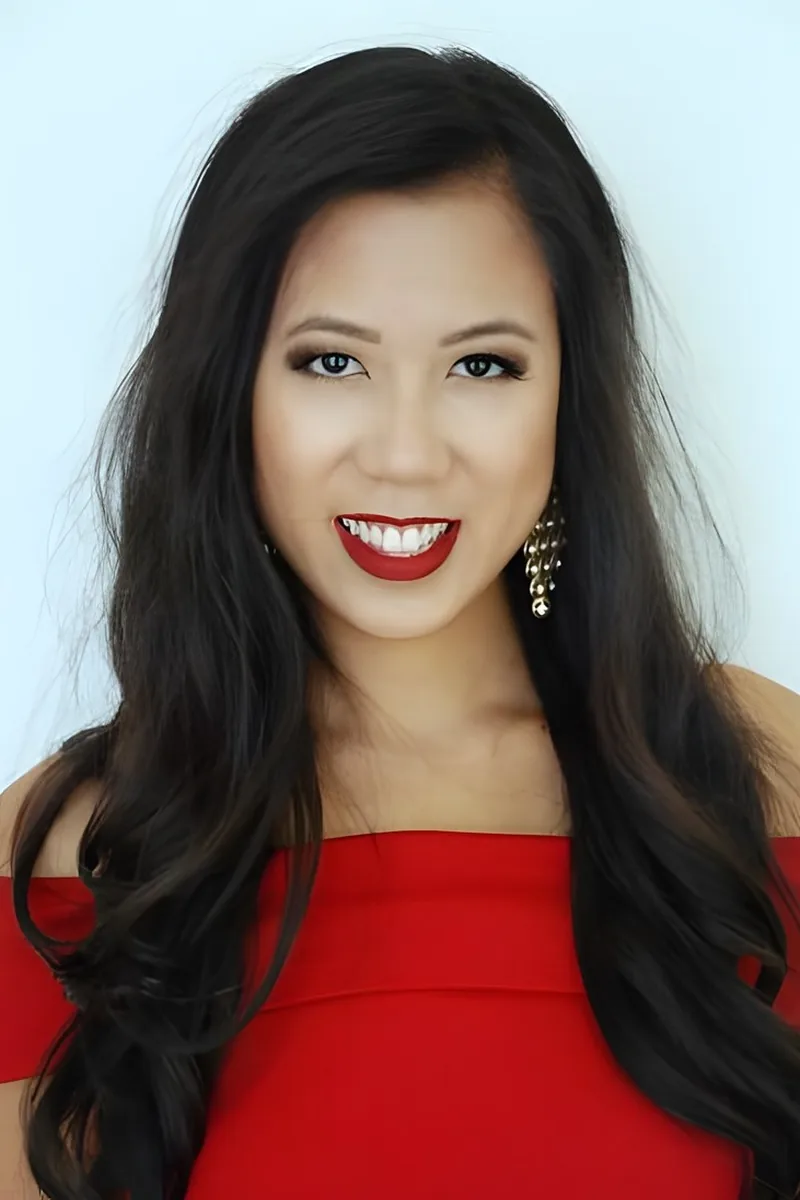
Working as a civil engineer means Alina uses chemistry principles daily that most students only see in a textbook — gas behavior in material testing, solution concentrations in concrete mix design, corrosion reactions in structural analysis. She teaches gen chem topics like stoichiometry, molarity, and reaction types by grounding them in tangible applications, which makes the abstract feel less arbitrary. Rated 5.0 by students.

Dental school entrance exams and a microbiology degree meant Daniel had to master gen chem twice — once as an undergrad learning the fundamentals, and again at a higher level when topics like acid-base chemistry, solution concentration, and molecular interactions became the foundation for clinical science. That repetition gives him a sharp sense of which concepts students need to truly internalize versus which ones they can reference, and he teaches accordingly — spending more time on the reasoning behind equilibrium and bonding than on memorizing formulas that won't stick.
Four years as a Military Police Officer in the Arizona Army National Guard built the kind of disciplined, systematic thinking that translates surprisingly well to tackling college chemistry's calculation-heavy problem sets — balancing equations, tracking units through stoichiometry, and working through gas law algebra all reward precision over guesswork. Rachelle graduated summa cum laude from Arizona State, and her philosophy training sharpened her ability to break complex arguments into logical steps, which she applies to walking students through multi-concept problems where the reasoning matters as much as the arithmetic.
I have over two years of tutoring and teaching experience at Case Western Reserve University. I served as a Supplemental Instructor for ENGR 145 (Chemistry of Materials), where I created worksheets, led review sessions, and helped students develop strong conceptual foundations. I later worked as a Teaching Assistant for ENGR 210 (Circuits and Instrumentation), grading assignments and assisting students with hands-on circuit building and lab work. As a Biomedical Engineering major on the pre-med track, I specialize in tutoring pre-health and engineering courses, including General and Physical Chemistry, Math, Biology, Physics, and Anatomy and Physiology. I also provide MCAT preparation in the B/B, C/P, and P/S sections. My teaching approach focuses on clear explanations, active problem-solving, and adapting to each student's learning style. I strive to make challenging material approachable while helping students build confidence and independent learning skills.
Hello! I am an Arizona State University graduate with a Bachelors of Science in Biological Science. My academic background is grounded in both technical problem-solving and a deep curiosity about how systems, whether digital or human, function. Outside the classroom, I've had the opportunity to work with students across a range of ages and abilities, from mentoring engineering and premed undergraduates at ASU to tutoring high schoolers in SAT/ACT prep, as well as K-12 students through Teach for America. I am comfortable with a range of subjects and am willing to work to meet your needs. Below are some of courses I have successfully tutored for in the past. K12 Subjects Elementary School (K5) Math (Basic Arithmetic, Word Problems) Reading & Phonics Writing & Grammar Science Social Studies Study & Organization Skills Middle School (68) Pre-Algebra Algebra I General Science (Life, Earth, Physical) English Language Arts (Reading, Writing) U.S. History & World History Intro to Coding / Computer Science High School (912) Algebra I & II Geometry Trigonometry Pre-Calculus Calculus AB/BC Biology (General, Honors) Chemistry (General, Honors) Physics (Conceptual, Algebra-Based) English Literature & Composition Essay Writing & Editing U.S. History & World History Psychology Economics & Government Health / Human Development Ethics / Philosophy Study Skills / Test Prep Standardized Test Prep SAT: Math, Reading, Writing & Language, Essay ACT: Math, Science, English, Reading, Essay PSAT MCAT (Content review & strategy) TOEFL / ESL (Certified ESL experience) AP Subjects AP Biology AP Chemistry AP Physics 1 AP Environmental Science AP Calculus AB AP Statistics AP English Language and Composition AP English Literature and Composition AP Psychology AP U.S. History AP World History AP U.S. Government & Politics AP Human Geography AP Macroeconomics / Microeconomics AP Computer Science Principles AP Seminar / Research College-Level Subjects STEM & Premed General Biology I & II Cell Biology Genetics Human Anatomy & Physiology General Chemistry I & II Organic Chemistry I & II Biochemistry Physics I & II (Algebra-Based) Calculus I & II Statistics (Introductory / Biostats) Humanities & Social Sciences Intro to Psychology Intro to Sociology Scientific Writing & Critical Thinking Medical Ethics Bioethics Philosophy of Science / Biology Research Writing & Academic Essays Business & Economics Intro to Macroeconomics Intro to Microeconomics Principles of Finance Financial Literacy / Budgeting Basics
Having taught college-level science courses and tutored across biology, organic chemistry, and math, Amanda knows how gen chem fits into the bigger STEM picture — she can show a pre-med student why electron orbitals matter for organic mechanisms, or why equilibrium concepts reappear in physiology. Her dual background in anthropology and biology gives her an unusual knack for translating abstract ideas like atomic theory and thermochemistry into concrete, intuitive language. Rated 4.9 by students.
Organic chemistry was Sebastian's toughest course in his pre-med program at Arizona State — which means he first had to master the gen chem foundations (electron behavior, bonding theory, reaction energetics) well enough to build on them at the next level. He's spent the past year tutoring general chemistry and organic chemistry through the university, and that combination gives him a sharp sense of which college chemistry concepts — like molecular geometry or acid-base trends — will trip students up again later if they're only half-understood now.
Graduating summa cum laude with a 4.0 in Biochemistry from Arizona State's Honors College means Hritik didn't just survive gen chem — he mastered it well enough to build an entire major on top of it, from organic mechanisms to enzyme kinetics. He tackles topics like electron configurations, equilibrium expressions, and acid-base titrations by connecting each one back to the bigger molecular picture, so students see how individual chapters feed into each other rather than treating every exam as a fresh start.
A genetics PhD means Cameron has spent years working at the molecular level — where understanding chemical bonding, reaction energetics, and solution behavior isn't optional but essential for making sense of everything from DNA replication to protein folding. That deep, applied chemistry background translates into a knack for explaining gen chem topics like atomic structure, intermolecular forces, and equilibrium in ways that make the underlying logic stick rather than evaporate after the exam.
Geological sciences training at Ohio University meant Paul spent years applying gen chem principles — crystal chemistry, mineral thermodynamics, aqueous geochemistry — in contexts where getting the chemistry wrong meant misidentifying an entire rock formation. That real-world pressure gives him a concrete way to teach topics like solution equilibria, bonding, and reaction energetics: he ties abstract concepts to physical systems students can actually picture.
Organic mechanisms, thermodynamic calculations, and quantum mechanical models make college chemistry a different animal from the high school version. Charles's biochemistry degree at Arizona State means he's worked through these topics at an advanced level, and he explains electron-pushing and reaction energetics in ways that build genuine understanding.
Surviving organic chemistry and biochemistry on the road to medical school gave Hanna firsthand knowledge of what college chemistry actually demands — from reaction mechanisms to thermodynamics to lab technique. She breaks complex multi-step problems into smaller, logical pieces, which is especially useful when students are staring down a synthesis pathway or a tricky equilibrium calculation. Rated 5.0 across her sessions.
Mechanical engineering at the undergraduate level means Daniel didn't just take gen chem — he immediately had to apply concepts like thermochemistry, gas behavior, and bond energetics in engineering coursework where getting the chemistry wrong meant the physics fell apart too. That cross-disciplinary pressure gives him a practical read on which gen chem topics actually need deep understanding versus which ones just need clean problem-solving technique, so he can tailor his approach to what's actually tripping a student up.
Organic mechanisms, thermodynamics, and reaction kinetics demand a level of precision that can overwhelm students used to introductory courses. Pooja draws on her university-level biology and biochemistry knowledge to connect chemical principles to biological systems, which is especially useful for pre-med and life-science students navigating general or organic chemistry sequences.
A pure mathematics major at Rice, Aaron brings unusual comfort with the quantitative backbone of gen chem — the logarithmic pH calculations, equilibrium constant algebra, and unit conversions that trip up students who didn't expect so much math in a chemistry course. He also cleared AP Chemistry with enough depth to teach the conceptual side, connecting ideas like electron configuration and periodic trends to the calculations they drive. Rated 4.9 by students.
General chemistry at the college level moves fast through equilibrium, thermodynamics, and electrochemistry, and professors rarely slow down for students still shaky on earlier material. Yuxuan held review sessions for underclassmen at UC Berkeley covering exactly these topics, and he co-taught a lab section where he walked students through titration calculations and spectroscopic analysis in real time. His 4.9 rating speaks to how well that hands-on experience translates to one-on-one sessions.
Working through gen chem at ASU's tutoring center gave Musa a clear picture of where college students consistently stumble — electronegativity trends that seem arbitrary, molarity calculations that fall apart at the unit-conversion step, or gas law problems where variables get tangled. His biological sciences coursework means he's also seen how these foundational chemistry concepts feed directly into biochemistry and physiology, so he teaches each topic with that bigger picture in mind. Rated 5.0 by students.
Biomedical engineering coursework at Arizona State put Ekta through college chemistry with an engineer's demand for precision — thermochemistry calculations, equilibrium constants, and gas law derivations all had to hold up in applied contexts like biomaterials and transport phenomena. She breaks multi-step problems into discrete, manageable pieces, isolating whether the hangup is conceptual or computational before moving forward. Rated 4.9 by students.
Between organic chemistry, microbiology, and DAT prep, Paul has cycled back through gen chem concepts like molecular structure, reaction mechanisms, and acid-base chemistry enough times to know which ideas students actually need to internalize versus which ones they're over-studying. His biology degree grounds his teaching in the life-science applications that make topics like electronegativity and intermolecular forces stick for pre-med and pre-health students. Rated 5.0 by students.
Going from a Penn undergrad to medical school means Jessica sat through college chemistry twice — once as a prerequisite and again when biochemistry and pharmacology demanded she actually internalize concepts like reaction energetics, acid-base equilibria, and molecular interactions at a deeper level. That second pass gave her a clear sense of which gen chem topics students need to truly own versus merely survive, and she teaches accordingly. Rated 4.8 by students.
A chemistry minor at Duke alongside her biology major, Lenique spent years working through thermodynamics, equilibrium, and reaction kinetics at a level that prepared her for the rigors of medical school at Yale. She breaks down tough concepts like molecular orbital theory and acid-base chemistry by connecting them to real biological systems, which makes abstract ideas click faster.
Thermodynamics is Rahul's favorite corner of chemistry — and as a Cornell chemical engineering graduate (magna cum laude), he's applied concepts like enthalpy, Gibbs free energy, and reaction spontaneity far beyond the gen chem textbook, through upper-level coursework in physical chemistry and process design. He pushes students to grasp the conceptual reasoning behind each problem before touching the math, so topics like calorimetry and equilibrium stop feeling like disconnected formula exercises. Rated 4.9 by students.
Working in a Yale research lab with tools like CRISPR-Cas9 means Matthew encounters gen chem principles — reaction kinetics, molecular interactions, buffer systems — in live experimental contexts, which sharpens how he explains them back at the introductory level. His biochemistry and molecular biology coursework built fluency with the bridge between general chemistry and its applications, so he can show students exactly why mastering something like equilibrium or thermochemistry pays off two courses down the road. Holds a 5.0 rating.
Sung earned his B.S. in Chemistry, which means he can unpack topics like thermodynamics, equilibrium constants, and molecular orbital theory with real depth rather than surface-level definitions. He connects abstract concepts — like why Gibbs free energy determines spontaneity — to concrete problem-solving strategies that stick. Rated 5.0 by students.
Between a biochemistry degree and ongoing work in biochemical laboratories, Andrew has used gen chem concepts like reaction thermodynamics, molecular bonding, and acid-base chemistry as everyday tools — not just exam material he learned and forgot. He teaches college chemistry by grounding abstract ideas in the lab contexts where they actually behave, so topics like equilibrium constants and enthalpy changes carry physical meaning rather than just numerical answers. Rated 4.9 by students.
Dual-majoring in biomedical and chemical engineering at Vanderbilt means William encounters gen chem concepts like reaction thermodynamics, equilibrium, and stoichiometry not as isolated textbook chapters but as tools he actively uses in engineering coursework — which gives him a sharp sense of what "good enough" understanding looks like versus what actually holds up under pressure. He scored a 5 on the AP Chemistry exam and now tackles college chemistry by connecting the molecular-level reasoning to the quantitative problem-solving, so students see why the math works instead of just memorizing setups. Rated 4.8 by students.
Going through med school means Amanda has seen what happens when gen chem concepts like acid-base equilibria and reaction thermodynamics aren't truly understood — they unravel in biochemistry, pharmacology, and every clinical science that follows. She teaches college chemistry by grounding each topic in the bigger picture of where it leads, using her biology degree and 4.2 GPA from Alabama to zero in on the quantitative reasoning — electron configurations, enthalpy calculations, equilibrium expressions — that students need to own rather than just survive.
Thermodynamics, equilibrium constants, and reaction kinetics demand more than memorizing formulas — they require thinking about why a reaction proceeds the way it does. Garrett's coursework in physical chemistry and organic chemistry means he can unpack the energy landscapes and molecular interactions behind each concept. He connects general chemistry principles to their applications in biochemistry and physiology, which makes abstract ideas click faster.
Predentistry at Columbia means Erica is preparing for a career where gen chem concepts like acid-base chemistry, molecular bonding, and solution properties aren't abstract — they're clinically relevant every day. Her Harvard history of science background also gives her an unusual knack for explaining *why* chemical models were built the way they were, which makes memorizing periodic trends and electron configurations feel less arbitrary. Rated 4.9 by students.
Having TA'd general chemistry at Cornell — running problem-solving sessions and later training other TAs in teaching techniques — Alec knows exactly which concepts derail students: electron configurations that don't match periodic trends, buffer problems where the Henderson-Hasselbalch equation gets misapplied, or enthalpy calculations where sign conventions silently flip answers. His genetics and pre-med coursework means he's also seen how gen chem principles resurface in biochemistry and organic chemistry, so he teaches each topic with an eye toward where it's headed. Rated 4.8 by students.
Four years of chemical engineering coursework at Pitt meant Olivia didn't just take gen chem — she leaned on it daily through material balances, reaction engineering, and process thermodynamics, so concepts like enthalpy, equilibrium constants, and stoichiometry are second nature rather than distant memories from freshman year. She's especially sharp at bridging the gap when students can set up a problem conceptually but lose the thread during multi-step calculations involving unit conversions or gas law algebra. Rated 4.9 by students.
Testimonials
Because the right College Chemistry tutor makes all the difference.
Average Session Rating – Based on 3.4M Learner Ratings
Other Tucson Tutors
Related Science Tutors in Tucson
Frequently Asked Questions
College Chemistry students often struggle with three core areas: balancing chemical equations, unit conversions (moles, molarity, stoichiometry), and connecting abstract molecular concepts to observable lab results. Many students also find it challenging to shift from memorizing formulas to understanding the underlying principles—College Chemistry requires you to think like a scientist, not just recall facts. Personalized 1-on-1 instruction helps you build conceptual understanding so you can apply chemistry principles to new problems rather than just memorizing solutions.
Yes. Beyond lecture content, expert tutors can help you understand the scientific method, interpret lab results, and connect experiments to theoretical concepts. Many students find that discussing lab procedures and data analysis with a tutor before or after the actual lab session deepens their understanding and improves their lab reports. Tutors can also help you troubleshoot why an experiment didn't work as expected—a critical thinking skill in chemistry.
Your first session is about assessment and planning. A tutor will review your current coursework, identify specific topics where you're struggling (whether it's thermodynamics, acid-base chemistry, or lab interpretation), and understand your learning style. Together, you'll create a personalized plan focused on your biggest challenges—whether that's mastering stoichiometry, visualizing molecular structures, or building problem-solving strategies. This foundation ensures every future session is targeted and productive.
One of chemistry's biggest hurdles is visualizing what you can't see—atoms, bonds, electron configurations, and molecular geometry. Tutors use multiple approaches to build this visualization: drawing Lewis structures together, working with molecular models, explaining bonding through energy diagrams, and connecting 3D concepts to 2D representations. When you can mentally picture what's happening at the molecular level, balancing equations, predicting reactions, and understanding thermodynamics become much clearer.
Ideally, start 2-3 weeks before your exam to allow time for building understanding rather than just cramming. However, even a few focused sessions in the week before an exam can help you identify gaps, practice problem-solving strategies, and build confidence with high-yield topics. Consistent tutoring throughout the semester is most effective—regular sessions help you stay on top of material and prevent last-minute panic, especially in a cumulative subject like Chemistry.
Look for tutors with strong chemistry backgrounds—ideally someone who has taken College Chemistry themselves and has experience teaching or tutoring the subject. Chemistry expertise matters, but equally important is the ability to explain complex concepts clearly and adapt to your learning style. Varsity Tutors connects you with expert tutors who are vetted for both subject knowledge and teaching ability, so you get someone who understands not just chemistry, but how to help you learn it.
Chemistry problem-solving isn't about memorizing steps—it's about understanding what's being asked and choosing the right approach. Tutors teach you to break complex problems into manageable pieces, identify what information matters, and recognize patterns across different problem types. Through guided practice and feedback, you'll develop the scientific reasoning skills that let you tackle unfamiliar problems confidently, not just solve textbook examples you've seen before.
Tucson's universities and community colleges often have chemistry labs, tutoring centers, and study groups you can access. Many of these resources work best when combined with personalized tutoring—a tutor can help you make the most of group study sessions, interpret feedback from your professor, and fill gaps between formal tutoring appointments. Varsity Tutors connects you with tutors who can coordinate with these local resources to create a comprehensive support system for your success.
Let’s find your perfect tutor
Answer a few quick questions. We’ll recommend the right plan and match you with a top 5% tutor.