Award-Winning Biostatistics Tutors
serving Chandler, AZ
Biostatistics
Tutors in Chandler
Private 1-on-1 tutoring, weekly live classes for academic support, test prep & enrichment, practice tests and diagnostics, and more to elevate grades and test scores.
Based on 3.4M Learner Ratings
UniversitiesSchools & Universities
DeliveredHours Delivered
ProficiencyGrowth in Proficiency
Who needs tutoring?
No obligation. Takes ~1 minute.
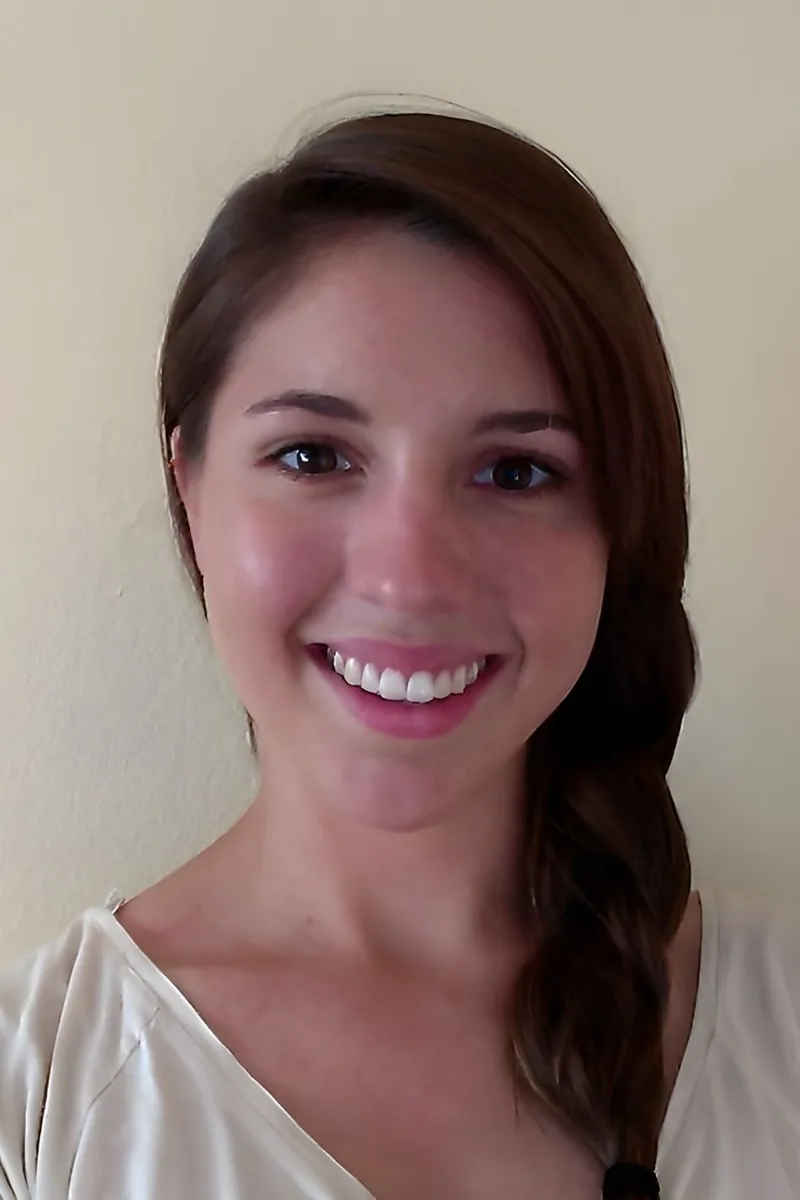
Courtney's graduate research in aquatic ecology means she's wrestled with the messy, real-world datasets that make biostatistics click — figuring out which test to run when sample sizes are uneven, or whether a correlation in field data actually holds up under regression. That experience analyzing ecological patterns, combined with her MS in Biology, grounds her teaching of concepts like experimental design, ANOVA, and data interpretation in the biological questions that give the numbers meaning. Rated 5.0 by students.
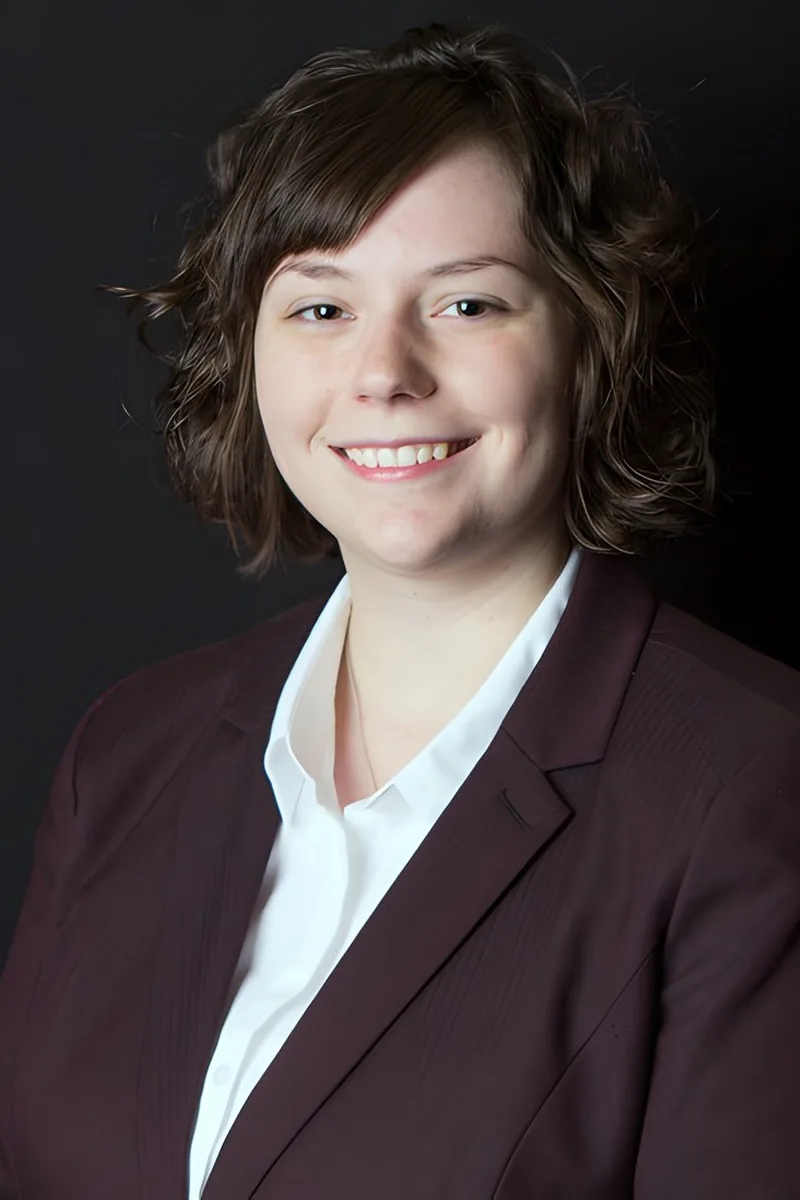
Lindsay's biology degree with a math minor means she's lived on both sides of biostatistics — understanding the experimental design behind biological research and the quantitative tools needed to draw valid conclusions from it. She digs into concepts like probability distributions, hypothesis testing, and regression by connecting each method to the kind of data a biologist would actually collect. Rated 4.9 by students.
A PhD in genetics means Cameron has spent years generating and analyzing the kinds of biological datasets where statistical decisions — choosing between parametric and nonparametric tests, interpreting p-values from gene expression data, modeling inheritance patterns with regression — directly shape research conclusions. That deep familiarity with experimental design from the genetics side makes the leap to teaching biostatistics concepts like variance, sampling distributions, and hypothesis testing feel grounded in real research rather than abstract formulas.
Teaching AP Chemistry, Honors Biology, and Anatomy & Physiology every day means Samuel is constantly working with the kinds of experimental data that biostatistics is built to analyze — comparing treatment groups, interpreting variability in lab results, and evaluating whether observed differences are real or just noise. His master's in science education sharpens how he breaks down concepts like descriptive statistics, probability, and hypothesis testing so they feel like practical tools rather than abstract formulas. Rated 4.9 by students.
As a first-year med student at Pitt with a biology degree from Tufts, Danielle is encountering biostatistics exactly where it becomes unavoidable — interpreting clinical study results, calculating sensitivity and specificity, and evaluating whether a paper's p-value actually means what the authors claim. Her 36 ACT composite reflects the kind of precise analytical thinking she brings to breaking down concepts like confidence intervals, relative risk, and study design for students who find the statistical side of biology intimidating. Rated 5.0 by students.
Reading medical literature requires fluency in biostatistics — knowing when a study's design actually supports its conclusions and when a low p-value is misleading. Ted lived this throughout his medical education, interpreting survival curves, odds ratios, and multivariate analyses in clinical contexts. He teaches biostatistics as a critical-thinking toolkit, connecting each method to the research questions it's designed to answer.
Biochemistry and molecular biology coursework means Aditya is constantly reading papers packed with survival curves, p-values, and confidence intervals — the kind of statistical literacy that comes from needing it to understand his own field, not just passing an exam. He breaks down concepts like probability distributions and measures of central tendency by walking through the biological data they're actually applied to, so the formulas feel purposeful rather than abstract.
Applying to medical school while pursuing a Master's in Public Health means Jakobi is knee-deep in the kind of data analysis biostatistics courses demand — study design, hypothesis testing, and interpreting results in health contexts. His biology degree gives him the scientific grounding to explain why a particular statistical method fits a biological question, whether students are wrestling with relative risk calculations or figuring out when to use a t-test versus ANOVA.
Statistical thinking doesn't come naturally to most biology students, which is exactly where biostatistics courses lose people. Mike tackles concepts like odds ratios, survival analysis, and hypothesis testing by grounding each method in the clinical research context where it actually gets used — an approach shaped by his medical training at Rutgers.
Matthew's Master's in Educational Measurement and Statistics at USF means he's not just familiar with biostatistics methods — he's studying the theory behind how statistical tests are constructed and validated, which gives him unusual depth when explaining concepts like power analysis, effect sizes, and the assumptions underlying common tests. His psychology background adds a second layer: he learned biostatistics the way most students encounter it, applied to human subjects research with messy behavioral data. Rated 4.8 by students.
Three years of bench genetics and clinical research gave Selamawit hands-on experience designing studies, running statistical tests, and interpreting p-values in contexts where the results actually mattered. She brings that practical fluency to biostatistics topics like regression analysis, survival curves, and hypothesis testing. Her University of Pennsylvania public health training means she knows exactly how these methods apply to epidemiological and clinical data.
Having earned a PhD in Statistics, Sam digs into biostatistics with the depth that graduate and pre-med students actually need — survival analysis, logistic regression, study design, and interpreting odds ratios in clinical contexts. His undergraduate training in biomedical engineering gives him a native fluency with the biological applications that make this field distinct from general stats.
Neurobiology research at UT Austin meant Hiral couldn't just run experiments — she had to make sense of the data coming out of them, from deciding whether a t-test or ANOVA fit her experimental design to interpreting p-values that determined whether her results meant anything at all. That direct experience wrangling biological datasets gives her a practical grip on concepts like probability, measures of central tendency, and hypothesis testing. Rated 5.0 by students.
Irene's PhD in Mathematics and Computer Science means she approaches biostatistics from the pure quantitative side — probability theory, distributions, and the mathematical proofs underlying tests like ANOVA and chi-square that most biology-focused instructors skip over. For students who struggle less with the clinical context and more with the math itself, that depth is exactly what closes the gap. Rated 4.9 by students.
Casey's bioengineering degree required designing and analyzing experiments where statistical choices — picking the right test for biological variability, interpreting p-values from cell culture data, calculating sample sizes for meaningful results — were baked into every project. That training means she teaches concepts like probability distributions, hypothesis testing, and regression by tying them to the kinds of biological datasets students will actually encounter in research and clinical coursework.
Testimonials
Because the right Biostatistics tutor makes all the difference.
Average Session Rating – Based on 3.4M Learner Ratings
Other Chandler Tutors
Related Science Tutors in Chandler
Frequently Asked Questions
Varsity Tutors matches Chandler students with expert Biostatistics tutors for 1-on-1 instruction. We pair each student with a tutor based on their specific needs, learning style, and goals.
Whether you need homework help, exam prep, or want to get ahead, our Biostatistics tutors are ready to help.
Common challenges include gaps from earlier material, difficulty with specific concepts, and trouble applying learning to new problems. These issues can snowball quickly in Biostatistics.
A tutor identifies where you're stuck, fills in gaps, and provides targeted practice. The 1-on-1 format means you get help exactly where you need it.
Tutors work with your student's actual coursework—homework assignments, class notes, and upcoming tests. This keeps tutoring directly relevant to what's happening in the classroom.
When you share information about your student's school and curriculum, we can match you with a tutor who has relevant experience.
All tutors complete background checks, credential verification, and teaching evaluation. Many of our Biostatistics tutors hold advanced degrees or have years of teaching experience.
You can review tutor profiles to find someone with the right background for your student's level and needs.
Many students see improved grades within a few weeks, along with better understanding of Biostatistics concepts and more confidence tackling challenging material.
Tutors track progress and adjust their approach to ensure continued improvement.
Most students benefit from 1-2 sessions per week. More frequent sessions help if your student is significantly behind or has an important exam coming up.
Your tutor can recommend a schedule based on your student's specific situation and goals.
Tutoring is purchased in packages of hours, with rates varying by tutor experience. Varsity Tutors offers several options to fit different budgets and needs.
You can discuss pricing during your consultation to find what works best.
Your tutor will assess where your student is, discuss goals, and start working on priority areas. Most students bring current homework or upcoming test material to focus on.
By the end, you'll have a clear sense of how the tutor can help and a plan for moving forward.
Let’s find your perfect tutor
Answer a few quick questions. We’ll recommend the right plan and match you with a top 5% tutor.