Award-Winning Biostatistics Tutors
serving Mesa, AZ
Biostatistics
Tutors in Mesa
Private 1-on-1 tutoring, weekly live classes for academic support, test prep & enrichment, practice tests and diagnostics, and more to elevate grades and test scores.
Based on 3.4M Learner Ratings
UniversitiesSchools & Universities
DeliveredHours Delivered
ProficiencyGrowth in Proficiency
Who needs tutoring?
No obligation. Takes ~1 minute.

Lindsay's biology degree with a math minor means she's lived on both sides of biostatistics — understanding the experimental design behind biological research and the quantitative tools needed to draw valid conclusions from it. She digs into concepts like probability distributions, hypothesis testing, and regression by connecting each method to the kind of data a biologist would actually collect. Rated 4.9 by students.
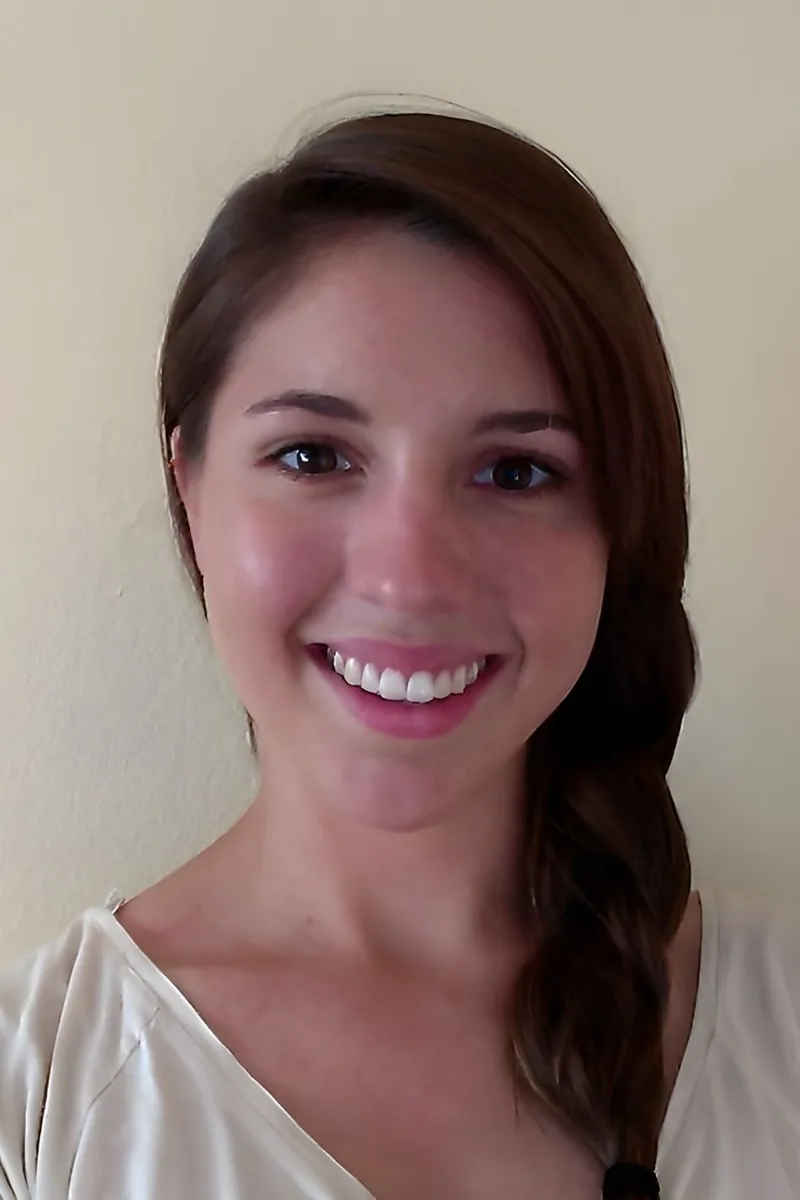
Courtney's graduate research in aquatic ecology means she's wrestled with the messy, real-world datasets that make biostatistics click — figuring out which test to run when sample sizes are uneven, or whether a correlation in field data actually holds up under regression. That experience analyzing ecological patterns, combined with her MS in Biology, grounds her teaching of concepts like experimental design, ANOVA, and data interpretation in the biological questions that give the numbers meaning. Rated 5.0 by students.
A PhD in genetics means Cameron has spent years generating and analyzing the kinds of biological datasets where statistical decisions — choosing between parametric and nonparametric tests, interpreting p-values from gene expression data, modeling inheritance patterns with regression — directly shape research conclusions. That deep familiarity with experimental design from the genetics side makes the leap to teaching biostatistics concepts like variance, sampling distributions, and hypothesis testing feel grounded in real research rather than abstract formulas.
I am also interested in tutoring college students preparing for the GRE general test. For test preparation, I assign a decent amount of homework each week and I spend the majority of my sessions going over the questions my students answer incorrectly.
Casey's bioengineering degree required designing and analyzing experiments where statistical choices — picking the right test for biological variability, interpreting p-values from cell culture data, calculating sample sizes for meaningful results — were baked into every project. That training means she teaches concepts like probability distributions, hypothesis testing, and regression by tying them to the kinds of biological datasets students will actually encounter in research and clinical coursework.
Kimanthi's biomedical engineering training at Duke meant designing experiments that demanded careful statistical thinking — selecting appropriate tests, calculating power, and interpreting results from biological datasets. Now in medical school, she teaches biostatistics concepts like hypothesis testing and regression by grounding them in the clinical and laboratory scenarios where they actually come up. Rated 5.0 by students.
Earning her Master of Science in Global Health from Duke meant Andria lived inside biostatistics — designing studies, running regression analyses, and interpreting p-values in the context of real epidemiological data. She unpacks concepts like confidence intervals, odds ratios, and survival analysis by grounding them in the public health questions they're built to answer.
Teaching AP Chemistry, Honors Biology, and Anatomy & Physiology every day means Samuel is constantly working with the kinds of experimental data that biostatistics is built to analyze — comparing treatment groups, interpreting variability in lab results, and evaluating whether observed differences are real or just noise. His master's in science education sharpens how he breaks down concepts like descriptive statistics, probability, and hypothesis testing so they feel like practical tools rather than abstract formulas. Rated 4.9 by students.
Ingrid's biomedical engineering coursework at Northwestern — including undergraduate research in the John Rogers Lab — gave her hands-on experience designing experiments and interpreting the statistical methods that underpin clinical and biological research. She breaks down concepts like survival analysis, logistic regression, and confidence intervals by tying them to real biomedical datasets rather than abstract formulas.
Alex's master's thesis at Rice centered on environmental statistics, giving him direct experience with the tools that define biostatistics: survival analysis, logistic regression, study design, and interpreting odds ratios in research contexts. He unpacks statistical software output and walks through the logic behind each test so students understand both the math and the methodology.
Biostatistics sits right at the intersection of Michael's two strengths — biology and quantitative analysis. His master's research required designing experiments, selecting appropriate statistical models, and interpreting output from tools like R, so he walks students through survival analysis, logistic regression, and study design with the confidence of someone who's applied each method to real data.
Sitting at the intersection of biology and statistics, biostatistics trips up students who are strong in one field but shaky in the other. Pallavi's dual background — a master's in biology plus a BS in economics with a policy concentration — means she's fluent in both experimental design and the quantitative methods (regression, survival analysis, hypothesis testing) that make sense of biological data.
Sima's Master of Science in Epidemiology with a concentration in Biostatistics means she doesn't just teach survival analysis, regression modeling, and study design — she uses them daily in her cancer research at Mount Sinai. She walks students through everything from interpreting p-values to building multivariate models, grounding each concept in real epidemiological datasets.
Nina is finishing a doctorate in biostatistics at NYU after completing her master's at Columbia, which means she lives and breathes this subject — logistic regression for clinical outcomes, survival curves, study design for epidemiological research. She was a teaching assistant in Columbia's biostatistics department and brings that classroom-tested ability to unpack dense material into clear, structured explanations. If you're wrestling with SAS output or trying to interpret an odds ratio for a thesis, she's been there recently.
A PhD in Statistics paired with a mathematics foundation means Bahaeddine doesn't just teach biostatistics formulas — he can explain the probabilistic theory underneath methods like logistic regression, survival analysis, and hypothesis testing, then show how those methods apply to biological and clinical datasets. Fifteen years of teaching statistics at the college level have given him a deep catalog of examples for making abstract concepts like p-values, confidence intervals, and study design feel concrete and intuitive.
Testimonials
Because the right Biostatistics tutor makes all the difference.
Average Session Rating – Based on 3.4M Learner Ratings
Other Mesa Tutors
Related Science Tutors in Mesa
Frequently Asked Questions
Biostatistics applies statistical methods to biological and medical data—from clinical trials and epidemiology to genetics and public health research. It's a critical field that bridges biology, medicine, and data analysis, making it essential for students pursuing careers in healthcare, pharmaceuticals, research, and public health. Understanding biostatistics helps you interpret real-world health data and contributes to evidence-based decision-making in medicine.
Many students struggle with the transition from pure math to applied statistics—especially interpreting what statistical results mean in a biological context rather than just calculating them. Common pain points include understanding probability distributions, designing studies correctly, interpreting p-values and confidence intervals, and applying appropriate tests to different data types. Connecting abstract statistical concepts to real medical and biological scenarios is where most students need support.
Personalized 1-on-1 instruction focuses on your specific gaps—whether that's foundational probability, hypothesis testing, or interpreting study designs. A tutor can help you see the patterns behind statistical methods, show you how to choose the right test for different research questions, and build confidence in interpreting results. This targeted approach is especially valuable in biostatistics, where conceptual understanding directly impacts your ability to work with real data.
Your first session focuses on understanding your current level, specific challenges, and learning goals. The tutor will assess which concepts you grasp well and where you need the most support—whether that's study design, probability, hypothesis testing, or interpreting results. This foundation helps create a personalized plan so your next sessions target exactly what will help you most.
Yes. Biostatistics courses vary depending on your program—whether you're in a public health degree, nursing program, biology major, or graduate research track. Tutors can work with your specific course materials, textbook, and instructor's approach to ensure the tutoring aligns with what you're learning in class and what your exams will cover.
Word problems in biostatistics require you to extract the relevant information, identify what's being asked, and choose the right statistical method—which is where many students get stuck. Tutors break down the problem-solving process: identifying the study design, determining the appropriate test, calculating correctly, and most importantly, interpreting what the result means in the biological or medical context. This systematic approach builds both confidence and accuracy.
Varsity Tutors connects you with expert tutors who specialize in biostatistics and can work with your schedule and learning style. Once you reach out, we match you with a tutor experienced in your specific course level and curriculum, whether you're in an introductory undergraduate course or advanced graduate research. You can start with a first session to see if the fit is right for your goals.
Absolutely. Biostatistics anxiety often stems from feeling lost in abstract concepts or unsure how to apply formulas to real problems. Personalized tutoring breaks concepts into manageable pieces, lets you practice at your own pace, and helps you see the logic behind statistical methods rather than just memorizing steps. As you understand the 'why' behind biostatistics, confidence naturally builds.
Let’s find your perfect tutor
Answer a few quick questions. We’ll recommend the right plan and match you with a top 5% tutor.