Award-Winning Physiology
Tutors
Physiology
Tutors
Private 1-on-1 tutoring, weekly live classes for academic support, test prep & enrichment, practice tests and diagnostics, and more to elevate grades and test scores.
Based on 3.4M Learner Ratings
UniversitiesSchools & Universities
DeliveredHours Delivered
ProficiencyGrowth in Proficiency
Who needs tutoring?
No obligation. Takes ~1 minute.
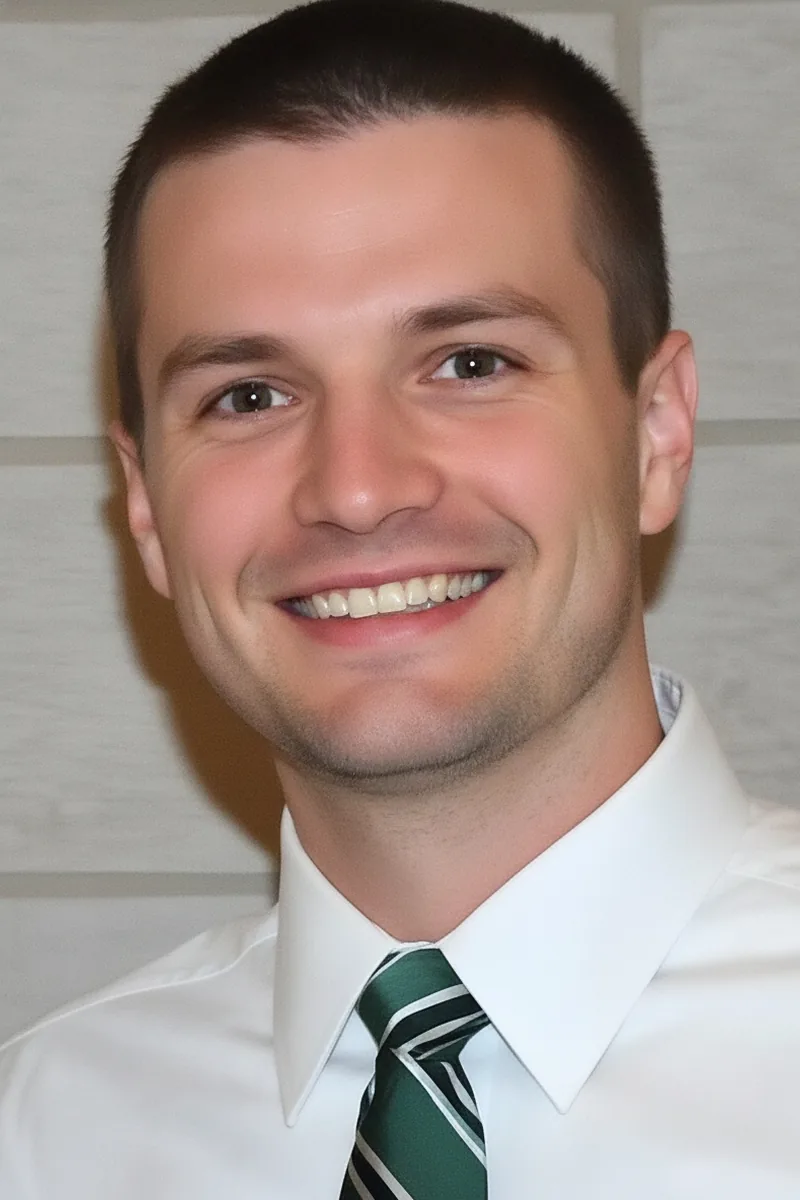
Understanding physiology means seeing the body as an integrated system, not a list of organ functions to memorize. Matt's graduate work in nutrition required mastering renal, endocrine, and cardiovascular physiology at the molecular level, so he teaches concepts like action potentials, cardiac output, and hormonal feedback loops with the mechanistic depth that college-level courses demand. Rated 5.0 by students.

Understanding physiology means tracing cause and effect across organ systems — how a drop in blood pH triggers respiratory compensation, or how ion channels generate an action potential. Amin's biophysics PhD and clinical research at MGH ground his teaching in the molecular mechanisms behind each physiological process, making it easier to reason through unfamiliar scenarios on exams.
Preparing for an Occupational Therapy doctorate means Alex has spent years inside physiology — not just memorizing organ systems but understanding how cardiac output, respiratory mechanics, and renal filtration actually behave in living patients. That clinical lens turns dense material like action potentials and hormonal feedback loops into stories about how the body maintains homeostasis under stress.
Understanding how the body actually functions — from cardiac output regulation to renal filtration — is something Josh engages with daily in his dental medicine program at Penn. He teaches physiology by connecting each mechanism to a real clinical scenario, so concepts like action potentials and gas exchange become intuitive rather than just memorized diagrams.
Studying physiology means understanding how organ systems talk to each other — why a drop in blood pressure triggers the renin-angiotensin-aldosterone system, or how action potentials propagate along a myelinated axon. Daniel's PhD work in neuroscience at Rockefeller gives him deep, research-level fluency with these mechanisms, and his medical training at Weill Cornell ties every concept back to clinical relevance.
Understanding physiology means tracing cause and effect across organ systems — why a drop in blood pH triggers faster breathing, or how the nephron maintains electrolyte balance. Paul's pre-med biology training at Brown gave him a systems-level view of the human body, and he teaches each mechanism by linking structure to function rather than treating chapters as isolated units.
Understanding physiology means seeing the body as an integrated system — how cardiac output affects renal filtration, or why a drop in blood pH triggers a respiratory response. Thomas earned his MD and MPH, which means he teaches organ-system physiology with the clinical context that makes abstract mechanisms click. His 5.0 rating speaks to how well that approach lands with students.
Understanding physiology means tracing cause and effect through interconnected organ systems — why a drop in blood pressure triggers a specific renal response, or how ion channels drive an action potential. Jeff's molecular biology background gives him a ground-up perspective on these mechanisms, connecting molecular events to whole-body function. Rated 5.0 by students.
Benjamin's pre-med coursework at Duke covered organ-system physiology in depth, from cardiac output and renal filtration to respiratory gas exchange. He unpacks each system by tracing the path a single molecule takes through the body, which turns dense content into a logical sequence rather than a wall of terminology.
Understanding how the body maintains homeostasis — from cardiac output regulation to renal filtration mechanics — requires more than memorizing diagrams. Jean earned her Doctor of Medicine at Harvard Medical School, where she spent four years connecting physiological systems to real clinical cases, making concepts like action potentials and gas exchange intuitive rather than abstract.
Studying physiology in medical school at Drexel meant Prateek had to master cardiac output equations, renal filtration mechanics, and neuronal action potentials at a level most tutors never reach. He unpacks complex organ-system interactions — like how the renin-angiotensin system ties the kidneys to blood pressure regulation — in a way that makes the logic visible instead of requiring brute-force memorization. Whether it's for a college course or MCAT prep, his clinical training gives him a practical edge.
As a physical therapy graduate student, Ken doesn't just know physiology from a textbook — he applies concepts like muscle contraction, cardiovascular regulation, and neurophysiology in clinical settings every week. That practical lens makes topics like action potentials and organ system integration far more concrete than memorizing diagrams alone.
Understanding physiology means tracing cause and effect across organ systems — why a drop in blood pH triggers faster breathing, or how the nephron maintains electrolyte balance under stress. Garrett's biology degree gives him the depth to walk through these feedback loops at the molecular, cellular, and systems level. He connects mechanisms to each other so students aren't memorizing isolated facts.
I am also a first year medical student at the Tufts University School of Medicine in Boston. I have extensive experience with premedical classes and have taken and tutored the MCAT exam. I placed in the 97th percentile of the MCAT exam and I understand what the test takers want students to know and how to bridge the gap between knowing the material and doing well on the test. I am always excited when a student finally has that "ah-ha" moment and declares that they now can see how all of these seemingly separate scientific topics are actually all related. The MCAT no longer seems scary, but turns into a means of truly learning this material and providing a strong foundation for the future.
Understanding physiology means moving beyond memorizing organ systems and grasping the feedback loops that keep them running — why baroreceptors adjust heart rate, how nephrons regulate fluid balance, what happens at the neuromuscular junction. As a current medical student, Jamie encounters these mechanisms in clinical context every week and translates that into vivid, analogy-driven explanations that make homeostasis and system integration click.
Understanding physiology means thinking in systems — how a nerve impulse triggers muscle contraction, how the nephron filters blood, how cardiac output adjusts during exercise. Shayan's pre-health training at Penn gives him a clinical lens on these mechanisms, and he teaches each system by walking through what happens when it breaks down, which makes normal function far more intuitive.
Emily's cell and molecular biology concentration at Duke means she learned physiology from the inside out — starting with ion channel behavior and membrane dynamics before ever reaching the organ-system level. Now in medical school at Columbia, she teaches topics like action potential propagation, glomerular filtration, and endocrine signaling with the mechanistic detail that separates surface-level understanding from real comprehension. Rated 5.0 by students.
Understanding physiology means tracking cause and effect across organ systems — how a change in blood pH triggers respiratory compensation, or why cardiac output depends on both stroke volume and heart rate. Courtney's biology graduate work and undergraduate teaching experience at ASU give her a detailed command of these integrative mechanisms, and she excels at walking through the logic chain that connects stimulus to response.
Kelly's cancer biology PhD at Cornell involved deep study of how cells signal, divide, and maintain homeostasis — the same organ-system physiology that dominates undergraduate coursework. She digs into membrane transport, cardiac function, and endocrine feedback loops with the precision of someone who's spent years researching how these systems break down in disease.
Few tutors can teach physiology the way someone who studied it in medical school can — Daniel understands cardiac output, renal filtration, and respiratory mechanics not just as textbook diagrams but as interconnected systems he learned to reason through clinically. He unpacks each organ system by tracing cause and effect, so students see how a change in one variable cascades through the body.
Understanding physiology means tracing cause and effect across organ systems — why a drop in blood pressure triggers the renin-angiotensin pathway, or how an action potential propagates along a myelinated axon. Jhonatan's neuroscience specialization gives him deep fluency in these mechanisms, particularly neurophysiology and cardiovascular regulation. Rated 5.0 by students, he breaks down feedback loops and membrane dynamics until they genuinely click.
Studying physiology in a doctoral physical therapy program at Washington University means James isn't just reading about organ systems — he's applying concepts like cardiac output, muscle fiber recruitment, and respiratory mechanics to clinical cases every week. That applied lens makes him especially effective at explaining how the body's systems interact under stress, exercise, or disease. He teaches the 'why' behind each mechanism so the details stick.
Rachel's approach to physiology leans on breaking down the overlap between systems — showing, for example, how the muscular and nervous systems coordinate during a reflex arc, or how respiratory adjustments compensate for metabolic acidosis. Her biology and anatomy teaching background means she can scaffold unfamiliar material by anchoring it to structures and processes students already know. That knack for organizing intersecting ideas into a clear sequence is what makes dense physiology content manageable.
Working in a research lab at UTHealth, Emily deals with biochemistry and cell biology daily — which means she can teach physiology from the molecular level up, connecting what's happening inside the cell to what's happening in the organ system. That's especially useful for topics like membrane transport, signal transduction, or how enzymatic cascades drive processes like blood clotting or hormonal response. Her coursework in microbiology and chemistry adds another layer when students need to understand the biochemical machinery underneath physiological function.
Studying physiology in dental school meant mastering everything from cardiac output equations to nerve signal propagation in the trigeminal system. Daniel unpacks organ system functions by tying each mechanism back to a clinical scenario — how the kidneys regulate blood pressure, why the sympathetic nervous system triggers specific responses — so the logic behind each process becomes memorable.
Understanding physiology means thinking in feedback loops — how the renal system adjusts to maintain blood pressure, or why the Frank-Starling mechanism governs cardiac output. Zachary's molecular biology background lets him explain these organ-level processes by tracing them down to the cellular and biochemical events driving them, which gives students a much deeper command of the material.
Understanding physiology means tracing cause and effect across organ systems — why a drop in blood pH triggers faster respiration, or how the nephron maintains electrolyte balance through filtration and reabsorption. Casey's bioengineering degree required deep fluency in these mechanisms, and she explains them by building each pathway step by step rather than presenting finished diagrams to memorize. She's especially strong at connecting cellular-level processes to whole-body function.
Medical school gave Amir a deep, systems-level understanding of physiology — from renal filtration and cardiac electrophysiology to endocrine feedback loops. He breaks down complex processes like the Frank-Starling mechanism or oxygen-hemoglobin dissociation using diagrams and step-by-step visual walkthroughs that make the logic behind each system stick.
Understanding physiology means thinking in systems — how cardiac output depends on stroke volume and heart rate, how nephron function maintains electrolyte balance, how feedback loops regulate hormone release. Krishna's biology degree and pre-med training at Cornell mean she's deeply immersed in these mechanisms and can explain them at the cellular, organ, and whole-body level. Her original research experience through the American Museum of Natural History adds a scientific rigor to how she unpacks complex physiological concepts.
Teaching physiology well means connecting the molecular details — ion channels, hormone cascades, oxygen-hemoglobin dissociation — to how whole organ systems actually behave. Emad has taught physiology as an adjunct professor and brings a clinician's perspective from two medical degrees, making concepts like cardiac output regulation or renal filtration tangible rather than theoretical.
Completing premed coursework at NYU while earning a finance degree gave Hanna an unusual double fluency — she thinks about the body's regulatory systems with the same rigor she'd apply to financial models, tracing inputs, outputs, and feedback the way she'd track capital flows. That analytical habit pays off in physiology topics like hormonal feedback loops, cardiac cycle timing, and renal clearance, where students who can follow the logic outperform those who just memorize the steps. Her subsequent classroom teaching experience also means she's practiced at breaking a dense process into smaller, sequenced pieces that actually stick.
Studying physiology at Morehouse School of Medicine, Eugene lives inside the material he teaches — cardiac output equations, renal filtration mechanics, and the feedback loops that keep the body in homeostasis. He unpacks each organ system by linking structure to function, so students see the logic behind processes like action potentials or gas exchange rather than treating them as isolated facts.
Studying physiology in an MD program means Sagar doesn't just know how organ systems work — he knows how they fail, which turns out to be the fastest way to understand normal function. He unpacks topics like cardiac output regulation, renal filtration, and neuromuscular signaling by linking each mechanism to clinical examples that make the logic memorable.
Clinical internships at a transplant institute and abroad in Tanzania gave Eric firsthand exposure to how organ systems function — and malfunction — in real patients. He teaches physiology concepts like cardiac output, renal filtration, and neuronal signaling by grounding them in the chemistry and physics that explain why the body works the way it does.
Currently pursuing a graduate degree in physiology while holding an MBBS, Muhammad teaches this subject from both the research side and the clinical side. Whether students are wrestling with renal countercurrent mechanisms or cardiac action potentials, he unpacks the underlying logic so each system feels connected rather than isolated. His 5.0 rating speaks to how well that approach lands.
Neuroscience coursework gave Mary a deep familiarity with the systems where physiology and neural control overlap — topics like action potential generation, synaptic transmission, and autonomic regulation of heart rate and respiration. Her chemistry minor and teaching assistant role in organic and general chemistry also mean she can dig into the biochemical details when a concept like oxygen-hemoglobin binding or renal acid-base balance demands it. Rated 4.8 by students.
Medical training gave Rachel a command of physiology that goes well beyond textbook diagrams — she understands how cardiac output responds to hemorrhage, why the nephron's countercurrent multiplier actually works, and how hormonal feedback loops break down in disease. She unpacks these systems step by step, tying structure to function so each mechanism makes sense rather than requiring brute memorization.
Laura's dual biology and anthropology degree from Fordham gave her an interesting vantage point on physiology — she learned human body systems both through the molecular lens of biology courses and through the evolutionary, whole-organism perspective that anthropology demands. Now pursuing her MPH in environmental health sciences at Columbia, she's especially sharp on how external factors interact with physiological processes like respiratory gas exchange or immune response cascades. Rated 5.0 by students.
A Northwestern history and economics graduate turned attorney, Andrew brings an unusual skill to physiology: the ability to build logical arguments out of complex evidence. That translates well when students need to reason through chains like how aldosterone affects sodium reabsorption in the distal tubule, or why sympathetic activation increases heart rate — he treats each mechanism as a case to construct, not a paragraph to memorize. Rated 4.9 by students.
Pre-med students need to understand physiology at the systems level — how cardiac output responds to exercise, how nephrons regulate fluid balance, how neurons propagate action potentials. Jaya's coursework in genetics and cell biology gives her the molecular foundation to explain *why* these systems behave the way they do, not just describe what happens. She connects organ-level function back to the cellular mechanisms driving it, which makes the material stick.
Testimonials
Because the right Physiology tutor makes all the difference.
Average Session Rating – Based on 3.4M Learner Ratings
Top 20 Science Subjects


Top 20 Subjects
Frequently Asked Questions
Memorizing isolated facts—like listing the cranial nerves or naming muscle attachments—can get you through a test, but understanding physiology means grasping why systems work the way they do and how components interact. For example, understanding kidney function goes beyond memorizing the nephron structure; it's understanding osmotic gradients, active transport, and how these mechanisms create concentration differences that drive filtration and reabsorption.
Personalized 1-on-1 instruction helps bridge this gap by connecting concepts to real mechanisms. A tutor can walk you through cause-and-effect relationships, use visualizations to show what's happening at the cellular level, and ask questions that push you to explain why rather than just recall what. This deeper understanding makes physiology stick and transfers to clinical reasoning or advanced coursework.
Physiology involves processes happening at scales and speeds that are hard to visualize—ion channels opening and closing in milliseconds, or oxygen diffusing across the alveolar membrane. Many students struggle precisely because these mechanisms are invisible to the naked eye.
Tutors use multiple strategies to make abstractions concrete: breaking down complex sequences into manageable steps, drawing and annotating diagrams in real time, using analogies to familiar systems, and having you sketch mechanisms yourself. When you actively engage with visualizations—rather than passively viewing them—your brain creates stronger mental models. A tutor can also recommend animations and interactive tools, then work with you to make sure you understand what you're seeing rather than just watching it happen.
An expert physiology tutor should have strong subject knowledge and the ability to explain complex systems clearly, but equally important is their skill at diagnosis—identifying whether you're struggling with a concept itself, with the language used to describe it, or with how to apply it. They should ask probing questions to understand your thinking, not just correct wrong answers.
Look for tutors who connect theory to clinical or real-world examples, who encourage you to explain concepts in your own words, and who help you build problem-solving strategies (like analyzing a case by tracing through a physiological pathway step-by-step). The best fit depends on your goals—whether you're preparing for an exam, a professional program interview, or building mastery for future courses.
Lab courses add a practical dimension to physiology: you're collecting data, running experiments, and troubleshooting when results don't match expectations. This is where tutoring becomes particularly valuable. A tutor can help you understand the why behind the experimental design—what variable you're measuring and why it matters—which deepens both your lab performance and your conceptual understanding.
Tutors also help with scientific reasoning and interpretation: understanding what your data actually shows, why unexpected results might have occurred, and how to connect lab findings back to physiological principles. This transforms labs from 'follow the protocol' exercises into genuine learning experiences where you see physiology in action.
Improvement depends on your starting point and the time invested, but personalized instruction typically produces noticeable gains within 4-6 weeks of consistent work—often showing up as better understanding of connections between topics, improved exam performance, and increased confidence in class discussions or lab work.
More significantly, students who work with tutors often report a shift from feeling overwhelmed by information overload to feeling like physiology 'makes sense.' This comes from developing a coherent mental model of body systems rather than viewing physiology as isolated facts. Whether you're aiming for a grade boost, preparation for medical school exams, or genuine mastery for future clinical work, a tutor can tailor the pace and focus to match your goals.
Clinical reasoning requires more than physiology knowledge—it requires the ability to think through a patient scenario by tracing physiological pathways, predicting how changes in one system affect others, and connecting normal physiology to pathophysiology. Tutors help develop this thinking by presenting scenarios and walking you through the logical steps: 'Here's a symptom—which system is affected? What's the normal physiology? What happens when that system malfunctions?'
This case-based, systems-thinking approach is exactly what medical school interviews and health professions exams assess. Tutoring builds both the knowledge foundation and the reasoning skills, so you're prepared not just to pass an exam but to think like a clinician.
Yes—many physiology courses include quantitative work: calculating heart rate variability, interpreting blood gas values, working with concentrations and osmolarity, or analyzing renal clearance. Students often struggle not with math itself but with understanding what the calculation means physiologically.
A tutor can help in two ways: walking you through the mechanics of the calculation itself (ensuring you understand the formula and unit conversions), and more importantly, connecting the numbers back to physiology (explaining what a high osmolarity value tells you about kidney function or what a low PaCO2 indicates about ventilation). This dual approach—technical competence plus conceptual understanding—makes calculations feel purposeful rather than arbitrary.
Let’s find your perfect tutor
Answer a few quick questions. We’ll recommend the right plan and match you with a top 5% tutor.