Award-Winning Japanese Tutors
serving Charlotte, NC
Japanese
Tutors in Charlotte
Private 1-on-1 tutoring, weekly live classes for academic support, test prep & enrichment, practice tests and diagnostics, and more to elevate grades and test scores.
Based on 3.4M Learner Ratings
UniversitiesSchools & Universities
DeliveredHours Delivered
ProficiencyGrowth in Proficiency
Who needs tutoring?
No obligation. Takes ~1 minute.
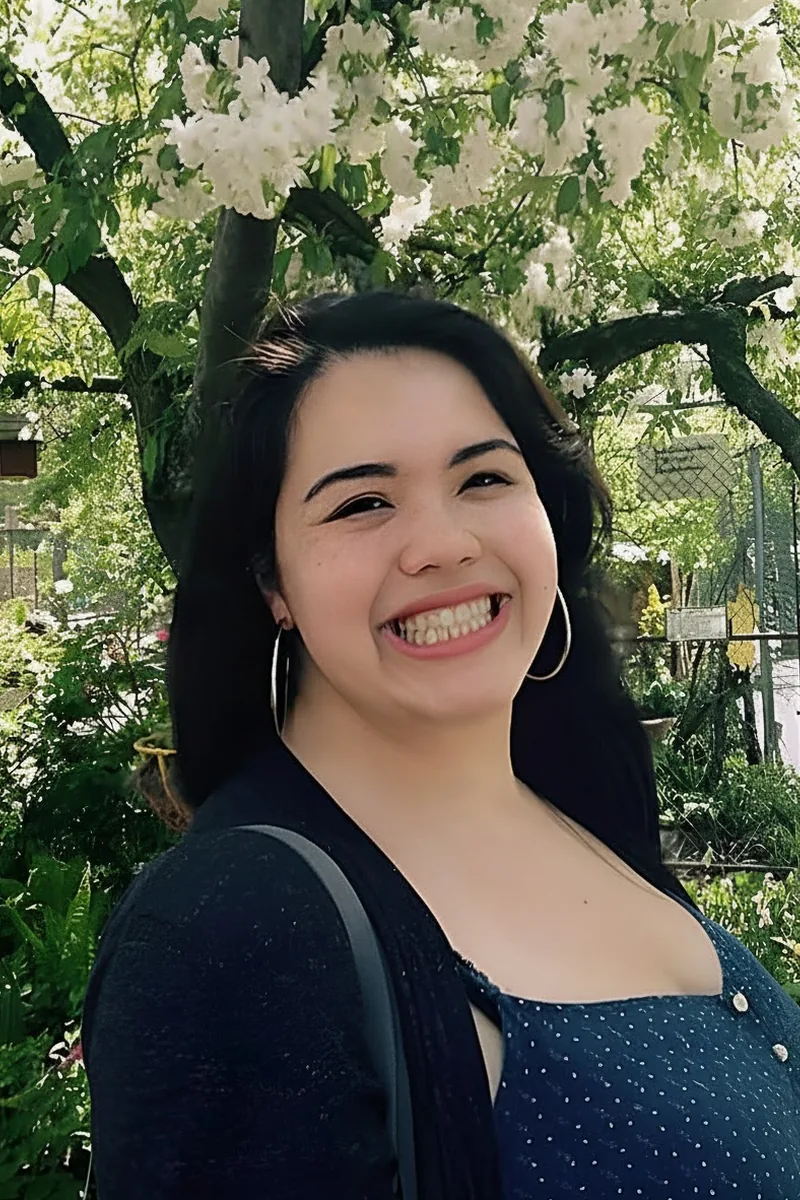
Though her degrees are in biology and science education, Sarah lists Japanese among her interests and brings a teacher's instinct for breaking complex systems into learnable parts — useful when students are wrestling with hiragana stroke order or the logic behind particle placement. Her 5.0 rating and four years of classroom teaching mean she knows how to pace a lesson and adjust when something isn't landing.
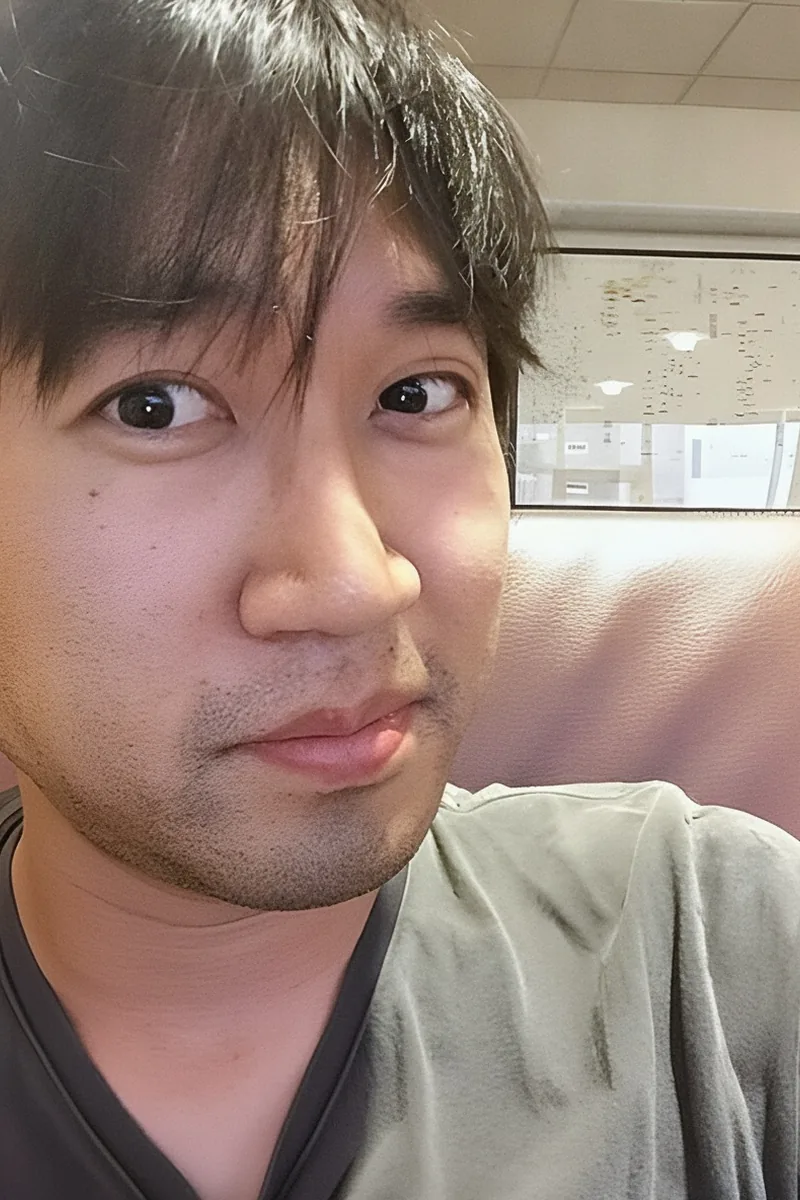
Growing up attending the Japanese Weekend School of New Jersey while enrolled in American public schools, Hidefusa developed native-level fluency in both languages and a deep understanding of where English speakers stumble with Japanese. He teaches everything from hiragana and katakana basics to kanji recognition, particle usage, and keigo (formal speech) — drawing on the bilingual instincts of someone who has lived in both linguistic worlds.
Having completed an Asian Languages minor at UCLA, Abrahim brings formal training in Japanese grammar, kanji acquisition, and reading comprehension to his tutoring. He approaches the language methodically — building from particle usage and verb conjugation patterns up to reading authentic texts — which works especially well for students who want structure rather than immersion-only learning.
I'm a candidate for a B.S. in Business Administration at Northeastern University. In addition to tutoring, I enjoy playing the tuba and learning about transportation engineering/planning. I'm also fully Japanese and can read, write, and speak the language. As someone who scored 1530 on the SAT and 800 on the Math II subject test, I'd love to assist you in preparing for college!
I am currently finishing my thesis. For the past two years I was an adjunct instructor at The City College of New York, teaching statistics and introductory neuroscience, where I learned the importance of communicating complicated concepts clearly at an individualized level. All of my classes performed above average, and I discovered how satisfying it is to help people understand difficult ideas. I've found that by creating a good rapport with my students I am able to more effectively impart difficult concepts to them while causing them less stress. My passion is people, which first led me to study psychology, leading to my work in statistics, and later into teaching.
A drama degree might not scream Japanese fluency, but John's literary work — he's a section editor for the Los Angeles Review of Books and literary manager for two theater companies — means he's deeply attuned to how language shapes meaning, tone, and register. That sensitivity to nuance transfers directly to navigating Japanese's layered politeness levels and context-dependent sentence endings. Rated 5.0 by students.
Holding a degree in Japanese Studies, Andrew brings deep familiarity with not just hiragana, katakana, and kanji but also the cultural context that shapes how the language actually works — keigo politeness levels, sentence-ending particles, and the logic behind counter words. He connects grammar patterns to real conversation so students internalize structures instead of just drilling flashcards.
As a native Japanese speaker with over fifty years of fluency in reading, writing, and conversation, Hatsuki teaches the language the way it's actually used — from particle usage and keigo (honorific speech) to the nuances between hiragana, katakana, and kanji in everyday contexts. She currently lives in the U.S. with her family, giving her a natural understanding of where English speakers stumble with Japanese grammar and pronunciation.
Between his East Asian Studies major at Harvard, his presidency of the Harvard College Japan Initiative, and his work in the Yenching Library's Japanese Collection, Shane lives and breathes Japanese. He reads novels and plays games in Japanese for fun, which means he teaches the language the way it's actually used — from kanji recognition and particle usage to the register shifts that textbooks barely cover.
An Asian Studies degree gave Andrew sustained exposure to Japanese language and culture throughout his undergraduate work, and he pairs that academic grounding with fluency in Mandarin Chinese to bring a comparative lens to East Asian language learning. He's particularly good at creating a low-pressure environment for speaking and reading practice — the kind of space where students actually start producing sentences instead of freezing up over perfect particle placement.
I would like to work with people who want to advance their Japanese knowledge and capabilities. I have lived for 18 years in Japan and can guide someone through the intricacies of the language. I have certified top level proficiency on the Japan Foundation Japanese Proficiency Test.
Learning Japanese means juggling three writing systems, unfamiliar sentence structures, and layers of politeness that don't exist in English. Aki breaks down hiragana, katakana, and basic kanji recognition alongside grammar patterns like particle usage and verb conjugation, building reading and conversational skills in parallel.
Testimonials
Because the right Japanese tutor makes all the difference.
Average Session Rating – Based on 3.4M Learner Ratings
Other Charlotte Tutors
Related Languages Tutors in Charlotte
Frequently Asked Questions
Your first session is an opportunity for a tutor to understand your current level, learning goals, and preferred pace. Whether you're starting from scratch or building on classroom learning, the tutor will assess your strengths in reading, writing, speaking, and listening, then create a personalized plan tailored to your needs. This initial conversation helps ensure you get matched with someone who's the right fit for your Japanese learning journey.
In a classroom setting, most students get limited time to actually speak Japanese aloud. With personalized 1-on-1 instruction, you have dedicated time for conversation practice every session, allowing a tutor to correct your pronunciation in real-time and help you build confidence speaking. This consistent, interactive practice is one of the most effective ways to develop natural fluency and reduce accent concerns.
Japanese grammar—especially verb conjugation, particles, and sentence structure—is often the biggest hurdle for learners. Expert tutors break down complex patterns into manageable pieces and show you how grammar rules work in real conversation, not just in textbook exercises. With targeted practice and immediate feedback, you'll move from memorizing rules to understanding how they naturally fit together in spoken and written Japanese.
Building vocabulary is a marathon, not a sprint—research on language learning shows spaced repetition and retrieval practice are the most effective methods. A tutor can help you develop a personalized system for learning kanji, hiragana, katakana, and everyday words, then reinforce them through conversation and contextual use rather than isolated flashcard drills. This approach moves vocabulary from short-term memory into active, usable knowledge.
Language and culture are deeply connected—understanding Japanese customs, etiquette, and cultural references makes both the language and your learning experience richer. Many tutors weave cultural context into lessons, helping you understand why certain phrases are used in specific situations and how context shapes meaning. This immersion-style approach helps you communicate not just grammatically correct Japanese, but culturally appropriate Japanese.
Absolutely. Charlotte has over 200 schools across 31 districts, and many offer Japanese language programs. Whether you're in a high school Japanese class or an advanced program, Varsity Tutors connects you with tutors who understand typical Japanese curriculum and can provide targeted support—whether that's preparing for tests, mastering specific units, or deepening your understanding of material covered in class.
Learning to read and write hiragana, katakana, and kanji requires consistent, guided practice. A tutor can help you build these skills systematically, starting with character recognition and progressing to reading sentences, short passages, and eventually longer texts. Writing practice goes beyond copying—tutors help you understand stroke order, character composition, and how to write naturally, preparing you for both academic and real-world communication.
The best Japanese tutors combine native or near-native fluency with teaching experience and an understanding of how English speakers learn Japanese. Look for tutors who can explain grammar clearly, have experience with your specific goals (conversational fluency, test prep, academic support), and can adapt their teaching style to your learning pace. Varsity Tutors connects you with experienced tutors who meet these standards and can provide personalized instruction tailored to your needs.
Let’s find your perfect tutor
Answer a few quick questions. We’ll recommend the right plan and match you with a top 5% tutor.