Award-Winning Japanese Tutors
serving Raleigh, NC
Japanese
Tutors in Raleigh
Private 1-on-1 tutoring, weekly live classes for academic support, test prep & enrichment, practice tests and diagnostics, and more to elevate grades and test scores.
Based on 3.4M Learner Ratings
UniversitiesSchools & Universities
DeliveredHours Delivered
ProficiencyGrowth in Proficiency
Who needs tutoring?
No obligation. Takes ~1 minute.
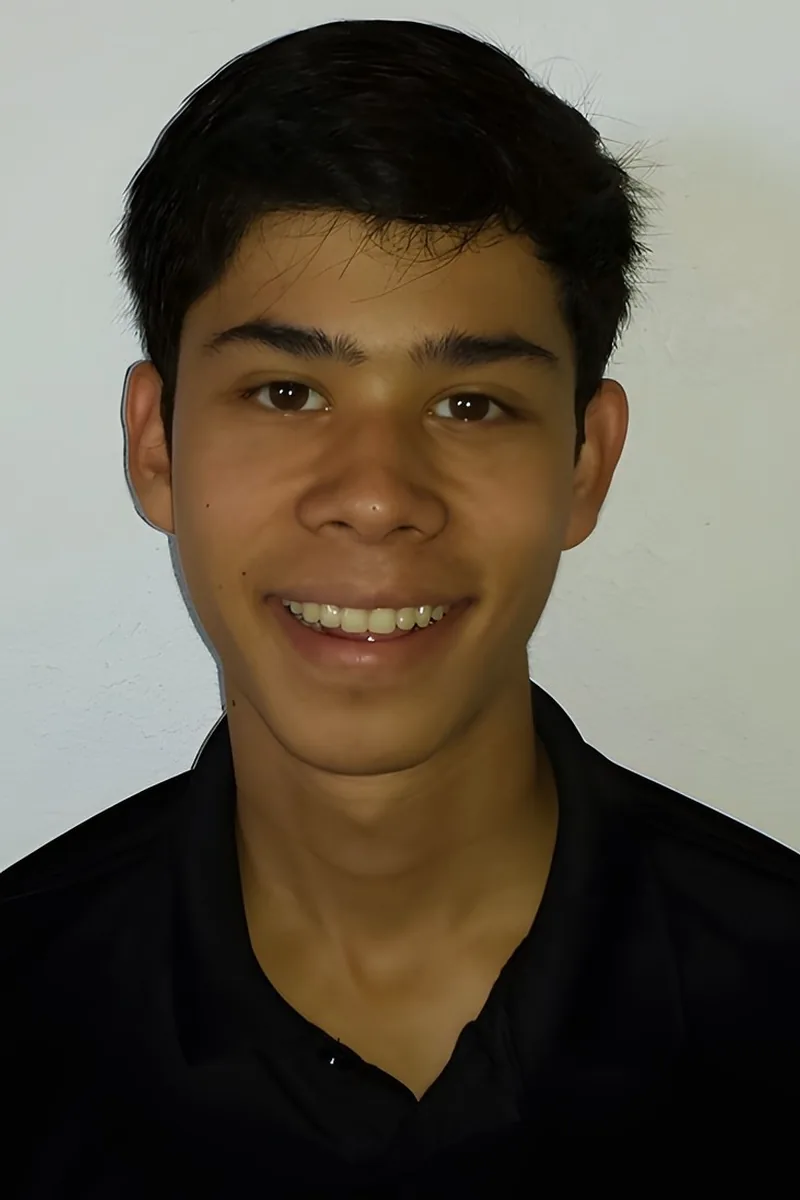
Having prepared for and taken the SAT Subject Test in Japanese with Listening, Dylan brings practical fluency in grammar structures like particle usage, verb conjugation groups, and honorific registers. He tackles reading comprehension by teaching students to decode kanji compounds in context rather than relying purely on rote memorization. Rated 5.0 by students.

Triple-majoring in Japanese, linguistics, and computer science at UMass Amherst, Connor brings both fluency and analytical rigor to teaching the language. He unpacks grammar patterns like particle usage and verb conjugation groups by connecting them to the underlying logic of how Japanese sentences are built — making new structures easier to internalize and recall.
A PhD in linguistics means Lewis doesn't just know languages — he understands how they work structurally, which is exactly what you need when Japanese throws you grammar that has zero English parallels. He applies that analytical framework to breaking down sentence-final particles, SOV word order, and the logic behind verb conjugation so the patterns become predictable rather than random. His experience teaching ESL/ELL also means he's practiced at bridging the gap between how English and non-European languages organize meaning.
Emily minored in Japanese at Texas A&M and continues to engage with the language through media and self-study. She teaches hiragana, katakana, and foundational grammar patterns like particle usage with the same structured approach she applies to her other languages, making the writing systems feel systematic rather than overwhelming.
Learning Japanese means juggling three writing systems, unfamiliar grammar structures, and a set of politeness registers that don't exist in English. Katharine brings a methodical, pattern-oriented mindset to breaking down concepts like particle usage, verb conjugation groups, and kanji radicals so that each lesson builds logically on the last.
I am particularly passionate about math as well as standardized test prep. I studied math on a double-accelerated track throughout middle school and high school, covering math from algebra to multivariable calculus. Aside from teaching academic subjects, I am also trained in playing the piano and violin, having taken lessons for piano from the ages of 4 to 18 and playing violin in my school orchestra from 5th to 12th grade. I love working with students to improve their skills in an area of study, and my favorite part is getting to see them gain confidence in themselves and their own abilities!
I am an experienced tutor and teacher from Okinawa, Japan who recently graduated from Brown University and now lives in Brooklyn.
Studying Japanese as a minor at Columbia — with plans to eventually work in Japan's renewable energy sector — Shin uses the language as a living tool, not just a classroom exercise. He teaches everything from hiragana and katakana basics to intermediate grammar patterns like ~てしまう and ~ことにする, adjusting to each student's level and building real conversational confidence alongside written accuracy.
Few Japanese tutors can combine formal academic study with real teaching experience in Japan — Sophie has both. Her East Asian Studies work at Princeton included intensive Japanese language training, and she spent time teaching English in Japan, which gave her deep familiarity with how the two languages map onto (and diverge from) each other. She tackles everything from hiragana and katakana basics to particle usage and keigo politeness levels.
I am a great tutor because not only are my fundamental verbal and quantitative skills strong, but I am able to communicate my reasoning and problem solving skills quickly and clearly.
Brian prepared for and took the SAT Subject Test in Japanese with Listening, which means he's worked through the grammar structures, kanji recognition, and listening comprehension challenges that define intermediate Japanese study. He approaches language learning with the same systematic thinking he applied to economics and CS at Caltech — breaking down sentence patterns and verb conjugations into logical rules rather than pure memorization.
Learning Japanese means juggling three writing systems, a grammar structure that's the reverse of English, and cultural nuances that change how you speak depending on who you're talking to. Natasha taught Japanese at the high school level and lived in Japan teaching in elementary schools, giving her the kind of practical fluency that makes hiragana drills, particle usage, and conversational practice feel grounded in real life. She's 5.0-rated and works with beginners through advanced learners.
Testimonials
Because the right Japanese tutor makes all the difference.
Average Session Rating – Based on 3.4M Learner Ratings
Other Raleigh Tutors
Related Languages Tutors in Raleigh
Frequently Asked Questions
Fluency depends on your starting level and learning intensity. The U.S. Foreign Service Institute estimates roughly 2,200 hours of study to reach professional proficiency in Japanese—significantly longer than Romance languages due to kanji, hiragana, and katakana. With personalized 1-on-1 instruction combined with consistent practice, many students accelerate their progress by focusing on their specific goals, whether that's conversational ability, test preparation, or reading comprehension.
In a typical classroom of 20+ students, you might get just a few minutes of speaking time per class. With personalized tutoring, you get dedicated speaking practice every session—essential for developing natural pronunciation, fluency, and confidence. A tutor can correct your accent in real-time, respond to your questions conversationally, and tailor discussions to topics you care about, making speaking practice feel authentic rather than scripted.
Rather than memorizing kanji in isolation, expert tutors teach you to recognize patterns in radicals (building blocks) and learn characters in context through real sentences and reading materials. Spaced repetition—reviewing characters at increasing intervals—is far more effective than cramming. A tutor can customize your kanji study to match your level and goals, whether you're aiming for JLPT certification or everyday reading ability.
The best approach combines grammar rules with natural usage patterns. Instead of memorizing verb conjugation charts, you'll see how particles, tenses, and sentence structures work in real conversations and media. Tutors help you understand not just the "what" but the "why" behind grammar rules, so you can apply them flexibly rather than rigidly—the way native speakers actually use the language.
Absolutely. With 136 schools across Raleigh's 17 school districts, Japanese isn't available everywhere—but personalized tutoring fills that gap completely. Whether you want to start from zero, supplement classroom learning, or prepare for the JLPT exam, Varsity Tutors connects you with expert tutors who can design a curriculum tailored to your pace and goals, independent of what your school offers.
Yes. Language and culture are inseparable—understanding Japanese honorifics, social norms, and cultural references makes you a more effective communicator. Expert tutors weave cultural context into lessons through authentic materials like news articles, films, and literature. This immersion-style approach helps you understand not just what to say, but when and how to say it appropriately in different social situations.
Your first session focuses on understanding your goals, current level, and learning style. The tutor will assess your strengths in reading, writing, speaking, and listening, then discuss what you want to achieve—whether that's conversational fluency, exam preparation, or academic support. From there, you'll work together to build a personalized learning plan that fits your schedule and keeps you motivated.
Yes. Expert tutors are experienced in JLPT preparation at all levels (N5 through N1) and can help you understand test format, build vocabulary and grammar skills specific to the exam, and practice timed sections. They'll identify your weak areas and create a focused study plan so you can reach your target score efficiently.
Let’s find your perfect tutor
Answer a few quick questions. We’ll recommend the right plan and match you with a top 5% tutor.