Award-Winning AP Spanish Language & Culture Tutors
serving Charlotte, NC
AP Spanish Language & Culture
Tutors in Charlotte
Private 1-on-1 tutoring, weekly live classes for academic support, test prep & enrichment, practice tests and diagnostics, and more to elevate grades and test scores.
Based on 3.4M Learner Ratings
UniversitiesSchools & Universities
DeliveredHours Delivered
ProficiencyGrowth in Proficiency
Who needs tutoring?
No obligation. Takes ~1 minute.
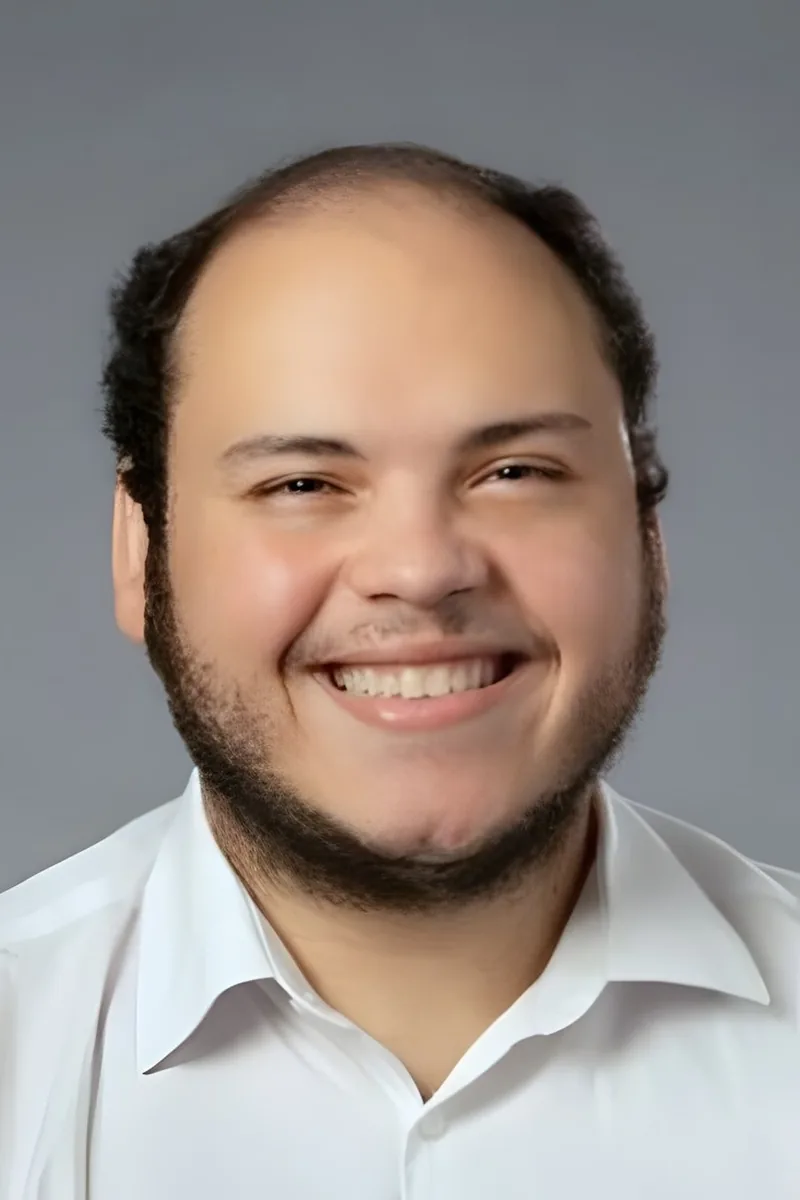
Having lived and worked in Puerto Rico, Eric brings real-world Spanish fluency to AP Spanish Language & Culture prep — not just textbook grammar but the kind of cultural context the exam's presentational and interpersonal tasks demand. He tackles the audio-source synthesis essays and spoken responses by drilling the specific transition phrases and register shifts that earn top scores.
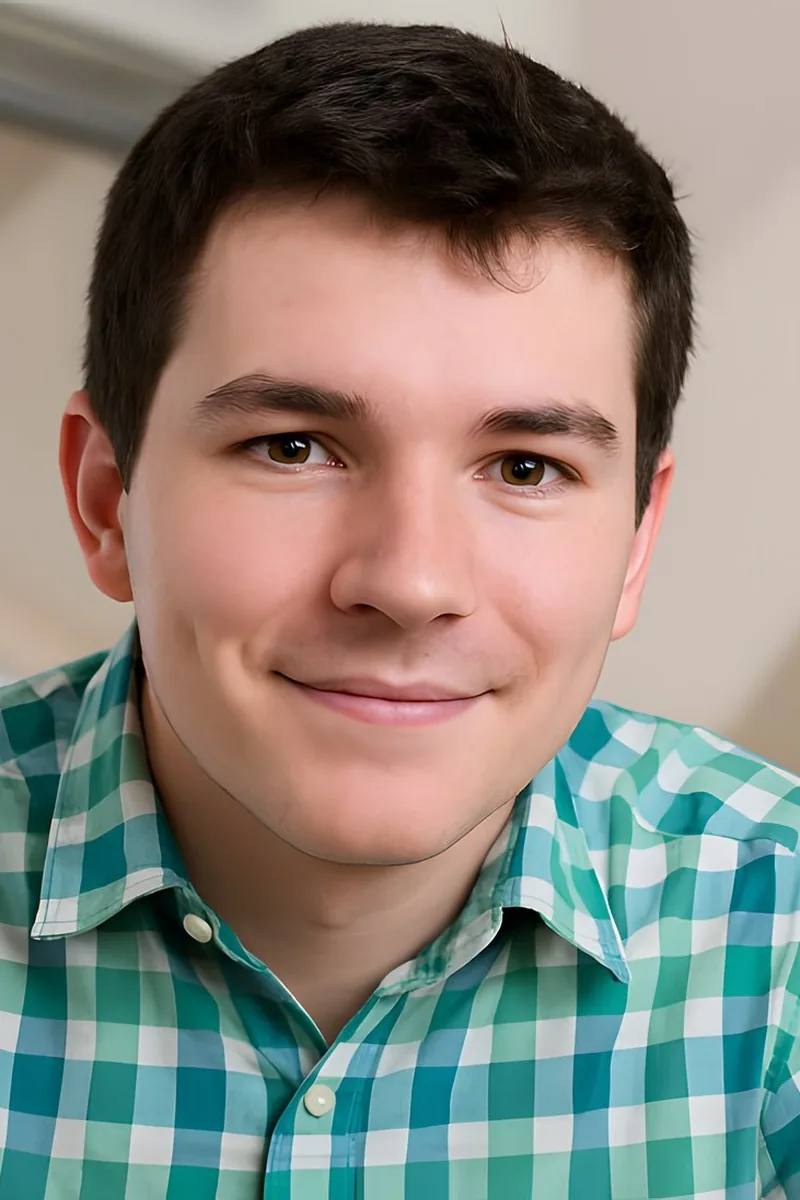
Richard earned the highest scores on the AP Spanish exam with listening after double-majoring in Spanish at Emory and studying in Spain. He tackles the presentational writing and interpersonal speaking tasks by drilling the idiomatic expressions, subjunctive constructions, and cultural references that push students from competent into the 4–5 scoring range.
Joshua teaches Spanish from level 1 through AP and pairs that with four levels of Latin, so he's used to thinking about how Romance languages borrow structures from their classical roots — a perspective that sharpens his explanations of tricky Spanish grammar like subjunctive triggers and conditional sequences. His 1600 SAT reflects the kind of precise reading and analytical writing skills that translate directly to the AP exam's source-synthesis and persuasive essay tasks.
Succeeding on the AP Spanish Language & Culture exam means toggling between interpretive listening, persuasive writing, and spontaneous conversation — often within the same practice session. Ysatris tackles each mode of communication with targeted strategies, from decoding rapid audio sources to structuring argumentative essays with proper transition phrases and cultural references that earn top scores.
Corey trained as a total immersion instructor through the Ann Arbor Language Partnership and taught communicative Spanish in public schools for two years before moving to Nicaragua, where he used Spanish daily in professional and community settings. That real-world fluency shows up in how he prepares students for AP Spanish Language — tackling interpersonal speaking prompts, persuasive essays, and audio-source synthesis with the kind of cultural nuance the exam rewards. His background in cognitive science also informs how he teaches listening comprehension strategies that actually stick.
While AP Spanish Language & Culture isn't Orlando's primary teaching area, his background in the arts and economics gives him a strong handle on the interpretive and presentational communication skills the exam demands — particularly the persuasive essay and cultural comparison tasks. He approaches language study with the same analytical rigor he brings to his core subjects, breaking down source materials and building argument structure.
Born in Colombia and raised speaking Spanish at home, Manuela brings native fluency to AP Spanish Language & Culture — but what sets her apart is her academic training in Romance Languages, which means she can explain the grammar rules she uses instinctively. She tackles the exam's trickiest components, like the persuasive essay and cultural comparison presentational speaking tasks, by drilling source synthesis and formal register. Her 5.0 rating speaks to how well that combination works.
Living in Spain for six months gave Rebecca the kind of immersive fluency that AP Spanish Language & Culture demands — not just grammar accuracy, but the ability to navigate cultural comparisons and presentational speaking with confidence. She tackles the interpersonal and presentational writing tasks by teaching students how to integrate source material and build arguments entirely in Spanish. Her Notre Dame training in close reading also translates directly to the audio and print source analysis on the exam.
Gabriel's PhD work in Comparative Human Development at the University of Chicago means he approaches the AP Spanish exam's cultural comparison task through an academic lens most tutors can't offer — he's trained to analyze how cultural practices differ across communities, which is exactly what that free-response prompt asks students to do. He teaches Spanish 2 through 4, so he knows which grammar foundations need tightening before students can write a persuasive essay in formal register under timed conditions. Rated 5.0 by students.
A year as an exchange student at the University of Puerto Rico — taking courses in Spanish linguistics, business Spanish, and constitutional law entirely in Spanish — gave Chiquita the kind of immersive academic fluency that the AP exam's timed persuasive essay and presentational speaking tasks demand. She later earned a graduate certificate in Spanish Interpretation and Translation from UCLA, training that sharpened her ability to move between registers and process Spanish at speed, which is exactly what the interpretive listening section requires. Rated 5.0 by students.
Growing up in Miami gave Caitlin daily exposure to Spanish in real-world contexts — the kind of authentic, unscripted language that mirrors what the AP exam throws at students in its interpretive listening and reading sections. She teaches Spanish 1 through 4 and pairs that progression with her own experience navigating Spanish across levels, so she knows exactly which grammar gaps (subjunctive triggers, formal vs. informal register) trip students up on timed free-response tasks. Rated 5.0 by students.
Nicole's linguistics degree means she understands how languages work as systems — the morphology, syntax, and pragmatics underneath Spanish that most tutors teach purely by repetition. She applies that structural knowledge to the AP exam's trickiest moments, like shifting between informal and formal register mid-task or decoding rapid authentic audio in the interpretive listening section. Her Italian heritage and fluency in multiple Romance languages sharpen her ear for the cognate traps and dialectal variations the exam loves to test.
Success on the AP Spanish Language exam comes down to thinking in Spanish — not translating from English in your head. Iris builds this fluency by connecting language practice to real cultural content: interpreting audio sources, writing persuasive emails, and constructing spoken presentations on topics like science, community, and global challenges. Her background in anthropology also gives her a genuine comfort with the cultural comparison tasks the exam emphasizes.
Testimonials
Because the right AP Spanish Language & Culture tutor makes all the difference.
Average Session Rating – Based on 3.4M Learner Ratings
Nearby AP Spanish Language & Culture Tutors
Other Charlotte Tutors
Related Languages Tutors in Charlotte
Frequently Asked Questions
The AP Spanish Language & Culture exam tests your ability to communicate in Spanish across three modes: interpersonal (conversations), interpretive (reading, listening, and viewing), and presentational (speaking and writing). The exam includes multiple-choice sections on reading and listening comprehension, free-response sections with email writing and essay tasks, and a speaking portion with interpersonal and presentational components. Success requires not just grammar knowledge, but cultural understanding and the ability to express complex ideas spontaneously in Spanish.
Score improvement depends on your starting point and how consistently you engage with tutoring. Students who work with a tutor typically see gains of 1-3 points on the 1-5 AP scale, though this varies based on your baseline skills and dedication to practice between sessions. The key is identifying your specific weak areas—whether that's listening comprehension, spontaneous speaking, or essay writing—and targeting those through focused practice and feedback.
Many students struggle with the speaking sections, particularly the interpersonal conversation and presentational speaking tasks, where you must respond spontaneously without preparation time. Others find the listening comprehension challenging due to fast-paced, natural Spanish with regional accents. Writing sections often trip up students who haven't practiced timed essay composition or email writing in Spanish. A tutor can help you build confidence and fluency in these high-pressure formats through targeted practice and real-time feedback.
Ideally, students begin tutoring 3-4 months before the exam (typically administered in May) to allow time for comprehensive review, practice tests, and skill-building. However, even 6-8 weeks of consistent tutoring can yield meaningful improvements if you're already at an intermediate Spanish level. The timeline depends on your current proficiency—students aiming for a 4 or 5 typically need more intensive preparation than those targeting a 3.
Practice tests are essential for AP Spanish Language & Culture because they help you understand the exam format, build stamina for the full 3-hour test, and identify specific weak areas. A tutor can help you take full-length practice tests under timed conditions, then review your mistakes to spot patterns—whether you're missing vocabulary, struggling with verb tenses, or misunderstanding cultural references. Regular practice testing, combined with targeted instruction on problem areas, is one of the most effective ways to improve your score.
Varsity Tutors connects you with expert tutors in Charlotte who specialize in AP Spanish Language & Culture and understand the specific demands of the exam. When you get matched with a tutor, you can discuss your current level, target score, and timeline so they can create a personalized study plan. Look for tutors with AP exam experience and a track record of helping students improve their speaking, writing, and listening skills.
Your first session is typically a diagnostic and planning meeting. The tutor will assess your current Spanish proficiency across all four skills (reading, writing, listening, speaking), discuss your target score and timeline, and identify your biggest challenge areas. From there, they'll create a customized study plan that prioritizes your weaknesses while building on your strengths, and you'll likely begin working on specific exam sections or skills immediately.
Working with a tutor builds confidence by familiarizing you with the exam format, practicing under timed conditions, and developing strategies for managing pressure during speaking and writing sections. Regular practice with real exam questions and timed drills reduces anxiety because you know what to expect. Additionally, tutors can teach you calming techniques and time-management strategies specific to the AP Spanish exam, so you feel more in control when test day arrives.
Let’s find your perfect tutor
Answer a few quick questions. We’ll recommend the right plan and match you with a top 5% tutor.